A Shark vacuum that isn’t sucking properly is a common but usually fixable problem. The issue almost always stems from a clog, a dirty filter, a worn belt, or a tangled brush roll—not a dead motor. By systematically checking these components, you can diagnose and resolve the loss of suction in under 30 minutes, often with no tools needed. Regular maintenance is the key to preventing this frustrating issue.
Key Takeaways
- Clogs are the #1 culprit: Check the hose, wand, and suction inlet for blockages from hair, debris, or large objects.
- Dirty filters choke suction: Pre-motor and post-motor filters must be cleaned or replaced regularly (every 1-3 months) for optimal airflow.
- The brush roll is a frequent offender: A belt that’s broken, stretched, or a brush roll jammed with hair will stop agitation and severely reduce pickup.
- Seals and gaskets matter: A worn or missing seal on the dust cup or hose connections creates air leaks, killing suction power.
- Simple fixes first: Always start with an empty dust cup, clean filters, and visual inspections before considering part replacement or professional repair.
📑 Table of Contents
- Understanding the Frustration: Why Your Shark Vacuum Isn’t Sucking
- The Immediate 5-Minute Diagnostic Check
- Deep Dive: Filters – The Silent Suction Killers
- The Brush Roll & Belt: Heart of the Agitation System
- Hose, Wand, and Attachments: The Hidden Leak Path
- Advanced Troubleshooting: When the Basics Fail
- Prevention: The Maintenance Schedule That Saves Your Suction
- Strong Conclusion
Understanding the Frustration: Why Your Shark Vacuum Isn’t Sucking
You plug in your trusted Shark vacuum, turn it on, and that familiar, powerful roar is missing. Instead, it sounds weak, whiny, or just plain quiet. You push it across the floor, but the debris just sits there. That sinking feeling is real. A vacuum that isn’t sucking isn’t just annoying; it renders the entire machine useless. Before you panic and start shopping for a new one, take a deep breath. In the vast majority of cases, a Shark vacuum not sucking is due to a simple, fixable issue. It’s a system designed for airflow, and if any single part of that path is blocked, damaged, or leaking, performance plummets. Think of it like drinking through a straw with a hole in it or a blockage inside—it just doesn’t work. This guide will walk you through every possible reason, from the quickest 30-second check to more involved repairs, so you can get your Shark back to its powerful, debris-gobbling self.
The Immediate 5-Minute Diagnostic Check
Before you grab a screwdriver, perform this rapid-fire assessment. These are the most common and easiest-to-fix problems that cause a Shark vacuum to lose suction.

Visual guide about Shark Vacuum Not Sucking
Image source: blog.spideroo.com
Step 1: The Dust Cup and Exhaust Port
First, the most obvious. Is the dust cup completely full? A full cup blocks airflow. Empty it immediately, even if it doesn’t look full. Then, detach the dust cup and look at the area where it seals to the vacuum body. Is there a clear, intact rubber gasket or seal? If it’s torn, missing, or covered in grime, air is escaping right there, bypassing the cup. Clean the seal groove thoroughly. Finally, locate the exhaust port—usually on the back or top of the canister. Place your hand over it while the vacuum is running on a low setting. Do you feel strong suction? If not, the problem is likely downstream (motor/filters). If you do, the leak is somewhere in the floor-cleaning path.
Step 2: The Hose and Wand
This is the next prime suspect for a Shark vacuum not sucking. Detach the hose from the vacuum body and the wand. Look directly through the entire length of the hose. Can you see light through it? A common blockage is a sock, a piece of paper, or a wad of pet hair that’s been sucked in and compacted. Use a long, flexible brush (or a straightened coat hanger wrapped in a microfiber cloth) to gently dislodge any visible clog. Do the same for the wand. Pay special attention to the bends and the connector ends.
Step 3: The Hose Connector and Inlet
With the hose off, look at the suction inlet on the vacuum body—the hole the hose plugs into. Is there debris packed inside? Use a flashlight. You’ll often find a ball of carpet fiber or a hair tie right at the entrance. Remove it with needle-nose pliers. Also, inspect the plastic connector on the hose itself for cracks or damage that would prevent a tight seal.
Deep Dive: Filters – The Silent Suction Killers
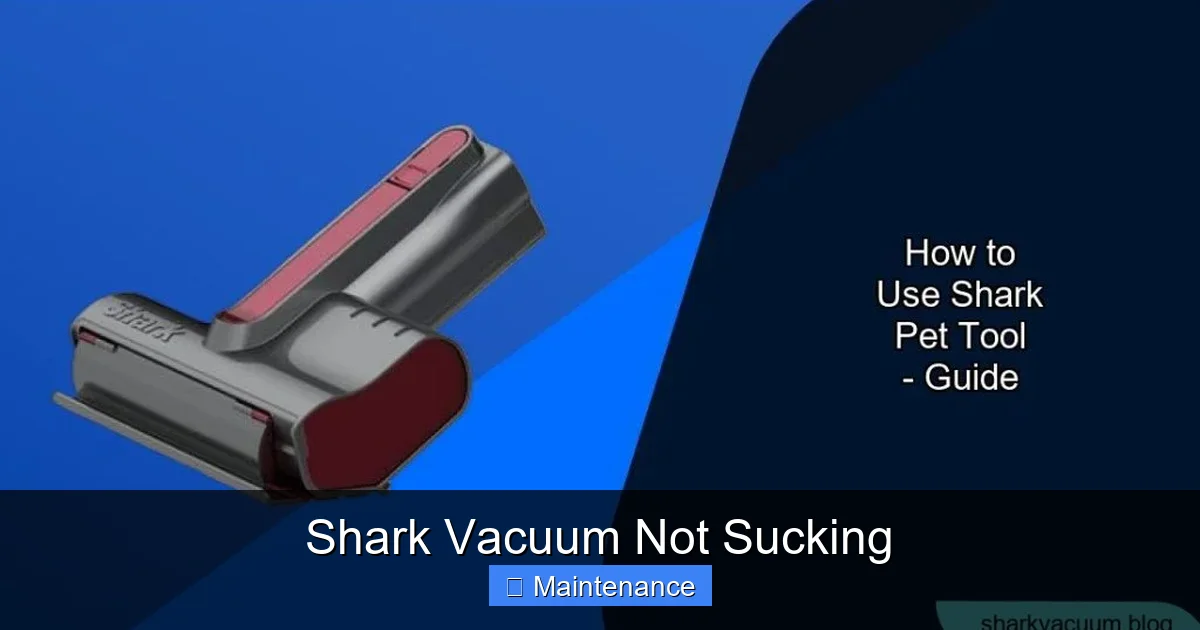
If the immediate checks didn’t solve your Shark vacuum not sucking problem, your filters are the next most likely cause. Shark vacuums typically have at least two filters: a pre-motor filter (protects the motor from dust) and a post-motor filter (cleans exhaust air). Both are critical for maintaining strong, consistent suction.
Visual guide about Shark Vacuum Not Sucking
Image source: sharkvacuum.blog
Identifying and Accessing Your Filters
Consult your model’s manual, but the pattern is consistent. The pre-motor filter is usually located behind the dust cup or under a panel on the canister body. It’s often a foam rectangular filter or a pleated paper/plastic one. The post-motor filter is typically at the back of the motor chamber, sometimes behind a small grille. You’ll need to remove a few screws or clips to access it.
How to Clean Filters Properly
Foam Pre-Motor Filters: These are washable. Remove them and rinse under lukewarm water until the water runs clear. Gently squeeze out excess water—do not wring. Allow them to air-dry completely for at least 24 hours. Never use a hair dryer or heat source, as this can melt the foam.
Pleated Paper/Plastic Filters: These are often marketed as “lifetime” or “washable,” but they degrade. Tap them firmly over a trash can to dislodge debris. You can gently rinse them with cold water if the manufacturer states it’s safe, but they must be 100% bone dry before reinsertion. A damp filter will clog instantly and reduce suction.
Post-Motor Filters: These are almost always the pleated type. Tap them clean. They are more delicate and rarely designed for washing. If they are dirty, discolored, or more than a year old, replacement is the best course.
Critical Reminder: Never operate your Shark vacuum with a filter missing or wet. You will destroy the expensive suction motor.
The Brush Roll & Belt: Heart of the Agitation System
On most Shark uprights and some stick models, the brush roll (the cylindrical brush with bristles) is what agitates carpet fibers to fling debris into the suction path. If the brush roll isn’t turning, you’re essentially just pushing debris around. A Shark vacuum not sucking on carpet, but maybe working on hard floors, often points directly here.
Visual guide about Shark Vacuum Not Sucking
Image source: sharkcleanapac.zendesk.com
Diagnosing a Non-Spinning Brush Roll
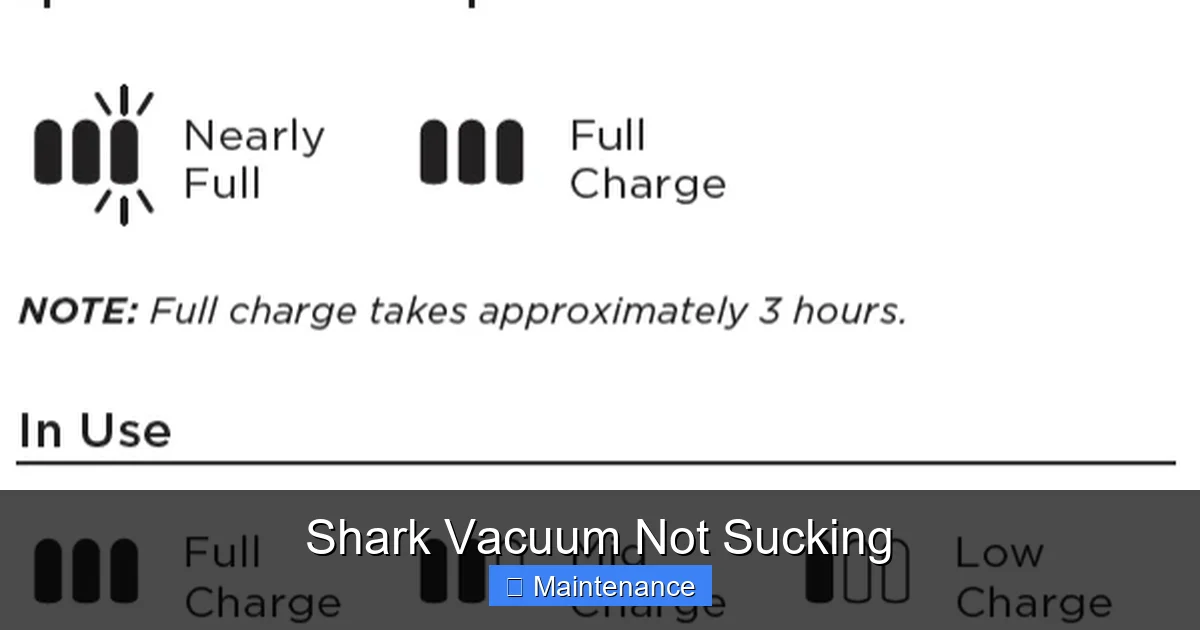
Lay the vacuum on its side. Turn it on and watch the brush roll. Is it spinning? If not, here’s the diagnostic tree:
- Is it jammed? Shut off the vacuum. Use scissors or a seam ripper to meticulously cut away any hair, string, or carpet fiber wound around the brush roll bearings and ends. This is the most common cause. A tightly wound “belt” of hair will stop it cold.
- Is the belt broken or slipping? Remove the bottom plate (usually four screws). The rubber drive belt connects the motor shaft to the brush roll. Is it there? Is it intact, or is it broken, stretched, or missing entirely? A stretched belt will slip and not transmit power.
- Is the motor for the brush roll dead? Some Sharks have a separate motor for the brush roll. If the brush roll is clear, the belt is good, but it still doesn’t spin, this motor may have failed. Listen for a faint whirring sound from the brush roll area when you turn the vacuum on.
Replacing the Brush Roll Belt
This is a classic DIY repair. Purchase the exact belt model for your Shark vacuum (the part number is in your manual or on the old belt). To replace: remove the bottom plate, stretch the new belt over the motor pulley, then loop the other end onto the brush roll. You’ll need to compress the brush roll housing slightly to get it back into place. Reinstall the bottom plate. Ensure the belt is seated properly on both pulleys before testing.
Hose, Wand, and Attachments: The Hidden Leak Path
Air leaks anywhere in the system after the motor will drastically reduce suction at the floor head. A Shark vacuum not sucking strongly can be caused by a tiny crack you’d never notice.
Inspecting for Leaks
With the vacuum running on a hard floor, systematically block off each connection point with your hand. First, block the end of the hose. Does the vacuum sound louder or does the motor pitch change? If not, air is leaking before the hose (filters, cup seal). Now, block the suction inlet on the canister body (with the hose detached). The motor sound should get noticeably higher-pitched and strained. If it doesn’t, your leak is between the motor and that point—likely a filter issue.
Next, inspect every plastic component. Cracks often appear on the back of the dust cup, the hose connectors, and the wand tubes, especially if the vacuum has been dropped. Run your fingers along every seam. A hairline crack can be enough to bleed suction.
Testing with the crevice tool
Attach only the narrow crevice tool directly to the vacuum body (no hose or wand). Try to pick up a small piece of paper. If it works strongly here, the problem is in the main hose or wand assembly. If suction is still weak with just the crevice tool, the leak is in the main vacuum body (filters, cup seal, motor housing).
Advanced Troubleshooting: When the Basics Fail
You’ve checked clogs, cleaned filters, and inspected the brush roll. The Shark vacuum is still not sucking. Now we venture into less common, but possible, territory.
Suction Motor Failure
This is the big one—the component that actually creates the vacuum. Symptoms of a failing motor: a high-pitched whine without the deep roar, a burning smell (immediately shut off), or complete failure to start. Motors can burn out from consistently running with clogged filters or a full dust cup, which causes them to overheat. Diagnosing this requires a multimeter to test for continuity, which is beyond most users. If all else is perfect and the motor is dead, you’re looking at a costly repair that may not be worth it for an older model.
Internal Clogs or Damaged Impellers
Debris can sometimes travel past the filters and into the motor chamber, damaging the fan blades (impellers) or creating a clog deep inside. This requires complete disassembly of the vacuum’s main body, which is complex and risks damaging wiring or seals. This is a job for a professional appliance repair technician.
Faulty Switches or Wiring
A broken power switch or a frayed wire in the hose (where it bends repeatedly) can sometimes interrupt power to the suction motor while leaving the brush roll motor (if separate) on, or vice versa. Listen carefully—do you hear *any* motor running? If the brush roll spins but there’s zero suction, the suction motor circuit is likely interrupted.
Prevention: The Maintenance Schedule That Saves Your Suction
The best fix for a Shark vacuum not sucking is to never have it happen. Adopt this simple, recurring maintenance routine.
After Every Use (30 Seconds)
Tap out the dust cup over a trash can. Give the pre-motor foam filter a quick tap to dislodge loose dust. Check the brush roll for obvious hair wraps and cut them away immediately before they tighten.
Weekly (2 Minutes)
Completely empty the dust cup. Wipe the rubber seal on the cup and the sealing surface on the vacuum body with a dry microfiber cloth. Visually inspect the hose and wand for cracks or blockages.
Monthly (10 Minutes)
Remove and thoroughly clean the pre-motor filter as described above. Tap out the post-motor filter. Remove the bottom plate and brush roll. Cut all hair and debris from the brush roll bearings and clean the belt area. Check the belt for wear, cracks, or glazing (a shiny, hardened surface).
Every 3-6 Months
Replace the post-motor filter. It’s a consumable part. Deep-clean the entire vacuum exterior and check all hose connections for tightness. If you have pets or a high-dust environment, clean the pre-motor filter more frequently.
Strong Conclusion
A Shark vacuum not sucking is rarely a terminal diagnosis. It’s your vacuum’s way of sending a clear signal: “I need attention!” By arming yourself with the systematic approach outlined here—starting with the simple, free checks for clogs and dirty filters—you can solve the vast majority of suction loss problems yourself. You’ll save money, reduce waste, and restore that powerful cleaning performance you paid for. Remember, your vacuum is a tool, and like any tool, it requires basic care. A few minutes of monthly maintenance is a small price to pay for a machine that consistently picks up every speck, every crumb, and every pet hair with authority. Now, go find that clog, clean that filter, and get your Shark back in the game.
Frequently Asked Questions
Why does my Shark vacuum have no suction on hardwood floors but seems to work on carpet?
This typically points to an issue with the brush roll. On hard floors, you should turn off the brush roll (if your model has that feature) to avoid scattering debris. If suction seems better with the brush roll off, the brush roll itself is likely jammed with hair or the belt driving it is broken, creating drag on the motor. Clean the brush roll thoroughly and inspect the belt.
My Shark vacuum suction is weak but not completely gone. What’s the most likely cause?
The most common cause of weak, but not zero, suction is a partially clogged filter. Start by cleaning or replacing your pre-motor foam filter. A filter that’s 50% clogged will reduce suction power significantly. After that, check for a partial clog in the hose or a dust cup that isn’t sealing properly due to a dirty gasket.
Is it worth repairing a Shark vacuum with a dead suction motor?
It depends on the model’s age and original cost. A new suction motor, including labor if you hire a pro, can cost $100-$200. For a high-end, newer Shark (like a Vertex or Apex series), it may be worth it. For an older, basic model, the repair cost can approach or exceed the value of a new vacuum. Check your warranty first, as some motor issues are covered for several years.
Can using a non-Shark replacement part cause suction loss?
Absolutely. Aftermarket filters, belts, and brush rolls are often made with inferior materials. A poorly molded belt can slip, a filter with the wrong pleat density can restrict airflow, and a brush roll with bristles that are too stiff or too soft will not agitate properly. Always use genuine Shark parts or high-quality, OEM-spec replacements to ensure proper fit and function.
My Shark vacuum smells like burning and has lost suction. What should I do?
Immediately turn off and unplug the vacuum. A burning smell with suction loss is a classic sign of a motor overheating and failing, usually because it’s been working too hard due to a severe clog or a filter that was completely blocked. Do not try to run it again. Let it cool completely, then perform a full clog and filter check. If everything is clear, the motor has likely burned out and needs professional diagnosis.
Why does my Shark vacuum lose suction when I tilt it or use the extension wand?
This is a classic sign of a major air leak. When you tilt the vacuum or add length with a wand, you change the pressure dynamics, and a small leak becomes catastrophic. The culprit is almost always a cracked hose, a damaged wand connection, or a missing/worn seal on the dust cup or the hose-to-body connector. Inspect all plastic parts for hairline cracks, especially at stress points where the hose bends.