Is your Shark vacuum’s brush roll refusing to spin? This is one of the most common issues and is usually fixable at home. The problem typically stems from clogs, a broken or slipped belt, a tripped reset button, or a jammed brush roll itself. Before you panic or call for service, follow this comprehensive guide to diagnose and solve the problem yourself, saving you time and money. We’ll walk you through every potential cause, from simple hair wraps to more complex motor issues, specific to your Shark model.
Key Takeaways
- Clogs are the #1 culprit: Always check the suction hose, wand, and brush roll housing for blockages from hair, carpet fibers, or debris before anything else.
- The belt is a frequent failure point: A broken, stretched, or slipped drive belt will disconnect the motor from the brush roll. Inspect it regularly for wear.
- Your Shark has a thermal reset: If the motor overheats, a safety switch will shut it down. Let the vacuum cool for 45+ minutes, then press the reset button (usually on the back or underside).
- Hair wraps can jam the brush roll: Long hair and string can wind tightly around the brush roll bearings, stopping it cold. Cutting it away is a quick fix.
- Not all models are the same: The access points for the brush roll and belt differ between Shark Navigator, Rotator, Vertex, and IZ series vacuums. Know your model’s design.
- Clean filters are critical: Clogged pre-motor and post-motor filters reduce overall suction and can strain the motor, indirectly affecting performance.
- Know when to call a pro: If you’ve checked clogs, the belt, reset, and cleaned the brush roll with no success, the motor or internal wiring may be faulty and require professional repair.
📑 Table of Contents
- The Frustration of a Silent Brush Roll: Your Complete Guide
- How Your Shark’s Brush Roll System Actually Works
- The Usual Suspects: Top Reasons Your Brush Roll Isn’t Spinning
- Your Step-by-Step Troubleshooting Guide
- Model-Specific Considerations: Shark Navigator vs. Rotator vs. IZ
- Preventive Maintenance: Keep That Brush Roll Spinning
- When to Call It Quits and Seek Professional Help
- Conclusion: You’ve Got This!
The Frustration of a Silent Brush Roll: Your Complete Guide
You plug in your trusty Shark vacuum, press the power button, and hear the familiar roar of the motor. But something’s wrong. The suction feels weak, and when you look at the cleaning head, the brush roll—that vital spinning cylinder of bristles—isn’t moving. That satisfying agitating action that lifts dirt from your carpets is dead silent. This problem, often summarized as a “Shark vacuum not spinning,” is incredibly common, and the good news is that in the vast majority of cases, you don’t need a professional. The solution is almost always something you can diagnose and fix yourself with a few simple tools and a bit of patience. This guide will turn you into a Shark vacuum troubleshooting expert.
We’re going to break down exactly how your Shark’s brush roll system works, walk through the most likely reasons it stops spinning from the simplest to the more complex, and provide detailed, model-aware steps to get it spinning again. We’ll also cover essential maintenance to prevent this from happening again. Remember, a non-spinning brush roll doesn’t mean your vacuum is broken beyond repair; it usually means one small, accessible part has failed or become obstructed.
How Your Shark’s Brush Roll System Actually Works
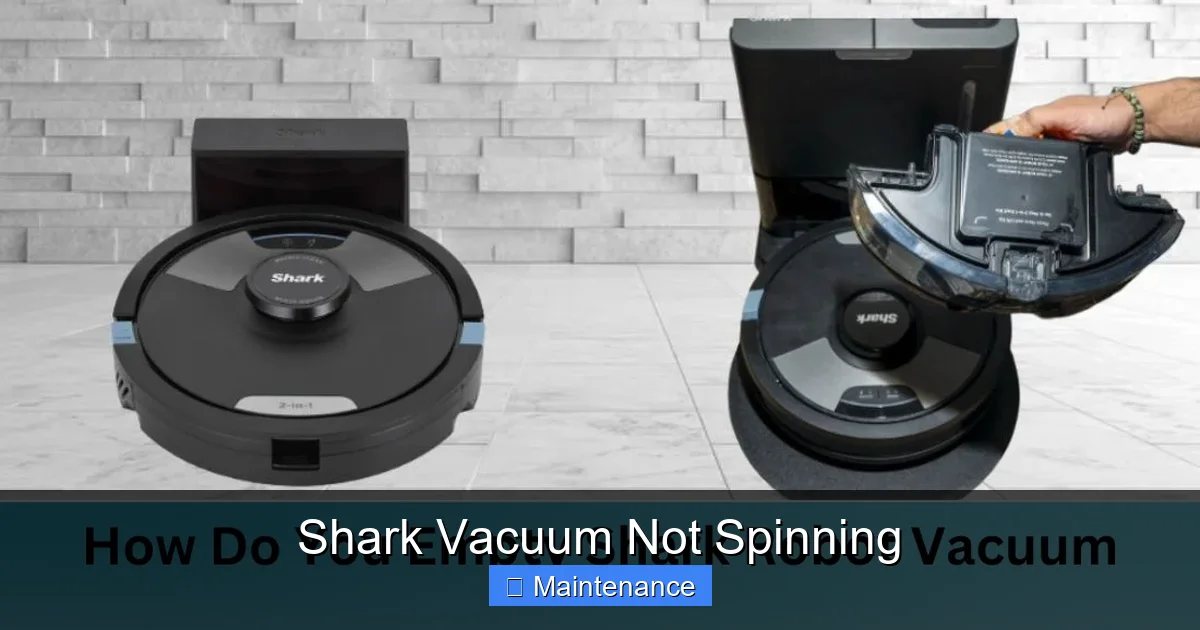
Before we start pulling things apart, it helps to understand the basic mechanics. When you turn on your Shark vacuum, the electric motor spins a small drive pulley. A rubber belt (the drive belt) loops around this pulley and around a larger pulley attached to the brush roll. As the motor spins, it turns the belt, which in turn spins the brush roll. This is a direct mechanical connection. If any link in this chain fails—the motor, the belt, or the brush roll itself—the spinning stops.
Visual guide about Shark Vacuum Not Spinning
Image source: sharkvacuum.blog
The brush roll itself is a simple assembly: a cylinder with bearings on each end that sits in a housing. It’s designed to be easily removable for cleaning. A key component is the auto-shutoff feature. Shark vacuums have a safety mechanism that detects if the brush roll is jammed. If it encounters too much resistance (like a thick rug or a major clog), it will automatically disengage the belt or shut down the motor to prevent damage. Sometimes, this feature can be triggered by a simple hair wrap. Understanding this system is the key to systematic troubleshooting.
The Usual Suspects: Top Reasons Your Brush Roll Isn’t Spinning
Let’s identify the most common causes, starting with the easiest and most likely to check first.
Visual guide about Shark Vacuum Not Spinning
Image source: sharkvacuum.blog
1. Clogs and Blockages
This is the number one reason for a loss of brush roll agitation. If the airflow pathway is blocked, the vacuum’s motor can’t maintain the power needed to spin the brush roll against carpet resistance, or a safety switch may disengage it. A clog can form anywhere from the brush roll housing itself back through the wand and hose.
- Where to look: The brush roll housing (the plastic casing around the brush roll), the connector between the hose and the housing, the wand, and the hose itself. Look for a wad of hair, carpet fibers, or a small object like a sock or paper towel.
- Tip: Use a flashlight. Detach the hose from the vacuum and look through it. Use a long, flexible brush or a straightened wire coat hanger (gently!) to dislodge stubborn clogs.
2. The Drive Belt is Broken, Slipped, or Worn
This rubber belt is the literal link between power and spin. Over time, it can stretch, crack, snap, or simply slip off its pulleys. A broken belt means the motor spins, but the brush roll gets zero power. A slipped belt might make a squealing noise or just be too loose to grip.
- Signs: You might hear the motor running but no brush roll sound. If you remove the brush roll housing and look, you’ll see the belt either hanging loose, missing, or visibly cracked/frayed.
- Replacement: Belts are inexpensive and easy to replace. You need to know your exact Shark model number (usually on a sticker on the back or bottom) to order the correct one.
3. The Brush Roll is Jammed or “Hair-Wrapped”
Long hair, pet fur, and string don’t just sit on the carpet—they wrap around the brush roll’s axle and bearings. When enough accumulates, it creates immense resistance, jamming the brush roll solid. The vacuum’s safety system may then shut down the brush roll motor circuit to prevent burnout.
- What it feels/sounds like: The motor might hum loudly, or the vacuum may shut off entirely. The brush roll won’t budge when you try to turn it by hand.
- Fix: You must cut the hair/string away. Use scissors or a utility knife, carefully slicing lengthwise along the brush roll. Never just pull, as this tightens the wrap. Remove the brush roll from the housing for easier access.
4. Tripped Thermal Reset Switch
Shark vacuums have a thermal fuse or reset button to protect the motor from overheating. If the vacuum ran too long on a clog, with a full bag/container, or on a thick carpet, this switch can trip, cutting power to the brush roll motor (and sometimes the main suction motor).
- Fix: This is critical. Unplug the vacuum immediately. Let it cool down completely for at least 45 minutes to an hour. Then, locate the reset button—it’s often a small red or black button on the back or bottom of the vacuum’s canister body. Press it firmly. You should hear a click. Plug it back in and try again.
5. Faulty Brush Roll Motor or Wiring
Less common, but possible. The small motor that spins the brush roll (separate from the main suction motor in many models) can burn out. Alternatively, the electrical wires that connect to the brush roll assembly can become frayed, disconnected, or shorted out from wear and tear or a major clog event.
- Diagnosis: If you’ve ruled out clogs, belt, and reset, and the brush roll spins freely by hand, the motor or its connection is the likely culprit. This is a more advanced repair.
Your Step-by-Step Troubleshooting Guide
Now, let’s get hands-on. Follow this sequence to efficiently diagnose the issue. Always unplug the vacuum before touching any internal parts.
Visual guide about Shark Vacuum Not Spinning
Image source: sharkvacuum.blog
Step 1: The Quick External Checks
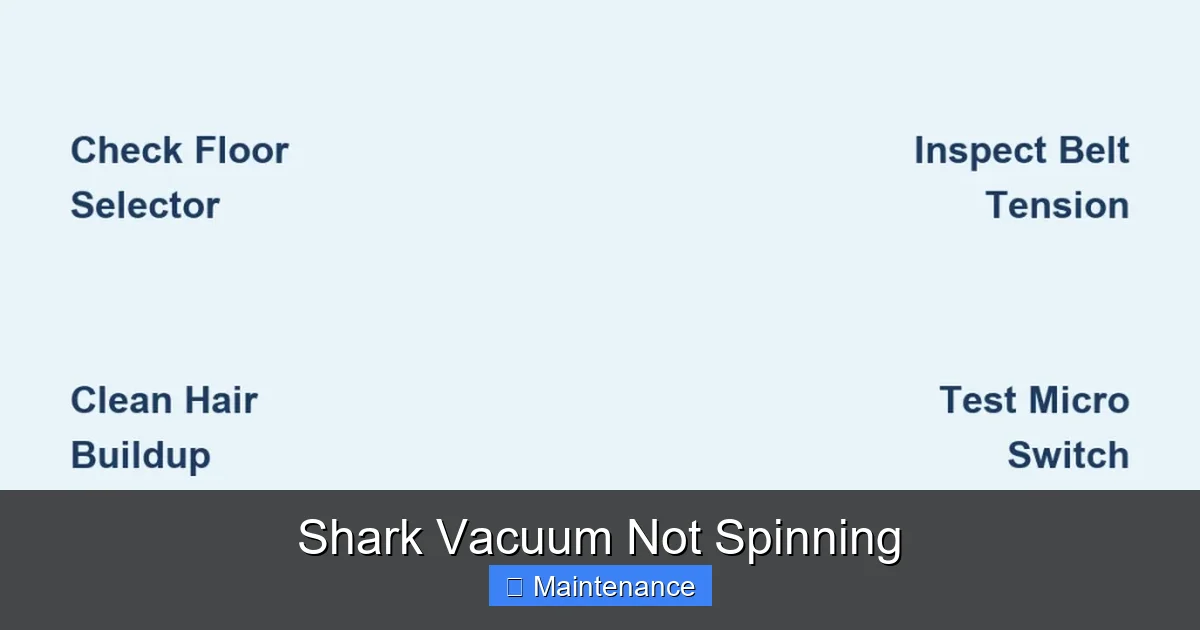
First, eliminate the simplest problems. Is the vacuum cleaner head properly attached to the wand? Is the wand securely attached to the hose? A poor connection can sometimes affect brush roll engagement. Is the power switch on the cleaner head (if your model has one) turned on? Some Shark models have a separate brush roll on/off button on the handle or cleaner head. Make sure it’s activated. Check your dust cup or bag—is it completely full? A full container can restrict airflow severely.
Step 2: Inspect and Clean the Brush Roll Housing
Lay the vacuum on its side. Locate the release levers (usually on the side or bottom of the cleaner head) and press them to remove the brush roll housing/cover. This gives you direct access to the brush roll and belt. Pull the brush roll straight out. Now, do two things:
- Manually spin the brush roll: Use your fingers to rotate it. Does it spin freely? If it’s stiff or doesn’t move, it’s jammed. If it spins smoothly, the jam is likely cleared or the issue is elsewhere.
- Visually inspect: Look for hair, string, carpet fibers, or even small items like buttons or LEGO pieces wrapped around the brush roll or caught in the bearings. Use scissors to meticulously cut away any debris. Clean the bristles with your fingers or a tool.
While you’re here, look at the belt. Is it present? Does it look intact, or is it broken, frayed, or oily? If it’s broken or missing, you’ve found your problem.
Step 3: Check and Replace the Drive Belt
If the belt is missing or damaged, you need a new one. To install it:
- With the brush roll removed, stretch the new belt over the motor pulley (the small one on the motor shaft inside the housing).
- Then, stretch the other side over the brush roll pulley (the larger one). It should fit snugly. You may need to twist the brush roll slightly to get the belt on.
- Reinsert the brush roll into its housing, ensuring the belt is properly seated on both pulleys and not twisted. The brush roll should spin freely when you turn it by hand.
- Reattach the housing cover securely.
Pro Tip: Take a photo of the belt routing before you remove the old one. It’s easy to forget how it loops.
Step 4: Perform the Thermal Reset
Even if you’ve cleared clogs, the motor might have overheated and tripped. After reassembling, if the brush roll still doesn’t spin, perform the reset. Unplug, wait 60 minutes, locate and press the reset button, then plug in and test. This step is often forgotten but solves many “sudden stop” issues.
Step 5: Test for Motor or Wiring Issues
If you’ve completed all steps above—clear housing, clean brush roll, install a new belt, reset—and the brush roll still doesn’t spin while the main suction motor runs, the fault likely lies with the brush roll motor or its wiring. At this point, you have two options:
- Advanced DIY: If you’re comfortable, you can open the main vacuum body (consult your manual first) to check the electrical connections to the brush roll motor. Look for disconnected plugs or burnt wires.
- Professional Repair: For most users, this is the point to contact Shark customer support (if under warranty) or a qualified small appliance repair shop. Diagnosing and replacing the brush roll motor requires more skill.
Model-Specific Considerations: Shark Navigator vs. Rotator vs. IZ
While the core principles are the same, the exact process for accessing the brush roll and belt varies. Here’s a quick overview:
- Shark Navigator &> Lift-Away: Typically, you lay the vacuum on its back. There are two levers on the underside of the cleaner head. Press them inward and pull the entire brush roll housing straight off. The belt is easily visible.
- Shark Rotator (including Pro & Powered Lift-Away): Often has a single release lever or tab on the top or side of the cleaner head. Press it and the entire front plate pops off, revealing the brush roll and belt. The Rotator’s brush roll is usually longer and may have a different belt routing.
- Shark Vertex & IZ Series: These can be trickier. The IZ (cordless) has a very different, often tool-less, brush roll removal. The Vertex may have a series of screws or a more complex latch system. Always consult your user manual for your specific model number. You can usually find a digital copy on the Shark website by entering your model number.
Remember: The model number is key. It’s on a sticker on the back of the vacuum’s canister, on the underside of the cleaner head, or on the original box. Use it to order exact replacement parts (belts, brush rolls) and to find the correct service manual online.
Preventive Maintenance: Keep That Brush Roll Spinning
An ounce of prevention is worth a pound of cure. Integrate these habits into your cleaning routine to avoid the “not spinning” problem altogether.
- Clean the Brush Roll After Every Few Uses: Especially if you have pets or long hair. Simply remove the housing and cut away any hair wrapped around the bristles. This takes 60 seconds and prevents major jams.
- Check and Empty the Dust Cup Frequently: Never let it get more than 2/3 full. A clogged cup reduces suction and strains the system.
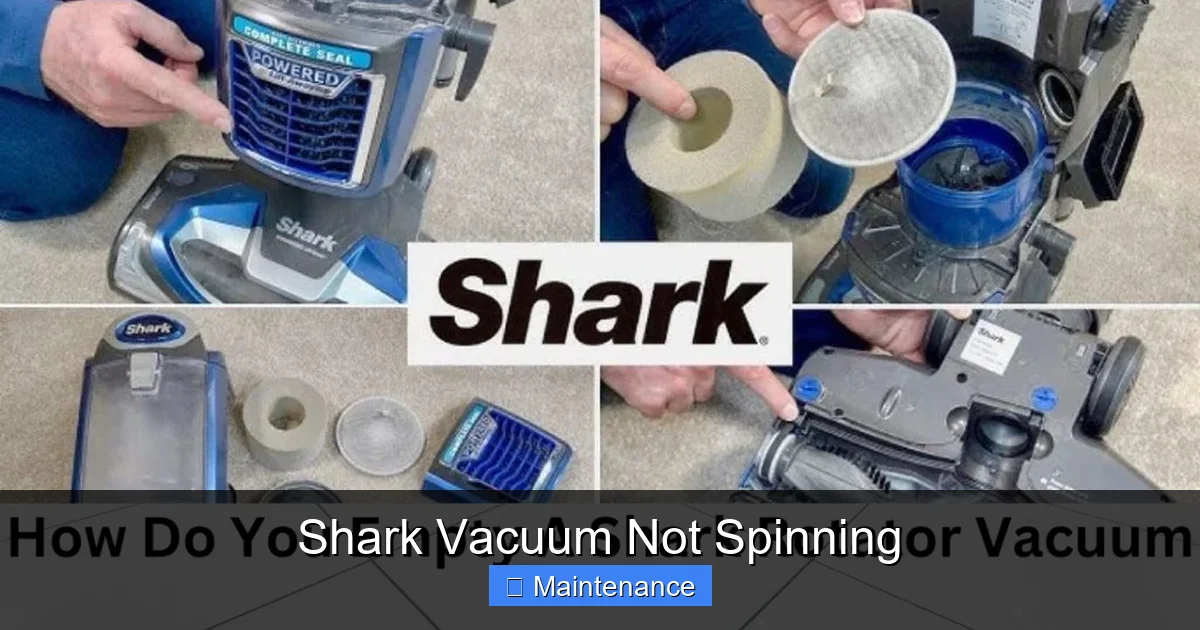
- Wash Your Filters Regularly: The pre-motor foam filter and post-motor HEPA filter (if your model has one) should be washed with cold water every 1-3 months (check your manual). Let them dry completely for 24 hours before reinserting. Clogged filters are a silent killer of suction and performance.
- Inspect the Belt Every 6 Months: When you’re cleaning the brush roll, pull the belt off and look at it. Is it cracked, stretched, or glazed (shiny)? Replace it preventatively. Belts are cheap; a snapped belt mid-clean is a nuisance.
- Avoid Certain Debris: Never vacuum up hard, small objects (coins, pins, paperclips), wet materials, or large amounts of fine dust (like from drywall sanding). These can clog the system or damage components.
When to Call It Quits and Seek Professional Help
You’ve been a DIY champion. You’ve cleared every clog, replaced the belt, reset the thermal switch, and cleaned the brush roll until it gleams. Yet, when you power it on, the brush roll remains stubbornly still while the suction motor hums. At this stage, the problem is likely internal and electrical.
Signs it’s time for a pro:
- A burning smell coming from the vacuum.
- The vacuum turns itself off after a few seconds, even when empty and unclogged.
- You’ve verified the brush roll motor itself is not receiving power (this requires a multimeter to test).
- The vacuum is still under its original manufacturer’s warranty. Contact Shark customer service first—they may ship you a replacement part or authorize a repair.
For a vacuum that was a significant purchase, a professional diagnosis can be worthwhile. They can test the motor, wiring harness, and control board. Sometimes, the cost of repair approaches the price of a new mid-range Shark, so weigh your options.
Conclusion: You’ve Got This!
A Shark vacuum with a non-spinning brush roll is a frustrating, but almost always fixable, problem. By following this structured approach—starting with simple clogs and reset buttons, moving to the belt and brush roll jam, and finally considering motor failure—you can diagnose and resolve the issue yourself in under 30 minutes. The key is systematic troubleshooting. Don’t just start taking screws out; methodically eliminate the most common causes first.
Your Shark vacuum is a powerful, engineered machine designed for longevity. With regular preventive maintenance—cleaning the brush roll, emptying the cup, washing filters, and inspecting the belt—you’ll keep it performing at its peak for years. That satisfying spin of the brush roll is a sign of a healthy machine doing its job. Now, go forth, apply this knowledge, and get back to enjoying truly clean carpets. Your vacuum’s best days are still ahead of it.
Frequently Asked Questions
Why does my Shark vacuum’s brush roll stop spinning after a few minutes of use?
This is often a thermal issue. The brush roll motor likely overheated due to a partial clog, a full dust cup, or a jammed brush roll. The thermal reset switch tripped. Unplug the vacuum, let it cool for an hour, clean out any debris, press the reset button, and try again.
My Shark vacuum’s brush roll spins but has no bristle action on carpet. What’s wrong?
If the brush roll is spinning but you feel no agitation, the drive belt is likely the issue. It may be stretched, worn smooth, or slipping on the motor pulley. A new, tight-fitting belt is needed to transfer enough power from the motor to the brush roll to agitate carpet fibers effectively.
How do I know if the brush roll motor is bad?
After confirming the brush roll spins freely by hand, the belt is new and properly installed, the reset button has been pressed, and there are no clogs, the motor is the likely culprit. A definitive test requires using a multimeter to check for continuity/voltage at the motor’s electrical contacts. Without tools, the main symptom is a running suction motor with a completely dead brush roll despite all other fixes.
How often should I replace the brush roll belt on my Shark?
As a preventive measure, inspect your belt every 3-6 months. Replace it at the first sign of cracks, stretching, glazing (a shiny surface), or if it slips. Under normal use, a belt can last 6-12 months. If you have pets or vacuum very thick carpet, you may need to replace it more frequently.
Can I use my Shark vacuum if the brush roll isn’t spinning?
Technically yes, for hard floors only. The vacuum will still suction debris from bare surfaces. However, you should not use it on carpet, as you’ll get very poor cleaning results. More importantly, continuing to run the vacuum with a jammed brush roll or broken belt can strain the motor and cause further damage. Fix the issue before using it on carpet again.
Is it worth repairing a Shark vacuum with a non-spinning brush roll?
Almost always, yes. The repair is typically a $10-$25 belt or a 15-minute cleaning job. Even a brush roll motor replacement part is often under $50. Unless the vacuum is very old or has multiple simultaneous failures, the cost of a professional repair is usually far less than buying a new comparable Shark model. Always check warranty status first.