A Shark vacuum brush not spinning is a common but usually fixable issue. The problem often stems from simple clogs, a broken or slipped drive belt, or a tripped reset button. Start by turning off and unplugging the vacuum, then inspect the brush roll for hair and debris. If that’s clear, check the belt and reset the vacuum. Regular maintenance, like cleaning the brush roll monthly, prevents most issues. For persistent problems, the motor or internal components may need professional repair.
You’re in the middle of cleaning your living room. You push your trusty Shark vacuum across the carpet, but something feels… off. The suction seems weak, and that satisfying whir of the brush roll agitating dirt is suspiciously quiet. You look down and see it: the Shark vacuum brush not spinning. Panic sets in. Is it broken for good? Will you have to buy a new one? Before you resign yourself to a costly replacement or a life of dragging a useless machine around, take a deep breath. This is one of the most common issues with Shark vacuums, and in the vast majority of cases, it’s a problem you can solve yourself with a little patience and some basic troubleshooting. The brush roll—that cylindrical brush at the front of your vacuum—is the workhorse for deep carpet cleaning. When it stops, your vacuum’s primary function is crippled. But don’t worry. This guide will walk you through every possible cause, from the simplest hair wrap to more complex internal failures. We’ll use plain language, step-by-step instructions, and practical tips you can use right now. Let’s get that brush spinning again.
Key Takeaways
- Unplug First: Always disconnect the vacuum from power before inspecting or cleaning the brush roll to ensure safety.
- Check for Clogs: Hair, string, and carpet fibers are the #1 cause of a jammed brush roll; a thorough cleaning often solves the problem.
- Inspect the Drive Belt: A broken, stretched, or slipped belt will disconnect the motor’s power from the brush roll.
- Use the Reset Button: Many Shark models have a thermal reset button on the motor housing; pressing it can restore function after an overload.
- Clean Filters Regularly: Clogged filters reduce suction and can cause the motor to overheat, shutting down the brush roll.
- Know Your Model: Brush roll removal and belt access vary by Shark series (Navigator, Rotator, Vertex, etc.); consult your manual.
- Seek Professional Help for Motors: If the brush roll and belt are fine but it still won’t spin, the motor or wiring may be faulty and require expert repair.
📑 Table of Contents
- Understanding the Heart of the Problem: How Your Shark’s Brush Roll Works
- Immediate Troubleshooting: Your Step-by-Step First Response
- Deep Dive Maintenance: Beyond the Basics
- Model-Specific Quirks and Common Failure Points
- When to Call a Professional: Recognizing Your Limits
- Prevention is Key: A Maintenance Schedule to Keep Brushes Spinning
- Conclusion: You’ve Got This
Understanding the Heart of the Problem: How Your Shark’s Brush Roll Works
Before we start taking things apart, it helps to understand what makes the brush roll spin. It’s not magic; it’s a simple but effective mechanical system. The vacuum’s motor creates suction. That same motor, or a separate motor in some models, also powers a small belt drive system. A rubber belt loops around a shaft connected to the motor and the brush roll itself. When the motor runs, it turns the belt, which in turn spins the brush roll at high speed. Anything that interrupts this chain—a clog, a broken belt, a seized bearing, or a tripped safety mechanism—will stop the brush. Knowing this helps you diagnose the issue logically. Is power reaching the motor? Is the belt intact and connected? Is the brush roll itself free to turn? We’ll answer all these questions.
The Role of the Drive Belt
The drive belt is the critical link. It’s a wear-and-tear item, typically made of rubber. Over time, it can stretch, crack, or even snap entirely. If it’s loose or broken, the motor might hum, but the brush roll stays still. In some Shark models, the belt can also slip off its track if the brush roll is jammed or if the belt is worn. Visually inspecting this belt is a mandatory step in our troubleshooting process.
The Reset Button and Thermal Protection
Shark vacuums are equipped with safety features. If the motor overheats—often due to clogged filters, a jammed brush roll, or full dust cups—a thermal switch will trip, cutting power to the brush roll motor (and sometimes the main suction motor) to prevent damage. This is a common reason for a sudden stop. The good news? Many models have a visible, accessible reset button you can press to restore function after the vacuum cools down.
The Brush Roll Itself: Bearings and Hair Wrap
The brush roll is a simple spindle with bristles and bearings at each end. These bearings allow it to spin smoothly. When hair, string, or carpet fibers wind tightly around the ends and the core, they create immense resistance. The motor strains, the belt might slip or break, and eventually, the system shuts down or the brush just won’t turn. This is the most frequent culprit, especially in homes with pets or long hair.
Immediate Troubleshooting: Your Step-by-Step First Response
When you discover your Shark vacuum brush not spinning, follow this exact sequence. It’s designed to start with the fastest, easiest, and safest checks before moving to more involved steps. Always, always unplug the vacuum before touching any internal parts.
Visual guide about Shark Vacuum Brush Not Spinning
Image source: sharkvacuum.blog
Step 1: The Visual and Manual Check
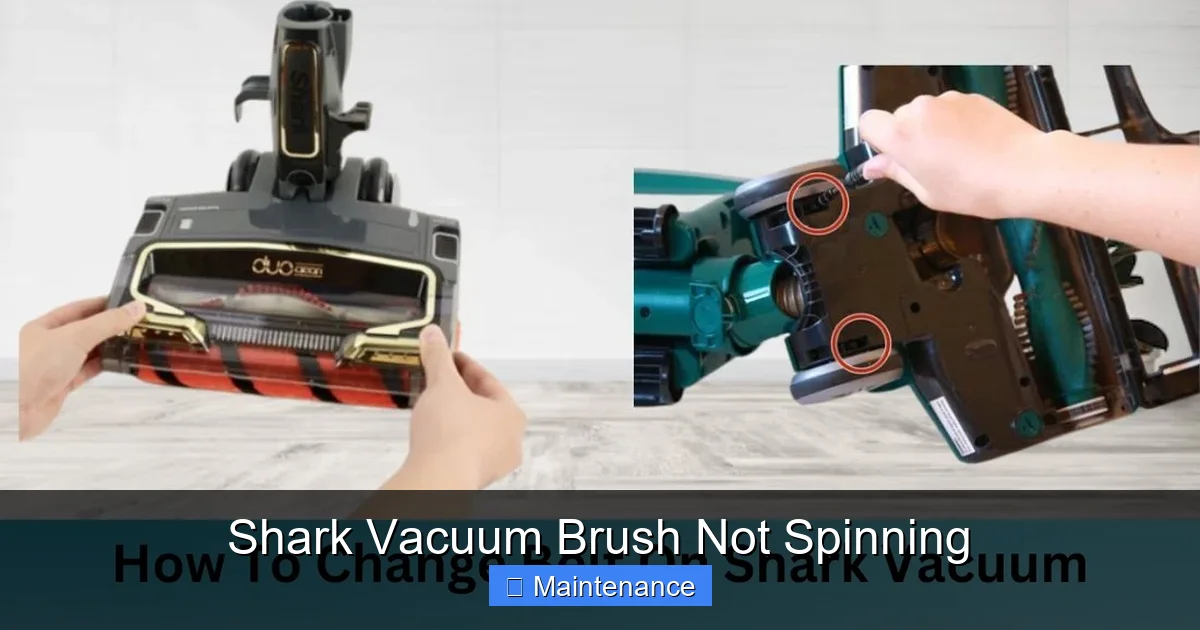
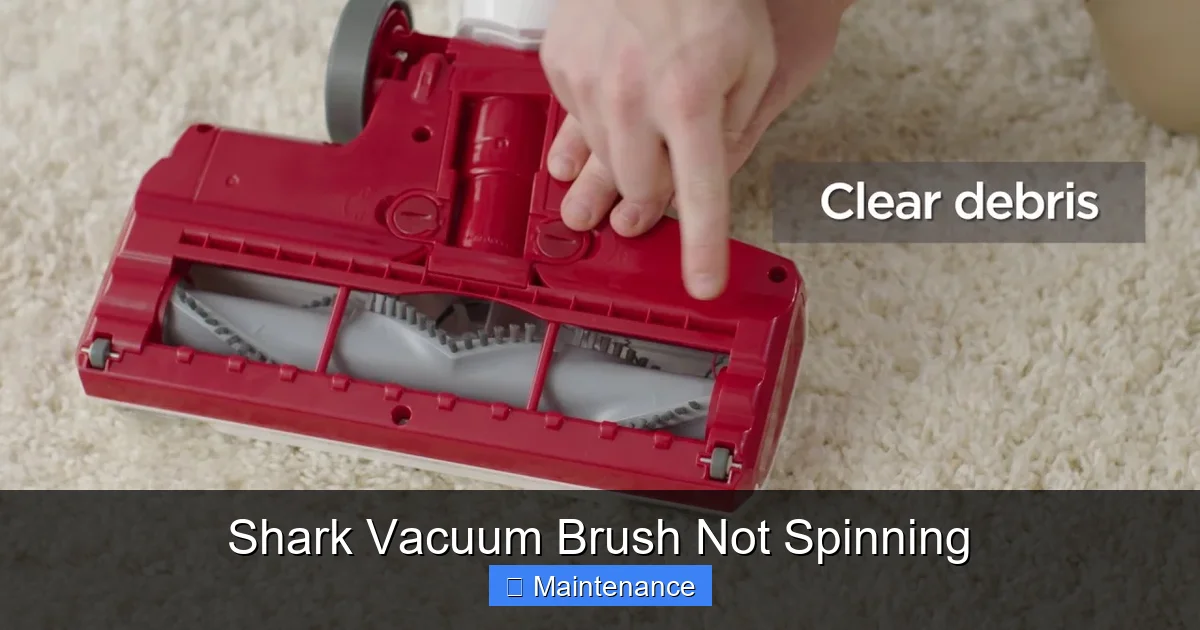
Flip the vacuum over. Look directly at the brush roll. Can you see obvious clumps of hair, string, or carpet fiber wrapped around it? Use a pair of scissors or a seam ripper to carefully cut any visible wraps. Do not use your fingers; the bristles can be sharp. Once you’ve removed surface debris, try to spin the brush roll by hand. Does it move freely? Or is it stiff, gritty, or completely locked? If it’s stiff, the problem is likely at the bearing ends. Proceed to the next step for a full clean-out.
Step 2: Removing and Deep Cleaning the Brush Roll
This is the single most effective fix. On most Shark models, you remove the brush roll by pressing two release tabs on the bottom plate and sliding the brush roll out. Consult your manual if you’re unsure. Once removed, use scissors and a cleaning tool (even a dedicated brush roll cleaning tool works great) to meticulously remove every last bit of hair and fiber from the bearings, the end caps, and the core. Hair can compress and bind inside the bearing housing, so you must get it all. After cleaning, spin the brush roll by hand. It should rotate smoothly and silently. If it’s still gritty or noisy, the bearings may be permanently damaged and the brush roll itself needs replacement.
Step 3: Inspecting the Drive Belt and Pulley
With the brush roll out, you’ll see the belt. It’s a loop of rubber running from a small motor pulley to a larger pulley on the brush roll. Check its condition: Is it intact, without cracks or fraying? Is it properly seated on both pulleys? A common mistake is that when the brush roll is jammed, the belt can jump off the motor pulley. Simply slipping it back on may fix the issue. If the belt is broken, stretched, or glazed (shiny and smooth), it needs replacement. Shark uses specific belts for each model series. Note your model number (usually on the back or bottom) and order the correct replacement.
Step 4: Locating and Pressing the Reset Button
Find your vacuum’s model number. Search online for “[Your Shark Model] reset button location.” It’s typically a small red or black button on the motor housing, often near the power cord or on the back. With the vacuum unplugged, press this button firmly until you feel it click. Wait 30 seconds, plug the vacuum back in, and try using it. This solves the problem instantly if a thermal overload was the cause. If the button trips again immediately, you have a deeper issue (like a persistent clog or failing motor) that needs addressing.
Step 5: Checking Filters and Airflow
A severely clogged filter or a full dust cup can restrict airflow so much that the motor labors and overheats, triggering the reset or simply losing power to the brush roll. Remove and clean or replace all filters (pre-motor, post-motor, and foam filters if applicable). Empty the dust cup completely. Ensure all air pathways are clear. This step is about ensuring the motor can breathe and run cool.
Deep Dive Maintenance: Beyond the Basics
If the immediate steps didn’t solve your Shark vacuum brush not spinning dilemma, it’s time for a deeper investigation. We’re moving from user-serviceable parts to components that may require more comfort with tools or a professional eye.
Visual guide about Shark Vacuum Brush Not Spinning
Image source: i.ytimg.com
Examining the Brush Roll Bearings and End Caps
Even after cleaning, the brush roll might not spin freely. The culprit is often the bearings inside the plastic end caps. Over time, hair and dust infiltrate these sealed bearings, creating grit. You can sometimes disassemble the end caps (they may screw or pop off) to clean the bearings directly with rubbing alcohol. However, this is a delicate process. If the bearings are pitted or corroded, the entire brush roll assembly should be replaced. A new brush roll is often an affordable fix.
Assessing the Motor and Wiring
If the brush roll spins freely by hand, the belt is intact and on its pulleys, the reset button holds, and filters are clean, the fault may lie with the brush roll motor itself or its wiring. Listen carefully when you turn the vacuum on. Do you hear a faint humming from the brush roll area? If you do, but the brush doesn’t turn, the motor might be getting power but is seized (a failed motor). If you hear nothing at all from that area, the power might not be reaching it due to a broken wire or a failed switch. Diagnosing this requires a multimeter and electrical knowledge. For most users, this is the point to call Shark customer support or a qualified appliance repair technician.
The Idler Pulley and Tension System
Some Shark models use an idler pulley or a spring-loaded tension arm to keep the belt tight. If this mechanism breaks, jams, or the spring loses tension, the belt will slip. Inspect this assembly for cracks or broken parts. It’s usually located near the brush roll pulley. If damaged, the tension assembly needs replacing.
Model-Specific Quirks and Common Failure Points
While the core principles are universal, some Shark series have known weak points. Knowing yours can save you time.
Visual guide about Shark Vacuum Brush Not Spinning
Image source: i.ytimg.com
Shark Navigator & Rotator Series
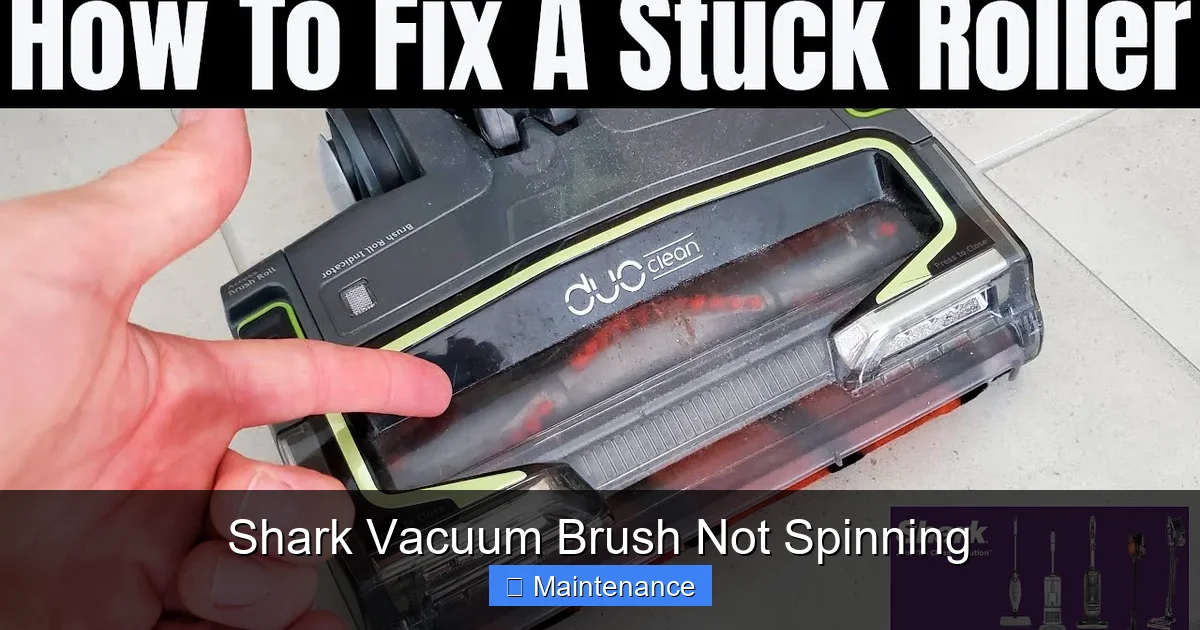
These popular uprights are notorious for hair wrap due to their powerful brush roll design. The reset button is usually on the back, near the handle. The belt is often easy to access and replace. A common issue is the belt slipping off the motor pulley after a jam; simply re-seating it frequently works.
Shark Vertex & IZ Series
These newer models often have a more complex brush roll removal process, sometimes requiring a screwdriver. They also feature “DuoClean” with two brush rolls. If one stops, both can be affected. Check both brush rolls and their respective belts. The reset button may be less obvious.
Shark Handheld & Stick Vacuums (e.g., SV780, HV322)
In stick vacs, the brush roll motor is often integrated into the brush head itself. A jam can cause the entire head to overheat and shut down. These models may not have a user-accessible reset button. Cleaning the brush roll is even more critical here. Also, check the electrical contacts where the head connects to the wand; dirt or damage here can interrupt power.
When to Call a Professional: Recognizing Your Limits
DIY repair is satisfying and cost-effective, but there is a line. It’s important to know when to stop and seek expert help to avoid causing more damage or safety risks.
Signs of Motor Failure
If you’ve verified the brush roll spins freely, the belt is perfect, and power is reaching the brush roll motor (you might hear a faint buzz), but it still doesn’t turn, the motor windings are likely burnt out. Symptoms include a burning smell, excessive heat from the motor housing, or a completely dead response. Motor replacement is a more complex job involving soldering or connector replacement. A pro can do this efficiently and test the motor’s resistance.
Electrical and Wiring Issues
Diagnosing a broken wire inside the handle or a faulty switch requires tracing circuits. If you’re not comfortable with this, a technician has the tools and schematics to find the break quickly. An intermittent problem (it works sometimes) often points to a loose connection.
Warranty Considerations
Check your Shark vacuum’s warranty status. If it’s still covered, opening the machine yourself might void it. Contact Shark customer service first. They may offer troubleshooting, send you a free part (like a brush roll or belt), or authorize a repair at an authorized service center. This is often the best path for newer vacuums.
Prevention is Key: A Maintenance Schedule to Keep Brushes Spinning
The best fix is the one you never need. A simple, regular maintenance routine will keep your Shark vacuum brush spinning reliably for years.
After Every Use: Quick Blow-Out
Get in the habit of using the crevice tool or a can of compressed air to blast loose hair and debris from the brush roll and the bottom plate crevices. This takes 30 seconds and prevents the slow accumulation that leads to jams.
Weekly: Visual Inspection
Look at the brush roll. If you see hair starting to wrap, cut it now before it binds. Check the dust cup and empty it if it’s more than half full.
Monthly: Deep Clean
Remove the brush roll and give it a thorough cleaning as described earlier. Wash or replace your filters according to the manual (most foam filters can be washed, paper filters must be replaced). Check the belt for signs of wear.
Seasonally: Full Check-Up
Do a complete inspection. Remove the bottom plate and clean all internal pathways. Check the drive belt’s tension and condition. Inspect the wheels and hose for blockages. This proactive care extends the life of every component.
Conclusion: You’ve Got This
A Shark vacuum brush not spinning feels like a major failure, but it’s almost always a minor, fixable issue. The vast majority of the time, the solution is a thorough cleaning of the brush roll and the removal of hair wrap. From there, checking the belt, using the reset button, and ensuring clean filters will solve most other cases. By understanding the simple mechanics at play—motor, belt, brush roll—you empower yourself to be your own vacuum repair technician. Adopt the maintenance schedule outlined here, and you’ll enjoy a fully functional Shark vacuum for years, with powerful brush agitation that lifts embedded dirt from your carpets. Remember: unplug first, inspect carefully, and don’t hesitate to consult your manual or Shark’s support resources. Now, go grab those scissors and get that brush spinning!
Frequently Asked Questions
What is the first thing I should do if my Shark vacuum brush isn’t spinning?
Always unplug the vacuum immediately for safety. Then, flip it over and visually inspect the brush roll for hair, string, or carpet fiber wraps. Use scissors to carefully cut and remove any debris you see. This simple step resolves most issues.
How do I properly clean the brush roll on my Shark vacuum?
Locate the release tabs on the bottom plate and remove the brush roll. Use scissors and a dedicated cleaning tool to meticulously remove all hair and fibers from the bristles, core, and especially the bearing end caps. Spin it by hand to ensure it moves freely before reinstalling.
Is a broken drive belt covered under the Shark warranty?
Typically, wear-and-tear parts like drive belts are not covered under the standard limited warranty, as they are considered consumables. However, warranty terms vary. Contact Shark customer service with your model and serial number to confirm your specific coverage.
How much does it cost to replace a Shark vacuum brush roll?
An official Shark replacement brush roll assembly typically costs between $25 and $50, depending on the model. This is a far more affordable fix than replacing the entire vacuum and is a very common user-replaceable part.
What are the signs that the brush roll motor has failed?
Signs include: the brush roll spins freely by hand, the belt is intact and on its pulleys, you hear a faint humming or buzzing from the brush area but it doesn’t turn, or you smell a burning odor. These indicate the motor itself has burned out and needs professional replacement.
Where is the reset button on my Shark vacuum?
The location varies by model. It’s usually a small red or black button on the motor housing, often on the back near the power cord or handle base. Search online for “[Your Exact Shark Model Number] reset button” for a precise location and image.