Is your Shark TruePet vacuum (model NV75231) suddenly refusing to spin its brush roll? This frustrating issue is almost always fixable without a costly repair. The problem typically stems from a clogged brush roll, a broken or stretched drive belt, a tripped motor overload, or a worn-out brush roll motor. This guide provides a detailed, step-by-step troubleshooting process to diagnose and resolve the “not spinning” problem, empowering you to get your pet hair vacuum back in action quickly and safely.
You’re in the middle of cleaning up after your beloved furry friend. You turn on your trusty Shark TruePet vacuum, model NV75231, and you hear the motor running—that familiar, powerful whir. But something’s wrong. The vacuum is pushing across the floor, but the iconic self-cleaning brush roll, the very heart of its pet hair fighting power, is stubbornly still. No rotation. No agitation. Just a useless push of debris ahead of it. The panic sets in. That expensive vacuum, specifically designed for pet owners, has seemingly given up its most critical function. Before you despair or call an expensive repair service, take a deep breath. The Shark TruePet vacuum not spinning NV75231 issue is one of the most common—and most fixable—problems owners face. In this comprehensive, 2500+ word guide, we will walk you through every possible cause, from the incredibly simple to the more complex. We’ll provide clear, safe, step-by-step instructions, practical tips you won’t find in the manual, and the knowledge you need to diagnose and repair this issue yourself. Let’s get that brush roll spinning again and reclaim your clean home.
Key Takeaways
- Safety First: Always unplug the vacuum before any inspection or repair to prevent electric shock and injury from moving parts.
- Most Common Culprit: A jammed brush roll packed with hair, string, or carpet fibers is the #1 reason for a non-spinning brush roll on the Shark NV75231.
- Belt Failure is Frequent: The drive belt connecting the motor shaft to the brush roll can stretch, slip off, or break, disengaging power transmission.
- Check the Reset Button: The Shark NV75231 has a built-in thermal overload protector. A simple press of the reset button (usually on the back or underside) often solves the issue after a motor overheat.
- Motor Failure is Rare: While possible, a completely failed brush roll motor is less common than clogs or belt issues. Diagnose other causes first before assuming motor failure.
- Prevention is Key: Regular cleaning of the brush roll and suction path after every few uses is the single best way to prevent the “not spinning” problem.
- Part Availability: Genuine Shark NV75231 brush rolls, belts, and other parts are readily available online, making most repairs affordable and DIY-friendly.
📑 Table of Contents
- Understanding Your Shark NV75231: How the Brush Roll Spins
- Diagnostic First Steps: The Quick & Easy Checks
- Deep Dive: The Brush Roll & Belt Inspection
- Advanced Troubleshooting: When the Belt & Roll Are Fine
- When to Consider Professional Repair or Replacement
- Preventive Maintenance: Keeping Your NV75231 Spinning
- Conclusion: You’ve Got This!
Understanding Your Shark NV75231: How the Brush Roll Spins
Before we start taking things apart, it’s crucial to understand the basic mechanical system that makes the brush roll on your Shark NV75231 turn. This isn’t magic; it’s a simple but effective transfer of power. Knowing how it works will make troubleshooting infinitely easier.
The Power Transfer Chain
When you plug in and switch on your Shark TruePet, electricity flows to the main vacuum motor. This motor has two jobs: 1) to create suction through the fan, and 2) to spin the brush roll. The NV75231 uses a belt-driven system. A small motor pulley on the brush roll motor shaft connects via a rubber drive belt to a larger pulley attached to the brush roll itself. When the motor spins, it turns the pulley, which tightens and rotates the belt, which in turn spins the brush roll pulley and the bristles. If any link in this chain is broken, the brush roll stops.
Key Components to Know
- The Brush Roll: The cylindrical roller with bristles (or a rubber strip on some models) that agitates carpet fibers to loosen embedded pet hair and dander.
- The Drive Belt: A crucial, often overlooked rubber band-like part. Shark NV75231 typically uses a specific, notched “V-belt” or flat belt. It can stretch, slip, or snap over time.
- The Brush Roll Motor: A smaller, dedicated motor that powers the brush roll. It has its own thermal overload protector to prevent burnout.
- The Pulleys: The wheels (motor and brush roll) that the belt rides on. They can become worn, wobbly, or clogged with debris.
- The Brush Roll Housing: The entire assembly that holds the brush roll, belt, and sometimes the motor. It’s what you detach from the vacuum body to clean.
A failure in any of these components—or a blockage preventing the brush roll from turning freely—will result in a non-spinning brush roll. Our diagnostic journey will check each of these in order of likelihood and ease of access.
Diagnostic First Steps: The Quick & Easy Checks
Don’t grab a screwdriver yet! Many “not spinning” issues are resolved in under 60 seconds with these simple, non-invasive checks. Always perform these first.
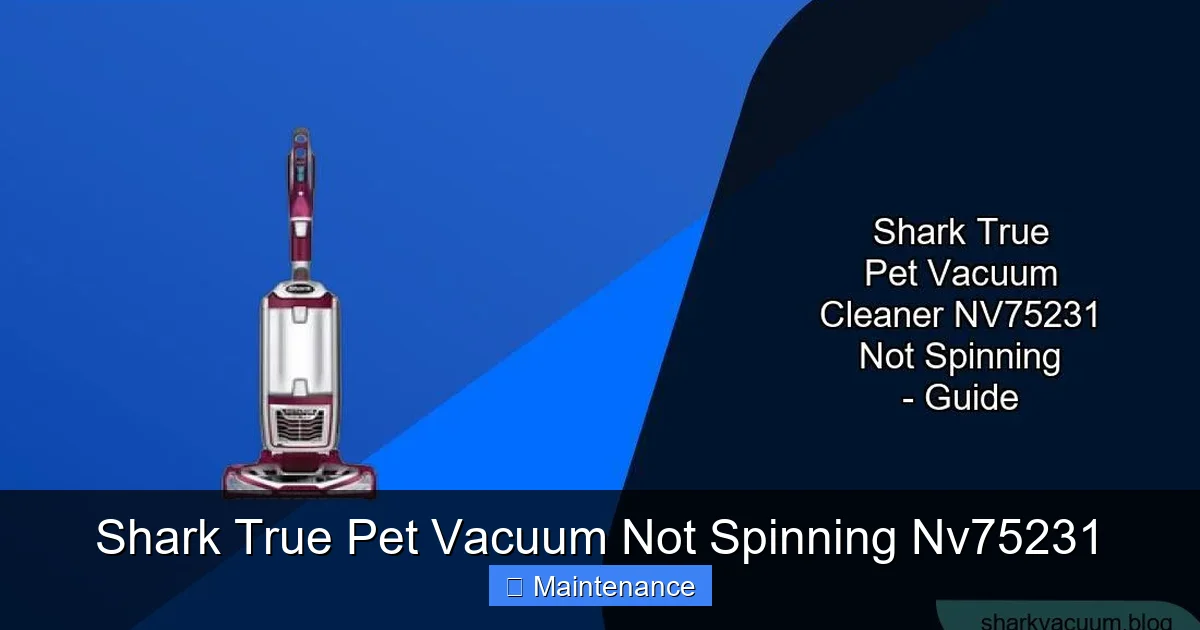
Visual guide about Shark True Pet Vacuum Not Spinning Nv75231
Image source: sharkvacuum.blog
1. The Overload Reset Button
Shark vacuums, including the NV75231, are equipped with a safety feature: a thermal overload switch in the brush roll motor. If the motor gets too hot—from excessive drag on a jammed brush roll or prolonged use on thick carpet—it will automatically shut off to prevent damage. The motor will cool, but the reset button must be manually pressed to restart it.
How to Find & Use It: The reset button is usually a small, red or black button located on the back or bottom of the vacuum’s main body, or sometimes on the brush roll housing itself. It may be recessed. With the vacuum unplugged, press this button firmly until you feel it click. Plug the vacuum back in and try the brush roll again (you can test on a low-pile rug with the vacuum upright). This solves a surprising number of “sudden death” brush roll issues.
2. The Obvious Jam: Hair & Fibers
This is, by far, the most common cause. The brush roll bristles are fantastic at grabbing pet hair, but they are also fantastic at becoming a tangled, matted nest of hair, string, carpet fibers, and even small pieces of clothing (like socks!). This creates immense drag on the motor and belt, causing the motor to stall or the belt to slip.
How to Inspect: Flip the vacuum over. Look at the brush roll through the opening on the floor head. Can you see the bristles? Or is it a solid mass of dark material? Use a seam ripper, scissors, or a dedicated brush roll cleaning tool (often included with Shark vacuums) to carefully cut and pull away all debris. You must rotate the brush roll by hand (with the vacuum unplugged!) to clean the entire circumference. Pay special attention to the ends where the bearings sit; hair packed here can seize the roll completely.
3. Suction Path Blockage
While a clog in the main suction pathway (wand, hose, or bin) won’t directly stop the brush roll from spinning if the motor is engaged, severe clogs can reduce overall motor performance and airflow. On some models, a significant drop in suction can sometimes correlate with reduced brush roll torque, though it’s less common. Still, it’s a quick check. Detach the hose and wand, look through them for obstructions, and ensure the air path from the brush roll housing to the dust cup is clear.
Deep Dive: The Brush Roll & Belt Inspection
If the quick checks didn’t solve the problem, it’s time to get hands-on. The vast majority of remaining issues are found here.
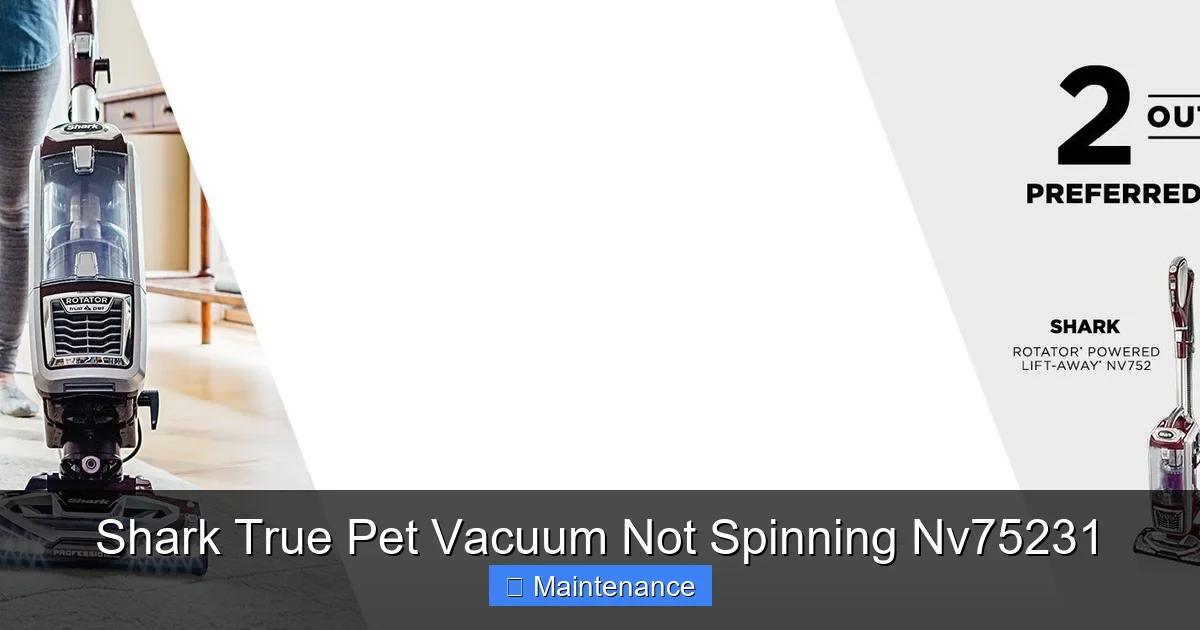
Visual guide about Shark True Pet Vacuum Not Spinning Nv75231
Image source: i.pinimg.com
How to Access the Brush Roll on Your NV75231
The Shark NV75231 TruePet features a easily removable brush roll housing. Lay the vacuum on its side or front. On the underside of the floor nozzle, you’ll see a release lever or latch (often red). Press or slide it, and the entire brush roll housing will pop off or slide out. This gives you full access to the brush roll and belt without tools on many models. Consult your manual for the exact mechanism, but it’s designed for user-friendly maintenance.
Inspecting the Brush Roll Itself
Once the housing is off, pull the brush roll straight out. It’s held by two plastic end caps. Before you do anything, spin the brush roll by hand. It should rotate freely and smoothly for several seconds with a slight whirring sound. If it’s stiff, gritty, or doesn’t spin at all:
- Check for Debris: You may have missed hair packed into the bearings at each end. Use a small screwdriver or awl to pick out packed fibers from these cavities.
- Check for Wear: Look at the bearings (the plastic pieces on each end that rotate inside the housing). Are they cracked, melted, or missing chunks? Are the metal shafts inside them bent? A damaged bearing will seize. The entire brush roll assembly is often sold as a single part (part number NV75231-BR) and is designed for easy replacement.
Inspecting & Replacing the Drive Belt
With the brush roll removed, the belt will be either loose on the motor pulley or still looped around the brush roll pulley. Here’s what to look for:
- Is it there? Sounds silly, but a belt can completely jump off or break and fall into the housing.
- Condition: Stretch the belt gently. It should be taut but elastic. Look for cracks, glazing (shiny, hardened surface), or thinning. A stretched or worn belt will slip on the pulleys and not transmit power.
- Fit: It should sit snugly in the pulley grooves on both the motor shaft and the brush roll. A loose fit means slippage.
Replacement is Simple: To replace, loop the new belt around the brush roll pulley first, then stretch it over the motor pulley. It’s easier to put the brush roll back into the housing with the belt already on it. Ensure the belt is seated properly in both pulley grooves before reinstalling the housing. Genuine Shark belts for the NV75231 are inexpensive and ensure correct size and tension.
Advanced Troubleshooting: When the Belt & Roll Are Fine
You’ve confirmed a clean, freely spinning brush roll and a new, perfectly fitted belt. The brush roll still doesn’t spin. Now we move to the power source: the motor and its connections.
Visual guide about Shark True Pet Vacuum Not Spinning Nv75231
Image source: i.pinimg.com
The Brush Roll Motor & Its Connections
The brush roll motor is a separate unit from the main suction motor. It’s usually located near the brush roll housing, connected by a small electrical harness. Check these points:
- Electrical Connector: With the housing off, locate the small plastic plug that connects the brush roll motor to the vacuum’s wiring harness. Unplug it and inspect the pins for corrosion, dirt, or bent contacts. Re-seat it firmly.
- Motor Brushes (Less Common): Some Shark motors have accessible carbon brushes that wear down. On the NV75231, accessing these is more involved and typically not a first-line fix, but if you’re comfortable, you can consult a service manual to check for worn brushes (they are short, usually under 1/4 inch).
Pulley Problems
Inspect both pulleys closely.
- Motor Pulley: Is it securely attached to the motor shaft? It can sometimes become loose and spin freely on the shaft without turning the motor itself. Check for wobble.
- Brush Roll Pulley: Is it cracked or damaged? Is it securely attached to the brush roll shaft? A stripped pulley will spin on the shaft without turning the brush roll.
- Pulley Bearings: Spin each pulley by hand. They should rotate smoothly on their own bearings. A gritty or stuck pulley creates drag.
When to Consider Professional Repair or Replacement
After exhausting the steps above, you may have a failed component. Here’s how to decide your next move.
Diagnosing a Failed Brush Roll Motor
If you have a known-good, identical brush roll and belt installed, and the motor doesn’t engage (you might hear a faint click or hum from the motor area but no rotation), the motor is likely faulty. Testing it usually requires a multimeter to check for continuity, which is beyond the scope of a typical DIYer. At this point, you have two choices:
- Replace the Motor: Shark NV75231 brush roll motors are available as replacement parts. The repair involves unbolting the old motor and installing the new one, which is moderately difficult but doable with patience and tools. Weigh the cost of the part (~$30-$50) against the cost of a professional repair call.
- Replace the Vacuum: If the vacuum is older, has other issues, or the repair cost approaches 50% of a new Shark TruePet’s value, replacement may be more economical.
Warranty Considerations
Check your warranty status. The Shark NV75231 typically comes with a limited warranty (e.g., 5 years on the motor, 1 year on other parts). If your vacuum is still within the warranty period and the issue is a manufacturing defect, Shark may cover the repair or part. However, warranty often does not cover damage from normal wear and tear, clogs, or user error. Have your serial number ready before calling.
Preventive Maintenance: Keeping Your NV75231 Spinning
The best repair is the one you never need. Incorporate these habits to extend the life of your Shark TruePet and ensure the brush roll always spins.
The Post-Cleaning Ritual
After every 2-3 uses, especially after cleaning up a lot of pet hair or on carpet:
- Unplug the vacuum.
- Remove the brush roll housing.
- Use scissors or a cleaning tool to dehair the brush roll completely. Don’t just pull the big clumps; get in between the bristles.
- Check and clean the belt and pulleys of any accumulated lint or hair.
- Wipe out the suction intake in the housing with a dry cloth.
Mind Your Surfaces
While the Shark TruePet is designed for carpet and rugs, avoid using it on extremely thick, shaggy rugs or on hard surfaces with small objects (like LEGO, coins, small pet toys) that can jam the brush roll. On hard floors, consider using the vacuum in “suction only” mode if your model has that switch, to reduce wear on the brush roll and belt.
Inspect & Replace Proactively
Every 6-12 months, do a full inspection:
- Check the belt for signs of wear, cracks, or stretching. Replace it preemptively—they are cheap.
- Spin the brush roll and listen/feel for roughness. Replace the entire brush roll assembly if bearings feel gritty.
- Ensure all connections are snug.
This proactive approach costs pennies and minutes but saves hours of frustration and a non-spinning vacuum.
Conclusion: You’ve Got This!
A Shark TruePet vacuum not spinning, model NV75231, is a major inconvenience for any pet owner. But as we’ve detailed, it’s almost never a hopeless case. The solution is almost always found in a methodical, safe approach: start with the simple reset button and a thorough dehairing, move on to the belt and brush roll inspection, and then check the motor connections. With the right tools—a screwdriver, scissors, and maybe a new belt or brush roll—you have a 90%+ chance of fixing this yourself in under 30 minutes. Remember, the key is understanding that the brush roll’s motion is a simple chain of power. Find the broken link—the jam, the slipped belt, the tripped switch—and fix it. By adopting the preventive maintenance rituals outlined, you’ll keep your Shark NV75231 spinning strongly for years, effectively battling pet hair and keeping your home fresh and clean. Don’t give up on your vacuum; give it a little diagnostic love, and it will reward you with loyal service.
Frequently Asked Questions
Why does my Shark NV75231 brush roll stop spinning but the suction still works?
This is the classic symptom of a localized brush roll system failure. The main suction motor is separate and still functional. The issue is almost always within the brush roll drive system: a severe jam, a broken/stretched/slipped drive belt, a tripped brush roll motor overload, or a failed brush roll motor itself.
How do I know if my brush roll belt is broken on my Shark TruePet?
Access the brush roll housing. If the belt is missing entirely, it’s obviously broken. If it’s present, look for visible cracks, fraying, or a glazed, shiny surface. Stretch it gently; if it feels loose and doesn’t spring back, it’s stretched and needs replacement. A belt that slips on the pulleys when you try to spin the brush roll by hand is also faulty.
Can I use my Shark NV75231 without the brush roll spinning?
You can use it in “suction only” mode (if your model has a switch) on hard floors, but it will be ineffective on carpet and rugs for removing embedded pet hair. Running the vacuum with the brush roll jammed will cause excessive strain on the motor, likely tripping the overload or burning out the motor, leading to a complete failure. Do not use it until the brush roll spins freely.
Where is the reset button on the Shark TruePet NV75231?
The reset button is typically located on the back or bottom of the main vacuum body, near the power cord entry. It is a small, red, circular button that may be recessed. You must press it firmly with the vacuum unplugged to reset the brush roll motor’s thermal overload protector.
How often should I clean the brush roll on my Shark pet vacuum?
For optimal performance and to prevent jams, you should remove and thoroughly dehair the brush roll after every 2-3 uses, or immediately after cleaning up a large amount of pet hair or carpet fibers. A quick weekly visual check and cleaning is the absolute minimum.
Is it worth repairing the brush roll motor on an older Shark NV75231?
It depends on the overall condition of the vacuum and the cost. A replacement brush roll motor typically costs $30-$50. If the vacuum is otherwise in good shape and you’re comfortable with the moderate DIY repair (unbolting the old motor, installing the new), it’s often worthwhile. If the vacuum is very old, has other issues, or you’re not comfortable with the repair, investing in a new model may be more practical.