A Shark stick vacuum brush not spinning is a frustrating but often fixable issue. The problem usually stems from clogs, a worn or broken belt, or a tripped safety mechanism. This guide provides step-by-step troubleshooting, from simple debris removal to checking the drive belt. Regular maintenance, like cleaning the brush roll and hose, is the best prevention. In most cases, you can resolve this at home without special tools, saving you time and repair costs.
Key Takeaways
- Clogs are the #1 culprit: Hair, string, and carpet fibers wrap around the brush roll and block the air pathway, causing the motor to shut off the brush for safety.
- The drive belt is a common failure point: This small rubber belt can stretch, wear out, or break, disconnecting the motor’s power from the brush roll.
- Safety mechanisms will shut it down: Shark vacuums have thermal fuses and brush roll sensors that cut power if the brush jams or overheats.
- Simple maintenance prevents most issues: Cleaning the brush roll and checking for blockages every 2-3 uses is the single most effective habit.
- Diagnosis is often visual and tactile: You can usually see the problem—look for tangled debris, a loose or missing belt, or a visibly damaged brush roll.
- Most repairs are DIY-friendly: Replacing a belt or cleaning a clog requires minimal tools and can be done in under 10 minutes.
- Know when to call for help: If the motor itself isn’t running or there’s a burning smell, it’s likely an internal electrical issue requiring professional service.
[FEATURED_IMAGE_PLACEHOLDER]
📑 Table of Contents
Introduction: The Frustration of a Silent Brush
You’re in the middle of cleaning your living room. Your Shark stick vacuum is humming along, suction feels strong, but the telltale whir of the brush roll—that aggressive, carpet-agitating sound—is mysteriously absent. You look down. The brush isn’t spinning. That feeling of dread is all too familiar. A Shark stick vacuum brush not spinning turns your powerful cleaning tool into little more than a fancy air blower on hard floors and a complete failure on carpets. But before you panic and search for your warranty or a repair shop, take a deep breath. This is one of the most common issues with stick vacuums, and it’s almost always something you can diagnose and fix yourself in minutes. The problem is almost never a “broken vacuum.” It’s almost always a blocked, disconnected, or safety-tripped brush system. This guide will walk you through every possible cause, from the simplest hair wrap to a worn-out drive belt, with clear, actionable steps to get your Shark’s brush spinning again.
Understanding Your Shark’s Brush Roll System
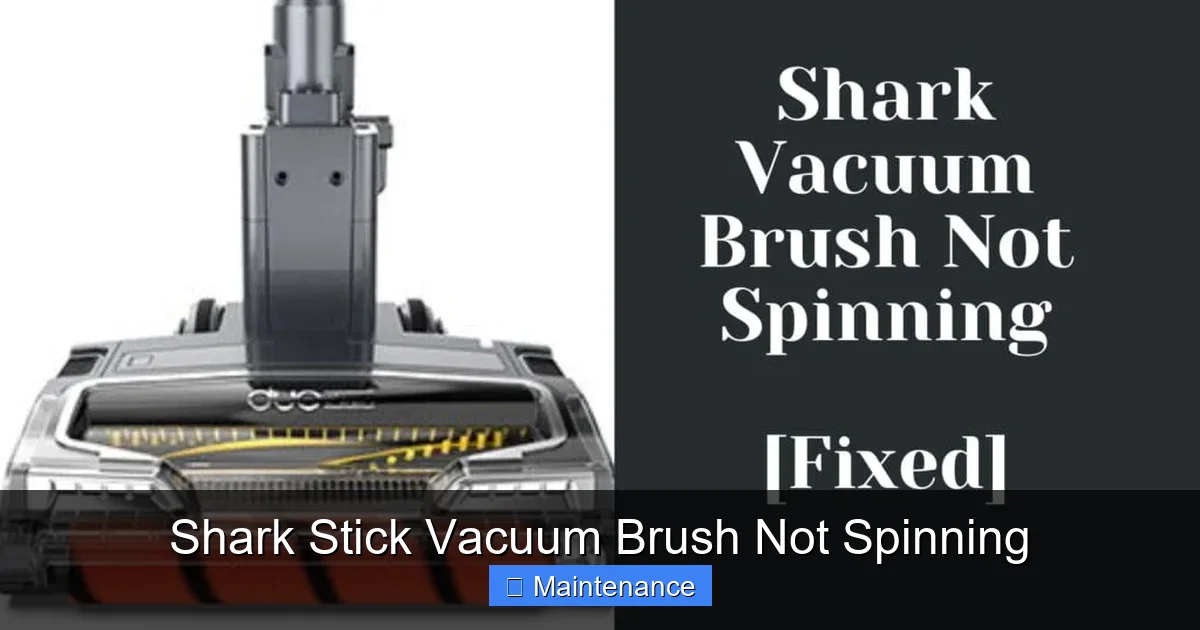
To fix the problem, you first need to understand what makes the brush spin. It’s a simple but elegant system of power transfer. The main vacuum motor creates suction. A separate, smaller motor (or sometimes the main motor via a clutch) spins a small rubber drive belt. This belt sits in a groove on the brush roll’s metal axle. When the belt turns, it rotates the brush roll’s bristles. There are also crucial safety features: a brush roll sensor and a thermal fuse. If the brush roll encounters too much resistance (like a giant clog), these components cut power to the brush motor to prevent burning it out. So, when your brush stops, the issue lies somewhere in this chain: power source, drive belt, brush roll itself, or a safety cutoff.
Visual guide about Shark Stick Vacuum Brush Not Spinning
Image source: vacuupedia.net
The Role of the Drive Belt
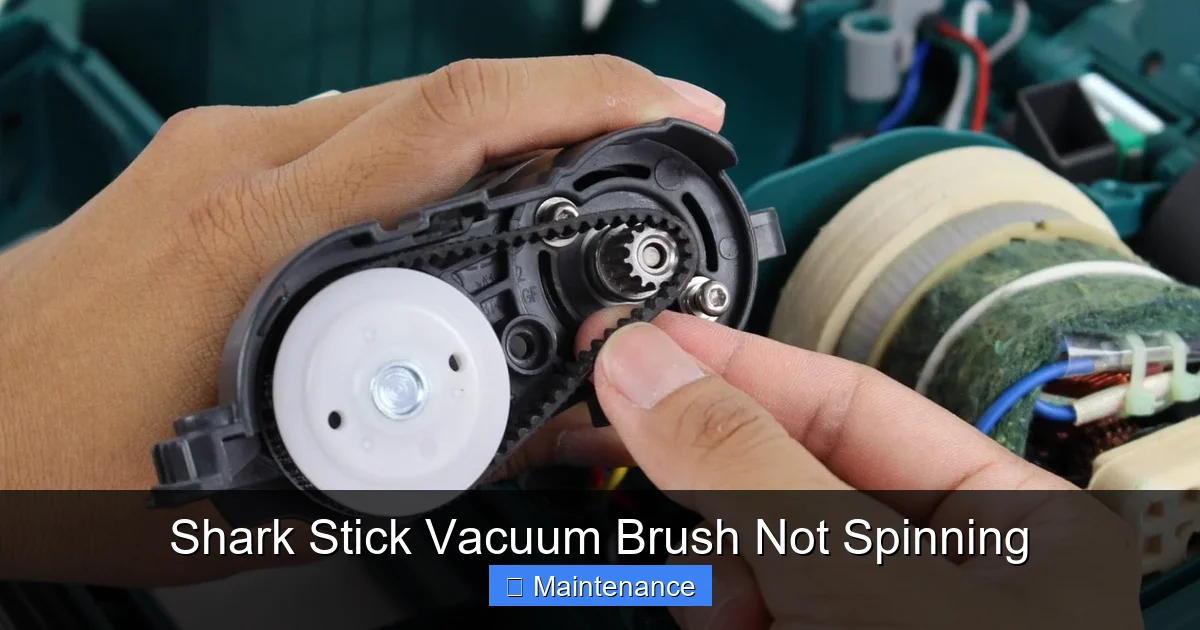
The drive belt is the workhorse of the operation. It’s a continuous loop of rubber, typically about the size of a small bracelet. Over time, with use and heat, this belt can stretch, lose its tension, develop glazing (a shiny, slippery surface), or even snap. A loose or broken belt means the motor is spinning, but that motion isn’t reaching the brush roll. This is a very frequent cause of a Shark stick vacuum brush not spinning, especially in models that are a few years old.
Brush Roll Sensors and Thermal Protection
Shark designs its vacuums with protection in mind. The brush roll sensor monitors how easily the brush is turning. If it feels significant resistance—usually from a massive hairball or carpet fiber wrap—it tells the main logic board to cut power to the brush motor. Similarly, if the brush motor itself gets too hot, a thermal fuse will blow, acting like a circuit breaker. These are not “defects”; they are vital safety features. Often, simply clearing the jam and letting the vacuum cool for 30 minutes will reset these systems automatically.
Step-by-Step Troubleshooting: From Easiest to Hardest
Always start with the simplest, most likely solutions. You’ll be amazed how often this solves the problem. Grab a screwdriver (usually a Phillips head), a pair of scissors, and maybe a seam ripper or a dedicated brush cleaning tool.
Visual guide about Shark Stick Vacuum Brush Not Spinning
Image source: howtofixit.net
1. The Immediate Visual Inspection and Debris Removal
This is your first and most critical step. Turn the vacuum upside down. Use the release lever to pop off the brush roll housing cover. It’s usually a gray or black plastic piece that clips on. Pull out the brush roll. Now, look and feel.
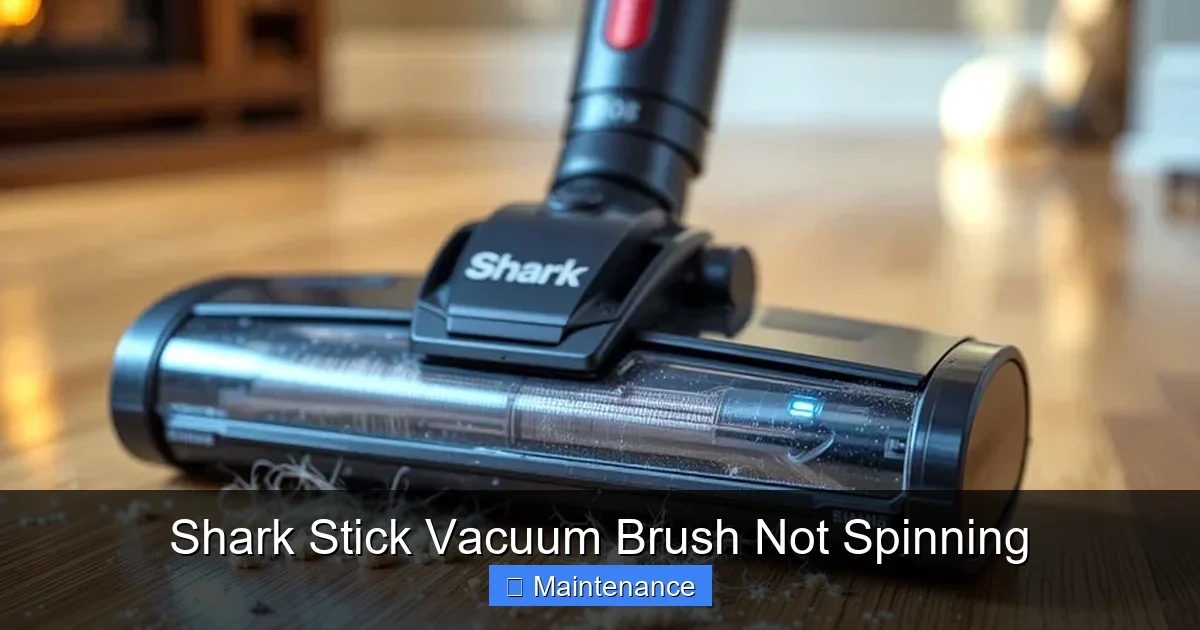
- Look for obvious tangles: Hair, string, pet fur, and carpet fibers love to wrap around the brush roll bristles and its metal axle. Use your fingers or scissors to cut and pull away all debris. Be thorough; even a small wrap can bind the roll.
- Check the belt: With the brush roll out, you should see the drive belt stretched between the motor pulley (a small rubber wheel) and the brush roll axle. Is it there? Is it intact, or does it have a visible break, fraying, or has it stretched so much it’s slipping off? If it’s broken or missing, that’s your answer.
- Inspect the air pathway: While the brush roll is out, look into the suction opening where the brush was. Is there a clog of dirt and hair blocking the airway? Shine a flashlight. Clear any obstruction with a long tool or by reaching in.
Practical Example: A user with two long-haired dogs found their Shark’s brush stopped weekly. The fix was always the same: a massive, dense hair wrap around the brush axle that wasn’t visible from the top. Removing the brush roll was the only way to see and cut it free.
2. Checking and Replacing the Drive Belt
If the belt is missing, broken, or looks old and glazed, it needs replacement. Shark drive belts are inexpensive and model-specific. Find your exact model number (usually on a sticker on the back or bottom) and order the correct replacement belt.
- Removal: With the brush roll out, simply stretch the belt off the motor pulley and slide it off the brush roll axle.
- Installation: The trick is getting the new belt on. Hook one side onto the brush roll axle. Then, stretch the belt and hook it onto the motor pulley. It may require some force and rotating the pulley to seat it properly. Ensure it’s sitting in the groove on both pulleys.
- Reassembly: Slide the brush roll back into its housing, ensuring the belt is not twisted. Snap the cover back on. Test the vacuum. The brush should now spin. If it doesn’t, the belt may have slipped off during reassembly—open it up and check again.
Pro Tip: When you buy a new belt, consider buying two. They are cheap, and having a spare means you’re never without a working vacuum for long.
3. Resetting the Safety Mechanisms
If the brush roll and belt are clean and intact, but it still won’t spin, a safety cutoff has likely been triggered. This is common after a major clog that you just cleared.
- The Cool-Down Reset: Unplug the vacuum completely. Let it sit for a full 30-60 minutes. This allows the thermal fuse to reset and the brush motor to cool. Plug it back in and try again. This solves the issue 90% of the time after a jam.
- The Hard Reset: Some Shark models have a dedicated reset button. Consult your manual. It’s often located on the body of the vacuum near the motor or on the battery pack (for cordless models). Press it firmly.
- Check the brush roll sensor: On some models, a small plastic tab or sensor near the brush roll can get stuck in the “blocked” position. Locate it (check your manual diagrams) and gently wiggle it to ensure it moves freely.
Deep Dive: Less Common but Possible Causes
If you’ve walked through the steps above and your Shark stick vacuum brush is still not spinning, we need to look deeper. These are less frequent but still plausible.
Visual guide about Shark Stick Vacuum Brush Not Spinning
Image source: homekitchtech.com
Faulty or Worn Brush Roll Bearings
The brush roll spins on small bearings inside its housing. If these bearings seize up due to dirt, moisture, or wear, the brush roll won’t turn even with a good belt. You’ll often hear a grinding or screeching noise if you try to spin the brush roll by hand. The fix is to replace the entire brush roll assembly. They are sold as a unit. This is a simple swap—remove the old one, slide the new one in, ensuring the belt is on.
Motor or Clutch Failure
This is the least common and most serious issue. The small motor that drives the belt (or the clutch mechanism in some models) has failed. Symptoms include a strong burning smell from the vacuum, the motor making a whining sound but not engaging, or no sound from the brush motor area at all. Diagnosing this requires some electrical testing with a multimeter, which is beyond most users. If you suspect this, it’s time to contact Shark Customer Service or a qualified appliance repair technician. Check your warranty first, as motor failures within the warranty period are covered.
Essential Maintenance: Preventing the Problem Before It Starts
The best fix is the one you never need. A few minutes of regular care will keep your Shark’s brush spinning reliably for years.
The 2-3 Use Cleaning Ritual
Make this a habit. Every 2-3 uses, especially if you have pets or thick carpets:
- Turn the vacuum over and remove the brush roll cover.
- Use a seam ripper, scissors, or a dedicated hair removal tool to cut and pull any hair or fibers wrapped around the bristles and axle. Do this while the brush roll is out for full access.
- Use a damp cloth to wipe down the brush roll bristles and the inside of the housing to remove fine dust and gunk that can build up and cause friction.
- Check the suction hose and wand for any blockages. A clog anywhere in the air path can increase resistance and cause the safety cutoffs to trigger.
Proper Storage and Usage
Never store your stick vacuum with the brush roll engaged on thick carpet or a rug. The bristles can get permanently bent. Stand it upright in its charging dock or corner. Also, avoid vacuuming up large, hard objects, toys, or items that can immediately jam the brush. Be extra vigilant when cleaning area rugs with long fringe or shag carpets.
Conclusion: Get Back to Rolling
A Shark stick vacuum brush not spinning is an inconvenience, not a catastrophe. In the vast majority of cases, the culprit is a simple, visible problem: a hair wrap, a clogged airway, or an old drive belt. By arming yourself with a screwdriver, a little patience, and this guide, you have the power to diagnose and fix the issue in under ten minutes. Start with the basic inspection and cleaning. Always check and reset the safety mechanisms after clearing a jam. Remember, consistent, light maintenance is the ultimate key to preventing this frustrating halt in your cleaning routine. Your Shark vacuum is built to last; with a little care, its brush will keep spinning powerfully for years to come. So next time it goes quiet, don’t reach for the phone—reach for the brush roll housing. You’ve got this.
Frequently Asked Questions
Why did my Shark vacuum brush stop spinning suddenly while in use?
The most common reason is a large hair or fiber wrap that jammed the brush roll, triggering the safety sensor to cut power. Clear the debris from the brush roll and housing, unplug the vacuum for 30 minutes to reset the thermal fuse, and it should work again.
How often should I clean my Shark vacuum’s brush roll?
For best performance and prevention, remove and clean the brush roll every 2-3 uses if you have pets or mainly carpeted floors. At a minimum, do a thorough cleaning monthly. Always check and remove hair wraps immediately.
Is it worth replacing the drive belt on an older Shark vacuum?
Absolutely. Drive belts cost between $5 and $15. Replacing one takes 5 minutes and is a standard maintenance item. It’s far more cost-effective than replacing the entire vacuum, and a new belt restores full brush agitation power.
My brush roll spins freely when I take it out, but not when installed. What’s wrong?
This usually means the drive belt is not properly tensioned or has slipped off the motor pulley during reassembly. Double-check that the belt is seated correctly in the groove on both the motor pulley and the brush roll axle before snapping the cover back on.
Can I use my Shark vacuum without the brush roll on hard floors?
Yes, you can. The vacuum will still provide suction for picking up debris on hard surfaces. However, you’ll lose the agitation that helps sweep debris into the suction path. It’s fine for a quick job, but reinstall the brush roll for optimal cleaning on all surfaces.
What if I smell a burning odor from my Shark vacuum?
A burning smell indicates the brush motor has overheated and possibly burned out. This is often the result of a severe, prolonged jam. Unplug the vacuum immediately. After cooling, if the brush still doesn’t spin, the motor likely needs professional replacement. Do not continue to use it.