The Shark Sonic Duo Does Not Spray isn’t just a feature—it’s a complete redesign of how a wet/dry vacuum operates. By using a sealed, pressurized system and a unique dual-tank design, it eliminates the common problem of dirty water being ejected back onto your floor. This means truly clean results on hard surfaces, less mess during cleanup, and a fundamentally more hygienic cleaning process for homes with pets, kids, or allergies. It redefines what you should expect from a floor cleaner.
Let’s have a real talk about wet/dry vacuums. You’ve been there. You’re excited to use your new powerful floor cleaner, ready to conquer sticky spills and pet messes. You fill the clean water tank, add the solution, and start pushing. But then you see it—a fine mist of dirty water being ejected from the back or sides, coating your baseboards, your socks, and the very floor you just cleaned. It’s frustrating, unhygienic, and makes the whole process feel pointless. This “spray-back” issue is a notorious flaw in many traditional floor cleaning systems. But what if we told you there’s a machine engineered from the ground up to prevent this? Enter the Shark Sonic Duo Does Not Spray. This isn’t just a marketing slogan; it’s the fundamental, defining principle of its entire design. This article will dive deep into exactly how and why the Shark Sonic Duo achieves this, what it means for your home’s cleanliness, and why it changes the game for hard floor maintenance.
Key Takeaways
- Sealed System Architecture: The core innovation is a completely sealed vacuum path and motor, preventing any contaminated water from contacting the motor or being expelled as spray.
- Dual Independent Tanks: Separate, sealed clean water and dirty water tanks ensure the two never mix, and the dirty water is only deposited into its dedicated container.
- Pressurized Clean Water Delivery: Clean solution is pushed onto the floor under controlled pressure, while suction immediately recovers it, leaving no standing water to be splashed.
- Superior for Allergens & Bacteria: The no-spray design traps all retrieved soil, moisture, and microbes inside the sealed dirty water tank, improving indoor air quality during and after cleaning.
- Eliminates Common Cleanup Headaches: No more following behind your vacuum with towels to wipe up spray trails or re-cleaning areas that were just mopped.
- Engineered for Hard Surfaces: It is specifically designed and optimized for sealed hard floors (tile, vinyl, hardwood, laminate) and is not intended for carpets or rugs.
- Maintenance is Simplified: With no risk of spray-clogging internal components, the primary maintenance is straightforward tank rinsing and brush roll cleaning, with fewer internal parts to degrade.
📑 Table of Contents
- The Age-Old Problem: Why Most Floor Cleaners Spray
- The Shark Sonic Duo’s No-Spray Engineering: A Sealed, Pressurized System
- Real-World Implications: What “Does Not Spray” Actually Means For You
- Maintenance and Long-Term Care: Simplicity Through Smart Design
- Addressing the Skeptics: Common Questions and Scenarios
- The Verdict: Redefining a Category
The Age-Old Problem: Why Most Floor Cleaners Spray
Before we celebrate the solution, we must understand the problem. The “spray” issue isn’t a minor inconvenience; it’s a direct result of flawed engineering in many competing products. To fix it, Shark had to rethink the entire water path.
Open Systems and Airflow Disruption
Traditional wet/dry vacs often use an “open” or “semi-open” system. The motor and fan create suction, pulling dirty water up through a nozzle and into a collection tank. However, if the system isn’t perfectly sealed or if the airflow is disrupted, the high-velocity air and water mixture can find the path of least resistance—which is often out through gaps, vents, or the back of the cleaning head. This is especially common when the dirty water tank is full, when suction encounters a large volume of water, or when the machine is tilted or turned. The result is a fine aerosol of contaminated water being deposited exactly where you don’t want it.
The Dirty Water Reservoir Compromise
In many two-tank designs, the dirty water intake is simply a hose or tube sitting in a reservoir. If that reservoir is jostled, if the machine goes over a bump, or if suction momentarily exceeds the tank’s capacity to accept water, dirty water can be forced back up the hose and out the nozzle—a phenomenon often called “back-splash” or “blow-back.” It turns your cleaning tool into a soil-spreader.
Why This Matters Beyond Mess
This isn’t just about aesthetics. Spraying dirty water reintroduces bacteria, allergens from pet dander, and ground-in soil back onto your floor. It can also dampen baseboards and seams, potentially leading to water damage over time. For families with asthma or allergies, aerosolizing contaminants is a significant indoor air quality issue. The core promise of a floor cleaner is to *remove* mess, not redistribute it. Most fail this basic test.
The Shark Sonic Duo’s No-Spray Engineering: A Sealed, Pressurized System
Shark’s answer to this endemic problem is radical in its simplicity: a completely sealed system. The Shark Sonic Duo Does Not Spray because it physically cannot. The engineering philosophy prioritizes containment and controlled fluid dynamics over raw, unfocused power.
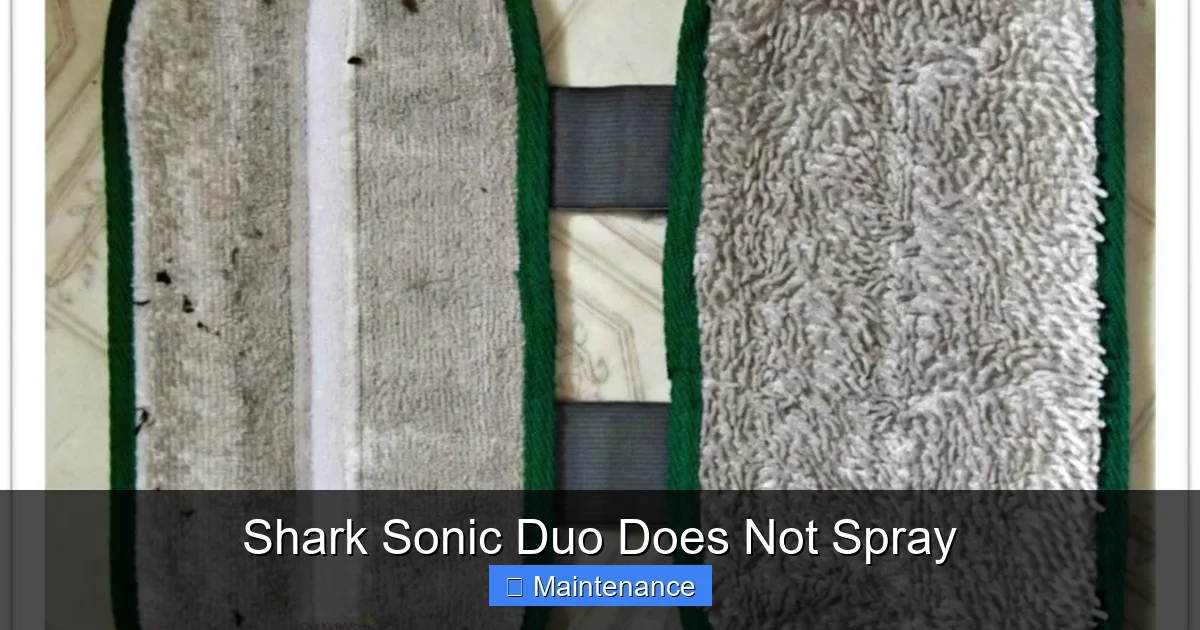
Visual guide about Shark Sonic Duo Does Not Spray
Image source: ourkidsmom.com
1. The Fully Sealed Motor and Air Path
This is the most critical innovation. In the Sonic Duo, the motor and fan assembly—the heart of the suction—are housed within a completely sealed chamber that is isolated from the water recovery system. The suction air travels through a dedicated, airtight channel from the cleaning head directly into the dirty water tank. There is no cross-contamination. Water droplets cannot access the motor, and more importantly, the high-pressure air from the motor cannot force its way back into the water recovery pathway. This eliminates the primary source of spray-back from the machine’s core.
2. The Dual-Tank, Pressurized Clean Water Delivery
You have two tanks: Clean Solution and Dirty Water. They are independent and sealed from each other. The clean water is not simply gravity-fed. It is delivered to the floor via a pressurized system that releases a controlled, measured amount of solution directly onto the brush roll. Because it’s pressurized, it’s applied effectively, not pooled. Simultaneously, the sealed suction system is actively pulling the now-dirty water *immediately* off the floor and into the dirty tank. There is no standing puddle left behind for the machine to run over and potentially splash. The “sonic” in the name refers to the high-frequency vibrations of the brush roll, which agitate and lift soil, but the “no-spray” promise comes from the pressurized, simultaneous application and recovery.
3. Smart Valve and Intake Design
The point where dirty water enters the system is just as important. The intake nozzle on the Sonic Duo is designed to be low-profile and wide, maximizing contact with the floor and minimizing the chance of air being sucked in instead of water. Internally, check valves and one-way pathways ensure that once water enters the dirty tank chamber, it cannot flow backward. The dirty tank itself has a dedicated, sealed lid with a specific vent that only allows air to escape in a controlled manner, preventing pressure buildup that could force liquid out.
Real-World Implications: What “Does Not Spray” Actually Means For You
This engineering translates directly into tangible, day-to-day benefits that you will notice the first time you use it.
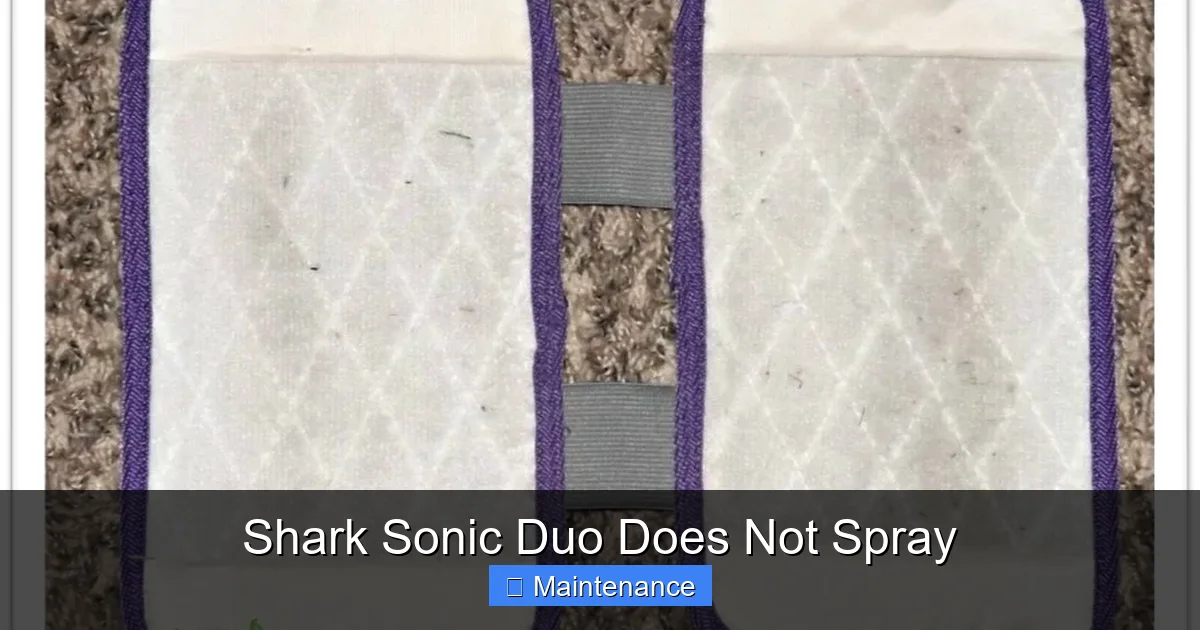
Visual guide about Shark Sonic Duo Does Not Spray
Image source: ourkidsmom.com
The “One-Pass” Clean That Stays Clean
You push the Sonic Duo forward, and the clean solution is applied. You pull it back, and the dirty water is recovered. Because there is no spray, the floor behind you is genuinely clean and dry to the touch within seconds. You don’t have to follow behind with a separate dry mop or a bunch of towels. For a typical kitchen or bathroom floor, you can genuinely clean it in one pass and walk away. This saves immense time and effort.
No More Secondary Mess
Think about cleaning up a spilled glass of juice or a pet accident. With a spray-prone cleaner, your 5-minute cleanup turns into a 15-minute ordeal: you clean the spill, then you have to wipe down the baseboards, the legs of the kitchen table, and your own shoes. With the Sonic Duo, the mess is confined. The only thing that gets dirty is the brush roll and the dirty water tank. Your surrounding environment stays pristine. This is a massive quality-of-life improvement.
Hygienic Operation and Emptying
Because the system is sealed, the dirty water is safely contained. When you go to empty the tank, you’re dealing with a contained liquid, not a tank that has been aerated and potentially splattered during operation. The tank has a wide opening and a secure lid, allowing for easy, tidy disposal into a toilet or utility sink. You’re not worried about creating a biohazard zone in your laundry room. For anyone concerned about germs (especially with pet messes or toddler accidents), this sealed containment is a game-changer for peace of mind.
Maintenance and Long-Term Care: Simplicity Through Smart Design
The Shark Sonic Duo Does Not Spray design philosophy extends to maintenance. Fewer complex internal waterways and a sealed motor mean there’s simply less that can go wrong or require deep cleaning.
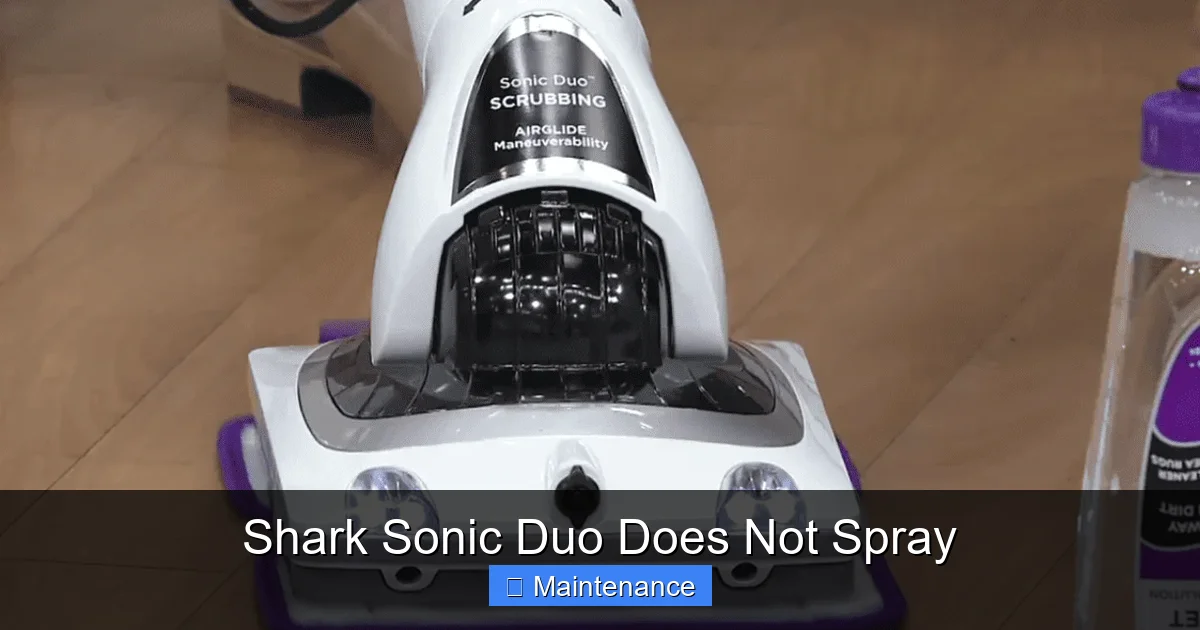
Visual guide about Shark Sonic Duo Does Not Spray
Image source: cleanermentor.com
Post-Cleaning Routine is Straightforward
After each use, your main tasks are: 1) Rinse the clean water tank with fresh water. 2) Empty and thoroughly rinse the dirty water tank. 3) Remove the brush roll and rinse it under running water, clearing any hair or debris. 4) Wipe down the nozzles and the underside of the cleaning head. That’s it. There are no internal hoses to flush, no risk of clogged spray jets that require needle-thin tools to unclog, and no fear that residual dirty water is sitting in a hidden chamber breeding bacteria.
Long-Term Durability
By keeping all water away from the motor and electrical components, Shark has dramatically increased the potential lifespan of the core vacuum unit. In many spray-prone machines, water ingress is the number one cause of motor failure and electrical issues. The Sonic Duo’s sealed architecture protects these critical components. The main wear items are the brush roll bristles (which are replaceable) and the seals on the tank lids, which are inexpensive and easy to replace if ever needed over years of use.
Storage and Readiness
Because it doesn’t leave floors wet and doesn’t spray, you can store it right after use without worrying about residual moisture causing mildew or damage to storage surfaces. The compact, upright storage design means it doesn’t take up much space, and because it’s always ready for its next sealed operation, you’re more likely to use it frequently for quick spot cleans, maintaining your floors consistently.
Addressing the Skeptics: Common Questions and Scenarios
When we say “does not spray,” people naturally have questions. Let’s address them head-on.
What About Extremely Large Liquid Spills?
No vacuum is designed for a flooded basement. The Sonic Duo is engineered for typical household messes: tracked-in dirt, sticky spills, pet accidents, and general mopping. If you have a gallon of water on the floor, you should first remove the bulk with towels or a separate wet vac. The Sonic Duo will then excel at finishing the job, removing the remaining film and moisture without spraying. Its recovery rate is high, but it has a finite capacity per pass.
Does It Work on Area Rugs or Low-Pile Carpet?
The Sonic Duo is explicitly designed and optimized for *sealed hard floors*: tile, vinyl, luxury vinyl plank (LVP), sealed hardwood, and laminate. Using it on carpet or absorbent rugs is not recommended, as the water can soak into the pad and the brush roll can struggle. The “no-spray” guarantee is for its intended hard-surface use. On hard floors, the sealed system performs perfectly.
Is the Brush Roll Effective on Stuck-On Grime?
Absolutely. The “sonic” vibration is not a gimmick. The brush roll oscillates and vibrates at high frequency, agitating and lifting dried-on messes like mud, food, and grease. The pressurized solution penetrates, and the simultaneous suction pulls the loosened soil away. The no-spray design ensures that this agitated, dirty water is captured instantly, not flung around.
The Verdict: Redefining a Category
The Shark Sonic Duo Does Not Spray is more than a feature list; it’s a paradigm shift. For years, consumers accepted spray as an unavoidable downside of wet/dry vacs. Shark decided to solve the problem at the source with a fundamentally better mechanical design. The sealed, pressurized system delivers on its promise consistently. You get the power of a wet vac with the tidiness of a spray-free mop. For anyone tired of the secondary cleanup, concerned about hygiene, or who simply values a tool that works as advertised without creating new problems, the Sonic Duo represents the new standard for hard floor cleaning. It proves that when engineering prioritizes the user’s actual experience—a clean floor and a clean process—the result isn’t just a good product, but a genuinely better way to do a chore.
Frequently Asked Questions
Is it absolutely impossible for the Shark Sonic Duo to spray any water at all?
Under normal operating conditions on sealed hard floors, it is engineered not to spray. The sealed system design prevents the aerosolization of dirty water. The only exception would be a catastrophic failure like a tank being severely overfilled and then tipped, which is improper use. Used as intended, spray-back does not occur.
How does it handle thick, sticky messes like dried-on oatmeal or honey?
The pressurized clean water and sonic vibrating brush roll work together to rehydrate and agitate stuck-on messes. The immediate suction then lifts the now-loosened soil. Because the water is recovered instantly and the system is sealed, the sticky mess goes straight into the dirty tank without being spread around.
Can I use any floor cleaner or vinegar in the clean water tank?
Shark recommends using only Shark branded cleaning formulas for optimal performance and to protect the machine’s internal components. While a mild vinegar/water solution is sometimes used for hard floors, using non-recommended solutions could potentially damage seals or create excessive suds, and would void the warranty. Always follow the manufacturer’s guidelines.
What’s the biggest difference between this and a traditional steam mop?
>A steam mop uses only heat and water vapor, with no dirty water recovery tank. It can sanitize but struggles with heavy soil and wet messes, often just pushing them around. The Sonic Duo uses liquid solution and has a dedicated dirty water tank, physically removing soil and liquid from your floor. It’s a true extractor, not just a sanitizing vapor tool.
Is it safe to use on sealed hardwood floors?
Yes, it is safe for *sealed* hardwood floors. The key is that the finish must be fully sealed and in good condition. The Sonic Duo leaves minimal moisture on the surface (which dries quickly), but you should always test in an inconspicuous area first and never use it on unsealed, waxed, or damaged wood.
How often should I deep clean the machine itself, beyond just rinsing the tanks?
For typical home use, a thorough cleaning of the brush roll, nozzles, and tank seals with fresh water after every few uses is sufficient. Once a month, or if you notice a drop in suction or performance, perform a more detailed clean: remove the brush roll to clear any hair wrapped in the bearings, and use a soft brush to clean the intake nozzle and the dirty tank’s filter screen (if equipped). The sealed design helps prevent internal buildup.