Experiencing a sudden loss of suction with your Shark Rotator vacuum can be incredibly frustrating, turning a quick clean into a chore. This issue is almost always fixable and typically stems from a few common culprits like clogged filters, blocked airways, a worn drive belt, or a tangled brush roll. Before considering a costly repair or replacement, a systematic troubleshooting approach can diagnose and often solve the problem in minutes, saving you time and money.
You’re in the middle of cleaning your living room, and you notice it. That powerful, reassuring sound your Shark Rotator vacuum makes has changed. It’s higher-pitched, more of a whine than a roar. The carpet isn’t getting cleaner; debris is just being pushed around. You feel the vacuum in your hands, but it’s not pulling the dirt up. The dreaded suction loss. It’s a universal vacuum cleaner woe, and the Shark Rotator, for all its strengths, is not immune. But here’s the most important thing to know: a Shark Rotator vacuum not suctioning properly is almost never a sign of a “dead” machine. In over 95% of cases, the problem is a simple, fixable obstruction or a worn-out maintenance part. This guide will walk you through every possible cause, from the quickest 30-second check to more involved inspections, empowering you to get your trusted cleaning partner back to full power without a service call.
We’ll approach this systematically, like a mechanic diagnosing an engine. We’ll start with the most common and easiest-to-fix issues and move toward the less frequent. By the end, you’ll understand the entire airflow path of your Shark Rotator—from the brush roll on the floor to the exhaust port—and exactly where to look when the flow is interrupted. So, take a deep breath, grab a flashlight, and let’s get your Shark Rotator vacuum suctioning like new again.
Key Takeaways
- Clogs are the #1 suspect: Inspect the hose, wand, and brush roll housing for blockages from hair, carpet fibers, or debris.
- Dirty filters cripple suction: The pre-motor foam and felt filters must be regularly washed and dried to maintain airflow.
- The drive belt is critical: A broken, stretched, or missing belt stops the brush roll from spinning, severely reducing pickup on carpets.
- Check the brush roll itself: Hair and string wrapped around the brush roll bearings will jam it and reduce suction efficiency.
- Seal integrity matters: Ensure all vacuum attachments are securely clicked into place and that the dust cup is properly sealed.
- Worn components need replacing: Hoses can crack, seals can degrade, and motors can weaken over years of use.
- Simple maintenance prevents most issues: A quick 5-minute post-vacuuming check can prevent 90% of suction loss problems.
📑 Table of Contents
- Understanding the Airflow Path: Where Does Suction Go Wrong?
- H2: The Usual Suspects: Clogs and Blockages
- H2: The Silent Killers: Dirty and Damaged Filters
- H2: The Mechanical Heart: Brush Roll and Drive Belt
- H2: The Hidden Leaks: Seal Integrity and System Integrity
- H2: When All Else Fails: Motor and Internal Issues
- H2: Your Step-by-Step Diagnostic & Repair Checklist
- Prevention: The 5-Minute Post-Clean Routine
Understanding the Airflow Path: Where Does Suction Go Wrong?
Before we start poking around, it’s crucial to understand one fundamental principle: a vacuum cleaner doesn’t “suck” in the way we think. It creates a difference in air pressure. The motor-driven fan pushes air out the exhaust, which creates a low-pressure zone (a vacuum) inside the machine. Atmospheric pressure then pushes air, along with the dirt and debris in it, into the intake. Therefore, any leak or blockage anywhere in this sealed system will destroy suction. Your Shark Rotator’s suction path is a continuous tube: Floor → Brush Roll/Hose Inlet → Hose/Wand → Dust Cup (sealed) → Pre-Motor Filters → Motor/Fan → Post-Motor Filter → Exhaust Port. A problem at any single point will cause your Shark Rotator vacuum to not suction properly. Our job is to find the break in that chain.
The Two Main Types of Suction Loss
It’s helpful to categorize the problem:
- Complete or Near-Complete Loss of Suction: The vacuum feels like it’s barely pulling air at all. This almost always indicates a major clog, a severe leak (like a missing dust cup seal), or a failed motor.
- Significantly Reduced Suction: It still picks up some debris, but it’s weak and struggles on carpets. This is the most common complaint and is usually caused by dirty filters, a partially clogged hose, or a brush roll that isn’t spinning properly.
H2: The Usual Suspects: Clogs and Blockages
Let’s start with the most frequent cause of a Shark Rotator vacuum not suctioning: something is physically blocking the airflow. These blockages can be sneaky, hiding in bends and crevices.
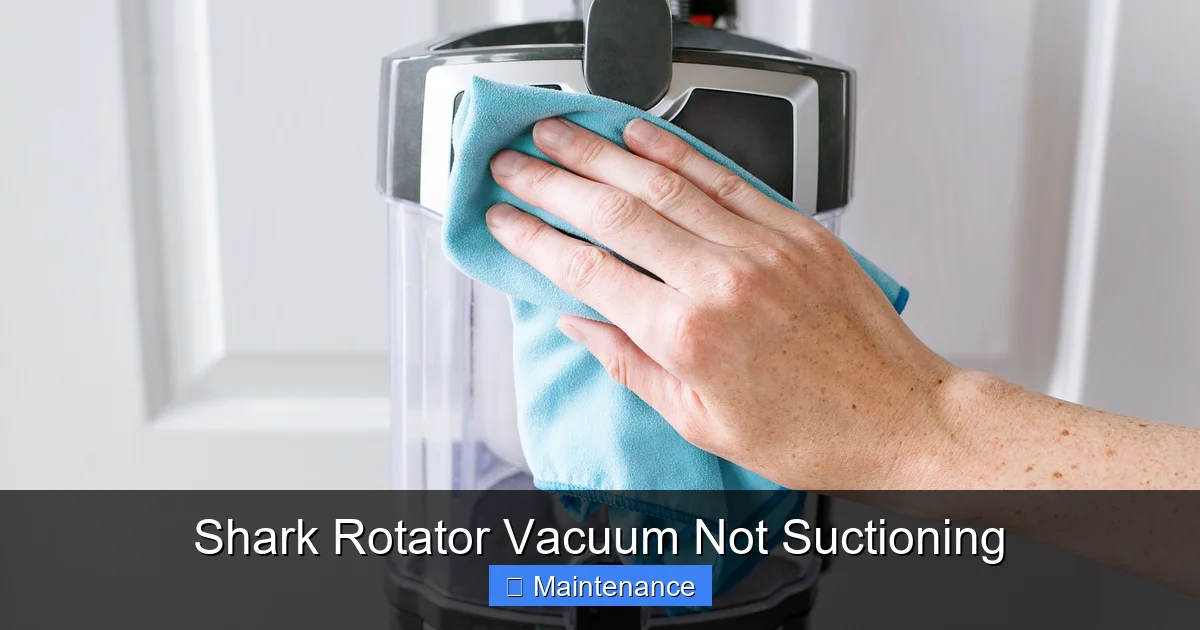
Visual guide about Shark Rotator Vacuum Not Suctioning
Image source: thespruce.com
1. The Brush Roll Housing (The First Stop)
The brush roll is the workhorse, agitating carpet fibers to release dirt. But that hair and string it agitates can become its prison. Always disconnect the vacuum from power before inspecting.
- Flip the vacuum over. Locate the brush roll housing on the soleplate.
- Look for obvious tangles. Use a seam ripper, scissors, or your fingers (carefully) to cut and remove any hair, carpet fibers, or string wrapped around the brush roll bristles and, more importantly, around the bearings on each end. A single strand of hair wound tightly can act like a belt, stopping the brush roll dead.
- Check the inlet opening. The hole where the brush roll meets the suction hose can get packed with debris. Use a long, thin tool (like a straightened coat hanger) to gently poke through and clear it.
2. The Hose and Wand Assembly
The flexible hose and extension wands are common failure points, especially if you have pets or long hair.
- Detach the hose. Remove it from both the vacuum body and the wand/handle.
- Visually inspect and feel inside. Shine a flashlight through it. Common clog spots are the sharp bends near the handle connections. Use a long, flexible brush (a bottle brush or a dedicated vacuum hose brush) to scrub the interior.
- Test for airflow. With the hose detached, turn the vacuum on for a second. Do you feel strong suction at the vacuum’s intake port? If yes, the clog is in the hose or wand. If no, the problem is further down the line (filters, dust cup).
- Check the wands. Don’t forget the straight extension tubes. A small toy, a piece of paper, or a dense plug of pet hair can lodge inside.
3. The Dust Cup and Intake Port
Even with an empty dust cup, debris can pack into the intake screen or the chamber itself.
- Empty the dust cup completely. Tap it out and wipe the interior.
- Locate the intake screen/mesh. Inside the dust cup chamber, where the hose plugs in, there is often a fine mesh screen to catch large debris before the filters. This screen is a prime spot for a clog. Wash it with soapy water, dry thoroughly, and reinstall.
- Inspect the seal. The lip on the dust cup that seals against the vacuum body must be clean and pliable. Any dust or damage here creates an air leak, drastically reducing suction.
H2: The Silent Killers: Dirty and Damaged Filters
Your Shark Rotator has a multi-stage filtration system designed to protect the motor from fine dust and keep the air you breathe clean. When these filters get clogged, they act like a brick wall in your airflow path. This is the second most common reason for a Shark Rotator vacuum not suctioning.
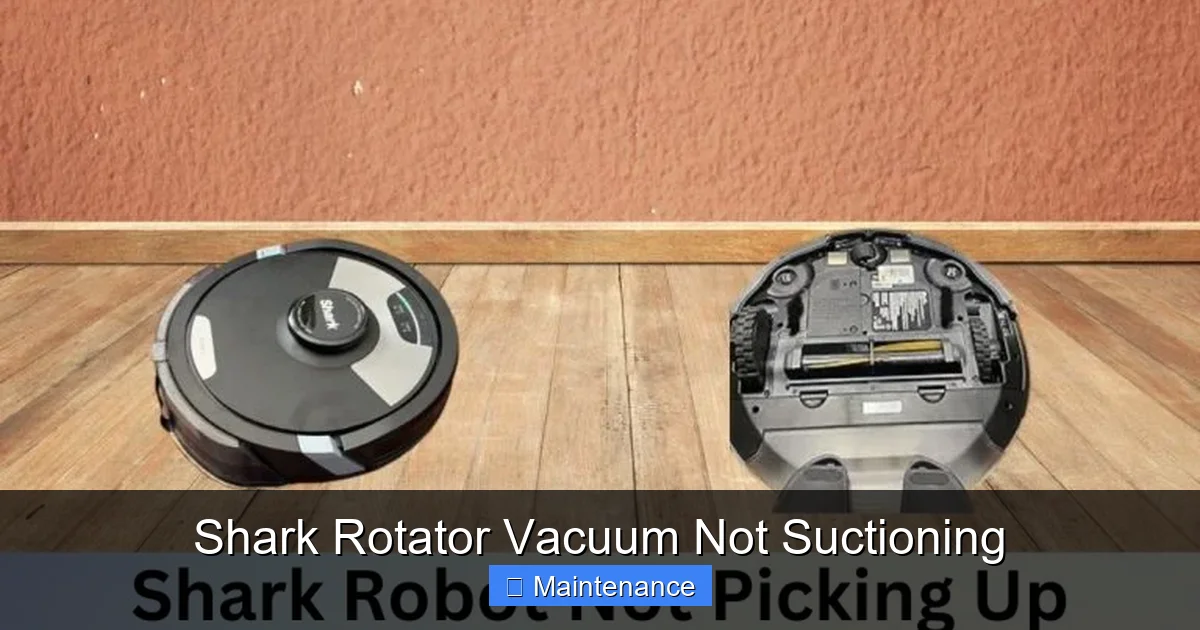
Visual guide about Shark Rotator Vacuum Not Suctioning
Image source: sharkvacuum.blog
1. The Pre-Motor Filters (Foam & Felt)
These are the primary filters that capture most of the dirt. They are located right after the dust cup, before the air reaches the expensive motor.
- Locate them. Open the dust cup door. You’ll typically see a rectangular housing. The foam filter is on top, and the felt filter is beneath it (or they may be a combo unit).
- Removal and cleaning. Gently remove the filters. The foam filter is washable with mild soap and water. It must be 100% completely dry for at least 24 hours before reinserting. The felt filter is often not washable—it should be gently tapped out and replaced every 3-6 months depending on use. Never operate the vacuum with a wet filter; it will destroy the motor.
- Check for damage. Even if clean, inspect the foam for tears or hardening. A damaged filter needs replacement.
2. The Post-Motor Filter (Exhaust Filter)
This filter cleans the air before it exits the vacuum. A clog here reduces exhaust flow, which in turn reduces intake suction (remember the fan principle).
- Locate it. It’s usually on the back or top of the vacuum body, often under a small grille or cover.
- Inspect and replace. This is typically a pleated paper or foam filter. It is not washable. Tap it out to clean, but it has a limited lifespan (often 6-12 months). If it looks dark grey and dense, replace it.
Pro Tip: If you have allergies or a dusty home, consider upgrading to Shark’s HEPA-style post-motor filters for superior air quality and slightly better airflow retention.
H2: The Mechanical Heart: Brush Roll and Drive Belt
On carpet, a spinning brush roll is essential for deep cleaning. If the brush roll isn’t turning, you’re essentially just gliding a suction-only tool over the surface, which is ineffective for embedded dirt. This often feels like a suction problem because performance plummets on carpets.
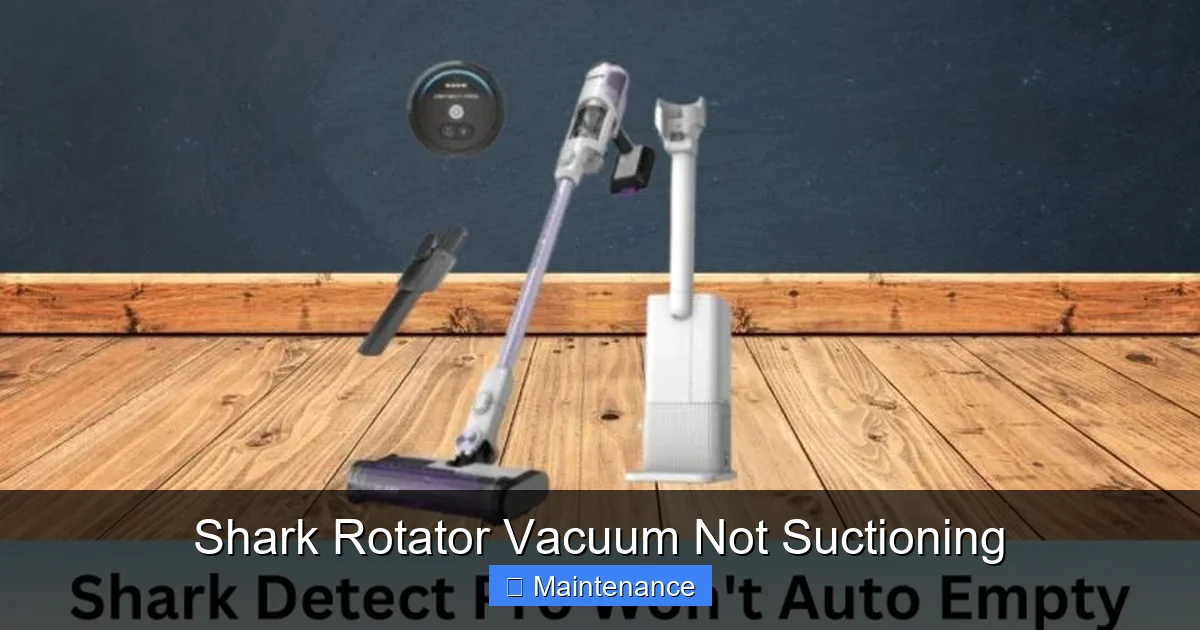
Visual guide about Shark Rotator Vacuum Not Suctioning
Image source: sharkvacuum.blog
Diagnosing a Non-Spinning Brush Roll
With the vacuum upright and powered on (be careful!), look at the brush roll through the soleplate. Is it spinning rapidly? If it’s stationary, slow, or only spins when you push the vacuum forward (a sign of a slipping belt), we have a mechanical issue.
The Drive Belt: The Most Common Mechanical Failure
The belt is a rubber loop that connects the motor shaft to the brush roll, transferring rotational force. It wears out, stretches, breaks, or jumps off.
- Access the brush roll. You’ll need to remove the soleplate. On most Shark Rotators, this is done by releasing clips or unscrewing a few screws on the bottom. Lay the vacuum on its side.
- Locate the belt. It’s a black rubber loop encircling the brush roll and a small pulley on the motor.
- Inspect it. Look for these signs:
- Breaks: A clean break in the rubber. Obvious, but sometimes it snaps and falls off entirely.
- Stretch/Burn: A glazed, shiny, or melted appearance. The belt has lost its grip and elasticity.
- Misalignment: It may have jumped off the motor pulley or the brush roll groove.
- Replacement is easy. Shark Rotator belts are inexpensive and universal for many models (check your manual for the exact part number, often “HRC8010” or similar). To replace, simply stretch the new belt over the brush roll and the motor pulley. There’s no need to thread it through complex pathways.
Brush Roll Bearings Jammed
If the belt is intact and tight, but the brush roll won’t spin freely by hand, the bearings are jammed with hair. Remove the brush roll entirely (usually by sliding it out after releasing end caps) and meticulously clean the bearings at each end. Spin them. If they still don’t rotate smoothly, the brush roll assembly needs replacement.
H2: The Hidden Leaks: Seal Integrity and System Integrity
A vacuum’s power depends on a perfect seal. A small air leak can feel like a major suction loss. These are trickier to find but often very simple to fix.
Dust Cup Seal
As mentioned, the rubber gasket on the dust cup or on the vacuum body where it locks in must be clean and undamaged. Wipe both surfaces with a dry cloth. Look for nicks or cracks in the rubber. A damaged seal needs replacement.
Hose and Wand Connections
Every click-together point must be fully engaged. Listen for a faint whistling sound when the vacuum is running—that’s air escaping through a poor seal. Push each connection firmly until you hear it click. Check the hose itself for cracks, especially near the metal connectors where it flexes most.
Cracked or Damaged Hoses
A pinhole leak in the hose wall will kill suction. Run your fingers along the entire length of the hose, feeling for soft spots or cracks. Temporarily seal a small crack with strong tape to test if suction returns, but plan to replace the hose.
H2: When All Else Fails: Motor and Internal Issues
If you’ve meticulously checked for clogs, cleaned/replaced all filters, inspected the belt and brush roll, and verified all seals, the problem may be internal.
Failing Motor
Vacuum motors have a finite lifespan. Signs of a failing motor include:
- A sudden, dramatic drop in suction that doesn’t improve with cleaning.
- A grinding, whining, or burning smell from the motor area.
- The vacuum running hot quickly and shutting off (thermal overload).
Motor replacement is often not cost-effective on an older Shark Rotator, as the parts and labor can approach the cost of a new mid-range vacuum. However, for a newer unit under warranty, contact Shark support.
Internal Clog or Damaged Fan
Extremely fine dust, like drywall dust or powdered carpet deodorizer, can pack around the motor fan blades, severely unbalancing them and reducing efficiency. This requires disassembly beyond what most users should attempt and typically requires a professional repair.
H2: Your Step-by-Step Diagnostic & Repair Checklist
Don’t just guess. Follow this ordered list to efficiently diagnose your Shark Rotator vacuum not suctioning:
- Step 1: The Quick Test. Detach the hose from the vacuum body. Run the vacuum for 5 seconds. Is there strong suction at the vacuum’s intake port?
- YES: The clog is in the hose, wand, or brush roll housing. Proceed to Step 2.
- NO: The problem is in the dust cup, filters, or motor area. Proceed to Step 3.
- Step 2: Clear the Hose Path. Thoroughly clean the hose, wands, and brush roll housing of all blockages. Reassemble and test.
- Step 3: Inspect the Dust Cup & Seals. Empty and clean the dust cup. Wash the intake mesh screen. Inspect and clean the dust cup seal. Reassemble and test.
- Step 4: Clean/Replace Filters. Remove, wash (foam), and fully dry the pre-motor filters. Replace the post-motor filter if dirty. Reassemble and test.
- Step 5: Check Brush Roll & Belt. Remove the soleplate. Is the brush roll turning freely? Is the belt intact, tight, and properly aligned? Replace the belt if worn or broken. Clean the brush roll bearings. Reassemble and test.
- Step 6: Hunt for Leaks. With the vacuum running, listen for whistling. Check all connection points and the hose for cracks. Ensure the dust cup is locked firmly.
- Step 7: Consider the Motor. If all above is perfect and suction is still weak, the motor may be failing. Listen for abnormal noises. If under warranty, contact Shark. If not, weigh repair cost vs. replacement.
Prevention: The 5-Minute Post-Clean Routine
Stopping a problem before it starts is the best fix. After each major cleaning session:
- Empty the dust cup. Don’t let it get completely full.
- Check the brush roll. Give it a quick glance and pick off any hair or string wound around it.
- Wipe the seals. Give the dust cup gasket and the hose connection points a quick wipe with a dry cloth.
- Listen. Get familiar with your vacuum’s normal sound. If it starts sounding different mid-clean, stop and check for clogs immediately before debris packs in tighter.
Every 2-3 months, perform a deeper filter cleaning and a full hose inspection. This minimal maintenance will keep your Shark Rotator operating at peak suction for years.
Conclusion: A Shark Rotator vacuum not suctioning is a symptom, not a death sentence. By understanding the simple physics of airflow and methodically checking the common points of failure—clogs, filters, belts, and seals—you can diagnose and fix the problem yourself 90% of the time. Start with the quick hose detachment test, work through the checklist, and you’ll almost certainly restore that powerful, satisfying cleaning performance. Your Shark Rotator is a workhorse built to last; it just needs a little care to keep its “bite” as strong as the day you brought it home.
Frequently Asked Questions
Why did my Shark Rotator vacuum lose suction suddenly?
A sudden loss is almost always due to a major clog, often from a large object or a dense plug of pet hair blocking the hose, wand, or brush roll housing. A broken drive belt (causing the brush roll to stop) can also create a dramatic perceived loss of suction on carpets.
How often should I clean the filters on my Shark Rotator?
The foam pre-motor filter should be washed with water after every 3-5 uses and dried for 24 hours. The felt pre-motor filter should be tapped out monthly and replaced every 3-6 months. The post-motor exhaust filter should be replaced every 6-12 months, or more often in dusty homes.
My vacuum sounds fine but doesn’t pick up dirt on carpet. What’s wrong?
This classic symptom points directly to the brush roll. If the brush roll isn’t spinning (due to a broken/stretched belt or jammed bearings), the vacuum can’t agitate carpet fibers to release embedded dirt. Check the belt and brush roll rotation first.
Can I use my Shark Rotator without the filters installed?
Never. Operating without filters will destroy the motor as fine dust will be sucked directly into the fan and bearings. It also blows unfiltered, allergen-filled air back into your room. Always ensure all filters are clean, dry, and properly installed.
How do I know if my drive belt needs replacing?
Inspect the belt under the soleplate. If it’s cracked, glazed/shiny, stretched so it’s loose on the pulleys, or if it’s missing entirely, it needs replacement. A belt that slips and makes a burning smell when the vacuum is on is also failing and must be changed immediately.
Is a loss of suction covered under the Shark warranty?
It depends on the cause. Suction loss due to normal wear-and-tear items like filters, belts, or brush rolls is considered consumable maintenance and is not covered. Suction loss due to a defect in the motor or internal components within the warranty period (typically 5-7 years for the motor) is covered. Always check your specific warranty documentation.