A non-spinning brush roll in your Shark Rotator vacuum is almost always a fixable issue, not a reason to buy a new machine. The most common culprits are hair and debris clogs jamming the brush, a snapped or slipped drive belt, or a tripped safety switch. Start by unplugging the vacuum, flipping it over, and clearing any visible obstructions from the brush housing with scissors or a butter knife. If that doesn’t work, you’ll need to access the brush roll compartment to inspect the belt and motor. Most repairs take under 30 minutes with basic tools.
You’re halfway through vacuuming the living room, and you notice it. That distinct, high-pitched whine of the Shark Rotator motor is still there, but the familiar *thump-thump-thump* of the brush roll against the carpet is gone. You look down and see the carpet pile standing upright, untouched. Your heart sinks. A Shark Rotator vacuum brush not spinning means you’re not getting deep-down carpet cleaning, and it feels like a major problem. Before you panic and start shopping for a new vacuum, take a deep breath. This is one of the most common Shark Rotator issues, and in the vast majority of cases, it’s a straightforward, inexpensive fix you can do yourself in your slippers. This guide will walk you through every possible cause, from the simplest hair clog to a more complex motor failure, with clear, step-by-step instructions.
The beauty of the Shark Rotator design is its accessibility. Unlike some vacuums that require a screwdriver for every panel, the Shark Rotator’s brush roll housing is designed for user-friendly maintenance. The problem isn’t that the vacuum is broken beyond repair; it’s that a small component in the cleaning head has failed or become obstructed. We’re going to diagnose that component together. Whether you have an original Shark Rotator, a Rotator Professional, or a newer Lift-Away model, the core principles of troubleshooting a non-spinning brush are virtually identical. Let’s roll up our sleeves and get that brush spinning.
Key Takeaways
- Clogs are the #1 cause: Hair, string, and carpet fibers wrap around the brush roll and axles, jamming it. This is the easiest fix.
- The drive belt is a frequent failure point: It can stretch, slip off pulleys, or snap completely, breaking the connection from the motor to the brush.
- Safety switches can trip: Many models have a switch that cuts power if the brush roll is jammed or the housing isn’t seated properly.
- Motor failure is rare but possible: If the vacuum runs but the brush never spins after clearing clogs and checking the belt, the motor may be burnt out.
- Always unplug first: Never attempt to inspect or clean the brush roll with the vacuum powered on for safety.
- Regular maintenance prevents most issues: Cleaning the brush roll and housing monthly stops debris from building into a hard clog.
- Most repairs are inexpensive: Replacing a belt or clearing a clog costs pennies in time. A new motor may not be cost-effective.
📑 Table of Contents
- The Usual Suspects: Why Your Brush Roll Has Stopped
- Step-by-Step: The Immediate First-Aid for a Non-Spinning Brush
- Getting to the Heart of the Matter: Accessing the Brush Roll & Belt
- Digging Deeper: Motors, Switches, and Wiring
- Prevention is Key: A Maintenance Routine That Works
- When to Call It: Knowing Your Limits
The Usual Suspects: Why Your Brush Roll Has Stopped
Before we dive into tools and screws, it’s crucial to understand the simple mechanics at play. Your Shark Rotator’s brush roll doesn’t spin by magic. It’s a system. The main vacuum motor creates suction. A separate, smaller motor (or a belt-driven pulley from the main motor in some models) transfers rotational force to the brush roll via a rubber drive belt. The brush roll itself spins on bearings or bushings inside a housing. Any break in this chain—a jam, a broken belt, a disconnected wire, or a tripped safety cut-out—will stop the brush. Thinking about it this way helps you systematically check each link in the chain.
The Overwhelming Power of a Simple Clog
Let’s start with the most frequent offender: debris jams. As the brush roll agitates carpet fibers, it inevitably collects hair, string, carpet fibers, and even small bits of fabric (like from a frayed rug). This material doesn’t just sit on the bristles; it wraps around the axles that hold the brush roll in place and packs into the spaces between the bristles themselves. Over time, this builds up into a dense, felt-like plug that physically prevents the brush roll from turning. The motor might strain and whine, but the brush won’t budge. This is especially common in homes with pets or long hair.
The Silent Saboteur: The Drive Belt
If you’ve cleared every visible strand of hair and the brush still won’t spin, your next suspect is the drive belt. This is a simple, narrow rubber band that connects a pulley on the brush roll to a drive shaft from the motor. In Shark Rotators, this belt is usually accessible without fully disassembling the vacuum. Belts wear out. They can stretch, causing them to slip off the pulleys. They can get shredded by a jammed brush roll. They can simply snap from age and stress. A broken or missing belt means zero power transfer to the brush roll. The good news? Replacing this belt is one of the easiest and cheapest repairs you can make.
Safety Switches and Electrical Connections
Your Shark vacuum is smarter than it looks. Most models incorporate safety switches designed to kill power to the brush roll motor if it detects a jam or if the cleaning head isn’t properly attached. A switch can become slightly misaligned, or a wire leading to it can become loose or corroded. Additionally, the electrical connections that power the brush roll motor—often a simple plastic clip connector—can become unseated during a bump or jostle. Checking these connections is a quick, tool-free step that often solves the mystery.
The Rare but Real: Motor Failure
It’s the diagnosis everyone fears, but it’s statistically the least likely. The small motor that spins the brush roll (or the brush roll pulley on the main motor) can burn out. If you’ve eliminated clogs and the belt is intact and properly seated, and the vacuum’s main suction is strong, then the brush roll motor may be dead. You might hear a faint click when you turn the vacuum on (the motor trying to start) or smell a faint electrical odor. Before concluding this, you must be absolutely certain the belt is functioning and the brush roll spins freely by hand.
Step-by-Step: The Immediate First-Aid for a Non-Spinning Brush
Okay, theory is done. Let’s get practical. Your first 15 minutes of troubleshooting will solve 80% of all “Shark Rotator vacuum brush not spinning” problems. Grab these items: a Phillips-head screwdriver, a pair of scissors, maybe a butter knife or a bent wire coat hanger for stubborn clogs, and a good flashlight. Most importantly, unplug the vacuum from the wall outlet. This is non-negotiable for your safety.
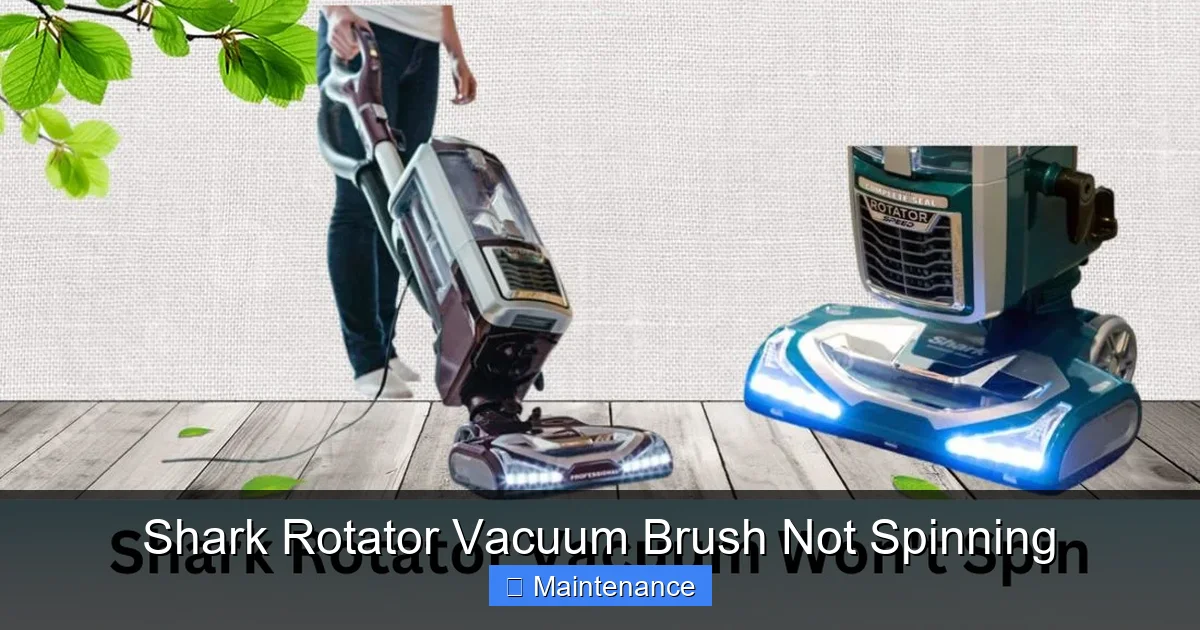
Visual guide about Shark Rotator Vacuum Brush Not Spinning
Image source: sharkvacuum.blog
1. Flip It Over and Visually Inspect
Lay the vacuum on its side or turn it upside down. This gives you direct access to the brush roll housing. Look at the brush roll through the housing opening. Can you see any obvious hair, string, or rug fringe wrapped around it? Is the brush roll itself visibly jammed in place? If you see debris, that’s your starting point.
2. The Art of Clog Removal
Here’s the professional trick: don’t just pull at what you can see. You need to get into the housing. Most Shark Rotator models have a small rectangular or square access panel on the bottom of the brush roll housing, held by one or two screws. Remove these screws and set them aside safely. Gently lift or slide the panel off. Now you have a clear view inside. Use your scissors to cut and pull out any wrapped hair or string. Be thorough. Use your fingers or a tool to scrape debris from the axles (the metal pins on each end of the brush roll) and from the sidewalls of the housing. Hair loves to pack into the tiny gap between the brush roll end cap and the plastic housing. Clean until the brush roll can be turned freely by hand in both directions. Re-seat the access panel, but don’t screw it in yet—we may need to open it again.
3. The Hand-Spin Test
With the vacuum still unplugged, manually rotate the brush roll with your fingers. Does it spin smoothly, without grinding or significant resistance? If it’s stiff or gritty, the bearings inside the brush roll itself may be siezed with dirt or damaged. A brush roll that doesn’t spin freely by hand will never spin under motor power. If it feels smooth, you’ve cleared the jam. Plug the vacuum back in and test it. If it works, celebrate! You’ve fixed it. If not, move to the next step.
Getting to the Heart of the Matter: Accessing the Brush Roll & Belt
If the clog removal and hand-spin test didn’t solve it, we need to look at the belt and the brush roll’s connection to the motor. This requires a bit more disassembly, but it’s still very manageable.
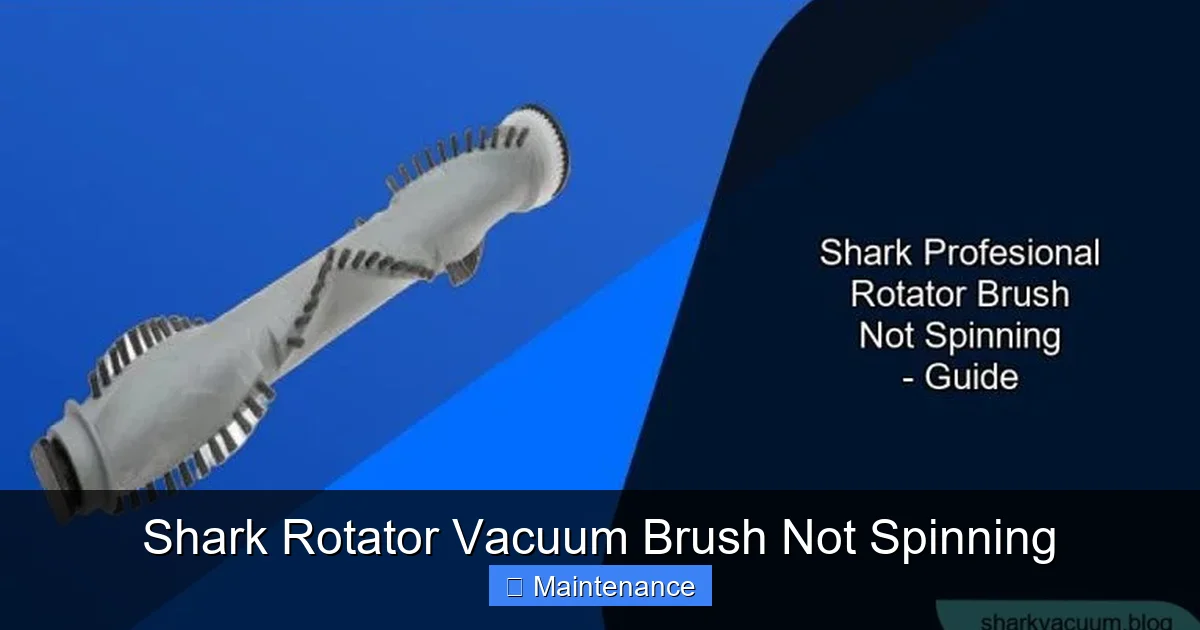
Visual guide about Shark Rotator Vacuum Brush Not Spinning
Image source: sharkvacuum.blog
Releasing the Brush Roll Housing
The entire brush roll assembly is usually held in the vacuum’s floor head by two or four release levers or clips. On most Shark Rotator models, you’ll find two large red or gray tabs on the back of the floor head (the part that contacts the floor). Press these tabs inward and pull the entire brush roll housing straight down and out. It might be stiff the first time; use a little wiggling. Once it’s out, place it on a towel on the floor. You now have the brush roll, belt, and housing in your hands, separate from the main vacuum body.
Inspecting and Replacing the Drive Belt
Lay the housing on its side. You should see the rubber belt looped around the brush roll pulley (the plastic gear on one end of the brush roll) and a drive shaft or motor pulley on the side of the housing. Is the belt there? Is it intact, or is it broken, frayed, or missing? Is it stretched so loose it’s hanging off the pulleys? If the belt is broken or missing, you need a replacement. The exact belt model number is usually printed on the old belt itself (e.g., “Shark Belt NV100, NV101, etc.”) or in your user manual. You can find generic “Shark Rotator replacement belts” online for under $10. To replace it, simply stretch the new belt over the motor pulley first, then loop it onto the brush roll pulley, ensuring it sits in the groove on both. Reinstall the brush roll housing into the vacuum’s floor head, making sure it clicks securely into place. Test before re-screwing any panels.
Checking the Brush Roll Itself
While you have the brush roll out, give it a final inspection. Spin it by hand. If it still feels stiff, the internal bearings are likely shot. In this case, replacing the entire brush roll assembly is more cost-effective than trying to re-grease or repair it. Brush rolls are also inexpensive, often sold as “Shark Rotator brush roll replacement.” Ensure the new one is compatible with your specific model number (found on a sticker on the back or bottom of your vacuum).
Digging Deeper: Motors, Switches, and Wiring
You’ve cleared every clog. The belt is new and perfectly seated. The brush roll spins freely. You re-assemble everything, plug it in, and… nothing. The brush still doesn’t spin. Now we’re in the realm of electrical components. This is less common but still very diagnosable.
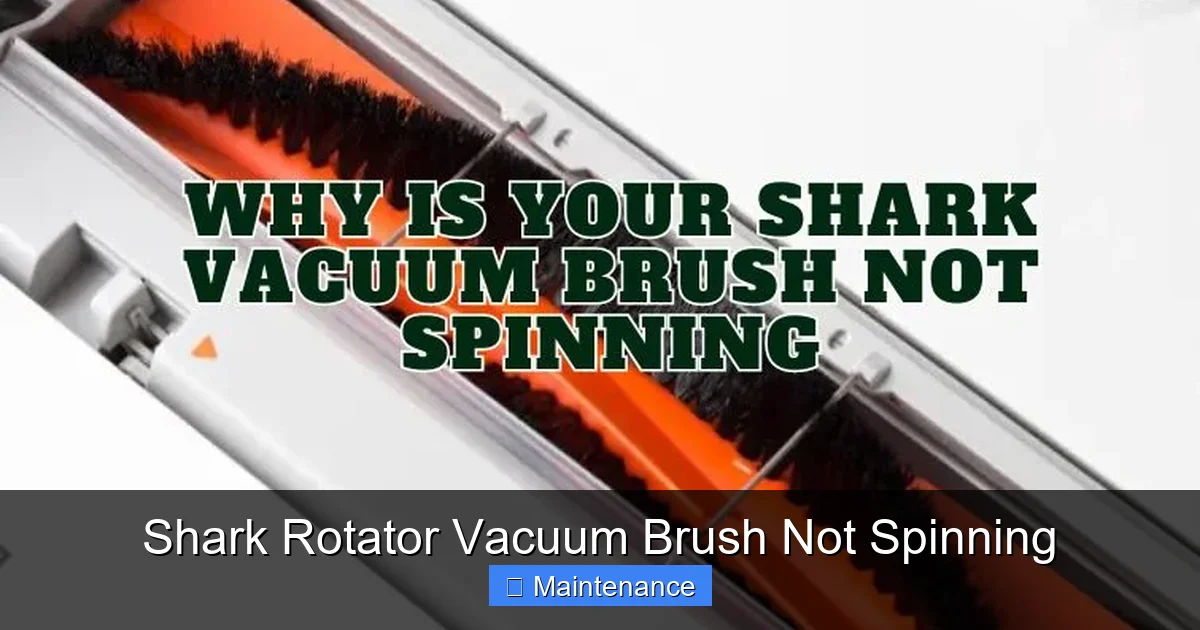
Visual guide about Shark Rotator Vacuum Brush Not Spinning
Image source: supercleanworldall.com
The Hidden Brush Roll Motor
In many Shark Rotator models, the brush roll is powered by its own small motor, often located in the floor head itself. You may need to remove the bottom plate (the one you removed for clog access) and possibly a second plastic cover to see it. Look for a small, black, cylindrical component with two wires attached. Visually check for any burnt marks, melted plastic, or loose wires. If you have a multimeter, you can test it for continuity (consult a guide on motor testing), but for most users, this is where the “professional repair” call becomes reasonable. If this motor is dead, Shark parts departments can sell you a replacement, but the labor to install it is more involved.
Safety Switch and Wire Harness
Trace the wires from the brush roll motor. You should find a small plastic connector clip. Unplug it (press the tab and pull). Look inside both the male and female connectors for corrosion or bent pins. Re-seat it firmly. Also, look along the wire harness for any pinched or frayed wires, especially where the hose meets the floor head. Finally, locate the brush roll safety switch. It’s often a small button or lever that gets pressed when the brush roll housing is fully installed. Make sure the housing is seated *perfectly*; sometimes a piece of debris or a misaligned clip prevents it from engaging the switch. You can often hear or feel a small click as it engages.
Prevention is Key: A Maintenance Routine That Works
Fixing a problem is great. Preventing it is better. A few minutes of monthly maintenance on your Shark Rotator will virtually eliminate the “brush not spinning” panic and keep your vacuum performing at its peak for years.
Monthly Deep Clean of the Brush Roll
Don’t wait for a jam. Once a month, remove the brush roll housing as described above. Take the brush roll out. Use scissors to cut away any hair or fibers wrapped around the bristles and axles. Use an old toothbrush and a bit of soapy water to scrub the bristles clean of dust and grime. Rinse thoroughly (avoid getting water near bearings) and let it dry completely for 24 hours before reinserting. This simple habit prevents the dense, compacted clogs that are hardest to remove.
Inspect and Clean the Housing
While the brush roll is out, use a damp cloth to wipe out the entire interior of the brush roll housing. Pay special attention to the two channels where the axles spin. Any accumulated dust or gunk here will increase drag on the brush roll and strain the motor. Also, check the suction intake port on the housing for blockages.
Belt Check and Replacement Schedule
Every 6-12 months, when you do your deep clean, take a moment to inspect the drive belt. Look for cracks, glazing (a shiny, hardened surface), or stretching. Even if it’s not broken, a worn belt can slip. Proactively replacing a $8 belt once a year is a smart investment that prevents a jammed brush and potential damage to the motor from over-straining.
When to Call It: Knowing Your Limits
We’ve covered DIY fixes for clogs, belts, brush rolls, and basic wiring. But there is a line. How do you know when to put down the screwdriver and pick up the phone?
The Cost-Benefit Analysis of Motor Repair
If you’ve conclusively diagnosed a failed brush roll motor, get a quote for the part and labor from an authorized Shark repair center or a trusted appliance repair shop. If the repair cost is more than 50% of the price of a comparable new Shark Rotator model, it’s probably not worth it. Vacuums, like all appliances, have a finite lifespan. A new vacuum comes with a warranty and full performance; a repaired one does not. For older models (5+ years), replacement is often the more economical long-term choice.
Warranty Considerations
Before you do any major disassembly, check your warranty status. If your Shark Rotator is still under the limited warranty (typically 5-7 years for the motor, 1-2 years for other parts), opening it up yourself may void that warranty. Contact Shark customer service first. They may send you a replacement part for free or instruct you to take it to an authorized service center. Voiding a warranty for a simple clog is a shame, so always verify.
Signs of a Bigger Problem
If your vacuum also has weak suction, strange smells (like burning rubber or electronics), or if the main motor seems to struggle, the issue may be more systemic than just the brush roll. These symptoms point to a failing main motor, a severe clog in the main air pathway, or a faulty electrical system. At this point, professional diagnosis is the safest and smartest path.
Frequently Asked Questions
Is it safe to use my Shark Rotator if the brush roll isn’t spinning?
Technically yes, for suction-only cleaning on hard floors. However, using it on carpet will be ineffective and can strain the main motor as it works harder without the brush’s agitation. More importantly, a jammed brush roll often indicates a clog that, if left, can reduce overall suction and potentially overheat the motor. It’s best to fix the issue before continuing regular use.
How much does a Shark Rotator drive belt cost to replace?
A replacement drive belt for a Shark Rotator is very inexpensive, typically costing between $6 and $12 for an OEM (original equipment manufacturer) or high-quality generic belt. This makes it one of the most cost-effective DIY repairs you can perform. Always verify the belt model matches your specific vacuum series.
Can a clogged brush roll damage the vacuum’s motor?
Yes, absolutely. When the brush roll is jammed, the motor that drives it has to work much harder to try and turn it. This draws excess current, which can overheat and eventually burn out the motor windings. This is why it’s critical to stop using the vacuum and address a non-spinning brush immediately, rather than forcing it to work.
What’s the difference between the brush roll in a Shark Rotator and a Shark Vertex?
The core function is the same, but the design differs. The Shark Rotator typically uses a standard rubber belt-driven brush roll with bristles. The newer Shark Vertex series often uses a “DuoClean” system with two brush rolls (a bristle brush and a soft roller) and is frequently beltless, using a direct motor drive connection. Troubleshooting steps are similar (check for clogs), but the belt inspection step is irrelevant for a beltless Vertex model.
My Shark Rotator brush spins but makes a horrible grinding noise. What is that?
A grinding noise usually indicates worn-out bearings or bushings inside the brush roll itself. The plastic casing of the brush roll spins on these small bearings. When they wear out, the metal parts grind against each other. The fix is to replace the entire brush roll assembly. It’s an easy swap and will restore quiet operation.
After fixing the clog, my brush roll still won’t spin. What are the most likely next causes?
In order of likelihood after a clog: 1) A broken or slipped drive belt. 2) A tripped safety switch due to the housing not being seated correctly after your repair. Double-check that the brush roll housing clicks firmly into all its locking points on the floor head. 3) A seized brush roll bearing (the brush roll itself is bad). 4) A failed brush roll motor or wiring issue. Systematically check each one.