Is your Shark Rotator True Pet’s brush roll stubbornly refusing to spin? This is a very common issue, usually caused by clogs, a broken belt, or worn parts. The good news is that most fixes are simple, inexpensive, and you can do them yourself at home with basic tools. This guide walks you through every possible cause, from a hair jam to a failed motor, with clear, step-by-step troubleshooting and maintenance tips to get your pet hair vacuum back in action.
You’re in the middle of tackling the aftermath of a shedding season with your trusty Shark Rotator True Pet. The vacuum is humming, the suction feels strong, but the all-important brush roll—the very heart of its pet hair fighting power—is stubbornly still. No spinning, no agitating, just a silent, static bar of plastic. Frustration sets in. Before you panic and assume the worst, or start shopping for a new vacuum, take a deep breath. A Shark Rotator True Pet brush roll not working is one of the most common and most fixable problems in the world of pet vacuums. This guide will be your complete roadmap to diagnosing, fixing, and preventing this issue. We’ll start simple and work our way to the more complex, so you can confidently get your machine back to its fur-fighting best.
Key Takeaways
- Most brush roll issues are simple clogs: The #1 reason a Shark Rotator True Pet brush roll stops is packed pet hair and debris wrapping around the roll and bearings. A thorough clean often solves the problem.
- The drive belt is a frequent failure point: This small rubber belt connects the motor to the brush roll. It can stretch, slip off, or break entirely, stopping rotation. It’s cheap and easy to replace.
- Check the brush roll itself for wear: Bristles wear down, bearings seize, and the plastic housing can crack. A visibly damaged or wobbly brush roll needs replacing.
- Always inspect the air pathway: A clog anywhere from the brush roll housing to the hose or exhaust will cause the vacuum to shut down or the brush roll to stop due to lack of airflow.
- Electrical issues are rare but possible: Problems with the switch, motor brushes, or wiring are less common but require more advanced diagnosis or professional repair.
- Preventative maintenance is key: Regularly checking and cleaning the brush roll and belt after vacuuming pet hair will drastically reduce the chance of a failure.
📑 Table of Contents
- Understanding the Culprit: How the Brush Roll is Powered
- Step-by-Step Diagnostic & Repair Guide
- Deep Dive: Replacing the Drive Belt Correctly
- The Brush Roll Itself: When to Replace vs. Clean
- Preventative Maintenance: Stopping the Problem Before It Starts
- When to Seek Professional Help or Consider Replacement
- Conclusion: Empowerment Through Understanding
Understanding the Culprit: How the Brush Roll is Powered
To troubleshoot effectively, you need to understand the basic system. The brush roll in your Shark Rotator True Pet isn’t powered by a separate motor. Instead, a single motor creates suction. A fraction of that motor’s power is diverted via a system of belts and pulleys to spin the brush roll. This is a crucial point: if the brush roll stops but suction seems normal, the problem is almost certainly in this dedicated drive system—the belt, the brush roll bearings, or the brush roll itself. If suction is also weak or the vacuum shuts off, the problem is likely a major clog causing motor overload. Knowing this difference saves you time.
The Drive Belt: The Most Common Failure
The small, often red or black, rubber belt is the workhorse of the brush roll system. It stretches over a pulley on the motor shaft and another on the brush roll end. Over time, with exposure to heat, tension, and pet hair grit, this belt will wear out. It can stretch and slip, it can get a glazed, shiny surface that loses grip, or it can snap entirely. When this happens, the motor may run fine, but the power never reaches the brush roll. It’s the single most common reason for a Shark Rotator True Pet brush roll not working.
The Brush Roll and Its Bearings
The brush roll itself is a simple tube with bristles and two bearings (one on each end) that allow it to spin freely inside its housing. These bearings can seize up with grime, or the entire plastic end caps can crack. If the brush roll can’t spin freely in its housing, it will bind and stop, even if the belt is perfectly fine. Additionally, if the bristles are worn down to nubs or completely missing, the roll might still spin but be completely ineffective at agitating carpet fibers—a different kind of “not working.”
The Role of Airflow and Safety Switches
Your Shark vacuum has a clever safety feature. If airflow is blocked—by a full dust cup, a clogged hose, or a packed filter—a safety switch can shut down the brush roll motor circuit to prevent overheating. So, a major clog can mimic a brush roll failure. Always check for clear airflow from end to end when diagnosing.
Step-by-Step Diagnostic & Repair Guide
Now, let’s get our hands dirty. Follow this sequence to systematically find and fix the problem. Always unplug your vacuum before beginning any inspection or repair.
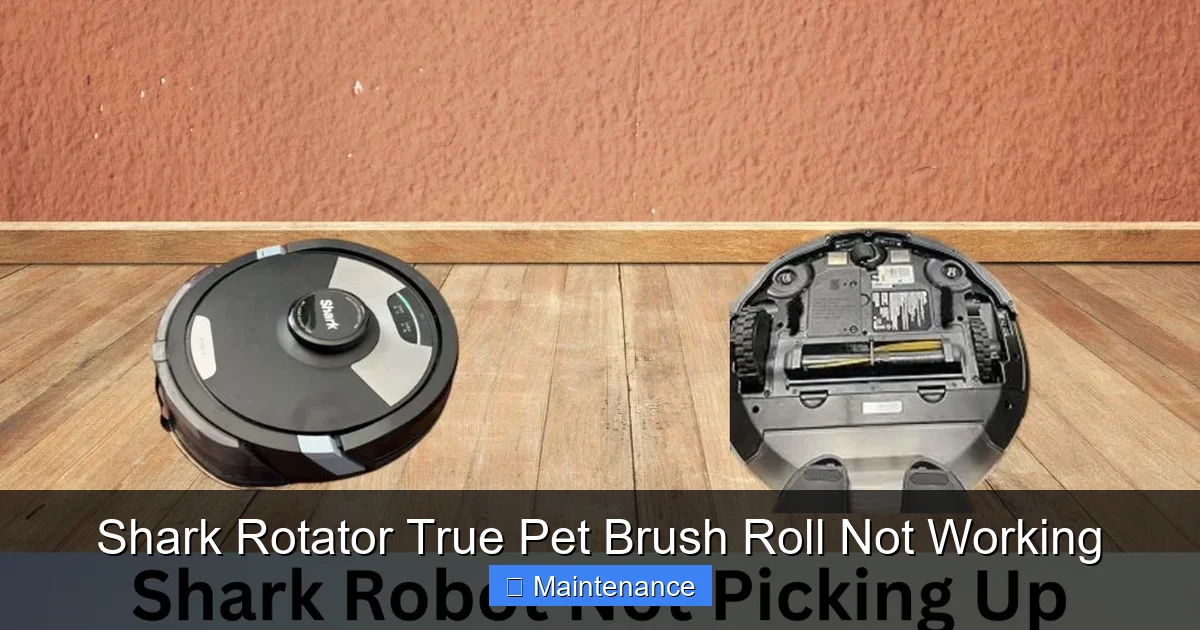
Visual guide about Shark Rotator True Pet Brush Roll Not Working
Image source: sharkvacuum.blog
Step 1: The Visual Inspection & Basic Clean
Lay your Shark Rotator True Pet on its back so you can see the brush roll housing clearly. Flip the vacuum over and look at the brush roll through the opening on the bottom. Is it visibly jammed with a thick mat of hair, string, or carpet fibers? This is the most frequent cause. Use a seam ripper, scissors, or a dedicated brush roll cleaning tool to carefully cut and remove all debris wrapped around the bristles and especially around the bearings on each end. Clear the entire housing cavity. Reassemble and test. If it works, you’ve saved yourself a part and a lot of hassle. If not, move to the next step.
Step 2: Accessing and Checking the Drive Belt
To check the belt, you need to remove the bottom plate of the vacuum. On the Shark Rotator True Pet models, this is usually held on by 4-6 screws. Unscrew them and gently pry the plate off. You will now see the brush roll, the belt, and the motor pulley. First, try to spin the brush roll by hand. It should turn freely. If it’s stiff or seized, the problem is the brush roll or its bearings, not the belt. If it spins freely, look at the belt. Is it loose and flopping? Is it broken or missing? Is it shiny and glazed? Any of these conditions means the belt needs replacement. To remove the old belt, simply stretch it off the pulleys. To install a new one (part number typically V6 or similar for True Pet models), stretch it over the motor pulley first, then rotate the brush roll to slip the other side onto its pulley. It’s a tight fit; use needle-nose pliers if needed. Ensure it’s seated properly in the groove on both pulleys. Reassemble and test.
Step 3: Removing and Inspecting the Brush Roll
If the belt was fine but the brush roll still didn’t spin freely by hand, you must remove it. With the bottom plate off, locate the plastic end caps on the brush roll. They usually clip in. Gently pry them off with a flathead screwdriver, being careful not to break the plastic. Once the caps are off, you can slide the brush roll out of the housing. Now, inspect it thoroughly. Spin the bearings by hand. Do they grind, feel gritty, or not turn at all? They are seized. Look at the plastic end caps for cracks. Check the bristles—are they significantly worn, melted from heat, or missing? Any of these issues mean the brush roll assembly needs to be replaced. Purchase the exact Shark Rotator True Pet brush roll replacement part (often sold as a complete assembly with bearings). Install the new one by sliding it in, re-attaching the end caps, and ensuring it sits level in the housing before putting the bottom plate back on.
Step 4: Checking for Clogs & Airflow Blockages
If the brush roll and belt seem perfect but the vacuum still won’t run the brush roll, check for a clog that might be tripping a safety switch. Start at the brush roll housing. Look up into the air intake port where the suction enters from the floor. Is it packed with debris? Use a long, thin tool to clear it. Next, detach the hose and wand. Look through them from both ends. Use a broom handle or a flexible clog-removal tool to dislodge any obstructions. Finally, check the exhaust filter and the dust cup. A completely full dust cup or a filter caked with dirt and hair can restrict airflow enough to cause a shutdown. Clean or replace the filter and empty the cup completely.
Step 5: Advanced Checks: Switch and Motor
These are less common but possible. If you’ve replaced the belt and brush roll and cleared all clogs with no success, the issue might be electrical. The brush roll on/off switch (often a red button on the top of the handle) can fail. You’d need a multimeter to test it for continuity. The motor brushes inside the motor housing can wear out, or the motor itself can fail. These repairs are more involved, require soldering skills and specific parts, and for most users, signal that it’s time to call Shark customer support (if under warranty) or a reputable small appliance repair shop.
Deep Dive: Replacing the Drive Belt Correctly
Since the belt is the prime suspect, let’s go deeper. A common mistake after replacing a belt is not seating it correctly, leading to immediate failure or slippage.

Visual guide about Shark Rotator True Pet Brush Roll Not Working
Image source: sharkvacuum.blog
Identifying the Correct Replacement Belt
Do not guess. The Shark Rotator True Pet uses a specific belt. The part number is critical. Check your user manual. If you don’t have it, look for a sticker on the vacuum’s body or the old belt itself (if it’s intact). You can also search online for “Shark Rotator True Pet belt” or “Shark V6 belt.” Reputable parts suppliers like Shark’s own website or Amazon will list the exact fit. Generic “vacuum belts” are often the wrong size or thickness and will fail quickly.
Installation Tips for a Perfect Fit
When installing the new belt, ensure the vacuum is unplugged. Place the belt over the motor pulley first. It’s easier. Then, while holding tension on the belt, rotate the brush roll to guide the belt onto its pulley. You will feel it snap into the groove. Do not force it. Once on, rotate the brush roll by hand several full turns. You should feel smooth resistance and hear/see the belt moving evenly on both pulleys. There should be no twists in the belt. Reinstall the bottom plate, making sure no screws are overtightened and the plate isn’t warped, which could rub on the brush roll.
Signs of a Bad Belt Installation
If after reassembly the brush roll still doesn’t spin or you hear a squealing/squeaking noise, the belt is likely not on correctly. It may have jumped off a pulley inside the housing, or it may be twisted. You’ll need to reopen it and check. A broken belt immediately after installation usually means it was pinched between the housing and the brush roll or was defective.
The Brush Roll Itself: When to Replace vs. Clean
Not every brush roll issue means replacement. Sometimes, a deep clean is all it needs.
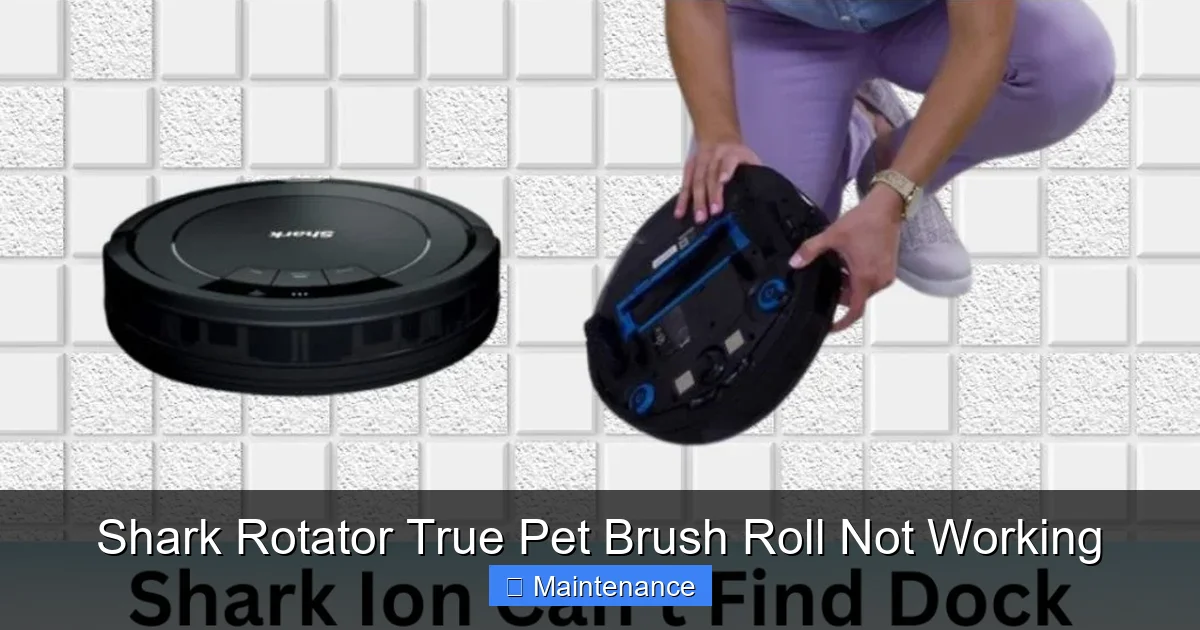
Visual guide about Shark Rotator True Pet Brush Roll Not Working
Image source: sharkvacuum.blog
Performing a Deep Clean
Even if you removed hair, gunk can build up inside the bearings. After removing the brush roll, take it to a sink. Use an old toothbrush and a degreaser like dish soap or Simple Green. Scrub the plastic housing, the bristles, and most importantly, the bearing areas where the axle spins. Work the bristles back and forth to dislodge any fine dust packed at the base. Rinse thoroughly with water (avoiding the motor end of the vacuum!) and let it dry completely for 24 hours before reassembling. Moisture in the bearings will cause them to rust and seize.
Recognizing Irreparable Wear
If the bristles are scorched, melted, or worn down to less than 1/4 inch, the brush roll’s effectiveness is gone. If the bearings feel gritty even after cleaning, or if the plastic end caps are cracked, replacement is the only option. Continuing to use a damaged brush roll will just damage your carpet and put extra strain on the belt and motor.
Sourcing the Right Replacement Brush Roll
As with the belt, use the exact part number. For the Shark Rotator True Pet, common part numbers are in the “XV” or “BP” series, like BP8 or XV641. Buy from Shark directly or an authorized dealer to ensure quality. Third-party brushes often have inferior bristles that fall out or don’t have the right stiffness for pet hair.
Preventative Maintenance: Stopping the Problem Before It Starts
The best fix is the one you never need. A few minutes of care after each major pet hair cleanup will add years to your vacuum’s life.
The “Post-Vacuum” Routine (2 Minutes)
After you finish vacuuming, especially after a heavy shed, flip the machine over. Use your fingers or a tool to pick any visible hair from the brush roll and the housing edges. Don’t wait for it to wrap around the axles. Empty the dust cup. If the cup is more than half full, rinse it out (let it dry fully). This maintains maximum suction and prevents the motor from working harder, which generates more heat that can degrade belts faster.
Monthly Deep Clean
Once a month, take the 5 minutes to remove the bottom plate and brush roll for a proper inspection and cleaning as described above. Wipe down the interior of the housing with a damp cloth. Check the belt for cracks or glazing. This proactive habit catches wear early. A belt that’s starting to glaze can be washed with soapy water, rinsed, and dried to restore some friction, but it’s a temporary fix—plan for replacement soon.
Protecting Your Floors and the Vacuum
Be mindful of what you vacuum. Long, fibrous items like shoelaces, extension cords, and especially long hair (human or pet) are the #1 cause of brush roll jams. Do a quick visual scan of the area first. For very thick area rugs with loose loops, consider using the vacuum without the brush roll (some Sharks have a “hard floor” setting that turns it off, or you can simply not press the brush roll pedal down) to avoid pulling those loops and jamming the roll.
When to Seek Professional Help or Consider Replacement
You’ve replaced the belt and brush roll, cleared every conceivable clog, and you’re sure the switch is working, but that brush roll still won’t spin. Now what?
Diagnosing Motor and Wiring Issues
The final link in the chain is the motor itself. The motor has two sets of brushes that wear down. If they’re short, the motor won’t spin under load (like when the belt is attached). Diagnosing this requires opening the motor housing, which is complex and voids the warranty if you’re not careful. There could also be a broken wire or a failed thermal fuse. At this stage, unless you’re experienced with appliance repair, it’s time to call for help.
Evaluating Warranty and Repair Costs
Check your Shark warranty. Many models have a lifetime warranty on the motor and a 1-2 year warranty on other parts. If your vacuum is under warranty, contact Shark first. They may ship you a new belt or brush roll for free. If it’s out of warranty, get an estimate from a repair shop. A motor repair can cost $70-$120 in parts and labor. At that point, weigh the cost against the price of a new Shark Rotator True Pet (which often goes on sale). If the vacuum is older than 5-7 years, a new model with full warranties might be the smarter long-term investment.
Making the Decision: Repair or Replace?
Ask yourself: Is the rest of the vacuum in good shape? Are the filters clean? Is the suction still strong when the brush roll is disengaged? If yes, and the repair cost is under 50% of a new machine, repair is economical. If the vacuum has other issues—cracked body, weak suction, clogged internals—it’s likely time to recycle it responsibly and put that energy towards a new, efficient model.
Conclusion: Empowerment Through Understanding
Finding your Shark Rotator True Pet brush roll not working is an annoyance, but it’s rarely a catastrophe. By understanding the simple, elegant mechanics of how that brush roll spins, you empower yourself to be the fixer. Start with the most likely culprit: a hair jam. Then move to the inexpensive, wearable part: the belt. Then the brush roll assembly itself. Always check for clogs that trick the safety system. With this logical, step-by-step approach, you will solve the problem 90% of the time yourself, saving money, time, and landfill waste. Your vacuum is a durable machine built for the rigors of pet ownership. A little periodic maintenance is all it asks in return for years of reliable, fur-busting service. Now, go tackle that pet hair with confidence!
Frequently Asked Questions
My Shark Rotator True Pet brush roll spins but doesn’t pick up hair. Why?
If the brush roll spins but pickup is poor, the issue is likely not the brush roll drive. First, check for a full dust cup or a clogged filter, which kills suction. Second, the brush roll bristles may be worn down or melted, making them ineffective at agitating carpet. Replace the brush roll assembly if the bristles are short or damaged.
How often should I replace the drive belt on my Shark pet vacuum?
There’s no set schedule, as it depends on usage. For a household with heavy-shedding pets vacuuming multiple times per week, inspect the belt every 3-6 months. Plan to replace it every 1-2 years as a preventative measure, or immediately if you see cracks, glazing, or stretching.
Is it normal for the brush roll to feel hot after use?
It can be warm, but it should not be too hot to touch. If it’s scorching hot, it indicates excessive friction, usually from a clogged brush roll housing, a seized bearing, or a belt that is too tight or misaligned. This is a sign to immediately turn off the vacuum, unplug it, and perform a full inspection and cleaning.
Can I use my Shark Rotator without the brush roll?
Yes, you can. On most Shark Rotator models, pressing the “brush roll off” pedal on the top of the cleaner head will disengage the drive belt and stop the brush roll from spinning, while maintaining suction. This is safe for hard floors and delicate rugs and is a good way to clean if your brush roll is broken and you’re waiting for a replacement part.
My vacuum smells like burning rubber and the brush roll stopped. What is it?
This is the classic, unmistakable sign of a broken or jammed drive belt. The belt has likely snapped or is jammed against the motor pulley, causing it to overheat and burn. Unplug the vacuum immediately, flip it over, and check the belt. Replace it if broken. Also, check for any debris jam that caused the belt to break in the first place.
Will Shark replace my brush roll or belt for free?
It depends entirely on your vacuum’s warranty status. If your Shark Rotator True Pet is still within the parts warranty period (typically 1-3 years for wear items like belts and brushes), and the failure is due to a defect, Shark customer support may provide a free replacement part after verifying your model and serial number. Normal wear and tear from use is generally not covered. Always have your model number (usually on a sticker on the vacuum) ready when you call.