Keeping your Shark Rocket HV300 or HV320 vacuum cleaner running at peak performance is directly tied to the health of its filters. These essential components trap fine dust, allergens, and debris, protecting the motor and ensuring clean air is expelled back into your home. Using the correct Shark Rocket HV300HV320 replacement filters—whether the pre-motor foam and felt pad or the post-motor HEPA filter—and maintaining them through regular cleaning or timely replacement is non-negotiable for suction power, machine longevity, and a healthier living environment. This guide provides everything you need to know about identifying, purchasing, installing, and caring for these filters.
Key Takeaways
- Filters are the lungs of your vacuum: They protect the motor from damaging debris and ensure the air expelled is clean, directly impacting suction power and indoor air quality.
- Two critical filter types: The HV300/HV320 uses a washable pre-motor foam/felt filter and a replaceable post-motor HEPA filter, each with a distinct role and maintenance schedule.
- Perfect compatibility is key: Always verify the filter model number (typically “HF40” for the pre-motor set and “HEPA” for the post-motor) matches your specific Shark Rocket HV300 or HV320 to ensure a proper seal and function.
- Cleaning extends life, but replacement is inevitable: The pre-motor filter should be washed monthly and replaced every 3-6 months. The HEPA filter is not washable and must be replaced every 6-12 months, depending on use.
- Genuine vs. aftermarket: Genuine Shark filters guarantee perfect fit and performance. High-quality aftermarket filters can offer value but must be rigorously vetted for material quality and seal integrity.
- Signs of filter failure are clear: Noticeable loss of suction, a musty odor, or visible tears/compaction in the filter media mean it’s time for immediate attention.
- Proper installation is simple but crucial: Ensuring filters are completely dry before reinsertion and seated correctly in their housings prevents damage and maintains efficiency.
📑 Table of Contents
- Why Your Shark Rocket’s Filters Are More Important Than You Think
- Decoding the Filter System: What Filters Does Your HV300/HV320 Actually Use?
- How to Identify When Your Filters Are Failing: The Tell-Tale Signs
- Your Complete Guide to Purchasing Shark Rocket HV300HV320 Replacement Filters
- Step-by-Step: How to Replace and Clean Your Shark Rocket Filters
- Troubleshooting: Beyond the Filter – What If New Filters Don’t Fix Suction Loss?
- The Ultimate Buying Guide: Where and How to Get the Best Filter Deal
Why Your Shark Rocket’s Filters Are More Important Than You Think
You bought your Shark Rocket HV300 or HV320 for its powerful, lightweight suction that makes quick work of floors and furniture. But that impressive power is only as good as the system that protects it. Deep inside that sleek body are your vacuum’s filters—the unsung heroes working tirelessly to capture the microscopic dust, pet dander, pollen, and bacteria that your vacuum sucks up. Think of them as the vacuum’s respiratory system. If they’re clogged, damaged, or the wrong type, your vacuum’s “breathing” becomes labored, leading to weak suction, potential motor damage from fine particulate, and dirty air being blown back into your home. Understanding and maintaining your Shark Rocket HV300HV320 replacement filters isn’t just a chore; it’s the single most important routine for preserving your investment, ensuring cleaning effectiveness, and safeguarding your family’s health, especially for allergy sufferers.
Many users focus on emptying the dust cup but neglect the filters until performance plummets. This is a costly mistake. A clogged pre-motor filter forces the motor to work harder, generating excess heat and wear, which can lead to premature failure. A saturated HEPA filter not only reduces airflow but can become a breeding ground for odors and microbes. By making filter care a monthly habit, you ensure your Shark Rocket delivers consistent, powerful, and hygienic cleaning for years to come. This article will walk you through every aspect of these critical components.
Decoding the Filter System: What Filters Does Your HV300/HV320 Actually Use?
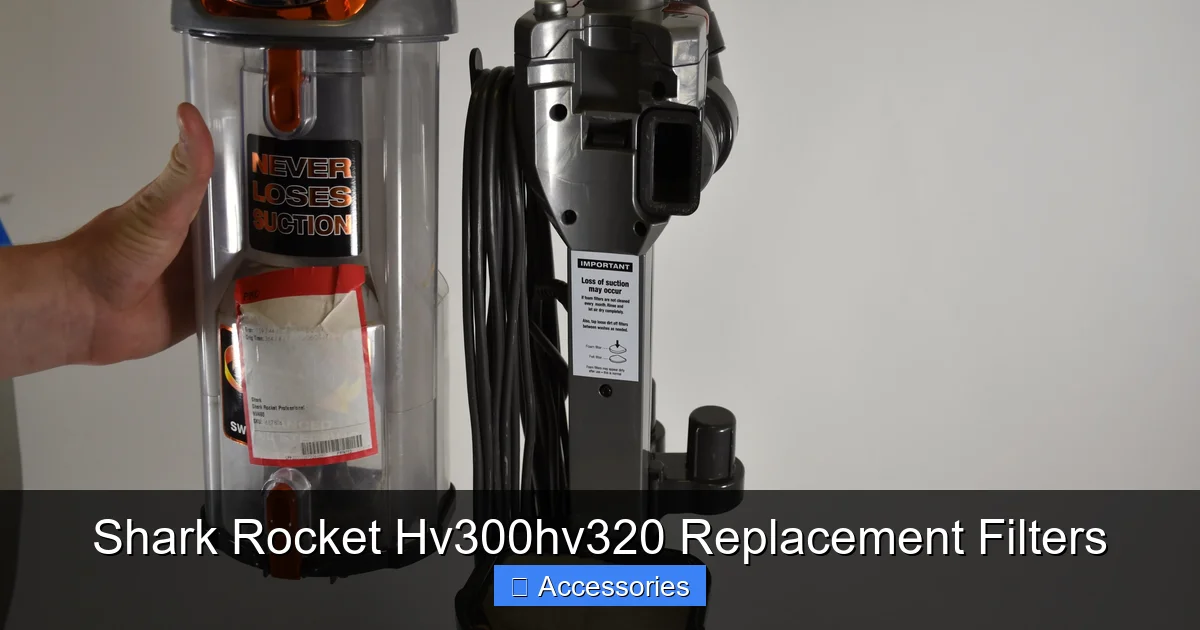
Your Shark Rocket stick vacuum utilizes a two-stage filtration system. Each filter has a specific job, location, and maintenance requirement. Confusing them or neglecting one part of the system compromises the entire cleaning process. Let’s break down exactly what’s inside your HV300 or HV320.
Visual guide about Shark Rocket Hv300hv320 Replacement Filters
Image source: d3nevzfk7ii3be.cloudfront.net
The First Line of Defense: The Pre-Motor Foam & Felt Filter (Model HF40)
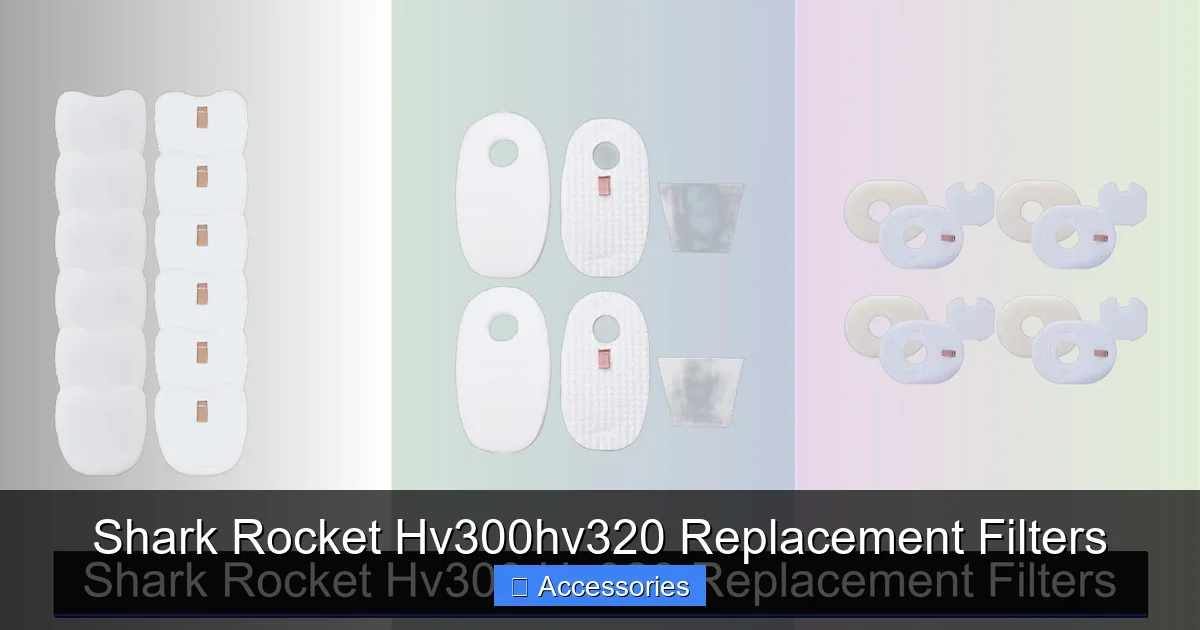
This is the primary filter that catches the bulk of the large debris—hair, carpet fibers, larger dust particles—before the air reaches the motor. In the HV300/HV320, this is typically a two-piece assembly: a coarse foam sleeve and a finer felt pad that fits inside it. Its job is to shield the vacuum’s motor from anything that could cause abrasion or clogging. This is a washable filter. After every few uses, you should tap out loose debris, and it should be thoroughly washed with water (no soap!) and dried completely (at least 24 hours) before reinserting. Over time, even with washing, the foam and felt become compacted and lose their ability to trap particles efficiently, which is why this filter set needs replacing every 3-6 months with regular use.
The Final Barrier: The Post-Motor HEPA Filter
After the air passes through the motor for cooling, it then goes through the High-Efficiency Particulate Air (HEPA) filter. This is your vacuum’s final cleanup crew, designed to capture 99.97% of particles as small as 0.3 microns—think mold spores, bacteria, and fine tobacco smoke. This filter is NOT washable. It is a pleated paper or fiber media filter that must be gently tapped to dislodge dust and eventually replaced. Its location is usually at the rear or top of the vacuum body, often behind a small access panel. A clogged HEPA filter is a primary culprit behind a sudden drop in suction power and can cause the vacuum to overheat. Shark recommends replacing this filter every 6-12 months.
A Note on Compatibility: HV300 vs. HV320
While the HV300 and HV320 are different models in the Rocket lineup, they share the same core filter system. The pre-motor filter is the universal Shark HF40 filter set (often sold as “Foam & Felt Filter for Shark Rocket & Rotator”). The post-motor filter is the standard Shark HEPA Filter for these series. This shared compatibility is great news for owners, as it means a wide availability of Shark Rocket HV300HV320 replacement filters. However, always double-check the packaging or product description to confirm compatibility with your exact model number, as minor variations can exist.
How to Identify When Your Filters Are Failing: The Tell-Tale Signs
Waiting until your vacuum stops picking up dirt is waiting too long. Filters degrade gradually, and your vacuum will give you subtle warnings. Learning to recognize these signs allows you to replace filters proactively, maintaining performance and preventing stress on the motor.
Visual guide about Shark Rocket Hv300hv320 Replacement Filters
Image source: sharkvacuum.blog
The Obvious: Noticeable Loss of Suction
This is the #1 complaint. If your Shark Rocket feels weaker than it used to, especially on bare floors where it should excel, the first suspect is a clogged filter. Before checking the dust cup, inspect your filters. A pre-motor filter packed with gray dust or a HEPA filter that looks dark and feels stiff to the touch is blocking airflow. A simple wash or replacement will often restore most of the lost power.
The Nose Knows: Unpleasant Odors
If you detect a musty, dusty, or slightly “old” smell coming from your vacuum’s exhaust, your filters are saturated. The HEPA filter, in particular, can trap organic matter that eventually decomposes. This is a clear signal that the filter media is overloaded and needs attention. Washing the pre-motor filter can help temporarily, but a persistent odor usually means the HEPA filter has reached the end of its life and needs replacing.
The Visual Inspection: Physical Damage and Discoloration
Periodically, remove your filters and give them a good look. For the pre-motor foam and felt: is the foam permanently crushed and dense? Is the felt pad torn, frayed, or so dark it’s almost black? These are signs of irreversible wear. For the HEPA filter: are the pleats collapsed or torn? Is the once-white media now a uniform gray or brown? Any physical damage means the filter can no longer function effectively and must be replaced immediately.
The Performance Paradox: Vacuum Feels Hotter
Because a clogged filter restricts airflow, the motor has to strain harder to do its job. This generates more heat. If your Shark Rocket feels unusually warm to the touch after a short cleaning session, especially around the motor housing, restricted airflow from dirty filters is a very likely cause. This chronic overheating is a major factor in motor failure.
Your Complete Guide to Purchasing Shark Rocket HV300HV320 Replacement Filters
Once you’ve diagnosed a filter issue, the next step is sourcing the right replacement. The market can be confusing with genuine parts, third-party generics, and multi-packs. Here’s how to navigate it wisely.
Visual guide about Shark Rocket Hv300hv320 Replacement Filters
Image source: images-na.ssl-images-amazon.com
Genuine Shark Filters: The Gold Standard
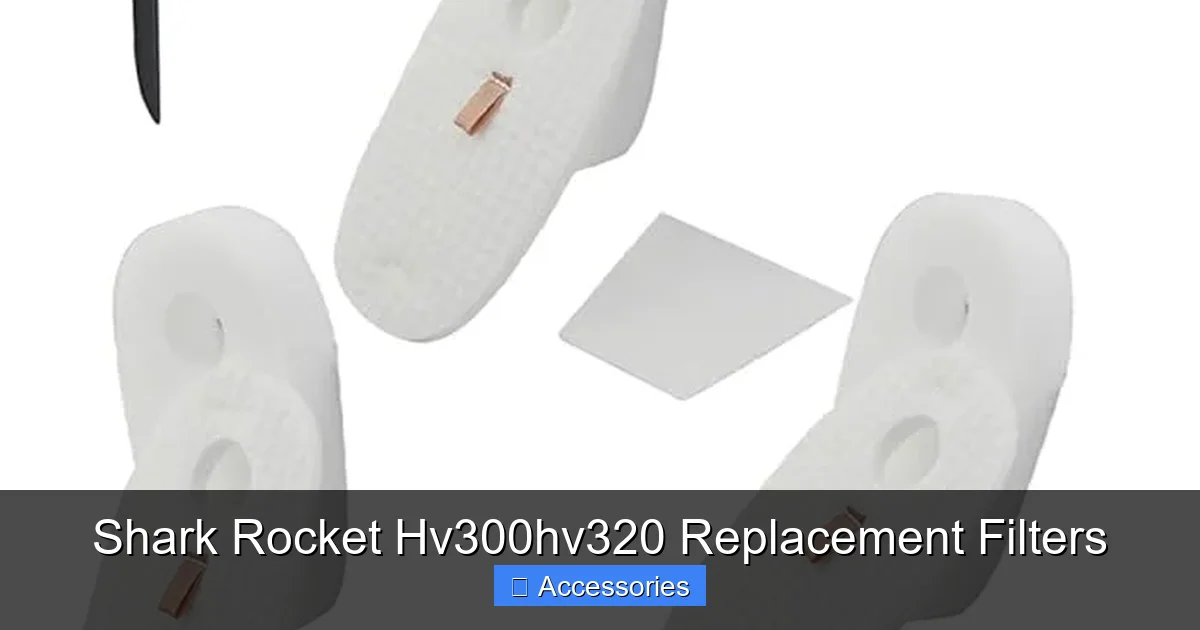
Purchasing filters directly from Shark (or an authorized retailer) guarantees you get the exact filter engineered for your vacuum. The materials, pleat design, and sealing edges are precisely manufactured to fit the filter housings without gaps, ensuring 100% of the air is filtered. For the HEPA filter, genuine Shark filters use specific media that meets their stringent 99.97% efficiency claim. The main drawback is cost; genuine Shark filters are typically the most expensive option. However, for optimal performance, warranty compliance, and peace of mind, they are the safest bet.
Aftermarket & Generic Filters: Weighing the Risks and Rewards
Many third-party manufacturers produce compatible filters for popular models like the HV300/HV320. These can be significantly cheaper. The key is quality variance. Some aftermarket brands use excellent materials that closely mimic the genuine filter’s performance and fit. Others use cheaper, less dense media that may not capture as many fine particles and can allow bypass air around the edges if the seal is poor. When considering an aftermarket filter:
- Read reviews meticulously: Look for comments specifically about fit (“perfect seal,” “no gaps”) and long-term performance.
- Check return policies: A reputable seller will offer a good return window if the filter doesn’t fit or perform.
- Inspect the product: Compare images to genuine filters. The foam should be a consistent, open-cell structure. The HEPA filter pleats should be uniform and crisp, not ragged.
A high-quality aftermarket filter can be a smart, cost-effective choice, but it requires more research.
Understanding Pack Types and Value
You’ll find filters sold individually, in two-packs (usually one pre-motor set and one HEPA), or in larger bulk bundles. Consider your maintenance schedule:
- Individual: Best if you only need to replace one filter type right now.
- Combo Pack (HF40 + HEPA): The most common and often best-value option, ensuring you have both critical filters on hand when needed. This is ideal for following the 3-6 month (pre-motor) and 6-12 month (HEPA) replacement cycle.
- Bulk Packs (2+ combo packs): For households with pets, allergies, or heavy use, buying a year’s supply at once can offer the lowest per-filter cost.
Step-by-Step: How to Replace and Clean Your Shark Rocket Filters
Maintenance is straightforward, but doing it correctly is vital. Here are detailed instructions for both filter types.
Replacing/Cleaning the Pre-Motor Filter (HF40)
- Access: Locate the filter cover on the back of the vacuum body (for most HV300/HV320 models). It’s a circular or rectangular panel secured by a twist-lock or clips. Rotate or press to release.
- Remove: Pull the filter assembly straight out. You’ll see the foam sleeve and the felt pad inside it.
- Clean (if washing): Tap off loose debris. Rinse the foam and felt under cool running water. Gently squeeze—do not wring or twist. Do not use any detergents or cleaners, as residues can damage the media and create odors. Rinse until water runs clear.
- Dry COMPLETELY: This is the most critical step. Place the filters in a warm, dry, well-ventilated area, ideally standing on end. Do not use a hair dryer or heat source. They must be 100% bone-dry to prevent mold and motor damage. Allow at least 24 hours, sometimes longer in humid climates.
- Replace: Once dry, reinsert the felt pad into the foam sleeve, then place the assembly back into the housing, ensuring it sits flush and the cover locks securely.
- Replace (when worn): If the foam is permanently compressed, the felt is torn, or cleaning no longer restores performance, discard the old set and install a new HF40 filter set.
Replacing the Post-Motor HEPA Filter
- Access: The HEPA filter is usually located on the top or rear of the motor housing. Look for a small rectangular or square access door, often secured by a screw or a slide clip.
- Remove: Open the cover and pull the HEPA filter straight out. Note its orientation; it only fits one way.
- Dispose: The old HEPA filter cannot be cleaned. Tap it gently over a trash can to dislodge surface dust, then discard it.
- Install: Take the new HEPA filter. Align it with the housing, ensuring the plastic frame is intact and the pleated media is undamaged. Press it firmly into place until it seats fully. Close and secure the access door.
Pro Tip: Make a note on your calendar or set a phone reminder for filter maintenance. A good schedule is: clean pre-motor filter monthly, replace pre-motor filter every 3-6 months, replace HEPA filter every 6-12 months. Adjust based on your home’s dust/pet levels.
Troubleshooting: Beyond the Filter – What If New Filters Don’t Fix Suction Loss?
You’ve just washed the pre-motor filter and installed a brand-new HEPA filter, but your Shark Rocket still feels weak. Don’t panic. The filter is the most common culprit, but other issues can mimic filter failure.
Check the Dust Cup and Pre-Filter
Is the dust cup completely full? Even a small amount of debris packed around the inlet ports can restrict airflow. Empty it and check the mesh screen inside the cup for clogs. Also, some models have a small circular pre-filter or mesh screen before the main dust cup. Clean this as well.
Inspect the Hose and Wand for Blockages
A solid clog in the wand, hose, or brush head will kill suction just as effectively as a bad filter. Detach the hose and wand from the vacuum and look through them. Use a long, flexible brush or even a straightened wire coat hanger (gently!) to dislodge any built-up hair or debris. Check the brush roll housing—hair and fibers can wrap around the roller and bearings, creating a drag.
Evaluate the Brush Roll
Is the brush roll spinning freely? Turn the vacuum off, flip it over, and manually rotate the brush roll. It should spin smoothly. If it’s stiff or jammed with hair, clean it out thoroughly. A seized brush roll puts extra strain on the motor and reduces cleaning power.
Consider the Battery (Cordless Models)
If you own a cordless Shark Rocket variant, battery health is a major factor in suction. As batteries age, they can’t sustain the high power needed for strong suction, especially in “max” mode. A weak battery will feel like a filter problem. If your vacuum is a few years old and runs for significantly less time than when new, the battery may need replacement.
The Ultimate Buying Guide: Where and How to Get the Best Filter Deal
Now that you’re an expert on what filters are and how to care for them, where should you buy them? And how do you get the best value without compromising quality?
Official Channels: Shark’s Website & Authorized Retailers
For guaranteed genuine parts, start with Shark’s official website. You can enter your model number (found on the back plate) and they will list the exact filter kits. Major retailers like Target, Walmart, Best Buy, and Amazon (when sold by Shark) also carry genuine Shark filter packs. The advantage here is authenticity and easy returns. The disadvantage is typically the highest price point.
Amazon: A Marketplace of Options
Amazon is a double-edged sword. You’ll find genuine Shark filters sold by Shark or authorized sellers, often at a slight discount. You’ll also find a vast array of third-party filters. The strategy here is to use Amazon’s powerful review system. Filter for 4+ stars and READ the negative and critical reviews. Look for phrases like “fits perfectly,” “no air leaks,” “same as original,” versus “doesn’t seal,” “smells chemical,” “collapsed after one wash.” Sorting by “Most Recent” reviews can also show you if quality has changed over time.
Specialty Appliance & Vacuum Parts Retailers
Websites like PartSelect, eReplacementParts.com, or local vacuum repair shops are excellent resources. They specialize in appliance parts and often have detailed compatibility charts. A local shop is invaluable for hands-on advice—you can sometimes take your old filter in to ensure a perfect match. They may also carry high-quality aftermarket brands not found on big-box sites.
Value Hunting: Multi-Packs and Subscriptions
Once you’ve identified a trusted brand (genuine or high-quality aftermarket), buy in bulk. A 2-pack or 4-pack of combo kits almost always offers a lower cost-per-filter. Some sellers on Amazon or directly from brand websites offer “Subscribe & Save” options, automatically shipping you filters on a set schedule (e.g., every 9 months) at a discounted rate. This takes the mental load out of maintenance.
Red Flags to Avoid
Steer clear of listings that:
- Are suspiciously cheap (e.g., a full combo pack for $5 when genuine costs $25).
- Have no reviews or only generic 5-star reviews.
- Use blurry, stock photos that don’t match the genuine filter’s exact shape and color.
- Don’t specify the model numbers (HF40, etc.) clearly in the title or description.
- Claim the HEPA filter is “washable.” This is a definitive sign of a low-quality, ineffective product.
Frequently Asked Questions
How often should I replace the filters in my Shark Rocket HV300/HV320?
The washable pre-motor foam and felt filter set (HF40) should be replaced every 3-6 months with regular use, even with monthly washing. The non-washable post-motor HEPA filter should be replaced every 6-12 months. Households with pets, allergies, or high dust levels should lean toward the shorter end of these ranges.
Can I wash the HEPA filter in my Shark Rocket?
No, the HEPA filter is not designed to be washed. It is made of pleated paper or fiber media that is destroyed by water. Attempting to wash it will ruin its filtration capability and can cause it to disintegrate. You can gently tap it over a trash can to remove loose dust, but it must be replaced entirely when it becomes saturated.
What happens if I don’t replace my Shark Rocket filters?
Neglecting filter replacement leads to progressively worse suction power, as clogged filters block airflow. It forces the motor to work harder, causing overheating and significantly shortening the vacuum’s lifespan. A saturated HEPA filter can also harbor mold and bacteria, releasing odors and potentially allergens back into your home air.
Where is the model number for my filters located?
The model number for your vacuum itself is on a label on the back or underside of the main body. For filter identification, the pre-motor filter assembly is almost always the Shark HF40. The HEPA filter is simply labeled as a Shark HEPA Filter for the Rocket/ Rotator series. The easiest method is to search “Shark Rocket HV300 filter” online, and retailers will list the compatible part numbers.
Are third-party filters safe for my Shark Rocket vacuum?
High-quality third-party filters from reputable brands can be safe and effective, but there is risk. Poorly made filters may have gaps in the seal, allowing unfiltered air to bypass the system, or use inferior media that doesn’t capture small particles. Always buy from sellers with excellent return policies and check reviews carefully for mentions of fit and performance. When in doubt, genuine Shark filters are the guaranteed safe choice.
My vacuum smells musty even after changing filters. Why?
A persistent musty odor usually indicates that organic debris (like pet accidents, spilled food, or damp dirt) was pulled into the vacuum and trapped deep within the system, possibly in the dust cup seals, hose, or even the motor fan itself. Replace all filters, then thoroughly wash the dust cup, its gasket/seal, and the hose with a vinegar-water solution. Let all parts dry completely. If the smell persists, it may require a professional deep clean.