Is your Shark Rocket Deluxe Pro Ultra Light Vacuum HV321 suddenly stopping its brush roll from spinning? This is a common but frustrating issue, usually caused by clogs, a worn or broken belt, a tripped thermal fuse, or a faulty motor. The fix is often simple and can be done at home with basic tools. Start by unplugging the vacuum, checking for blockages in the hose and brush roll housing, and inspecting the drive belt. Most problems are resolved by clearing debris or replacing an inexpensive belt. However, if the motor itself has failed, professional repair or replacement may be more cost-effective.
You’re in the middle of cleaning your living room, the Shark Rocket Deluxe Pro Ultra Light HV321 humming along, when suddenly you notice it. That satisfying whir of the brush roll tackling carpet fibers has gone silent. You look down, and the brush head is just… sitting there. The vacuum still sucks air, but the spinning brush roll—the very heart of its deep-cleaning power—has completely stopped. Panic sets in. Is it broken for good? Did you just blow your budget on a paperweight?
Take a deep breath. A Shark Rocket HV321 not spinning is one of the most common issues with this otherwise fantastic machine, and the cause is almost always something you can diagnose and fix yourself in under 30 minutes. The problem is rarely a catastrophic failure. It’s almost always a clog, a jam, or a simple, inexpensive part that needs replacing. This guide will walk you through every possible cause, from the dead-simple to the more complex, with clear, step-by-step instructions. We’ll turn you into your vacuum’s own mechanic and get that brush roll spinning again.
Key Takeaways
- Safety First: Always unplug your Shark HV321 before inspecting or attempting any repairs to avoid electrical shock or injury.
- Most Common Cause: A clogged airway, especially in the wand or brush roll housing, is the #1 reason for a non-spinning brush roll. Check these first.
- Belt Inspection is Critical: The thin, flexible drive belt is a wear item. If it’s broken, stretched, or slipped off, the brush roll won’t spin. Replacement is easy and cheap.
- Look for Jams: Hair, string, and carpet fibers can wrap tightly around the brush roll bearings, jamming it. Remove the brush roll to clean it thoroughly.
- Thermal Fuse May Have Tripped: A motor overload from a jam can trip a thermal fuse. Let the vacuum cool for 45 minutes, then try again. If it trips repeatedly, a deeper issue exists.
- Motor Failure is Rare but Possible: If all else is clear and the belt is good, the motor that spins the brush roll may have burned out, requiring professional service.
- Regular Prevention is Key: Clean the brush roll and check for blockages monthly. This simple habit prevents 90% of “not spinning” problems.
📑 Table of Contents
- Understanding Your Shark Rocket HV321: How the Brush Roll Spins
- Diagnosis 101: Systematic Troubleshooting for a Non-Spinning Brush Roll
- Deep Dive: The Most Common Causes and Their Fixes
- Essential Maintenance: Preventing the “Not Spinning” Syndrome
- When to Call a Pro: Signs You’ve Hit Your Limit
- The Final Spin: A Working Vacuum is Within Reach
Understanding Your Shark Rocket HV321: How the Brush Roll Spins
Before we dive into fixing it, we need to understand what makes it spin. Your Shark Rocket HV321 uses a system of belts and motors. The main suction motor pulls air through the machine. A separate, smaller motor (the brush roll motor) is dedicated to spinning the brush roll. Power from the main unit travels through the wand and into the brush roll housing, where a small drive belt connects the motor shaft to the brush roll’s axle. If anything interrupts this chain of motion—a jam, a broken belt, or a failed motor—the brush roll stops.
The Two-Motor System
The HV321’s “Ultra Light” design means it doesn’t use a single, powerful motor for both suction and brush roll rotation. Instead, it uses a clever, lightweight setup. The primary suction motor is in the main pod. The brush roll has its own dedicated motor housed inside the brush roll head itself. This is why you can often hear a distinct change in sound when the brush roll motor engages (a slightly higher-pitched whine) versus when it’s just in suction-only mode. When the brush roll motor fails or isn’t getting power, you lose that sound and the spinning action.
The Role of the Drive Belt
Even though the motor is in the head, it still connects to the brush roll via a thin, rubberized belt. This isn’t a heavy, V-style serpentine belt like in a car. It’s a flat, flexible, circular belt about the size of a large rubber band. Its job is to transfer the rotational force from the motor’s small pulley to the brush roll’s larger pulley. If this belt is broken, has stretched out and lost tension, or has simply slipped off its pulleys, the motor will run (you might hear it) but the brush roll will remain still. This belt is a consumable part and is designed to be replaced.
Diagnosis 101: Systematic Troubleshooting for a Non-Spinning Brush Roll
Don’t just start taking things apart randomly. A methodical approach will save you time and prevent you from misdiagnosing the problem. We’ll start with the simplest, most likely causes and work our way down. Grab your user manual if you have it, but we’ll cover everything here.
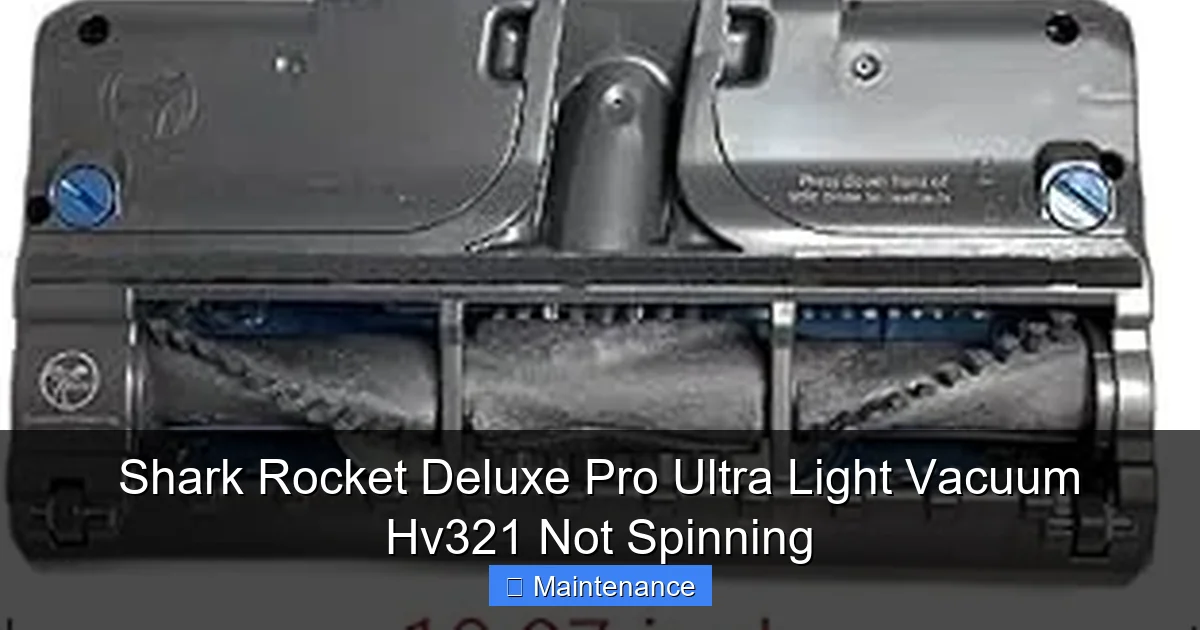
Visual guide about Shark Rocket Deluxe Pro Ultra Light Vacuum Hv321 Not Spinning
Image source: m.media-amazon.com
Step 1: The Basic Checks (2 Minutes)
First, rule out the obvious. Is the vacuum plugged into a working outlet? Is the power switch on? Is the brush roll ON? The HV321 has a dedicated brush roll on/off switch, usually located on the main body or the wand. Make sure it’s engaged. You should see and feel the brush roll activate when you press the button. If the switch is faulty, that’s one issue, but let’s assume it’s working for now.
Step 2: Listen and Feel
Turn the vacuum on in brush roll mode on a hard floor. Place your hand near the brush head. Do you feel any air being expelled? Can you hear the brush roll motor trying to turn? If you hear a high-pitched whining or buzzing but no spinning, the motor is likely getting power but is mechanically blocked (a jam) or the belt is broken/slipping. If you hear nothing from the brush head area—just the main suction motor—the power might not be reaching the brush roll motor due to a wiring issue or a tripped protection device.
Step 3: Check for Obvious Blockages
The most frequent culprit is a clog. Turn the vacuum off and unplug it. Detach the wand from the main pod. Look into the opening where the wand connects. Can you see all the way through to the other side? Use a flashlight. A common clog point is right at this connection, where debris can compact. Also, check the suction hose for any obstructions. A severe clog anywhere in the airflow path can create such back-pressure that it stalls the brush roll motor’s ability to turn. Clear any blockages you find with a long, flexible tool or by gently tapping the hose.
Deep Dive: The Most Common Causes and Their Fixes
Now that we’ve done the basics, let’s get our hands dirty. We’re going to access the brush roll head directly. This is where the solution to 90% of “not spinning” problems lies.
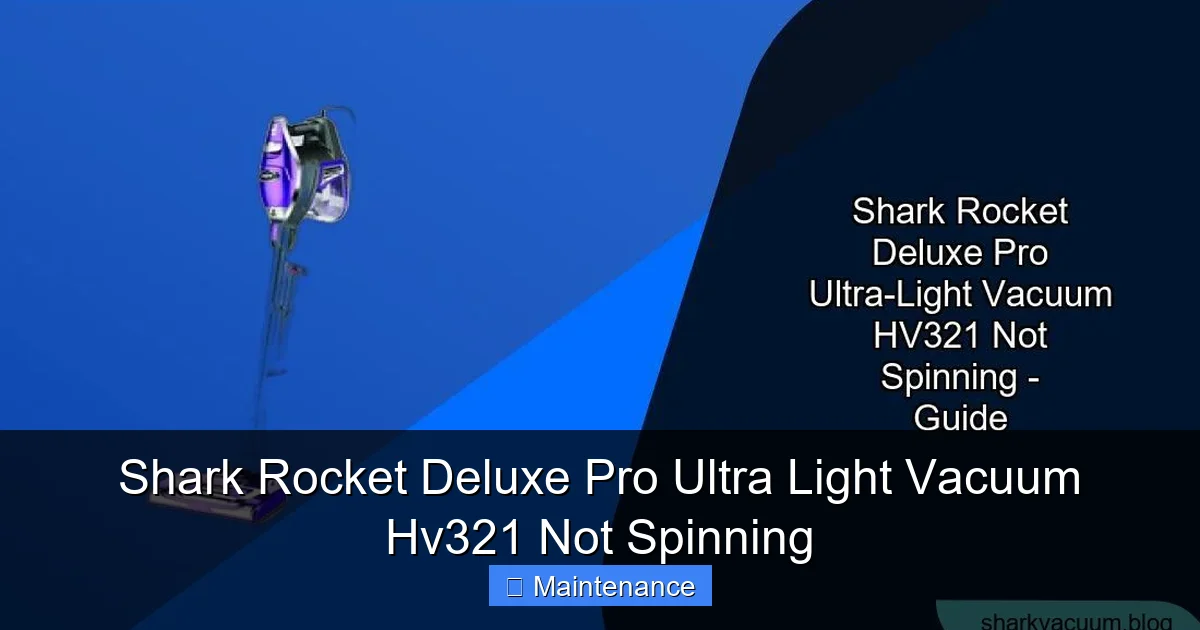
Visual guide about Shark Rocket Deluxe Pro Ultra Light Vacuum Hv321 Not Spinning
Image source: sharkvacuum.blog
Cause 1: The Jammed Brush Roll (The Hair Wrap)
This is Public Enemy #1. Long hair, pet fur, and carpet fibers wrap around the brush roll’s bearings and axle, creating a solid, immovable block. The motor strains, the belt might slip, and eventually, a thermal protector trips or the belt breaks. The fix is deceptively simple but requires thoroughness.
- How to Fix It: Lay the vacuum on its side. Locate the release latch or screws on the bottom of the brush roll head (consult your manual for exact location; it’s usually one or two screws or a sliding lock). Open the housing. You’ll see the brush roll—a cylinder with bristles. You’ll likely see a mat of hair wrapped around it, especially near the ends where the bearings are.
- The Cleaning Process: Use a seam ripper, a pair of sharp scissors, or even a dedicated “brush roll cleaning tool” to cut and pull away the hair. Don’t just yank; cut it longitudinally along the brush roll to free it. Once the bulk is off, rotate the brush roll by hand. It should spin freely with no gritty resistance. If it still feels stiff, remove it completely (usually it just pulls out or has a clip) and clean the bearings at each end with a cotton swab and a little rubbing alcohol. Remove every last strand.
Cause 2: The Worn, Broken, or Slipped Drive Belt
If the brush roll is clean and spins freely by hand but still won’t turn when the vacuum is on, the belt is almost certainly the issue. These belts endure constant stress and friction and will eventually fail.
- How to Inspect: With the brush roll housing open, look at the belt. It’s a loop of rubber connecting the motor pulley (a small plastic wheel) to the brush roll pulley (a larger wheel on the brush roll axle). Check for these signs: cracks in the rubber, a glazed/shiny appearance (slipping), it sitting loose on the pulleys, or it being completely broken into two pieces.
- How to Replace: Replacement belts for the HV321 are inexpensive and model-specific (search for “Shark HV321 belt”). To install, stretch the new belt over the motor pulley first, then hook it onto the brush roll pulley and rotate the brush roll to seat it fully. It should fit snugly. Reassemble the housing. This is a 5-minute job that solves countless problems.
Cause 3: Tripped Thermal Fuse or Overload Protector
Shark vacuums have safety mechanisms. If the brush roll motor gets too hot—usually from a jam or clog—a thermal fuse will trip, cutting power to the motor to prevent a fire. The motor will shut off completely. The good news? It often resets on its own after cooling.
- How to Reset: Unplug the vacuum completely. Let it sit for a full 45-60 minutes. This allows the internal thermal fuse to cool and reset. After waiting, plug it back in and try the brush roll again. If it works for a few minutes and then dies again, you have a persistent jam or a motor that’s drawing too much current (failing). You must find and fix the underlying cause (like that hair jam we talked about) or the fuse will trip again immediately.
Cause 4: Faulty Brush Roll Motor
This is the least common but most serious cause. If you’ve verified the brush roll spins freely by hand, the belt is new and properly installed, there are no clogs, and the thermal fuse has reset but the motor still doesn’t turn (and you don’t hear its distinct whine), the motor itself may have burned out. This can happen from age, repeated overheating from minor jams, or a manufacturing defect.
- Diagnosis: You can sometimes test for continuity with a multimeter, but for most users, the diagnosis is one of elimination. If everything else is perfect and it’s dead, it’s the motor.
- The Reality Check: Replacing the brush roll motor is a more involved repair. It requires soldering skills or careful connector work. For a vacuum in the mid-price range like the HV321, the cost of a new motor plus your time may approach the cost of a new vacuum. This is the point where you weigh the repair cost against replacement. However, if your vacuum is otherwise in great shape, a motor replacement can give it new life.
Essential Maintenance: Preventing the “Not Spinning” Syndrome
An ounce of prevention is worth a pound of cure. The maintenance to keep your Shark Rocket HV321’s brush roll spinning is simple and quick, but you must be consistent. Make it a habit after every few uses, especially if you have pets or long hair.
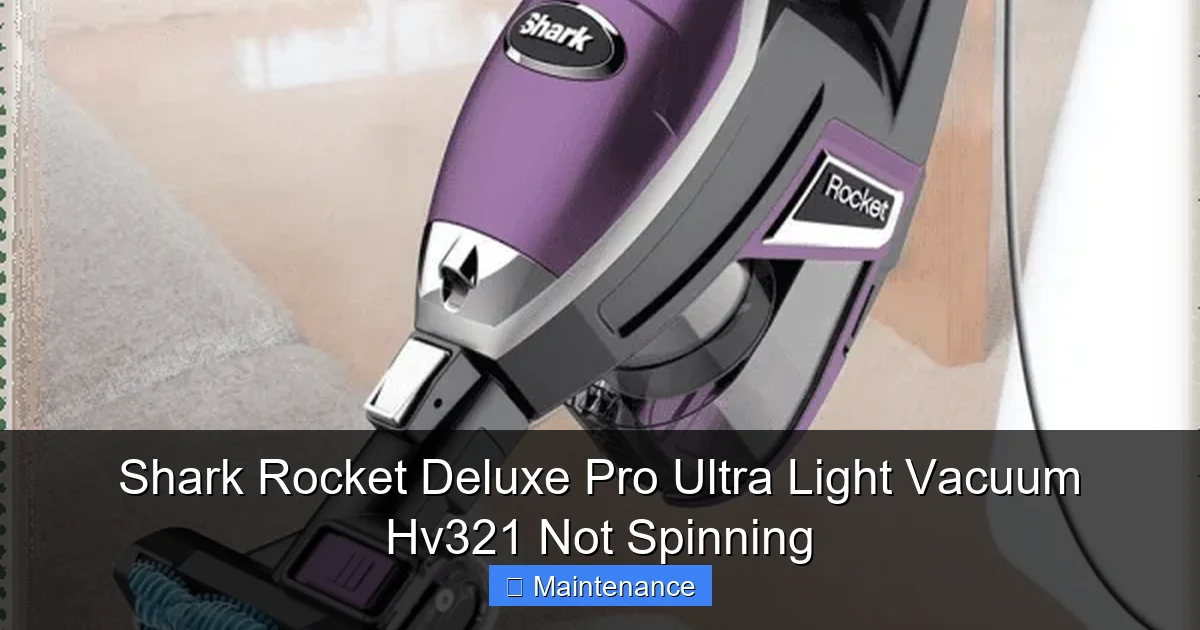
Visual guide about Shark Rocket Deluxe Pro Ultra Light Vacuum Hv321 Not Spinning
Image source: d2b8wt72ktn9a2.cloudfront.net
The Post-Clean Routine (3 Minutes)
Every time you finish vacuuming, do this: Unplug the machine. Turn it over and use the provided cleaning tool (or a coin) to scrape any hair or debris from the brush roll while it’s still accessible. You don’t need to open the housing for this—just rotate the brush roll and pick off the visible wrap. This prevents the hair from working its way into the bearings where it causes jams.
The Monthly Deep Clean
Once a month, perform the full inspection we described earlier. Open the brush roll housing, remove the brush roll, and clean it thoroughly. Check the belt for wear. While you’re there, use a thin brush or compressed air to clear any dust buildup from inside the motor housing vents. Dust acts as an insulator, trapping heat and contributing to motor wear.
Wand and Hose Care
A clog in the wand or main hose doesn’t just reduce suction; it can create back-pressure that strains the brush roll motor. Periodically detach the wand and hose and visually inspect them. Shine a light through them. If you see an obstruction, use a long, flexible brush or a straightened wire coat hanger (wrapped in a cloth to avoid scratching) to gently dislodge it.
When to Call a Pro: Signs You’ve Hit Your Limit
You’re a DIY champ, but even champions know when to throw in the towel. Here are the clear signs that this repair is beyond a home fix and you should consult an authorized Shark service center or a reputable small appliance repair shop.
- You’ve Replaced the Belt and Cleaned Thoroughly: If a new belt and a completely jam-free, freely spinning brush roll don’t solve the problem, the fault likely lies with the motor or internal wiring.
- Burning Smell or Smoke: If you ever smell burning plastic or see smoke coming from the brush head, unplug immediately. This indicates a short circuit or a motor that has catastrophically failed. Do not continue to use it.
- Visible Motor Damage: If you open the housing and see charring, melted plastic, or broken components around the motor, it’s unsafe to operate and needs professional replacement.
- Cost-Benefit Analysis: Get a quote for a brush roll motor replacement. If it’s more than 50% of the cost of a new comparable Shark model, it’s probably not worth it. Remember, a new vacuum comes with a new warranty.
- Electrical Issues: If the vacuum cuts out entirely, the power cord is damaged, or the main body’s wiring is frayed, these are hazards that require professional electrical repair.
The Final Spin: A Working Vacuum is Within Reach
Your Shark Rocket Deluxe Pro Ultra Light HV321 is a workhorse designed for years of service. A non-spinning brush roll is a nagging symptom, but it’s almost never a death sentence. By following this systematic guide—starting with the simple jam and belt checks—you will solve the problem yourself 95% of the time. The tools you need are likely already in your kitchen drawer (scissors, a seam ripper) or cost less than $10 for a new belt.
The key is to act quickly. A small hair jam that you ignore will eventually break your belt or overheat your motor, turning a 5-minute fix into a $100 repair. Incorporate those 3-minute post-clean routines into your life. Your vacuum will reward you with consistent, powerful cleaning for years to come. So flip that vacuum over, find those screws, and reclaim your spinning brush roll. You’ve got this!
Frequently Asked Questions
My Shark HV321 brush roll spins for 5 seconds then stops. What’s wrong?
This is the classic signature of a tripped thermal fuse due to an overload. The motor is likely jamming. The most common cause is a hair wrap around the brush roll bearings that you can’t see from the top. You must fully remove the brush roll and clean it thoroughly, then let the vacuum cool for an hour before trying again.
Is it safe to use the Shark HV321 with the brush roll not spinning?
You can use it in suction-only mode on hard floors, but it’s not recommended for carpets. Using it without the brush roll on carpet will be ineffective at deep cleaning. More importantly, if the brush roll is jammed and you force the vacuum to run, you risk burning out the brush roll motor or the thermal fuse permanently. Fix the underlying cause first.
How often should I replace the drive belt on my Shark HV321?
There’s no set mileage, but as a preventative maintenance rule, inspect the belt every 3-6 months. Replace it immediately if you see any cracks, glazing, stretching, or if it slips. With regular use and pet hair, a belt can last 1-2 years. It’s a $10 part that saves you from bigger problems.
Can I wash the brush roll with water?
Yes, but with caution. Remove the brush roll from the housing. You can rinse it with warm water and a mild soap to remove sticky debris. However, you must let it dry completely (for 24 hours) before reinstalling it. Any moisture on the bearings or inside the motor housing can damage the motor. Focus on manual hair removal as the primary cleaning method.
My vacuum is under warranty. Should I try to fix it myself?
Check your warranty terms. Many warranties state that unauthorized repair attempts can void the warranty. If your vacuum is still within the warranty period (typically 1-5 years depending on the part), your safest and cheapest path is to contact Shark Customer Support. They can diagnose over the phone and, if needed, send a replacement part or authorize a free repair at an authorized service center.
The brush roll spins, but very weakly/slowly. Why?
A weak spin usually points to a belt that has stretched and lost tension, causing it to slip on the pulleys. It can also indicate a motor that is beginning to fail and losing power. Start by replacing the belt, as it’s the cheapest and easiest fix. If a new belt doesn’t solve the slow spin, the brush roll motor is the likely culprit.