When your Shark Nv750w roller stops working, it’s usually due to a clog, a worn/broken belt, a jammed brush roll, or a motor issue. Most problems are fixable at home with basic tools and cleaning. This guide provides a clear diagnostic path and step-by-step solutions, from clearing debris to replacing parts, plus essential prevention tips to keep your vacuum performing optimally.
Key Takeaways
- Clogs are the #1 culprit: Hair, string, and large debris wrap around the brush roll or block the suction path, stopping the roller instantly. Regular cleaning prevents this.
- The drive belt is a common failure point: It can stretch, slip off pulleys, or break entirely, disconnecting motor power from the brush roll. A visual inspection is crucial.
- Brush roll jams are frequent: The roller itself can seize if bearings are clogged or if it’s physically damaged. Removal and thorough cleaning often resolve this.
- Diagnosis is a systematic process: Always start with a full visual inspection, then check for clogs, the belt, and brush roll freedom before suspecting the motor.
- Most repairs are DIY-friendly: Replacing a belt, cleaning the brush roll, and clearing clogs require no special skills and use simple tools like a screwdriver and scissors.
- Preventive maintenance is key: A quick post-vacuuming brush roll check and monthly deep clean can prevent 90% of roller failures and extend your vacuum’s life.
- Motor failure is rare but possible: If all other components are perfect and the roller still doesn’t spin, the motor or its internal clutch may need professional service.
📑 Table of Contents
- Introduction: That Frustrating Moment of Silence
- Understanding Your Shark Nv750w: The Roller System Explained
- Most Common Reasons Your Shark Nv750w Roller Stops Working
- Step-by-Step Diagnostic Process: Finding the Root Cause
- Fixing Clogs and Debris Jams: The Most Common Solution
- Replacing a Broken or Slipping Drive Belt: A Simple Fix
- Brush Roll Maintenance, Cleaning, and Replacement
- When the Problem Might Be the Motor or Clutch
- Proactive Maintenance: Your Best Defense Against Failure
- Conclusion: Empowerment Through Understanding
Introduction: That Frustrating Moment of Silence
You’re in the middle of cleaning, the Shark Nv750w is humming along, and then you notice it. The carpet isn’t getting agitated. The pile isn’t being lifted. You tilt the vacuum to look, and there it is: the iconic brush roll is perfectly still. It’s not spinning. That satisfying, scrubby sound is gone, replaced by just the suction motor. Your heart sinks a little. A vacuum with a non-functional roller is about as useful as a broom without a head. It might pick up surface dust, but it completely fails at its primary job—deep cleaning carpets and rugs by agitating dirt and debris.
Before you panic and start shopping for a new vacuum, take a deep breath. The phrase “Shark Nv750w roller does not work” covers a wide spectrum of issues, and the vast majority of them are not only diagnosable but also completely fixable by someone with zero technical training. This vacuum is designed for homeowner maintenance. The problem is almost always a mechanical blockage, a worn part, or a simple jam—not a catastrophic failure. This guide will walk you through every possible cause, from the simplest clog to the more complex motor issue, in a logical, step-by-step manner. We’ll use plain language, practical tips, and clear instructions to empower you to get your Shark back to its powerful, rolling self.
Understanding Your Shark Nv750w: The Roller System Explained
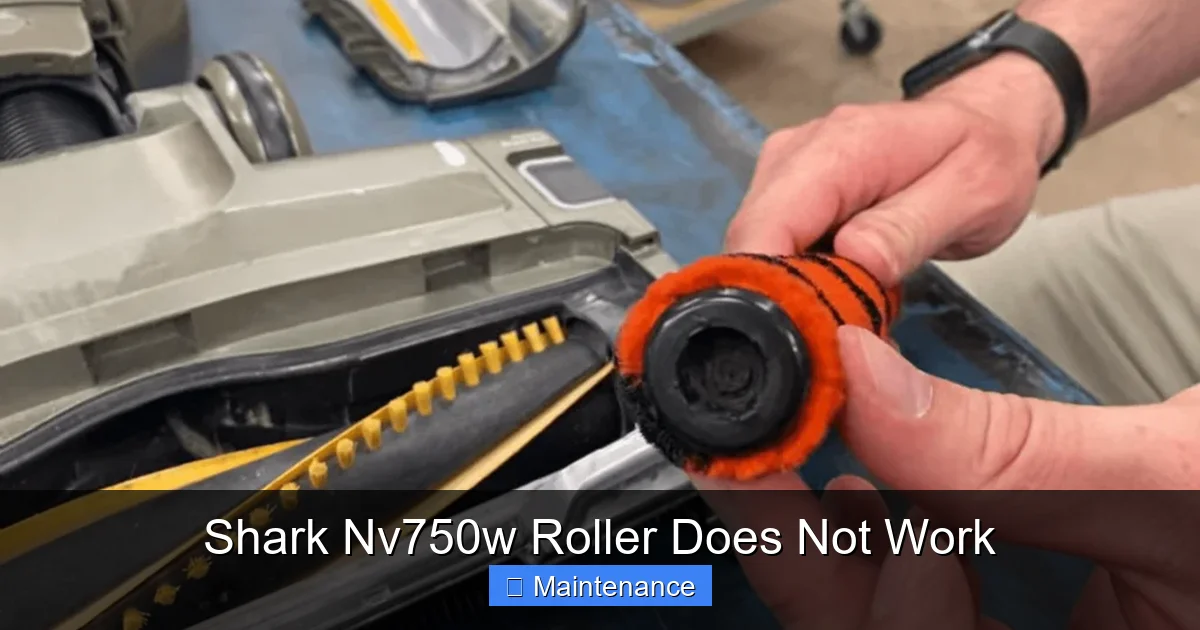
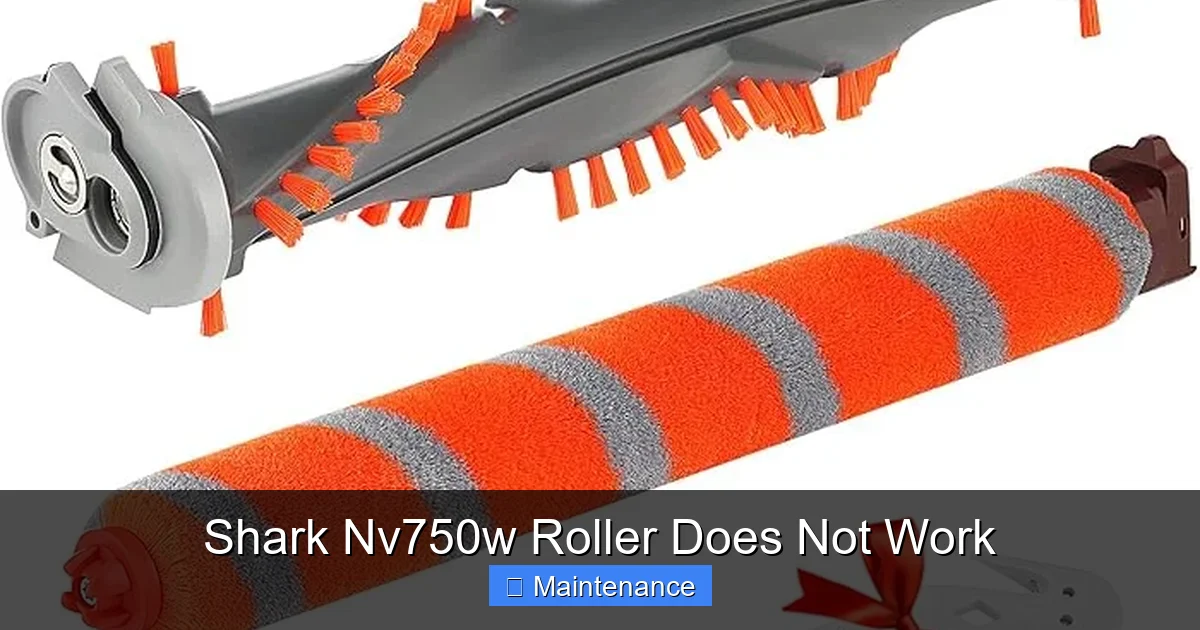
To diagnose why something isn’t working, you first need to understand what it is and how it’s supposed to work. The “roller” in your Shark Nv750w is more accurately called the brush roll or agitator. It’s the long cylinder with bristles (or a rubber strip on some models) that rotates rapidly to stir up carpet fibers. Its motion is critical for deep cleaning.
Visual guide about Shark Nv750w Roller Does Not Work
Image source: supercleanworldall.com
The Key Components of the Drive System
The brush roll doesn’t spin by magic. It’s part of a simple but effective mechanical drive system:
- The Brush Roll: The central component. It has bearings at each end that allow it to spin freely within a housing.
- The Drive Belt: This is a crucial, often overlooked part. It’s a rubber belt, typically grey or black, that connects a pulley on the brush roll to a pulley on the motor shaft. When the motor runs, this belt turns the brush roll.
- The Motor & Clutch: The vacuum’s main suction motor also has a secondary function. On many Shark models, including the Nv750w, this motor powers a small clutch mechanism that engages and drives the belt. If the clutch is worn or the motor’s drive shaft is faulty, the belt won’t turn.
- The Brush Roll Housing: The plastic casing that holds the brush roll. It has openings for suction and often a series of flexible rubber flaps (the “seal”) that contact the carpet. It can also accumulate debris.
When your roller doesn’t work, the failure is in one of these four areas: 1) The roller itself is jammed, 2) The belt is broken/slipping, 3) The clutch/motor drive is disengaged or broken, or 4) There’s a clog so severe it physically prevents the roller from turning.
Most Common Reasons Your Shark Nv750w Roller Stops Working
Let’s categorize the usual suspects. Understanding these will help you quickly zero in on the problem.
Visual guide about Shark Nv750w Roller Does Not Work
Image source: images-na.ssl-images-amazon.com
1. The Overwhelming Clog (Debris Jam)
This is, by far, the most frequent cause. Think about what you vacuum: hair, string, carpet fibers, small toy parts, bits of paper, and thick pet hair. All of this can wrap tightly around the brush roll’s axle and bearings, creating a vice-like grip that stops it cold. It can also pack into the housing’s intake ports or the rubber seal, creating so much resistance that the motor’s clutch simply disengages to protect itself (a safety feature). You might even see the belt straining and smoking if the jam is severe.
2. The Worn, Slipping, or Broken Drive Belt
Rubber belts age. They stretch, get glazed (smooth and shiny), develop cracks, or can even snap completely. A stretched or glazed belt will slip on the motor pulley, especially under the load of a carpet. You might hear a high-pitched squealing or smell burning rubber. A broken belt is obvious—it’s either hanging loose or missing entirely.
3. A Seized or Damaged Brush Roll
The brush roll itself can fail. Its internal bearings can get packed with gunk and seize up. The bristle strip (if your model has one) can melt or warp from heat and friction, dragging on the housing. The axle can bend. If you manually try to spin the brush roll (with the vacuum off and unplugged!) and it doesn’t rotate smoothly in both directions, the brush roll is the problem.
4. Disengaged or Worn Clutch (Motor Issue)
The Shark Nv750w uses a clutch system. When you switch from hard floor to carpet mode, a mechanism engages the clutch. If this clutch is worn out, broken, or has lost its spring tension, it won’t engage the belt pulley. The motor will run, but it won’t transfer power to the brush roll. This is less common than clogs and belts but still a possibility.
5. Electrical or Motor Failure (Rare)
True motor failure, where the motor itself doesn’t spin the drive shaft, is uncommon. More likely is a broken wire or connection specifically to the brush roll drive circuit. However, if the suction motor works perfectly (you feel strong suction) but nothing powers the brush roll circuit, this points to a specific component failure that may require professional repair.
Step-by-Step Diagnostic Process: Finding the Root Cause
Don’t guess. Follow this logical sequence to pinpoint the exact issue. Always unplug the vacuum before touching any internal parts.
Visual guide about Shark Nv750w Roller Does Not Work
Image source: homekitchtech.com
Step 1: The Initial Inspection & Simple Reset
First, check the obvious. Is the brush roll mode selector switch set to “Carpet” or “Auto” (depending on your model’s dial)? It’s easy to accidentally bump it to “Hard Floor” (which often disables the brush roll). Next, tilt the vacuum. Look through the bottom. Can you see the brush roll? Is it visibly jammed with hair or string? Sometimes, a quick, strong tug on large debris with pliers can free it immediately. Also, check the clear suction hose for any large object blocking airflow.
Step 2: Access the Brush Roll Housing
Lay the vacuum on its back. Locate the release latches for the brush roll housing. On the Nv750w, there are typically two red tabs on the side of the housing. Press them in and pull the entire housing unit away from the vacuum body. This gives you full access to the brush roll and belt.
Step 3: The Manual Spin Test
With the housing off, place the vacuum on its side. Locate the brush roll. Using your fingers, try to rotate it. Ask yourself:
- Does it spin freely in both directions?
- Is there a gritty feeling or grinding noise? (Bearing failure)
- Does it only spin one way or have significant resistance? (Severe jam)
- Can you see hair, string, or carpet fibers wrapped tightly around the axle or inside the end caps?
If it does not spin freely, your problem is either a jammed brush roll or a seized bearing. Proceed to the cleaning/replacement section.
Step 4: The Belt Inspection
If the brush roll spins freely, your next suspect is the belt. The belt is the loop of rubber connecting the brush roll pulley to the motor pulley (which you’ll see inside the vacuum body once the housing is off).
- Is the belt there? If it’s missing, it broke or snapped and needs replacement.
- Is it loose or stretched? A properly tensioned belt should have a firm, taut feel. If you can easily twist it 90 degrees or it hangs very slack, it’s stretched and needs replacement.
- Is it shiny, glazed, or cracked? These are signs of age and heat. It will slip and needs replacement.
- Is it on the pulleys correctly? Ensure it’s seated properly on both the motor and brush roll pulleys and hasn’t jumped off.
If the belt is missing, damaged, or loose, that is your problem. Proceed to the belt replacement section.
Step 5: The Clutch & Motor Check
This is the last resort before assuming motor failure. Look at the motor pulley where the belt attaches. On the Shark Nv750w, this pulley is part of a clutch assembly. It should have a spring-loaded mechanism. Try to gently rotate the motor pulley (the small wheel the belt rides on) by hand.
- Does it spin freely, independent of the motor body? If it’s stiff or won’t turn, the clutch may be seized.
- Does it have a “click” or feel like it engages after a half-turn? That’s the clutch engaging. If it spins freely with no resistance or engagement, the clutch is likely worn out and not transmitting power.
If the pulley spins freely and the belt is new and tight, but the brush roll still doesn’t turn when the vacuum is on, the issue is likely in the clutch assembly or the motor’s drive shaft itself. This often requires part replacement (clutch kit) or professional service.
Fixing Clogs and Debris Jams: The Most Common Solution
If your diagnostic test revealed a brush roll that won’t spin freely, you have a jam. This is good news—it’s usually an easy fix.
Tools You’ll Need
- Flat-head screwdriver
- Needle-nose pliers
- Scissors (optional, for thick hair)
- A bright flashlight
- Old toothbrush
- Paper towels or a damp cloth
The Removal and Cleaning Process
1. Remove the Brush Roll: With the housing off, locate the plastic end caps on the brush roll. They usually clip in. Use a flat-head screwdriver to gently pry one cap off. The brush roll should then slide out easily. Be careful not to lose any small washers or springs that might be on the axle.
2. Clear the Axle and Bearings: This is the critical step. Take the brush roll to a well-lit area. You will likely see a solid mat of hair, string, and fibers wrapped around the metal axle where it passes through the plastic end caps. This is what’s binding it. Use the needle-nose pliers to meticulously pick, pull, and cut (with scissors) this debris away. Get it completely clean. The axle should be bare metal. Also, check inside the hole of the end cap itself—clean out any packed debris from the bearing seat.
3. Clean the Housing: Use the flashlight to inspect the inside of the brush roll housing. Look for debris packed around the rubber seal, in the suction intake ports, and at the ends where the brush roll sat. Use the old toothbrush and a damp cloth to scrub everything clean. Pay special attention to the rubber flaps; if they are torn or melted, they can cause drag and may need replacement.
4. Lubricate (Optional but Helpful): Once the axles and bearing seats are impeccably clean, you can put a tiny drop of lightweight machine oil (like 3-in-One oil) or even a dab of petroleum jelly on each axle. Do not use WD-40 or grease, as these can attract more dirt. Wipe off any excess.
5. Reassemble and Test: Slide the clean brush roll back into the housing, making sure the end caps click into place. Reattach the housing to the vacuum. Plug in and test on carpet. The roller should now spin freely and audibly.
Replacing a Broken or Slipping Drive Belt: A Simple Fix
If your belt is the issue, replacement is straightforward. Shark Nv750w belts are a standard size and readily available online or at some appliance parts stores. The official part number is often Shark Belt NV750, NV751, NV752 or similar. A universal “Shark vacuum belt” will usually work if sized correctly (typically around 4-5 inches long, 0.3-inch wide).
Replacement Procedure
- Access: With the brush roll housing removed, you’ll see the old belt. It will be looped around the brush roll pulley (on the roll itself) and the motor pulley (inside the vacuum body).
- Remove the Old Belt: Stretch it off the motor pulley first, then slide it off the brush roll pulley.
- Install the New Belt: Stretch the new belt over the brush roll pulley first. It’s easier. Then, stretch and hook it onto the motor pulley. You will need to pull the belt taut. Ensure it’s seated fully in the groove of both pulleys.
- Reinstall the Brush Roll: Before putting the housing back, manually rotate the brush roll a few full turns. The new belt should drive it smoothly without excessive resistance. If it binds, the belt may be pinched or the brush roll bearings are still dirty.
- Final Check: Reattach the housing. Plug in and listen. A new, properly tensioned belt should be quiet. A squeal indicates it’s either not tight enough or the clutch is not engaging properly.
Pro Tip: When you buy a new belt, consider buying two. Belts are a consumable part and having a spare means you’re never without a working vacuum for long.
Brush Roll Maintenance, Cleaning, and Replacement
Even if your current brush roll is clean, it can wear out. The bristles soften, the rubber strip hardens and cracks, or the internal bearings fail over time. A worn brush roll is less effective and can even damage carpets.
Routine Cleaning Schedule
Get in the habit of this: after every 2-3 uses, especially if you have pets, remove the brush roll and use a seam ripper or a dedicated brush rake (often sold with vacuums) to pull out all the hair and fibers wrapped around the bristles and axle. This takes 60 seconds and prevents the major clogs we discussed.
When to Replace the Brush Roll
Consider a new brush roll if:
- After thorough cleaning, the bearings still feel gritty or don’t spin freely.
- The bristle strip is frayed, missing large sections, or the rubber is hard and cracked.
- The entire roller is warped or bent (from hitting a heavy object).
- It makes a constant, loud rattling noise even when clean.
Replacement brush rolls for the Nv750w are available online (search “Shark NV750 brush roll”). The replacement process is the reverse of removal: pop off the end caps, slide out the old roll, slide in the new one, ensuring it’s seated properly, and re-clip the caps.
When the Problem Might Be the Motor or Clutch
If you have completed all the steps above—the brush roll spins perfectly by hand, the new belt is on correctly and tight, the housing is clean—and the roller still does not spin when you turn the vacuum on, your focus shifts to the motor/clutch assembly.
Diagnosing the Clutch
This is trickier. You may need to remove additional screws to access the motor compartment fully. Look for the small pulley the belt rides on. On Shark vacuums, this pulley is often attached to a spring-loaded clutch plate. If the spring is broken or the clutch shoes are worn down, the pulley will spin freely without engaging the motor shaft. You might see excessive rubber dust (from a slipping belt) inside this area. Replacing the clutch assembly is a common repair, and kits are available.
Motor Drive Shaft Failure
Very rarely, the motor itself has two shafts: one for suction and one for the brush roll drive. The drive shaft can shear off. If the suction motor works fine but there is absolutely no power transfer to the brush roll pulley (even with a perfect belt and clutch), this is a possibility.
When to Call a Professional
If you’ve ruled out clogs, a bad brush roll, and a bad belt, and you’re not comfortable disassembling the motor housing, it’s time to call a professional appliance repair technician. Diagnosing and fixing internal motor or clutch issues often requires specialized tools and expertise. Given the cost of a new mid-range Shark vacuum, get a repair estimate first to see if it’s economical.
Proactive Maintenance: Your Best Defense Against Failure
An ounce of prevention is worth a pound of cure. Following these simple habits will keep your Shark Nv750w roller working for years.
The 60-Second Post-Cleanup Ritual
Every time you finish vacuuming, do this: tilt the vacuum, use the seam ripper/brush rake on the brush roll, and flick any large debris out of the housing intake with your fingers. This prevents the slow accumulation that leads to major jams.
Monthly Deep Clean
Once a month, perform the full removal and cleaning process described earlier. Take the brush roll out, wash it with mild soap and water (let it dry completely for 24 hours before reinstalling), and thoroughly clean the housing. This removes fine dust and oily residues that dry into a cement-like layer.
Belt and Brush Roll Inspection
During your monthly clean, inspect the belt for cracks, glazing, or stretching. Feel the brush roll bristles—are they stiff and effective, or limp and worn? Proactively replacing these parts before they fail is cheaper and less frustrating than a sudden breakdown.
Mind What You Vacuum
Your Shark is powerful, but it’s not indestructible. Avoid vacuuming:
- Small, hard objects (coins, pins, tacks) that can damage bearings.
- Wet anything (unless it’s a wet/dry model).
- Large amounts of fine powder (talc, flour) which can clog filters and housings.
- Items that are likely to wrap: long hair, Christmas tree tinsel, knitting yarn. Pick these up first.
By integrating these habits, you’ll transform the “Shark Nv750w roller does not work” from a crisis into a rare, easily-solved event.
Conclusion: Empowerment Through Understanding
That sinking feeling when your vacuum’s roller stops is now replaced with confident know-how. You understand that the system is simple: a motor, a belt, a brush roll, and a housing. Failure almost always occurs in the mechanical link between them—a jam, a worn belt, or a dirty bearing. You have a clear diagnostic flowchart: spin test, belt check, then clutch/motor. You have the tools and the step-by-step guides to fix the first two issues yourself in under 15 minutes. You know the importance of that 60-second post-vacuuming ritual.
The Shark Nv750w is a workhorse designed to be maintained. It’s not a sealed, disposable unit. By treating it with regular, simple care, you protect your investment and ensure it continues to deliver that powerful, deep-cleaning agitation that Shark vacuums are known for. So the next time you encounter a silent brush roll, don’t reach for the box. Reach for your screwdriver, your pliers, and this guide. You’ve got this.
Frequently Asked Questions
Why does my Shark Nv750w roller sometimes start working again after I unplug and replug it?
This is often due to the vacuum’s thermal overload protection. If the motor or clutch overheats from strain (like from a severe clog), it shuts down. Letting it cool for 15-30 minutes allows it to reset. However, this is a symptom, not a cure. The underlying cause (usually a clog or tight belt) must be fixed to prevent repeated shutdowns.
How can I tell if my drive belt is broken without taking the vacuum apart?
You can sometimes see a broken belt through the brush roll housing if you lay the vacuum on its back and look at the motor pulley area. More reliably, if you hear a high-pitched squealing or smell burning rubber when the vacuum is on carpet mode, it’s a strong indicator of a slipping or broken belt. The definitive test is to remove the housing and inspect it directly.
My brush roll spins freely when I test it, but not when the vacuum is on. The belt is new and tight. What now?
This points directly to the clutch assembly. The motor is running, but the mechanism that engages the belt pulley is worn out or broken. The pulley will spin freely without transferring power from the motor shaft. This part needs to be replaced, which is more involved than a belt change and may be best suited for a confident DIYer or a professional.
Is it normal for the Shark Nv750w roller to make a rattling noise?
A low hum and scrubby sound are normal. A loud, consistent rattling or clacking noise is not. It usually means the brush roll is damaged, loose, or has debris caught in the bearings. Turn off and unplug the vacuum immediately, remove the brush roll, and inspect it for cracks, broken bristles, or foreign objects.
Can I use my Shark Nv750w without the brush roll installed?
Yes, you can. The vacuum will function as a suction-only tool for hard floors and above-floor cleaning. However, you must ensure the brush roll housing is either completely removed or that the hole where the roller sits is properly sealed. Some models have a removable seal that must be in place to maintain suction. Consult your manual. Do not run the vacuum with the brush roll housing on but the roller missing, as this can damage the belt or create a large air leak.
How often should I replace the drive belt on my Shark Nv750w?
There’s no set mileage, but as a proactive maintenance guideline, inspect your belt every 6 months. Replace it at the first signs of wear: stretching, glazing (shiny surface), cracks, or if it slips during use. With regular use, a belt typically lasts 1-2 years. Keeping a spare on hand is highly recommended.