A Shark Nv581 roller that does not turn is a common but usually fixable issue. The problem typically stems from debris jams, a worn or broken belt, a faulty motor, or a stuck brushroll. This article provides a detailed diagnostic roadmap, starting with the simplest checks for hair and string wrap, then progressing to belt and motor inspection. Most solutions are DIY-friendly, requiring only basic tools and cleaning supplies. Understanding these core failure points empowers you to restore your vacuum’s performance without an immediate service call.
There’s a uniquely frustrating sound in the world of home cleaning: the distinct thump-thump-thump of your Shark Nv581 vacuum’s roller… followed by silence. You press the brushroll on/off button, feel the vacuum’s suction, but the iconic rotating brush that agitates carpet fibers has gone still. Your Shark Nv581 roller does not turn. Before you panic and assume the worst—a costly motor replacement or a trip to the repair center—take a deep breath. In the vast majority of cases, this is a problem you can diagnose and fix yourself in under 30 minutes with a few common household tools. This guide will walk you through every possible cause, from the simplest hair jam to more complex internal failures, with clear, step-by-step instructions.
The Shark Nv581 (part of the popular Navigator Lift-Away series) is a workhorse. Its self-cleaning brushroll is designed to handle pet hair and long fibers, but that very design means it’s prone to collecting the very debris it’s meant to tackle. When that debris builds up, it can create a physical barrier that stops the roller cold. Understanding the mechanical chain is key: the motor spins a belt, the belt turns the brushroll. A break anywhere in that chain stops the rotation. We will methodically check each link.
Key Takeaways
- Debris is the Prime Suspect: Hair, string, and carpet fibers wrapping around the brushroll and its bearings are the #1 cause of a locked roller. Always check and clean this first.
- The Belt is a Critical Link: A broken, stretched, or dislodged drive belt prevents the motor’s power from reaching the roller. A quick visual inspection of the belt is essential.
- Motor Failure is Less Common: While possible, a completely dead motor is rarer than jams or belt issues. Listen for a humming sound to help diagnose.
- Brushroll Bearings Seize: Even if the roller spins freely by hand, internal bearing failure can cause it to bind under load from the motor and carpet.
- Systematic Diagnosis Saves Time: Follow a logical sequence: check for jams, inspect the belt, test roller spin, then consider motor/bearings. Don’t skip steps.
- Prevention is Key: Regularly cleaning the brushroll housing and checking for wear on the belt and brushroll bristles prevents most “roller does not turn” problems.
- Know When to Seek Help: If you’ve checked jams, replaced the belt, and the roller still doesn’t turn, the issue may be a faulty motor or internal gearbox requiring professional repair.
[FEATURED_IMAGE_PLACEHOLDER]
📑 Table of Contents
1. The Usual Suspects: Common Causes of a Non-Rolling Brushroll
When your Shark Nv581 roller does not turn, the fault almost always lies within a handful of well-known trouble spots. Ruling these out first will solve your problem 90% of the time.
Debris Jam: The #1 Culprit
Think of the brushroll as a cylinder with bristles and a rubber seal. As it spins through carpet, it collects hair, string, thread, and carpet fibers. These materials don’t just sit on the bristles; they wrap around the axle (the metal rod the brushroll spins on) and get pulled into the plastic end caps. These end caps house tiny bearings that allow the brushroll to spin freely. When packed with debris, these bearings seize, and the entire roller locks up. You often cannot see this jam from the top; you must look into the housing from the bottom.
Drive Belt Failure
The Shark Nv581 uses a rubber serpentine belt to transfer power from the motor pulley to the brushroll pulley. This belt can stretch, crack, melt (from excessive heat if jammed), or completely snap. It can also jump off its pulleys if a roller jam causes sudden stress. A broken or missing belt means the motor might hum, but the roller gets zero power. A belt that is stretched and slipping will cause the roller to turn slowly or intermittently under load.
Faulty or Stuck Motor/Pulley
The motor itself has a small drive pulley. If this pulley becomes loose on the motor shaft, stripped, or if the motor’s internal brushes are worn out, it won’t spin the belt. You might hear a faint humming or clicking from the motor area when the vacuum is on and the brushroll switch is engaged, but no movement occurs. This is less common but possible.
Seized Brushroll Bearings
Even after you’ve meticulously cleaned all visible debris, the internal bearings within the brushroll end caps can wear out, lose their lubrication, and seize. This often happens slowly. You might be able to spin the brushroll by hand when it’s out of the vacuum, but under the load of the motor and carpet friction, it binds. The plastic end caps themselves can also crack, allowing debris inside to jam the bearing directly.
2. Diagnostic & Fix: The Systematic Approach
Follow this sequence exactly. It’s designed to be efficient, moving from the quickest, easiest fix to more involved checks. Always unplug the vacuum before beginning any inspection or repair.
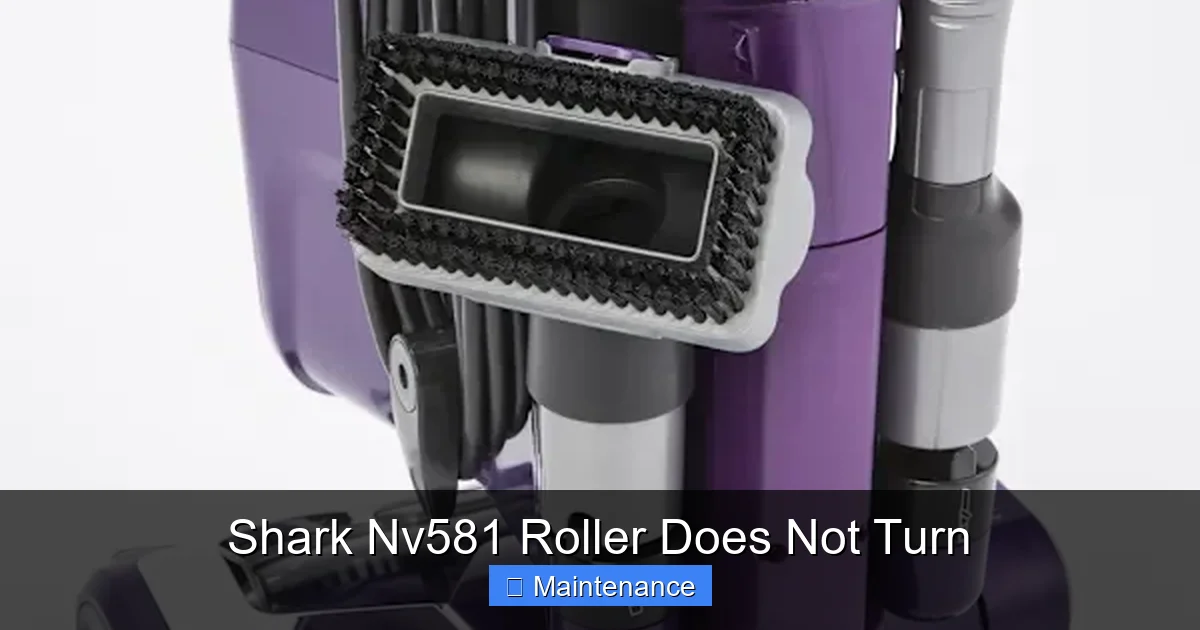
Visual guide about Shark Nv581 Roller Does Not Turn
Image source: crdms.images.consumerreports.org
Step 1: The Visual & Manual Jam Check
Lay the vacuum on its back for the best access. Locate the brushroll housing (the rectangular opening on the underside of the vacuum head). Using a flashlight, peer inside. You’ll see the brushroll. Do you see a thick mat of hair, string, or carpet fibers wrapped around it? If yes, that’s your problem. Use scissors or a seam ripper to carefully cut and remove as much debris as possible. Pay special attention to the space between the brushroll and the housing walls, and the two dark rubber seals on either side. Pull the brushroll out (there’s usually a release clip or a couple of screws). Now, inspect the axle—the metal rod running through the center. Is it wrapped in fibers? Clean it thoroughly. Finally, look at the plastic end caps. Are they packed with debris? Use a small tool (like a dental pick or a straightened paperclip) to gently pick out packed material from the bearing holes. Reassemble and test. If it spins freely by hand but not in the vacuum, proceed to Step 2.
Step 2: The Belt Inspection
With the brushroll removed, the belt is now exposed. It’s a black rubber loop running from a small motor pulley (usually on the right side) to a larger pulley on the brushroll. Is the belt there? If it’s missing, it snapped or jumped off. Is it intact? Look for cracks, glazing (shiny, hardened surface), or significant stretching. A good belt should be pliable and have defined grooves. Is it on the pulleys correctly? It should sit squarely in the groove of both pulleys. If it’s off, simply stretch it back over the motor pulley (you may need to rotate the motor pulley by hand to get it on). If the belt is damaged, you need a replacement. The Shark Nv581 typically uses a Shark Belt 391R or equivalent. These are inexpensive and easy to replace. To replace: remove the old belt, stretch the new one over the motor pulley first, then roll it onto the brushroll pulley, rotating the brushroll to seat it fully.
Step 3: The “Spin Test” and Bearing Check
With the vacuum still unplugged and the brushroll out, spin the brushroll by hand. It should rotate smoothly and quietly for several seconds. Does it feel gritty, stiff, or make grinding noises? That indicates bad bearings. Also, try to wiggle the brushroll side-to-side. Excessive play means the bearings are worn. If the bearings are seized, the brushroll itself needs replacement. Shark sells replacement brushroll assemblies (part number often 921R or similar). It’s usually more cost-effective to replace the whole brushroll than to attempt a bearing repair.
Step 4: Motor and Pulley Diagnosis
This is trickier. Reassemble the vacuum without the brushroll (you can leave the belt off for this test). Plug it in, turn it on, and press the brushroll on button. Do you hear a humming or whirring sound from the motor area? If yes, the motor is trying to turn. The issue is likely a jammed brushroll/bearings (which you just tested) or a broken belt (which you just inspected). If you hear nothing—just suction motor noise—the brushroll motor circuit may be dead, or the motor pulley may be seized to the motor shaft. To check the pulley: with the vacuum off, try to rotate the motor pulley (the small one the belt rides on) by hand. It should turn with slight resistance. If it’s locked solid, the motor or its pulley is faulty. This often requires a professional to replace the motor or the motor/pulley assembly.
3. Deep Dive: Belt Issues and How to Resolve Them
Belt problems are a mainstay of vacuum repair. Understanding them prevents future headaches.
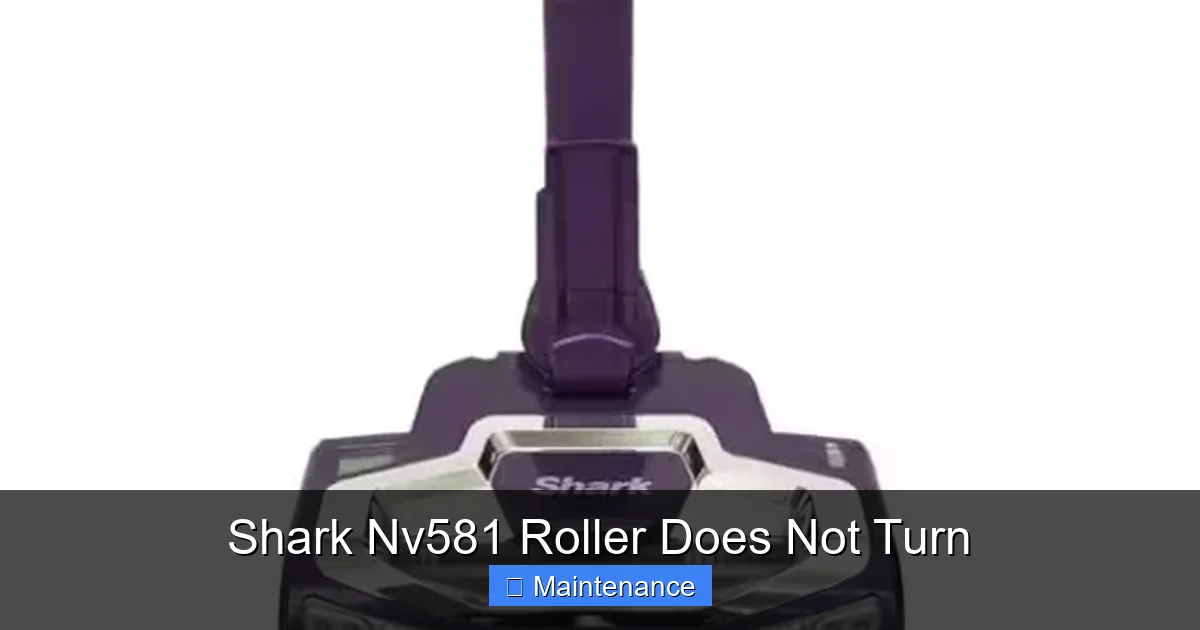
Visual guide about Shark Nv581 Roller Does Not Turn
Image source: i.ebayimg.com
Identifying a Bad Belt
Don’t just look for a snap. A belt that has stretched even 10-15% will slip under the load of the carpet and brushroll, causing the roller to turn slowly or stop when it meets resistance. Check belt tension by pressing down on the middle of the belt (with the vacuum upright and brushroll out). There should be slight give, but it shouldn’t sag limply. A glazed, shiny belt has been overheating (often from a prior jam) and has lost friction. It will slip on the pulleys. Always replace a belt that shows any of these signs. Using a worn belt is the fastest way to damage a new brushroll or strain the motor.
Proper Belt Installation Technique
The most common installation error is not getting the belt fully seated in the motor pulley groove. The motor pulley is small and the belt can easily ride on its outer edge. Ensure the belt is deep in the groove. When rolling it onto the brushroll pulley, rotate the brushroll in the direction it spins (usually clockwise when viewed from the bottom) to help the belt seat itself. A misaligned belt will make a squealing or slapping noise and won’t transfer power efficiently.
Why Belts Break: The Jam Cascade
A belt rarely breaks in a vacuum that’s well-maintained. It breaks because something else jammed. Hair wrapped tightly around the brushroll axle creates immense resistance. The motor keeps trying to turn, putting extreme torque on the belt until it snaps. Therefore, if your belt broke, you must find and eliminate the original jam before installing a new belt, or the new belt will break immediately. Always perform the full debris cleanout when replacing a belt.
4. Motor and Internal Gearbox Failures
If you’ve cleared all debris, confirmed the belt is new and properly installed, and the brushroll bearings spin perfectly, but the roller still does not turn when the vacuum is on, the fault lies with the power source.
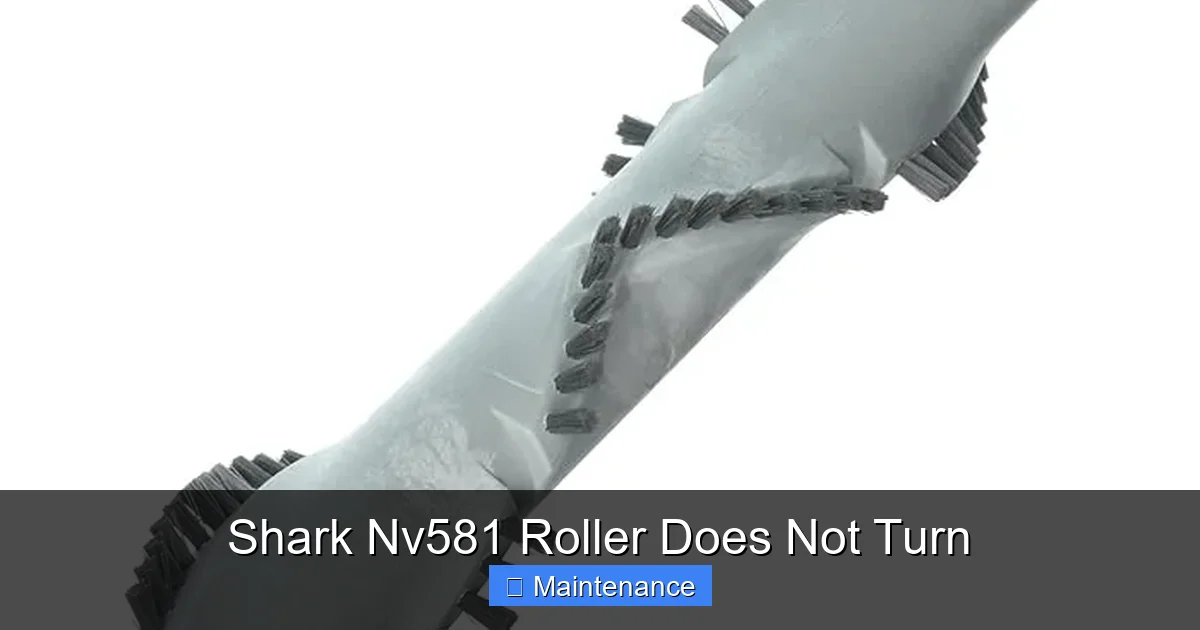
Visual guide about Shark Nv581 Roller Does Not Turn
Image source: images-na.ssl-images-amazon.com
Brushroll Motor vs. Suction Motor
The Shark Nv581 has two motors: a large suction motor and a smaller, separate motor dedicated solely to spinning the brushroll. The brushroll motor is often located near the front of the floor head, connected by wires to the main body. Its failure is independent of the suction. You will have full suction but a dead roller. Diagnosis at this stage usually requires a multimeter to test for voltage at the motor’s terminals when the switch is on. If voltage is present but the motor doesn’t spin, the motor is dead. If no voltage is present, the fault could be in the switch, wiring, or a thermal fuse (some models have a resettable thermal fuse for the brushroll motor).
The Role of the Gearbox (Reduction Gear)
Some Shark models, including certain Nv581 variants, have a small gearbox (a set of plastic gears) between the brushroll motor and the brushroll pulley. This gearbox reduces the high-speed motor rotation to the slower, higher-torque speed needed for the brushroll. If these plastic gears strip or break (a common failure point after a major jam), the motor will hum or whir, but no power reaches the brushroll. You might even see the motor pulley spinning, but the brushroll stays still. Replacing the gearbox is possible but requires disassembling the floor head. For most users, replacing the entire floor head assembly is more practical if the gearbox is broken.
5. Brushroll Maintenance and Proactive Care
An ounce of prevention is worth a pound of cure. A few minutes of monthly maintenance can prevent the “Shark Nv581 roller does not turn” scenario entirely.
Monthly Deep Clean Routine
Once a month, remove the brushroll completely. Use a small tool to dig into the bearing holes on both end caps. Pull out any accumulated hair. Wipe the entire length of the brushroll with a damp cloth. Check the bristles—if they are melted, scorched, or significantly shorter on one side, replace the brushroll. While you’re there, inspect the drive belt for cracks or glazing. This simple habit catches problems before they cause a complete failure.
Preventing Hair Wrap
If you have pets or long hair, consider using a protective “hair wrap” sleeve or a silicone brushroll (available as an aftermarket upgrade for some Sharks). These are less prone to hair wrapping. Also, be mindful of vacuuming up long, stringy materials like tinsel, fishing line, or yarn—these are notorious for causing immediate, severe jams. Pick them up manually first.
Listening for Early Warning Signs
Don’t ignore changes in sound or performance. A brushroll that is starting to bind will make a higher-pitched whining noise from the motor. The vacuum may feel like it’s sticking more on carpets. The roller might turn more slowly when you press down on the vacuum head. These are signs of increasing resistance, usually from a growing jam or wearing bearings. Address them immediately by performing Steps 1-3 before the problem worsens and breaks a belt or burns out a motor.
6. When to Call It: Repair vs. Replace Decision
Not every problem is worth fixing. Knowing the cost/benefit helps you decide.
Cost of Parts vs. Value of Vacuum
A new brushroll costs $15-$25. A new drive belt is $5-$10. These are no-brainer fixes. A new brushroll motor or gearbox assembly can cost $40-$70. If your Nv581 is older (5+ years) and you’ve already put money into it, it might be time to consider a new vacuum. A new Shark Navigator typically retails for $150-$250. Spending half that on a motor repair for an aging unit may not make financial sense.
Warranty and Professional Service
Check your Shark warranty. Many models have a lifetime belt warranty and a 5-year motor warranty. You may be entitled to a free replacement belt or motor if you can prove the failure is due to a defect, not wear and tear or a jam. Contact Shark customer service with your model number (on the back plate) and serial number. For complex internal gearbox or wiring issues, a qualified small appliance repair shop is your best bet. They have the diagnostic tools and experience.
In conclusion, a Shark Nv581 roller that does not turn is a significant inconvenience, but it is rarely a hopeless situation. By arming yourself with this systematic approach—starting with the almost-certain debris jam, moving to the humble drive belt, and finally considering the motor and gearbox—you can diagnose and resolve the issue yourself. The key is patience and a methodical inspection. Remember to always unplug, take your time, and document your steps (a phone photo of how parts came apart helps immensely during reassembly). With a little elbow grease and these instructions, you’ll have your Shark’s roller spinning and your carpets refreshed before you know it.
Frequently Asked Questions
My Shark Nv581 roller is completely jammed and won’t budge at all. What’s the first thing I should do?
The absolute first step is to unplug the vacuum. Then, lay it on its back and use a flashlight to look into the brushroll housing. Use scissors or a seam ripper to carefully cut and remove any visible hair, string, or carpet fibers wrapped around the roller and inside the housing. Often, a massive jam in the end caps is the culprit.
How often should I replace the drive belt on my Shark Nv581?
There’s no set time, but inspect it every 3-6 months. Replace it immediately if you see cracks, glazing (a shiny surface), or significant stretching. A good rule is to replace the belt whenever you replace the brushroll, as a worn belt can damage a new brushroll. Most users find a belt lasts 1-2 years with proper maintenance.
I hear a humming sound from the motor area when I turn on the brushroll, but the roller doesn’t move. What does that mean?
A humming sound is a crucial clue! It means the brushroll motor is receiving power and trying to turn. The problem is not the motor or its electrical circuit. The fault is a mechanical blockage: either a severe debris jam you haven’t cleared, a seized brushroll bearing, a broken belt (so the motor spins but nothing is connected), or a stripped gearbox (if your model has one). Re-check your debris cleaning and belt installation first.
Can I lubricate the brushroll bearings to make it spin freely?
No, you should not. The bearings in the Shark brushroll are sealed and not designed for user lubrication. Attempting to force oil or grease into them will attract more debris and turn them into a sticky paste that fails faster. If the bearings are gritty or stiff when you spin the roller by hand, the correct fix is to replace the entire brushroll assembly.
Is a non-turning roller covered under the Shark warranty?
It depends on the cause and your warranty period. Shark typically offers a lifetime belt warranty (you must contact them for a free replacement) and a multi-year motor warranty. Failures due to normal wear and tear (like a stretched belt) or user-inflicted damage (like a jam from vacuuming a rag) are usually not covered. Failures due to manufacturer defects in the motor or gearbox may be covered within the warranty window. Always contact Shark Customer Service with your model and serial number to inquire.
I’ve cleaned the jam, replaced the belt, and the brushroll spins freely by hand, but it still doesn’t turn in the vacuum. What now?
At this point, the issue is likely internal. First, double-check that the new belt is installed correctly and is the right model. Next, listen carefully: with the vacuum on and the brushroll switch engaged, is there a faint whirring or clicking from the motor/pulley area? If yes, the motor is trying to turn but power isn’t transferring—suspect a stripped gearbox or a broken motor pulley. If you hear nothing at all from the brushroll motor area, the motor itself may be dead. These repairs involve disassembling the floor head and are often best left to a professional appliance repair technician.