Maintaining your Shark Duo Clean vacuum’s filters is non-negotiable for peak performance, air quality, and machine longevity. These filters—foam, felt, and HEPA—capture dust, allergens, and debris. Recognizing signs of wear like reduced suction or odors and replacing them with the correct, genuine parts ensures your vacuum works efficiently and protects your home’s air. This guide covers everything from identification and replacement to buying the right filters.
Has your trusty Shark Duo Clean vacuum started to feel… less powerful? That amazing suction you relied on to tackle pet hair and crumbs seems to have faded, and maybe there’s a faint, dusty smell when you run it. Before you panic and think about a costly repair, take a deep breath. The solution is likely sitting right inside your vacuum, waiting to be swapped out. We’re talking about the filters. The Shark Duo Clean vacuum filter replacement isn’t just a routine chore; it’s the single most important maintenance task you can do to revive your machine’s power, protect its engine, and safeguard the air you breathe. Think of it as giving your vacuum a fresh set of lungs. This guide will walk you through everything you need to know, from understanding your vacuum’s filtration system to mastering the replacement process and ensuring you always get the right parts.
Key Takeaways
- Filters are critical for performance and health: The Shark Duo Clean uses a three-filter system (foam, felt, HEPA) to trap fine dust and allergens, directly impacting suction power and indoor air quality.
- Replace on a strict schedule or at first sign of trouble: Typically every 3-6 months for foam, 6-12 for felt/HEPA, but replace immediately if you notice odors, significant suction loss, or visible damage.
- Only use the correct, model-specific filters: Shark Duo Clean models vary (e.g., AZ6002, AZ9002). Using the wrong filter compromises the seal and performance. Always verify your model number.
- Genuine Shark filters are strongly recommended: While third-party options exist, genuine Shark filters guarantee precise fit, material quality, and durability, protecting your vacuum’s warranty and performance.
- Proper maintenance extends filter life: Regularly wash the reusable foam filter with cold water (no soap) and let it air-dry completely for 24 hours. Never wash felt or HEPA filters.
- Replacement is a simple 5-minute DIY task: With the vacuum unplugged, access the filter compartments (usually on the back and underside), remove old filters, and snap in new ones. No tools are required.
- Buy from authorized retailers for authenticity: Purchase directly from Shark, major retailers (Target, Walmart, Best Buy), or their official online stores to avoid counterfeit products.
📑 Table of Contents
- Why Your Vacuum’s Filters Are Its Unsung Heroes
- Decoding the Shark Duo Clean Filter System
- The Critical ‘When’: Signs It’s Replacement Time
- Master the Swap: A Step-by-Step Replacement Guide
- Prolonging Filter Life: Care and Maintenance Secrets
- The Ultimate Buying Guide: Navigating Filter Options
- Conclusion: Your Vacuum’s Health Depends on It
Why Your Vacuum’s Filters Are Its Unsung Heroes
It’s easy to think of a vacuum’s brush roll or motor as its heart, but the filters are its immune system. They are the silent guardians working tirelessly to capture the microscopic debris that a standard bag or cyclonic system misses. In the Shark Duo Clean, this system is multi-layered and highly engineered.
The Invisible Guardians of Air Quality
When your vacuum sucks up dirt, it pulls in a massive amount of air mixed with particles—from visible lint and hair to invisible allergens like pollen, mold spores, and dust mite waste. Without effective filters, your vacuum would simply exhaust all that gunk right back into your room, essentially just redistributing the mess. The Shark Duo Clean’s filtration system catches this debris in stages. The first line of defense is the foam pre-motor filter, which traps larger particles and protects the motor. Next, the felt filter catches finer dust. Finally, the HEPA (High-Efficiency Particulate Air) filter, the star of the show, captures 99.97% of particles as small as 0.3 microns. For context, a human hair is about 70 microns wide. This means it traps allergens so tiny they can linger in your air for weeks. For allergy sufferers, asthma patients, or anyone who simply wants a cleaner home, a functioning HEPA filter is not a luxury—it’s a necessity.
Performance vs. Neglect: A Stark Difference
Clogged or damaged filters create a direct bottleneck in your vacuum’s airflow. The motor has to work exponentially harder to pull air through packed media, leading to a dramatic drop in suction power at the nozzle. That’s why your vacuum might feel like it’s just gliding over dirt instead of lifting it. Furthermore, restricted airflow causes the motor to run hotter, accelerating wear and tear and significantly shortening the lifespan of your entire vacuum. A $20 filter replacement can save you from a $200+ motor repair. The math is simple: clean filters equal efficient cleaning, a cooler-running motor, and a longer-lasting appliance. It’s the ultimate example of a small investment preventing a huge problem.
Decoding the Shark Duo Clean Filter System
Not all Shark Duo Clean models are identical, but they all share the same core three-filter philosophy. Understanding each filter’s role helps you appreciate why replacing the entire set is crucial. Using just one new filter while the others are clogged is like changing one oil filter in your car—it doesn’t solve the systemic problem.
Visual guide about Shark Duo Clean Vacuum Filter Replacement
Image source: sharkrobovacuum.com
The Three-Tier Defense: Foam, Felt, and HEPA
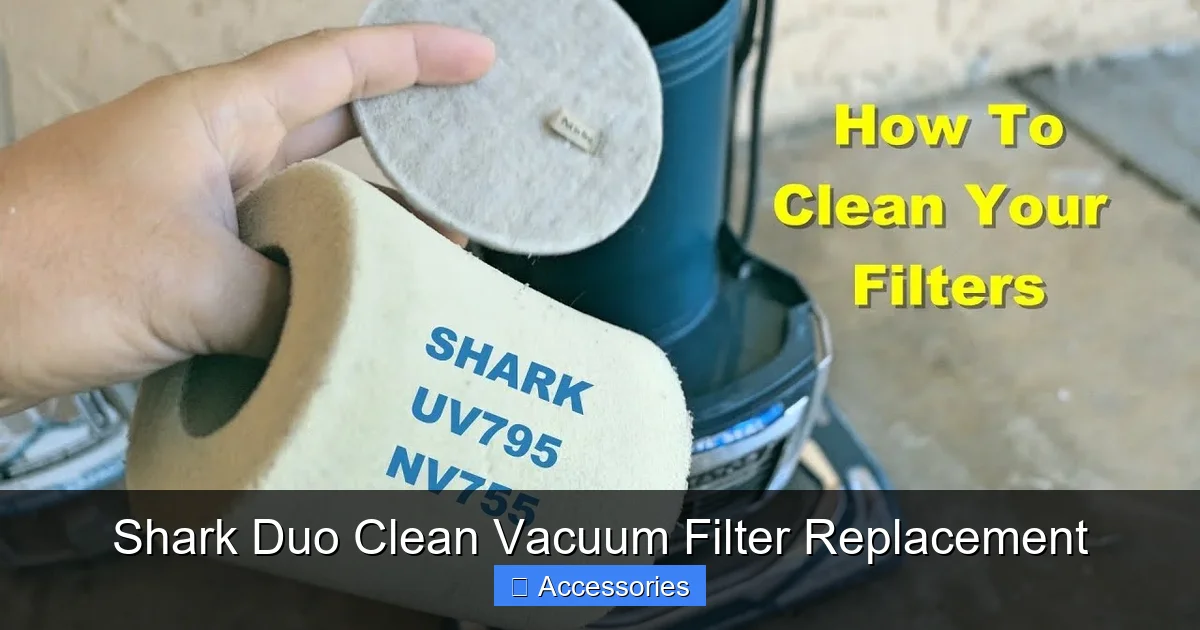
The Foam Pre-Motor Filter: This is typically the rectangular, spongy filter you’ll find in a compartment on the back or side of the vacuum. Its job is dual-purpose: it captures large debris like hair and carpet fibers to protect the vacuum’s motor from dust buildup, and it also helps dampen motor noise. The good news? This filter is reusable. You’re meant to wash it regularly. However, foam degrades over time, becoming hard, brittle, or torn, at which point it must be replaced.
The Felt Filter: Often a smaller, disc-shaped or rectangular pad of dense, felt-like material, this filter sits behind the foam filter. It captures the medium-sized dust particles that the foam misses. It is a disposable filter and cannot be washed. Attempting to clean it will destroy its dense fibrous structure, rendering it useless. It’s a workhorse that simply needs replacing when its capacity is full.
The Exhaust (HEPA) Filter: This is the final filter, usually located in a separate compartment, often near the handle or on the top rear of the vacuum. Its job is to clean the air *before* it exits the vacuum back into your room. A true HEPA filter is your ultimate defense against airborne allergens. Like the felt filter, it is not washable and must be replaced periodically. Some Shark Duo Clean models combine the felt and HEPA into a single cartridge, so always check your specific model’s requirements.
Locating Your Filters: A Model-Specific Guide
Before you do anything, you must know your exact model number. It’s on a sticker usually on the back or bottom of the vacuum (e.g., Shark DuoClean AZ6002, AZ9002, NV350, etc.). Once you have it:
- Foam Filter: Open the vacuum’s main dust cup/bottom compartment. The foam filter is often attached to the lid or sitting just inside the housing. On some models, you access it from a separate door on the back.
- Felt Filter: This is almost always located directly behind the foam filter, inside the same motor air intake housing.
- HEPA Filter: Look for a small rectangular or square compartment, often with a twist-lock or clip, on the upper rear section of the vacuum body or near the handle post. This is your exhaust filter.
Consulting your user manual’s parts diagram is the absolute best way to identify each filter’s location and official part number for your specific Shark Duo Clean.
The Critical ‘When’: Signs It’s Replacement Time
Following a rigid calendar is okay, but your vacuum will give you clear, audible and physical signs that its filters are failing. Heed these warnings.
Visual guide about Shark Duo Clean Vacuum Filter Replacement
Image source: i.ytimg.com
The Obvious Clues: Smells and Suction Loss
The most common and immediate sign is a noticeable drop in suction power. If your vacuum no longer picks up debris as effectively, especially on bare floors where it should excel, the first suspect is clogged filters. The second is a distinct, unpleasant odor. A dusty, “old vacuum” smell means the filters are saturated with debris and can no longer trap it effectively. You might even smell a slight burnt odor, which indicates the motor is overheating due to restricted airflow—this is a serious red flag requiring immediate filter replacement and a check for other blockages.
The The Visual Inspection: Tears, Discoloration, and Clogs
Once you’ve located the filters (with the vacuum unplugged!), pull them out for a closer look.
- Foam Filter: It should be a uniform light gray or off-white. If it’s dark gray, black, or caked with a thick layer of dust that doesn’t wash out, it’s time for a new one. Check for tears, holes, or crumbling edges. Any physical damage means it’s compromised.
- Felt & HEPA Filters: These should look pristine and fibrous. If they appear discolored (yellowed, gray), packed solid with dust, or you can see a visible layer of grime on the surface, they are overdue. Unlike foam, you cannot revive them by cleaning.
A good rule of thumb: if you can’t remember the last time you changed the felt or HEPA filter, it’s probably been too long. For the foam filter, if a thorough wash doesn’t restore its light color and spongy texture, replace it.
Master the Swap: A Step-by-Step Replacement Guide
Replacing your Shark Duo Clean filters is refreshingly simple. No tools, no technical skills. Just a few minutes and the right parts.
Visual guide about Shark Duo Clean Vacuum Filter Replacement
Image source: troubleshootinglab.com
Essential Precautions Before You Start
This cannot be stressed enough: ALWAYS unplug your vacuum from the wall outlet before touching any internal components. This prevents accidental startup and protects you from electrical hazards. Work on a stable surface. Have a trash bag handy for the old filters. And most importantly, have your new, correct filters ready before you begin so you don’t mix up the old ones or leave the vacuum open.
Removing the Old Filters (The Universal Process)
1. Access the Dust Cup: Press the release button and remove the dust cup/container. Empty it completely into your trash.
2. Remove the Foam Filter: Locate the foam filter housing (often part of the dust cup lid or a separate rear panel). Gently pull or twist the foam filter out. It may be held by clips or a simple friction fit. Set it aside.
3. Remove the Felt Filter: Directly behind the foam, you’ll see the felt filter. It is usually a flat pad sitting in a recessed area. Carefully lift it out. Note its orientation—some have a specific “up” side.
4. Remove the HEPA Filter: Go to the exhaust filter compartment (rear or handle). Release the latch or twist-lock mechanism. Pull the filter cartridge straight out.
Pro Tip: Take a quick photo with your phone before removing the last filter. This serves as a perfect reference for how everything fits back together, especially the orientation of the felt and HEPA filters.
Installing the New Filters for a Perfect Seal
Installation is the reverse process, but attention to detail is key.
- HEPA Filter First: Insert the new HEPA filter cartridge into its housing, ensuring it sits flush and the seal is tight. Engage the latch or lock until you hear a click.
- Felt Filter: Place the new felt filter into its recessed spot. Make sure it lies flat and is not folded or bunched. Its edges should be seated against the housing walls.
- Foam Filter: Push the new foam filter into its slot until it clicks or fits snugly. It should not be loose.
- Reassemble: Secure the dust cup back onto the vacuum until it locks into place. Give the vacuum a gentle shake to ensure nothing is rattling loose.
With new filters installed, your Shark Duo Clean should instantly feel more responsive. Run it for a minute in an open area to clear any initial dust from the new filters.
Prolonging Filter Life: Care and Maintenance Secrets
Replacement is inevitable, but you can stretch the life of your foam filter—and protect your other filters—with proper care.
Cleaning the Foam Filter: Do’s and Don’ts
The foam filter is your only washable filter. Do this every 1-2 months, or after every 3-5 uses if you have pets or live in a dusty environment.
- DO: Remove the foam filter and rinse it thoroughly under cold, running water. Gently squeeze and press it to force out trapped dust. Do not wring or twist aggressively, as this can tear it.
- DO: Use a mild, soap-free rinse. A tiny drop of gentle dish soap can help with greasy grime, but rinse, rinse, rinse until the water runs completely clear.
- DO: Air-dry completely for a FULL 24 HOURS. Place it in a well-ventilated, warm spot, not in direct sunlight or near a heater. Never, ever use a hair dryer, oven, or microwave. Moisture inside the vacuum is a surefire way to ruin the motor.
DON’TS: Never use hot water (it damages the foam). Never use cleaning chemicals or solvents. Never reinstall it damp. If after washing it remains dark, stiff, or smells musty, discard it and use a new one.
The Non-Washable Duo: Felt and HEPA Care
Your felt and HEPA filters have no cleaning routine. Their fibrous media is designed to trap particles deep within its matrix. Attempting to “clean” them by vacuuming, washing, or beating will destroy their structure and release trapped dust back into the air. The only care for these filters is regular, timely replacement. You can, however, extend their life by keeping the foam filter impeccably clean, as it catches the large debris that would otherwise clog the finer filters faster. Also, ensure your dust cup is emptied after every use to minimize overall dust load on the system.
The Ultimate Buying Guide: Navigating Filter Options
When it’s time to buy, you’ll face choices. Here’s how to navigate them without making a costly mistake.
Genuine Shark Filters vs. Third-Party: The Real Difference
You’ll find “Shark Duo Clean filter replacements” on Amazon, eBay, and various generic websites at prices that seem too good to be true. They often are. While some third-party filters are decent, many are made with inferior materials—thinner foam that tears easily, less dense felt, and HEPA media that doesn’t meet true HEPA standards. The most critical issue is fit. A poorly molded plastic frame or incorrectly sized filter media can create gaps in the sealing surface. This means unfiltered air bypasses the filter entirely, rendering it useless and potentially damaging your motor. Genuine Shark filters (often branded “Shark” or “SharkNinja”) are engineered to exact specifications for your model, guaranteeing a perfect seal and optimal filtration performance. Using genuine parts also maintains your vacuum’s warranty, which is often voided by non-OEM parts.
Decoding Model Numbers: Finding Your Perfect Fit
This is the most important step. Shark Duo Clean is a series with many models (AZ300, AZ350, AZ600, AZ900, NV350, NV356, etc.). Filters are not universal within the series. A filter for an AZ6002 will not fit an AZ9002. Your model number is your golden ticket. Find it on the vacuum’s rating plate. Then, when shopping, look for the filter’s part number. Genuine Shark part numbers typically start with “FV” or “HF” (e.g., FV1300 for a foam filter, HF400 for a HEPA filter). Reputable sellers will list compatibility with specific model numbers in the product description. Cross-reference your model number with the filter’s stated compatibility before purchasing.
Where to Buy: Authorized Retailers vs. Marketplaces
For guaranteed authenticity, buy from authorized Shark retailers. This includes:
- The official SharkNinja website
- Major big-box stores: Target, Walmart, Best Buy, Home Depot, Lowe’s
- Major online retailers: Amazon (but only if sold *by* Shark or a known authorized dealer like “Shark Official Store”)
Be extremely cautious on marketplaces like eBay or Wish, where counterfeits are rampant. If a price is less than half of the retail price, it’s almost certainly fake. Look for seller ratings with thousands of reviews specifically for that filter part. When in doubt, buy from the source.
Conclusion: Your Vacuum’s Health Depends on It
Your Shark Duo Clean vacuum is a significant investment in a cleaner, healthier home. It’s a powerful machine designed to last for years. But like any high-performance tool, it requires consistent, proper maintenance. At the heart of that maintenance is the humble filter. By understanding the critical role of the three-filter system, learning to recognize the unmistakable signs of failure, mastering the simple replacement process, and committing to buying the correct genuine parts, you take complete control of your vacuum’s health—and by extension, your home’s environment. You’ll enjoy powerful, consistent suction, eliminate odors, and rest easy knowing you’re not recirculating allergens. Don’t wait for a loss of performance to act. Check your filters today, establish a regular cleaning and replacement schedule, and give your Shark Duo Clean the care it deserves. Your floors, your air, and your vacuum’s motor will thank you for it.
Frequently Asked Questions
How often should I replace the filters in my Shark Duo Clean vacuum?
The washable foam pre-motor filter should be cleaned after every 3-5 uses and replaced every 3-6 months, depending on use. The non-washable felt and HEPA filters typically need replacement every 6-12 months. However, if you have pets, allergies, or vacuum frequently, you may need to replace them sooner. Always inspect filters regularly for signs of damage or clogging.
Can I wash the felt or HEPA filter in my Shark Duo Clean?
No, absolutely not. The felt and HEPA filters are made from dense, fibrous materials that are permanently damaged by water. Washing them will destroy their structure, eliminate their filtration capability, and can cause mold and mildew. Only the foam filter is designed to be washed with cold water and air-dried completely.
How do I know which filter part number I need for my specific Shark Duo Clean model?
The only surefire way is to locate your vacuum’s exact model number on its rating plate (usually on the back or bottom). Then, search for “Shark Duo Clean [Your Model Number] filter replacement” or consult your user manual’s parts list. Genuine Shark filter part numbers (like FV1300 for foam) are also listed on the filter itself if you have the old one. Always match the model number, not just the series name.
Is it okay to use third-party or generic filters instead of genuine Shark ones?
While cheaper third-party filters exist, we strongly recommend using genuine Shark filters. Third-party filters often have poor fit, which creates gaps that allow unfiltered air to bypass the system, reducing performance and potentially harming the motor. They also use inferior materials that may not meet filtration standards. Genuine Shark filters guarantee a perfect seal, proper filtration, and protect your vacuum’s warranty.
Where is the best place to buy authentic Shark Duo Clean filter replacements?
Buy from authorized Shark retailers to ensure authenticity. This includes the official SharkNinja website, major brick-and-mortar stores like Target, Walmart, and Best Buy, and their official storefronts on Amazon. Avoid unknown third-party sellers on marketplaces like eBay or Wish, where counterfeit products are common.
What happens if I don’t replace my Shark Duo Clean filters regularly?
Neglecting filter replacement leads to severely reduced suction power, as clogged filters restrict airflow. It causes your vacuum’s motor to overheat and work harder, drastically shortening its lifespan and risking expensive motor failure. Most critically, it means your vacuum is exhausting dust, allergens, and debris back into your home’s air, defeating the purpose of vacuuming and potentially worsening indoor air quality and allergies.