A Shark Dual Clean roller brush that isn’t spinning is a common issue usually caused by clogs, a worn or broken belt, or a tripped thermal cut-off. Most problems can be solved at home with basic troubleshooting and cleaning. This guide provides a detailed, safe process to diagnose and fix the issue, along with preventive habits to keep your vacuum performing optimally.
Key Takeaways
- Clogs are the #1 culprit: Hair, string, and debris wrapping around the brush roll or in the suction path is the most frequent cause of a non-spinning roller.
- The belt is a critical link: A broken, stretched, or dislodged drive belt connecting the motor to the brush roll will stop it from spinning.
- Thermal protection can pause operation: Overheating from a clog or long runtime triggers a safety cut-off that requires a cool-down period and reset.
- Regular cleaning is non-negotiable: Removing hair from the brush roll and clearing airways every 1-2 uses prevents 90% of spinning issues.
- Simple tools are all you need: Most fixes require only a screwdriver, scissors, and a damp cloth—no special skills required.
- Worn parts have a lifespan: Brush rolls and belts are wear items; expect to replace them every 1-2 years with regular use on pet hair or carpets.
- Safety first always: Always unplug the vacuum before any inspection or repair to avoid injury or damage.
📑 Table of Contents
- The Frustration of a Silent Roller: Why Your Shark Dual Clean Has Stopped Spinning
- Understanding the Dance: How Your Shark Dual Clean’s Brush Roll System Works
- Immediate Action: The 10-Minute Preliminary Triage
- Deep Dive Diagnostics: Accessing and Inspecting the Brush Roll and Belt
- The Surgical Fix: Replacing the Drive Belt and/or Brush Roll
- When the Fix Isn’t Simple: Recognizing Internal Failures and Seeking Help
- Preventive Medicine: habits to Keep Your Dual Clean’s Brush Spinning for Years
- Conclusion: Empowerment Through Understanding
The Frustration of a Silent Roller: Why Your Shark Dual Clean Has Stopped Spinning
You pull out your trusty Shark Dual Clean vacuum, ready to tackle the aftermath of a busy week—crumbs in the kitchen, pet hair on the sofa, tracked-in dirt from the hallway. You press the power button, hear the familiar motor hum, but something is critically wrong. The powerful dual brush rolls, the very heart of its cleaning prowess, are silent and still. That satisfying whir and the visible rotation that agitates dirt from deep within carpet fibers? Gone. This moment of frustration is all too common for Shark Dual Clean owners, but take heart. In the vast majority of cases, a Shark Dual Clean roller brush not spinning is not a sign of a dead vacuum. It’s a symptom of a specific, identifiable, and almost always fixable problem. Your vacuum’s primary weapon has been disarmed, but with a calm, systematic approach, you can often restore it yourself in under 30 minutes, saving you a costly service call or premature replacement.
This guide is your definitive roadmap. We will move beyond the basic “check for clogs” advice and dive deep into the anatomy of your Shark Dual Clean, exploring exactly how the brush roll system works, what can go wrong, and providing you with clear, safe, step-by-step instructions to diagnose and resolve the issue. We’ll cover everything from the simple scissors-and-patience fix to identifying a failed component. Think of this as a conversation with a knowledgeable friend who has taken apart dozens of these vacuums. Let’s get that brush roll spinning again.
Understanding the Dance: How Your Shark Dual Clean’s Brush Roll System Works
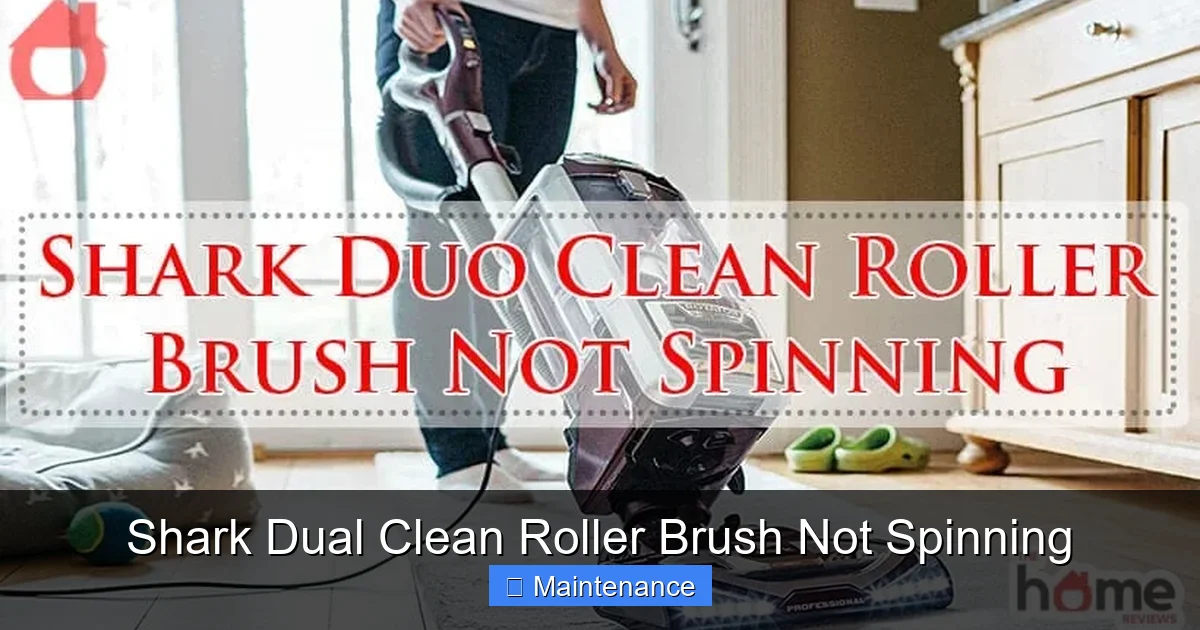
Before we start pulling screws, it’s crucial to understand what makes the brush roll, well, roll. The Shark Dual Clean (models like the AZ1002, AZ3002, etc.) uses a brilliant dual-brush system. One brush roll is designed for carpets, with stiff bristles to dig in and agitate embedded dirt. The other is for hard floors, with softer bristles to gently sweep debris without scattering it. Both are powered by the same motor, but through a clever mechanism. The motor’s primary job is to create suction. A secondary drive belt—a rubber loop—transfers a portion of that motor’s rotational power to the brush roll gearbox. This is a direct mechanical connection.
Visual guide about Shark Dual Clean Roller Brush Not Spinning
Image source: thehomereviews.com
The Key Components in the Spin Chain
If any single link in this chain is broken or obstructed, the brush roll stops. Here is the chain, in order from power source to brush:
- The Motor & Gearbox: This is the engine. It spins when the vacuum is on. The gearbox on the brush roll end is what the belt connects to.
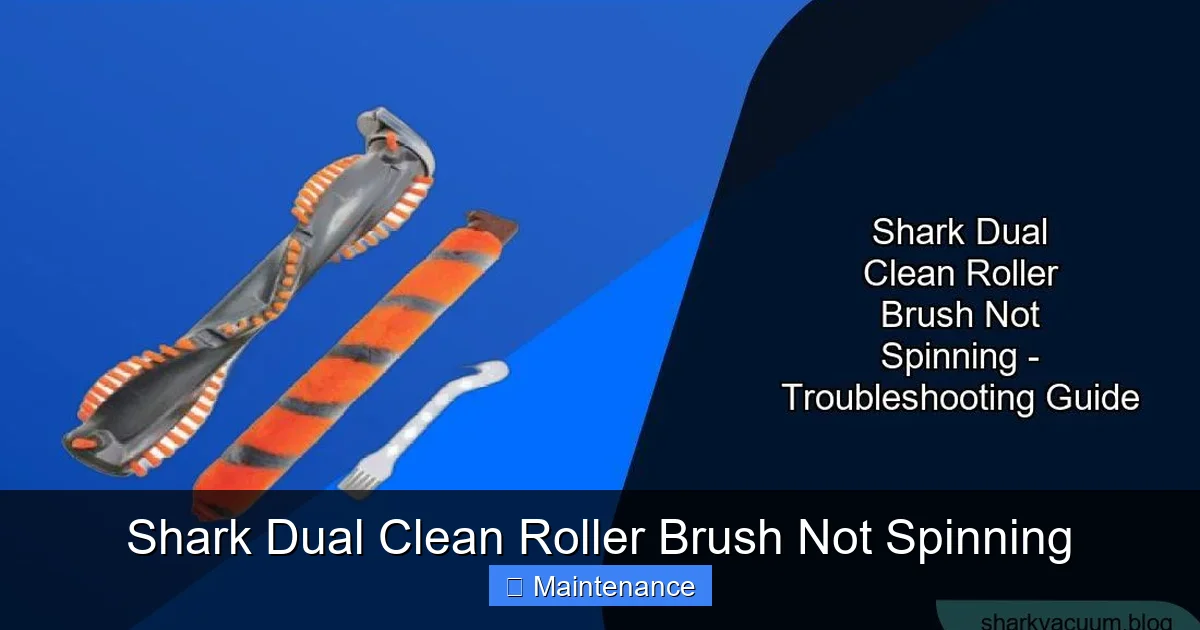
- The Drive Belt: This is a small, often black, rubber belt. It’s a loop that fits over a small pulley on the motor/gearbox and a larger pulley on the brush roll itself. If this belt snaps, stretches too much, slips off, or is coated in debris, power transfer stops.
- The Brush Roll Assembly: This is the cylindrical roller with bristles. It spins on bearings inside a housing. If it’s jammed solid with hair and carpet fibers, the resistance can be so great that the belt slips or the motor’s thermal protection trips, or it simply can’t overcome the friction to turn.
- The Airflow Path & Sensors: The vacuum’s suction path must be clear. Severe clogs in the hose, wand, or main body can create such back-pressure that the motor struggles, potentially tripping safety features or reducing the power available to spin the brush roll via the belt.
Your troubleshooting mission is to check each link in this chain, starting with the simplest and most common: the clog.
Immediate Action: The 10-Minute Preliminary Triage
Before you grab a screwdriver, perform this essential, no-tool-required triage. This solves most problems and informs your next steps if it doesn’t.
Visual guide about Shark Dual Clean Roller Brush Not Spinning
Image source: sharkvacuum.blog
Step 1: The Obvious Visual Check & Reset
First, ensure the vacuum is unplugged from the wall outlet. Safety is paramount. Flip the vacuum over. Look directly at the brush roll housing. Can you see the brush roll itself? Is it visibly packed with hair, string, or carpet fibers? If it looks like a fuzzy caterpillar, that’s your problem. Use a pair of scissors to carefully cut and remove as much debris as you can. Pay special attention to the ends where the bearings are—this is where hair loves to bind and create a “bridge” that jams the roll. Clear this away thoroughly.
Next, check the suction path. Detach the hose from the vacuum body and look into the opening. Shine a flashlight. Can you see any large obstructions? Feel with your finger (ensuring the vacuum is off and unplugged!). Clear any visible blockages from the hose, wand, and the vacuum’s intake port.
Step 2: The Thermal Reset
Shark vacuums have a thermal cut-off switch. If the motor overheats—often because of a clogged brush roll or filter—it will shut down to prevent damage. The motor may still hum, but the brush won’t spin. The fix is often a simple cooldown and reset.
- Unplug the vacuum.
- Remove the dust cup and empty it completely.
- Check and clean the pre-motor foam filter and the post-motor HEPA filter (if your model has one). Washable foam filters should be rinsed with cold water and dried completely for 24 hours before reuse.
- Leave the vacuum unplugged in a cool, dry place for at least 45 minutes to an hour. This ensures the thermal switch fully resets.
- Reassemble (empty dust cup, clean filters), plug in, and try again.
If the brush roll spins after this, your issue was overheating from a temporary blockage or dirty filters. If it doesn’t, proceed to the next diagnostic level.
Deep Dive Diagnostics: Accessing and Inspecting the Brush Roll and Belt
If the preliminary steps failed, it’s time for a hands-on investigation. You’ll need a Phillips-head screwdriver. Always work with the vacuum unplugged.
Visual guide about Shark Dual Clean Roller Brush Not Spinning
Image source: thehomereviews.com
How to Remove the Brush Roll Housing
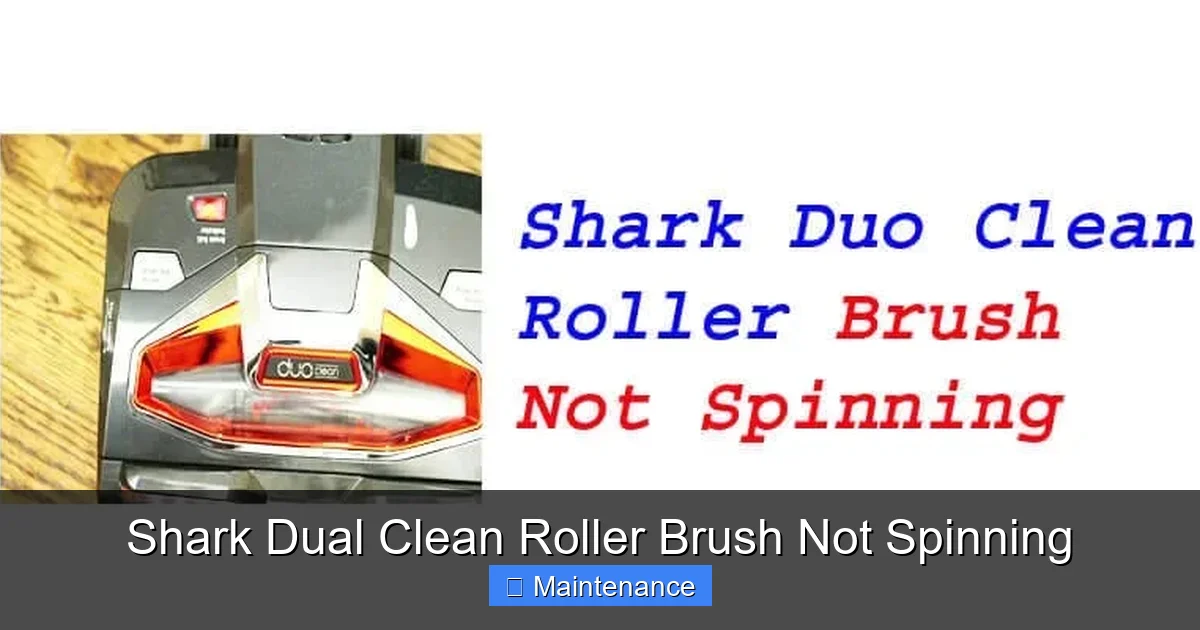
The brush roll on Shark Dual Clean models is typically housed in a large, gray or black plastic hood on the underside of the vacuum head. This hood is held on by multiple screws, usually four or six. Place the vacuum on its side or upside down for better access. Remove all the screws and carefully lift the hood off. You will now see the brush roll, the belt, and the motor pulley.
The Critical Inspection: What to Look For
With the hood off, perform this checklist:
- The Brush Roll: Manually try to rotate the brush roll by hand. Does it spin freely in both directions? Or is it stiff, gritty, or completely locked? If it’s stiff, the bearings inside the brush roll are likely packed with debris or have failed. You can sometimes clean them by removing the end caps (they may have screws or just pull off), but often a seized brush roll needs replacement.
- The Drive Belt: Locate the rubber belt loop. Is it still on both pulleys (the small one on the motor/gearbox and the larger one on the brush roll)? Is it broken, frayed, or has it stretched so much it’s loose and slipping? A belt that is oily, glazed, or covered in melted plastic from overheating will also slip and fail to transfer power. If the belt is missing, broken, or visibly worn, it needs replacement. Shark uses specific belt models (like the 186 Series belt for many Dual Clean models).
- The Pulleys & Alignment: Check that both pulleys are intact and not wobbling. Ensure the belt is properly seated in the groove of each pulley. A misaligned pulley can cause the belt to jump off.
- The Motor Pulley/Brush Roll Gearbox: Try to rotate the motor pulley (the small one) by hand. It should turn relatively smoothly. If it’s locked or extremely gritty, the motor gearbox may have failed. This is a more serious internal issue.
Based on your inspection, you’ve likely identified the faulty component: a jammed brush roll, a bad belt, or a more serious internal failure.
The Surgical Fix: Replacing the Drive Belt and/or Brush Roll
Assuming the issue is a faulty belt or a brush roll that spins freely when removed (indicating the bearings are okay), the repair is straightforward.
Replacing the Drive Belt: A Step-by-Step Guide
1. With the housing off, stretch the old belt off the pulleys. Note its orientation—it’s a loop, but see how it sits in the grooves.
2. Take your new, correct replacement belt. Stretch it over the motor pulley first.
3. Then, stretch and hook it onto the larger brush roll pulley. You may need to rotate the brush roll slightly to get the belt to seat properly. Ensure it’s sitting in the groove and not twisted.
4. Manually rotate the brush roll several times by hand. The belt should move smoothly with it, without slipping or binding.
5. Reassemble the housing, plug in, and test. You should hear and see the brush roll spinning immediately upon power-on.
Replacing the Brush Roll Assembly
If the brush roll itself is damaged, worn, or its internal bearings are seized, replace the whole assembly.
1. With the housing off, locate how the brush roll is held in. It’s usually clipped into slots at each end. You may need to pry the plastic clips gently with a flathead screwdriver.
2. Pull the brush roll straight out. Note how the belt is attached (it will come off with the old roll).
3. Take the new brush roll. Before installing, check the ends for any shipping clips or protective covers and remove them.
4. Stretch the new (or your old, if still good) drive belt onto the new brush roll’s pulley.
5. Position the brush roll back into its housing slots, ensuring the belt is still on the motor pulley.
6. Rotate the brush roll to seat the belt correctly.
7. Reassemble the housing and test.
Pro Tip: While you have it apart, use this opportunity to clean out the entire housing cavity. Use a damp cloth to wipe away any accumulated dust, hair, and gunk. This prevents future clogs and overheating.
When the Fix Isn’t Simple: Recognizing Internal Failures and Seeking Help
What if you’ve replaced the belt, the new brush roll spins freely, and the housing is spotless, but the brush still doesn’t turn? This points to a failure in the power transfer system beyond the brush roll itself.
Possible Internal Culprits
- Failed Motor Gearbox: The small gearbox attached to the main motor that the drive belt connects to may have stripped its internal gears. This is a common failure point after years of use. The motor will still hum and create suction, but it cannot transfer rotational power to the belt pulley.
- Broken or Disconnected Drive Shaft: Inside the vacuum’s main body, a plastic drive shaft connects the motor gearbox to the brush roll pulley (in some models). If this shaft snaps or becomes disconnected, power stops at the gearbox.
- Severe Motor Failure: Rare, but possible. The motor windings for the brush drive function have burned out.
Diagnosing these issues requires further disassembly of the vacuum’s main body, which is more complex and varies significantly by model number. It involves removing the top cover and potentially the motor assembly. If you are not comfortable with this level of repair—or if your vacuum is older and parts are scarce—this is the point to consider professional service or evaluating the cost of repair versus replacement.
Preventive Medicine: habits to Keep Your Dual Clean’s Brush Spinning for Years
The best fix is the one you never need. Integrating these simple habits into your cleaning routine will dramatically extend the life of your brush roll system and maintain peak performance.
Make Hair Removal a Ritual
After every 2-3 uses, especially if you have pets or long hair, flip the vacuum over and use scissors to cut away any hair wrapped around the brush roll. Don’t try to pull it; you’ll just tighten the knot. Cutting it is quick and prevents it from working its way into the bearings. For stubborn, thin hair that winds tightly, a seam ripper (a tool for removing stitches) is incredibly effective at slicing through the hair without damaging bristles.
Regular Deep Cleaning Schedule
Once a month, perform a more thorough cleaning:
- Remove the brush roll housing (as described earlier).
- Take out the brush roll. Use a damp microfiber cloth to wipe down the plastic housing inside and out.
- Use a dry toothbrush or a small parts cleaning brush to dislodge any debris from the motor pulley and the housing’s crevices.
- If your brush roll has removable end caps, take them off, clean the bearings, and re-grease them lightly with a white lithium grease if they feel dry (though many modern sealed bearings are not serviceable).
- Check the condition of the drive belt. Look for glazing, cracks, or loss of elasticity. Replace it preventatively if it’s over a year old or shows wear.
Mind Your Floors and Settings
Using the wrong brush roll on certain surfaces accelerates wear. Ensure you’re using the appropriate brush roll for your floor type—the Shark Dual Clean’s dual system handles both, but be mindful. Also, avoid running the vacuum over hard, sharp objects (like small toys, coins, or broken glass) which can damage bristles or jam the roll. Finally, don’t ignore the vacuum’s warnings. If suction seems weak, clean the filters and check for clogs immediately. A struggling motor is a hot motor, and heat is the enemy of belts and electronics.
Conclusion: Empowerment Through Understanding
A Shark Dual Clean roller brush not spinning is a powerful moment of inconvenience, but it is rarely a death sentence for your vacuum. By understanding the simple, elegant mechanics of the drive system—motor, belt, brush roll—you empower yourself to be the first and most effective responder. Start with the easy, no-tool triage: clear visible clogs, clean filters, and perform a thermal reset. If that fails, the logical next step is a visual inspection after removing the brush roll housing. You will almost certainly find the culprit: a hair-clogged brush, a snapped belt, or a belt that has jumped its pulleys. Armed with a new, inexpensive belt or a clean brush roll, you can perform a swift surgical repair and have your vacuum restored to its full, dual-roll glory.
Embrace the habit of preventative maintenance. A few minutes of hair-cutting every few weeks and a monthly deep clean will prevent the vast majority of these failures. You’ve invested in a powerful, versatile cleaning tool. With a little knowledge and care, you can protect that investment for years, ensuring that whenever you need to tackle a mess, your Shark Dual Clean is ready—with both brushes spinning powerfully, ready to lift and capture dirt from every surface in your home.
Frequently Asked Questions
Can I use my Shark Dual Clean without the belt if the brush roll isn’t spinning?
Technically yes, the vacuum will still provide suction for hard floors and above-floor cleaning. However, you will lose the agitation power essential for deep carpet cleaning. Running it without the belt means the brush roll is not powered, so you’re only getting surface-level suction cleaning.
How often should I replace the drive belt on my Shark Dual Clean?
The drive belt is a wear item. With regular use (2-3 times per week), plan on inspecting it every 6 months and replacing it every 12-24 months. If you have pets or mostly carpeted floors, replace it annually. Always replace it with the exact OEM or recommended replacement part for your specific model number to ensure proper fit and function.
My brush roll spins freely when I take it out, but won’t spin when installed. What gives?
This is a classic sign of a broken or worn drive belt. When you remove the brush roll, you remove the load. The belt may look intact but could be so stretched or glazed that it slips on the motor pulley under load. Replace the belt. If a new belt doesn’t solve it, the motor gearbox pulley may be worn smooth and no longer grips the belt.
Is there a tool I need to remove the brush roll housing?
For almost all Shark Dual Clean models, you only need a Phillips-head screwdriver. The housing is secured with screws. Some newer models may use Torx screws (star-shaped), so it’s good to have a small Torx bit set on hand. Always check your user manual for the exact screw type for your specific model number.
My vacuum is still under warranty. Should I try to fix it myself?
Check your warranty terms. Many warranties are voided by unauthorized repair. If your vacuum is within the warranty period and the issue is a manufacturing defect, your best and cost-free path is to contact Shark Customer Support. They can verify your warranty status and guide you to an authorized service center. Only attempt DIY repairs if the vacuum is out of warranty or if you are willing to forfeit warranty coverage.
Why does my brush roll smell like burning rubber when I try to use it?
This is a serious red flag. The smell of burning rubber indicates the drive belt is slipping violently against a pulley, often because it’s the wrong belt, severely worn, or the pulley is locked. A jammed brush roll can also cause this. Immediately unplug the vacuum. Continuing to run it in this state will destroy the belt, melt the pulley, and likely burn out the motor. Diagnose and fix the jam or replace the belt immediately.