A non-spinning brush roll in your Shark Apex Duo is a common, usually fixable issue. It’s almost always caused by debris jamming the brush, a worn belt, or a tripped thermal fuse. You can diagnose and resolve most problems at home with simple tools and cleaning. Regular maintenance is the key to preventing this frustrating but solvable problem.
You’re in the middle of cleaning, and you notice it. That familiar, satisfying whir of your Shark Apex Duo’s brush roll is silent. You look down, and the brush head is just sitting there, not spinning. Panic sets in for a split second. Is it broken for good? Will I need an expensive repair? Take a deep breath. A Shark Apex Duo brush not spinning is one of the most common issues with upright vacuums, and in the overwhelming majority of cases, it’s a problem you can solve yourself in under 30 minutes with a few simple tools. This guide will walk you through every possible cause, from the simplest jam to a more complex electrical issue, with clear, step-by-step instructions. We’ll turn you into your vacuum’s own repair technician.
The Shark Apex Duo is a powerful machine designed to tackle deep carpet cleaning and hard floors with its dual brush roll system. When one or both brushes stop spinning, it’s a clear sign that the power from the motor isn’t reaching the brush rolls. Our job is to find where that connection is broken. The cause is usually mechanical—something physically blocking the rotation—or a simple safety feature that has tripped. It’s rarely a catastrophic motor failure right out of the box. So, roll up your sleeves; we’re going to get that brush spinning again.
Key Takeaways
- Debris is the #1 Culprit: Hair, string, and carpet fibers wrap around the brush roll bearings, stopping it cold. Cleaning this out is the most frequent fix.
- The Belt is a Likely Suspect: A broken, stretched, or slipped drive belt will disconnect the motor’s power from the brush roll.
- Check for a Tripped Thermal Fuse: Overheating from clogs or a jammed brush can trigger a safety fuse, cutting power to the brush motor.
- Simple Tools Solve Most Issues: You typically only need a Phillips screwdriver, a seam ripper or scissors, and a flashlight to perform most repairs.
- Maintenance Prevents Recurrence: A quick brush roll clean every 2-3 uses, especially with pets, prevents the vast majority of jamming problems.
- Safety First: Always unplug the vacuum before inspecting or performing any maintenance to avoid injury or damage.
- Warranty May Cover Parts: If the brush roll motor itself is faulty and under warranty, Shark may replace it, but labor is usually not covered.
📑 Table of Contents
- Understanding Your Shark Apex Duo’s Brush Roll System
- Diagnosis: The Systematic Approach to a Non-Spinning Brush
- DIY Fixes: Getting Your Brush Back in Action
- Special Case: Dealing with Pet Hair and Thick Fibers
- When the Fix Isn’t Simple: Advanced Troubleshooting
- Prevention is Key: A Maintenance Schedule to Live By
- Conclusion: You’ve Got This!
Understanding Your Shark Apex Duo’s Brush Roll System
Before we start taking things apart, it helps to understand what makes the brush roll spin. Your Shark Apex Duo uses a system of belts, motors, and safety cut-offs. The main vacuum motor creates suction. Separately, a smaller, dedicated brush roll motor (or sometimes the main motor via a transmission) drives a rubber belt. This belt connects the motor shaft to the brush roll’s axle, making it rotate rapidly. If any link in this chain is compromised—a jammed brush, a broken belt, a disconnected wire, or a tripped fuse—the brush stops.
The Two-Brush Advantage (and Potential Double Trouble)
The “Duo” in the name refers to its two brush rolls: a standard bristle brush for carpets and a soft roller for hard floors. They are often driven by a single belt or have separate, but similar, drive systems. This means you might have one brush spinning while the other is dead, or both may be affected by a single issue like a tripped fuse. Identifying which brush (or both) is not spinning is your first diagnostic clue.
Key Components to Know
- Brush Roll: The cylindrical barrel with bristles or rubber fins. It’s the part that agitates carpet fibers.
- Drive Belt: A rubber loop that transfers power from the motor to the brush roll.
- Brush Roll Motor: The small electric motor dedicated to spinning the brushes.
- Thermal Fuse: A safety switch that breaks the electrical circuit if the motor overheats.
- Bearing/Housing: The plastic casing on each end of the brush roll where it spins. These are prime spots for hair and fiber accumulation.
Diagnosis: The Systematic Approach to a Non-Spinning Brush
Don’t just start unscrewing things randomly. A methodical diagnosis will save you time and prevent you from disassembling parts unnecessarily. Follow this checklist in order, from the easiest and most common fix to the more involved.
Visual guide about Shark Apex Duo Brush Not Spinning
Image source: sharkvacuum.blog
Step 1: The Visual and Physical Jam Check
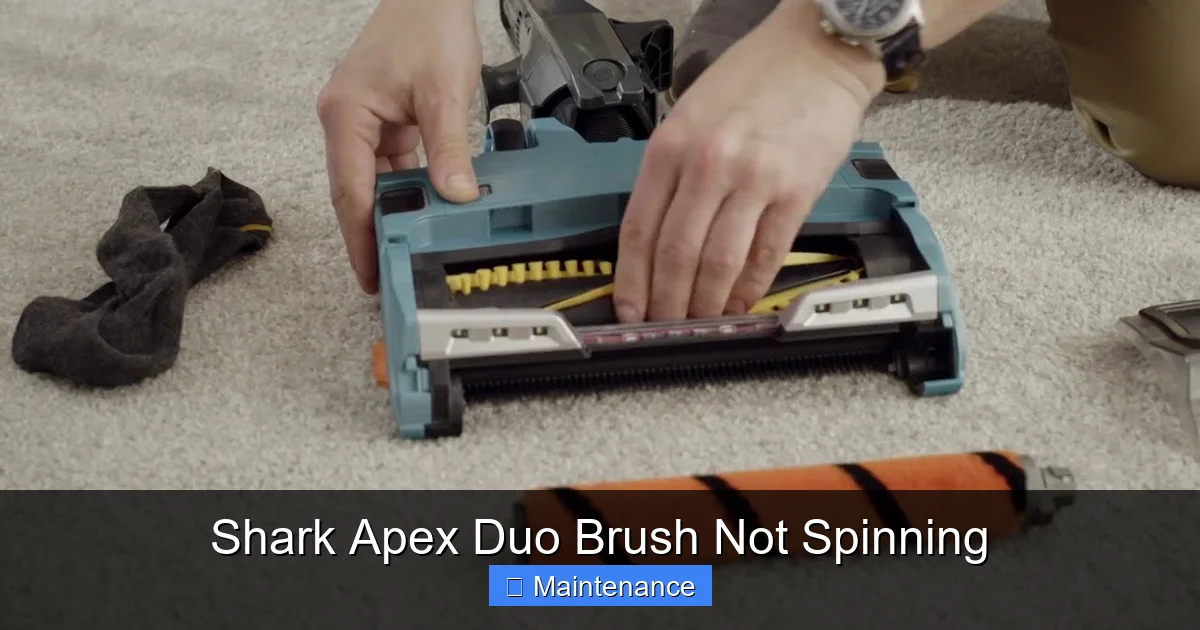
This is the most likely problem, especially if you have pets or long hair. Turn the vacuum over and look directly at the brush roll housing. Use a flashlight. Can you see the brush roll? Is it visibly packed with hair, string, or bits of carpet? If so, that’s your problem. The debris has tightened around the axles or bearings, creating so much resistance that the motor can’t turn it. Solution: You’ll need to cut and remove this debris. Use a seam ripper, a pair of scissors, or even a dedicated “hair removal tool.” Carefully slice through the wrapped material lengthwise along the brush roll and pull it away. Pay special attention to the plastic end caps—this is where fibers love to bind and create a solid lock.
Step 2: Inspect the Drive Belt
If the brush roll is clean but still won’t turn, the belt is the next suspect. You’ll need to remove the bottom plate of the vacuum to see it. Usually, there are 4-6 screws on the underside of the brush head housing. Once the plate is off, you’ll see the belt looped around the brush roll and a smaller pulley connected to the motor. What to look for:
- Is the belt broken? A clean snap means it needs replacement.
- Is it stretched or loose? A belt that doesn’t sit snugly on the pulleys will slip and not transfer power.
- Is it simply slipped off? Sometimes a major jam can cause the belt to jump off its track. If it’s intact, you can often just stretch it back over the motor pulley.
A Shark Apex Duo belt is a specific size and type. You can find the exact replacement part number (often something like “Shark Belt NV300, NV350, etc.”) in your manual or by searching your model number online. Keep a spare on hand; belts are a wear item.
Step 3: The Hair-in-the-Bearing Test
Here’s a pro trick. Even if the brush roll *looks* clean, a tiny amount of hair can work its way into the sealed bearing inside the plastic end cap. This creates immense friction. Test: Manually spin the brush roll with your fingers after removing any surface debris. Does it spin freely, or is there a gritty, stiff spot? If it’s stiff, you need to remove the brush roll itself to clean the bearings. To do this, usually, you’ll slide the brush roll out of its housing after removing the belt. The end caps may twist off or pop off. Clean out any visible gunk inside the cap and around the metal axle. Re-lubricate with a tiny drop of white lithium grease if it’s very dry (though most modern bearings are sealed and don’t require this).
Step 4: Listen and Feel for Motor Activity
With the vacuum upright and turned on (but not on the floor), put your hand near the brush housing. Do you feel any vibration or hear a faint whirring sound? If the motor is trying to turn but the brush isn’t, it points to a jam or belt issue. If you feel and hear nothing from the brush area, but the main suction is strong, the problem is likely electrical—a disconnected wire, a faulty brush roll motor, or a tripped fuse. The brush roll motor is separate from the suction motor.
DIY Fixes: Getting Your Brush Back in Action
Armed with a diagnosis, let’s apply the fix. We’ll cover the three most common scenarios.
Visual guide about Shark Apex Duo Brush Not Spinning
Image source: i.ytimg.com
Fixing a Debris Jam (The Most Common Fix)
This is your bread and butter maintenance. You’ll need: scissors or a seam ripper, a flashlight, and possibly a stiff brush (like an old toothbrush).
- Unplug the vacuum. This is non-negotiable for safety.
- Lay the vacuum on its back to access the brush roll housing easily.
- Remove the bottom plate by unscrewing all the screws. Set them aside safely.
- Locate the brush roll and use the flashlight to inspect the entire length, especially the ends.
- Cut and pull any wrapped hair or fibers. Be thorough. Get inside the bearing housings with your seam ripper tip.
- Spin the brush roll by hand to ensure it rotates freely in both directions.
- Reassemble by placing the bottom plate back and securing all screws. Don’t overtighten.
- Test. Plug in and turn on. The brush should now spin.
Replacing a Faulty Drive Belt
If your belt is broken, stretched, or missing, here’s how to replace it. You’ll need a new correct-model belt and a screwdriver.
- Unplug and lay the vacuum on its back.
- Remove the bottom plate as described above.
- Locate the old belt. It will be looped around the brush roll and a small motor pulley. Stretch it and slide it off the brush roll first, then off the motor pulley.
- Note the belt’s orientation. It’s usually a simple loop, but make sure you know which way it was routed before removing it completely.
- Install the new belt. Stretch it over the motor pulley first, then rotate the brush roll to slide the other end onto its groove. It should fit snugly. You may need to twist the brush roll slightly to get it on.
- Manually rotate the brush roll several times to ensure the belt is seated correctly and isn’t pinched.
- Reassemble the bottom plate and test.
Pro Tip: While you have it open, clean out any dust from the belt housing and motor area with a vacuum hose attachment.
Resetting a Tripped Thermal Fuse
Shark vacuums have a thermal fuse inside the brush roll motor housing. If the motor overheats (from a jam or prolonged use on thick carpet), this fuse blows to prevent fire. The brush motor will get no power. The good news? These fuses are often resettable.
- Unplug the vacuum and ensure the brush roll is completely free of debris. A blown fuse is a symptom; the jam is the disease. Fix the jam first.
- Locate the fuse. It’s typically a small, red, button-like component on the brush roll motor housing. You may need to remove the brush roll and the bottom plate to see it clearly. Consult your user manual for the exact location on your Apex Duo model.
- Press the reset button firmly until you feel or hear a click.
- Reassemble everything.
- Test the vacuum. If the fuse was the only issue, the brush should now spin. If it blows again immediately, you have a persistent jam or a failing motor that is drawing too much current.
If the fuse is not resettable (a one-time fuse), you’ll need to replace it. These are inexpensive and can be ordered online using your model number.
Special Case: Dealing with Pet Hair and Thick Fibers
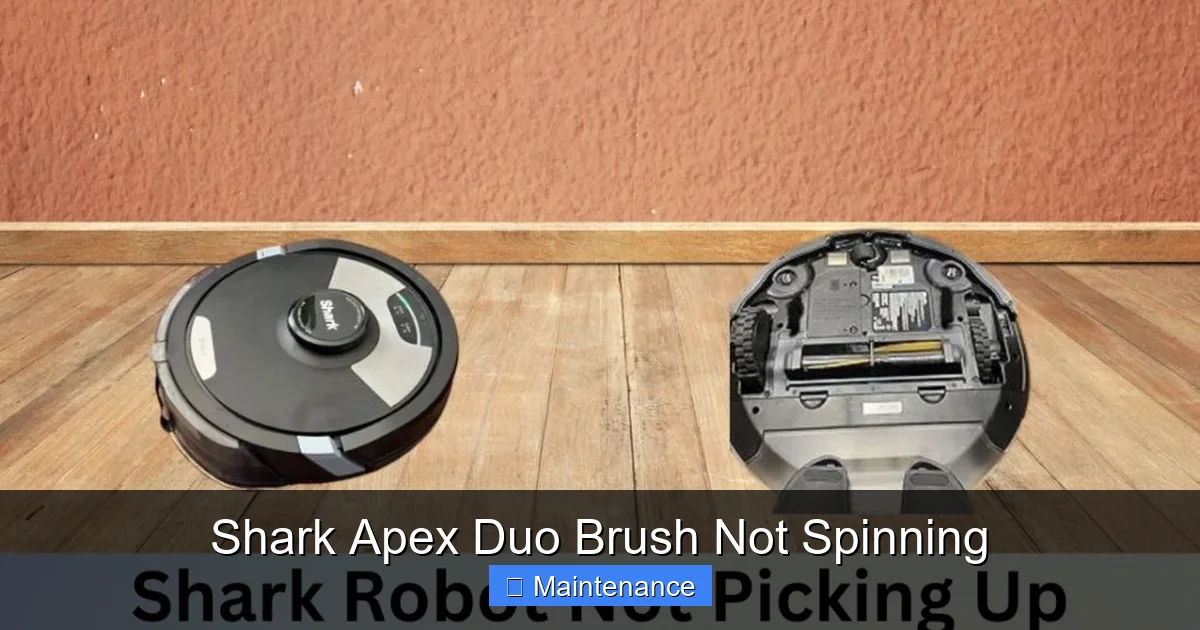
If you have dogs or cats that shed, or if you have a high-pile carpet, you’re in a constant battle. Pet hair is the #1 enemy of the brush roll. It’s not just wrapping around the bristles; it works its way into the sealed bearings, the belt housing, and every nook. Prevention is your best strategy here.
Visual guide about Shark Apex Duo Brush Not Spinning
Image source: sharkvacuum.blog
Preventative Maintenance Routine for Pet Owners
- After Every 2-3 Uses: Flip the vacuum over and use a tool (the provided crevice tool works great) to scrape away any visible hair from the brush roll and its housing while it’s still dry and loose.
- Weekly Deep Clean: Follow the full debris jam removal steps from this guide. Be meticulous about the end caps.
- Consider a “Blade” Tool: Products like the “Seam Ripper Pro” or dedicated “vacuum hair removal tool” are fantastic for slicing through compacted fibers without damaging the bristles.
- Adjust Brush Height: For low-pile rugs or hard floors, use the suction-only setting (if your model has it) or the lowest brush height setting to reduce the amount of fiber pickup on the brush itself.
When Hair Has Seized the Bearings
Sometimes, hair compacts so tightly inside the bearing housing that you can’t remove it with just a blade. You may need to:
- Remove the brush roll completely from the vacuum.
- Pop off the plastic end caps. They usually pry off with a flathead screwdriver wrapped in tape to prevent scratches. Some models have a retaining clip.
- Manually clean the inside of the cap and the exposed metal axle shaft with a cotton swab and a little isopropyl alcohol.
- If the bearing itself is gritty, it’s often easier and more cost-effective to replace the entire brush roll assembly. Brush rolls are a common wear part and are sold as a unit.
When the Fix Isn’t Simple: Advanced Troubleshooting
You’ve cleaned the brush, replaced the belt, reset the fuse, and it still won’t spin. Now we venture into electrical diagnostics. This requires a bit more comfort with tools.
Checking for a Faulty Brush Roll Motor
The small motor that spins the brush can burn out. How to test: With the vacuum unplugged and the brush roll/belt removed, locate the two wires connected to the brush motor. They usually have a plastic connector. You can use a multimeter set to continuity (or ohms) to test the motor. Touch the probes to the two metal pins in the connector. If you get a reading (usually a low number like 5-50 ohms), the motor coil is intact. If the meter reads “OL” or infinite resistance, the motor is dead and needs replacement. If you don’t have a multimeter, you can sometimes carefully apply 12V directly from a car battery or power supply to the motor’s terminals (note polarity) to see if it spins. Caution: This is for advanced users only.
Inspecting Wires and Connections
A wire can fray and break inside the insulated sheath from the constant flexing of the brush head. Follow the wire from the brush roll motor back towards the main body. Look for any obvious kinks, cuts, or areas where the wire is stressed. Check the connector plugs—are they fully seated? A loose connection can cause an intermittent or complete loss of power. Wiggle the wires gently while the vacuum is on (be careful!) to see if the brush sporadically engages. If you find a damaged wire, it will need to be repaired with heat-shrink tubing or replaced.
Prevention is Key: A Maintenance Schedule to Live By
The best repair is the one you never need. Instituting a simple, regular maintenance schedule will keep your Shark Apex Duo performing at its peak for years and will almost guarantee you never face a seized brush roll again.
The 3-Minute Weekly Wipe-Down
Once a week, with the vacuum unplugged:
- Remove the brush roll and cut away any visible hair.
- Use a dry microfiber cloth to wipe down the brush roll bristles and the inside of the housing.
- Check the suction path (the hose wand, the intake behind the brush roll) for large obstructions.
- Empty the dust cup and clean the filters (pre-motor and post-motor) according to the manual. Clogged filters reduce overall suction and can make motors work harder.
The Monthly Deep Clean
Once a month, go further:
- Completely remove the brush roll and inspect/clean the bearings as described.
- Check the drive belt for cracks, glazing, or stretching. Replace if suspicious.
- Wipe down the exterior with a damp cloth. Never use harsh chemicals.
- Inspect the wheels and casters for hair wrap, which can affect maneuverability.
Seasonal Full Teardown
Every 3-6 months, or if you notice a performance drop:
- Fully disassemble the brush head housing. Clean every nook and cranny with a vacuum and a soft brush.
- Inspect the motor brushes (if your model has serviceable ones—many Sharks do not). This is more advanced.
- Lubricate any visible metal-on-metal pivot points with a drop of silicone spray (never oil, which attracts dust).
By making this a habit, you’ll add years to your vacuum’s life and enjoy consistent, powerful cleaning every single time.
Conclusion: You’ve Got This!
A Shark Apex Duo brush not spinning is an annoyance, but it’s rarely a death sentence for your vacuum. In 90% of cases, the solution is a thorough cleaning of debris from the brush roll and its bearings, or a simple belt replacement. By following the systematic diagnostic approach in this guide—starting with the visual jam check, moving to the belt, then the bearings, and finally the electrical components—you can identify and fix the problem yourself. Remember the golden rules: always unplug first, keep your tools simple, and perform regular preventive maintenance. Treat your vacuum well, and it will return the favor with years of reliable service. Now, go grab your screwdriver and get that brush spinning again!
Frequently Asked Questions
Is it safe to use my Shark Apex Duo if the brush roll isn’t spinning?
Yes, but with a major caveat. You can use it in suction-only mode on hard floors if your model has that setting. However, using it on carpet without a spinning brush is highly ineffective at deep cleaning and will just push debris around. The non-spinning brush can also create more drag and strain the main suction motor.
How often should I clean the brush roll on my Shark Apex Duo?
If you have pets or long hair, inspect and clean it every 2-3 uses. For average use with short hair, a thorough cleaning every 2-4 weeks is sufficient. The weekly quick wipe-down of visible debris is a great habit to form.
Where can I find the correct replacement belt for my Shark Apex Duo?
The best source is directly from Shark using your exact model number (found on the rating plate, usually on the back or bottom). You can also use reputable online retailers like Amazon or appliance part sites. Search for “Shark Apex Duo drive belt” plus your model number (e.g., AZ6002, NV350, etc.).
What if I reset the thermal fuse and it blows again immediately?
This indicates a persistent problem. You absolutely have a jam somewhere that you haven’t cleared, or the brush roll motor is failing and drawing too much current, causing it to overheat. Re-inspect the brush roll and bearings extremely carefully. If it’s clear, the motor is the likely culprit and may need replacement.
Will Shark warranty cover a non-spinning brush roll?
It depends on the cause and the warranty status. A defective brush roll motor or manufacturing flaw would be covered under the limited warranty (typically 1-5 years). However, damage from neglect, hair jams, or normal wear and tear (like a stretched belt) is not covered. You will likely need to pay for the part and any service labor.
Can I use lubricant on my brush roll bearings to stop them from jamming?
Generally, no. Modern brush rolls use sealed bearings that are “lubricated for life.” Adding oil or grease can attract more dust and hair, making the problem worse. If the bearing is gritty, it’s usually because hair and grit have penetrated the seal. The proper fix is to clean the housing or replace the brush roll assembly. Use a dry brush to clean instead of lubricant.