The Shark AI Ultra 2-in-1 Not Mopping is a premium robot vacuum that focuses entirely on superior dry debris pickup, forgoing a mopping function entirely. It leverages Shark’s powerful suction, an intelligent self-empty base, and the innovative Matrix Clean navigation system to systematically clean entire floors. This model is ideal for homes with primarily hard floors and carpets who want a no-fuss, high-performance vacuum without the complications of a wet mopping system. It excels at pet hair, dust, and large debris, offering a truly hands-off experience for weeks at a time.
Key Takeaways
- Vacuum-Only Design: This model intentionally lacks a mopping pad and water tank, focusing all engineering on maximizing dry cleaning power, suction, and debris management for carpets and hard floors.
- Matrix Clean Navigation: Uses a systematic, grid-like pattern with overlapping passes, ensuring it doesn’t miss spots like some random-navigation robot vacuums can, for more complete floor coverage.
- Self-Empty Base: The included base automatically empties the robot’s dustbin into a large, sealed bag that can hold weeks of debris, drastically reducing user maintenance to just replacing the bag every few months.
- Powerful Suction & Self-Cleaning Brushroll: Features Shark’s signature powerful suction and a self-cleaning brushroll designed to prevent hair wrap, making it exceptionally capable for homes with pets and long hair.
- AI-Powered Obstacle Avoidance: The Shark AI technology helps the robot detect and avoid common household obstacles like socks, cords, and pet waste, reducing the chance of getting stuck or pushing items around.
- App Control & Scheduling: Full control via the Shark app, including scheduling, zone cleaning, and seeing a map of your home with “no-go” zones to customize cleaning exactly to your needs.
[FEATURED_IMAGE_PLACEHOLDER]
📑 Table of Contents
- Introduction: A Focused Powerhouse for Dry Debris
- What “2-in-1” and “Not Mopping” Really Mean
- Unpacking the Hardware: Design and the Self-Empty Ecosystem
- Matrix Clean Navigation: Systematic, Not Random
- The Maintenance Routine: Keeping Your Shark Performing
- App Control and Smart Home Integration
- Is This the Right Robot for You? A Comparison Perspective
- Conclusion: A Masterclass in Focused Engineering
Introduction: A Focused Powerhouse for Dry Debris
Let’s be honest: the robot vacuum market is crowded. For every model that tries to be a jack-of-all-trades with both vacuuming and mopping, there’s a growing niche of homeowners who just want one thing done exceptionally well: dry debris pickup. Enter the Shark AI Ultra 2-in-1 Not Mopping. This isn’t a compromise; it’s a deliberate design choice. Shark has taken its formidable AI Ultra platform and removed the mopping components entirely, doubling down on what matters most for many households—powerful, intelligent, and virtually hands-off vacuuming.
If you have mostly hard floors and area rugs, deal with daily pet hair, or simply hate the thought of maintaining a dirty mop pad, this model is engineered for you. It promises a deep clean with minimal intervention, thanks to its self-empty base and advanced navigation. But does a vacuum-only robot justify its premium price? In this deep-dive, maintenance-focused review, we’ll unpack everything you need to know about owning and caring for the Shark AI Ultra 2-in-1 (Not Mopping), from its day-to-day operation to long-term upkeep.
What “2-in-1” and “Not Mopping” Really Mean
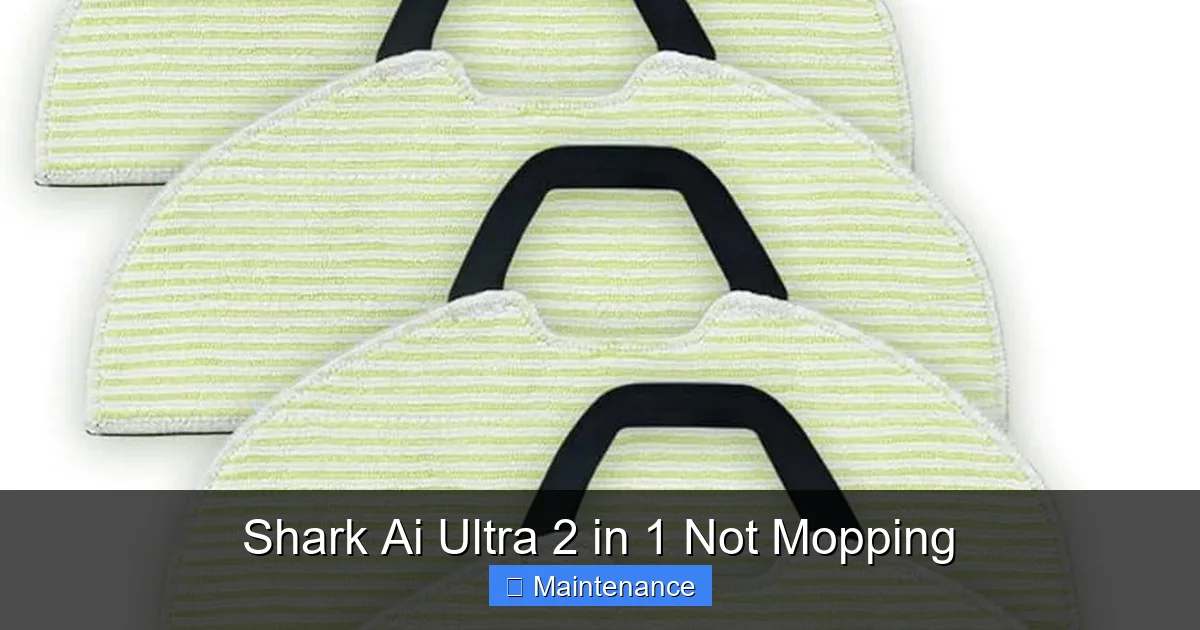
The naming can be a bit confusing. “2-in-1” typically refers to a vacuum and mop combo. However, Shark uses “2-in-1” here to describe the robot’s ability to vacuum and self-empty into its base. The “Not Mopping” part is the crucial clarification. This model has no water tank, no mopping pad, and no mechanism to dispense water. It is a 100% dedicated dry debris removal system.
Visual guide about Shark Ai Ultra 2 in 1 Not Mopping
Image source: m.media-amazon.com
The Strategic Advantage of a Vacuum-Only Machine
Why would a manufacturer do this? Simple: specialization. By removing the mopping hardware, Shark can:
- Maximize Dustbin Capacity: The entire internal volume is dedicated to dry debris, from fine dust to cereal pieces.
- Optimize Suction Path: There’s no need for a trailing mop pad that can sometimes reduce suction efficiency on carpets.
- Eliminate Mopping Maintenance: No more worrying about moldy mop pads, filling/cleaning water tanks, or using the correct cleaning solution. The only maintenance is vacuum-related.
- Reduce Cost & Complexity: Fewer parts mean potentially fewer things that can break and a slightly more focused engineering effort on perfecting the vacuuming experience.
For a home with sealed hardwood, tile, laminate, and low-pile rugs, this is a pure win. The Shark AI Ultra 2-in-1 Not Mopping is built for the 80% of cleaning tasks that involve dry messes, and it aims to do them better than a hybrid that splits its focus.
Unpacking the Hardware: Design and the Self-Empty Ecosystem
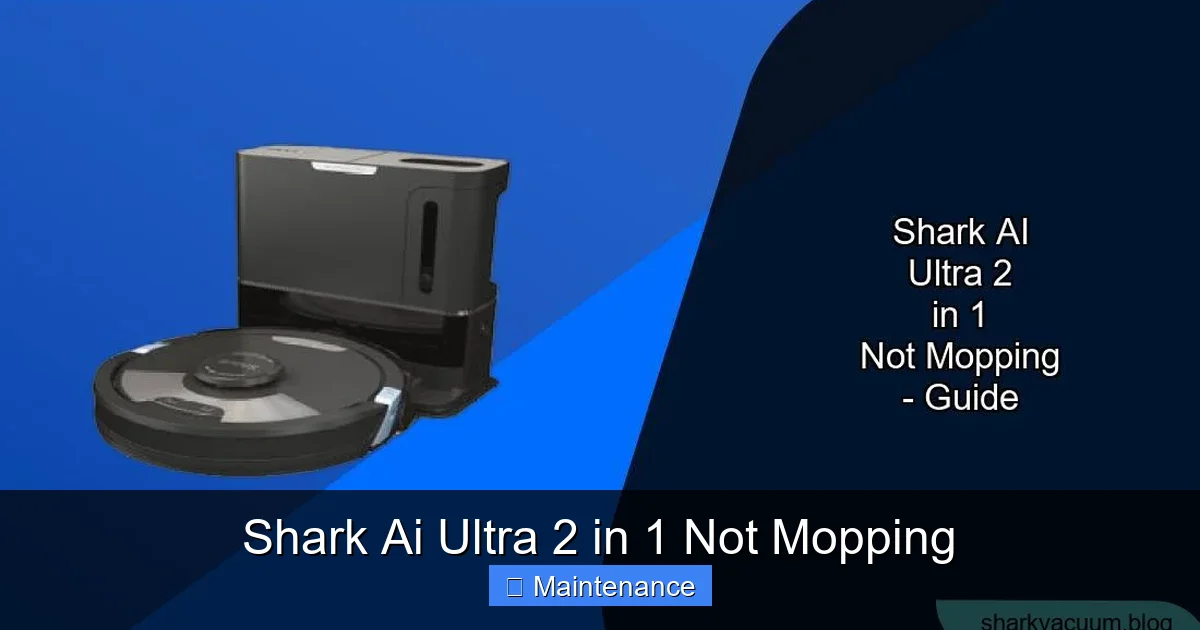
Out of the box, you get two main components: the robot vacuum itself and the large, cylindrical Self-Empty Base. This ecosystem is where the magic of “hands-off” cleaning happens.
Visual guide about Shark Ai Ultra 2 in 1 Not Mopping
Image source: sharkvacuum.blog
The Robot Vacuum: Compact and Purpose-Built
The robot is a familiar rounded triangle shape, but with a notable absence: there’s no latch or compartment for a mop pad. The top lid houses the LIDAR (light detection and ranging) sensor, which is the “eye” for its navigation. The front features the powerful intake and the signature Shark self-cleaning brushroll. This brushroll is a key feature. It has a combination of rubber fins and bristles designed to actively pull hair off and away from the roll, preventing the dreaded hair wrap that plagues many robot vacuums. You’ll still need to check it periodically, especially with heavy-shedding pets, but it dramatically reduces maintenance.
The dustbin is accessed via a rear door. It’s a decent size, but its primary job is to transport debris to the base, not hold it for weeks. The filters are located inside—a main foam filter and a fine mesh filter. These are the primary consumables you’ll need to clean and replace.
The Self-Empty Base: Your Maintenance Command Center
This is the star of the show for low-maintenance living. The base is about the size of a small kitchen trash can. Here’s how it works:
When the robot docks, an airtight seal is created. The base’s powerful motor creates a strong suction that pulls all debris from the robot’s dustbin through a one-way valve and into a large, sealed, anti-allergen bag housed inside the base’s main chamber. This bag can hold weeks—often 30-60 days—of debris from a typical home. A status light on the base indicates when the bag is full and needs replacement. Replacing it is a simple, clean process: you open the lid, pull out the full bag (which seals automatically), and slot in a new one. No dust, no mess.
Maintenance Tip: While the bag is the main consumable, you should also check the base’s intake port and the one-way valve every few months for any lodged debris or hair to ensure optimal suction during emptying cycles.
Matrix Clean Navigation: Systematic, Not Random
This is the other headline feature. Unlike older robot vacuums that bounce around randomly, the Shark AI Ultra 2-in-1 uses LIDAR to map your home and then cleans in a deliberate, grid-like pattern. It drives in straight lines, overlapping each pass slightly, much like a person vacuuming a room. This “Matrix Clean” approach has two massive benefits: efficiency and completeness.
Visual guide about Shark Ai Ultra 2 in 1 Not Mopping
Image source: sharkvacuum.blog
How It Maps and Cleans
On its first run, the robot will explore and build a detailed map of your home, dividing it into rooms. You can then use the Shark app to name these rooms (e.g., “Kitchen,” “Living Room”), set cleaning schedules for specific rooms, and create “No-Go” zones—areas you never want the robot to enter, like pet food bowls or playrooms with lots of small toys.
For subsequent cleanings, it follows its matrix pattern. If it encounters an obstacle it can’t get past, it will go around it and then return to its systematic path. This methodical approach means it’s less likely to miss a corner or leave uncleaned strips between passes compared to a random-navigating bot.
AI Obstacle Avoidance in Action
The “AI” part comes into play with its obstacle detection system, which uses a combination of a forward-facing camera and sensors. It’s trained to recognize common household objects. In testing, it’s generally good at avoiding:
- Pet waste (a critical feature for pet owners)
- Socks, shoes, and small toys
- Cords and cables
- Pet beds and low furniture skirts
It’s not perfect. Very dark objects or very small, thin cords can sometimes be missed. The best practice is still to do a quick 5-minute pre-clean pickup of obvious hazards, but the AI system significantly reduces the intervention needed.
The Maintenance Routine: Keeping Your Shark Performing
Even with a self-empty base, the Shark AI Ultra 2-in-1 Not Mopping requires some regular, simple maintenance to keep it performing at its peak for years. Think of this as a quarterly to monthly checklist, depending on your home’s dirt level.
Daily/Weekly: The Quick Checks
These take seconds and prevent bigger problems.
- Empty the Dustbin (If Needed): While the base holds most debris, the robot’s onboard dustbin isn’t a “set and forget.” If you have a particularly messy pet or kids, it may fill before a full empty cycle. A quick glance at the app’s status will tell you if it’s full.
- Check the Brushroll: Once a week, flip the robot over and glance at the self-cleaning brushroll. Use the included cleaning tool (or scissors) to cut away any hair or fibers that have wrapped around the ends or axles. The self-cleaning feature does most of the work, but this prevents buildup.
- Clean the Charging Contacts: Wipe the metal charging pins on both the robot and the base with a dry microfiber cloth. Dirty contacts can lead to poor charging connections.
Monthly: The Deep Clean
Set aside 10-15 minutes once a month for a more thorough once-over.
- Wash the Filters: Remove the foam and mesh filters from the robot’s dustbin. Tap out loose debris, then rinse thoroughly with cool water. Let them air-dry completely for at least 24 hours before reinserting. Do NOT use soap or put them in the dryer. Shark recommends washing them every 2-3 months, but monthly is better if you have allergies or pets.
- Clean the Sensors: Use a cotton swab lightly moistened with rubbing alcohol to gently clean the LIDAR sensor on top of the robot and the cliff sensors around the perimeter. Clear sensors ensure accurate mapping and drop-off prevention.
- Inspect the Wheels: Pick off any hair or string wrapped around the front caster wheel and the two drive wheels. These can cause the robot to pull to one side if wrapped tightly.
- Wipe Down the Robot: Give the exterior and underside a wipe with a damp cloth. Avoid harsh chemicals.
Every 3-6 Months: The Base & Consumables
- Replace the Self-Empty Bag: This is your primary consumable. The app will notify you when it’s full. Always use genuine Shark bags (model # IAFB2 for this base) for proper filtration and fit.
- Clean the Base Intake: Unplug the base. Remove the bag. Look into the chamber where the bag sits and use a vacuum’s crevice tool or a soft brush to remove any fine dust that may have escaped the bag and settled. This maintains suction power for emptying.
- Check the Base for Debris: Look around the base’s opening where the robot docks. Clear any hair or dust bunnies that may have accumulated.
Pro Tip: Keep a small maintenance kit with your robot: a microfiber cloth, a pair of scissors, and a cleaning tool. This makes quick fixes effortless.
App Control and Smart Home Integration
The Shark app is the command center for your Shark AI Ultra 2-in-1. Setup is straightforward: power on the robot, connect it to your Wi-Fi, and let it make its first map.
Mapping and Customization
Once the map is generated (usually within 1-2 runs), you can edit it. Merge or split rooms, name them, and draw “No-Go” zones and “No-Mop” zones (the latter is irrelevant for this model, but the zone tool still works for exclusion). You can also create “Deep Clean” zones for high-traffic areas like the kitchen, where the robot will make extra passes in that specific area.
Scheduling and Cleaning Modes
You can schedule cleanings for specific days, times, and rooms. The robot offers two main power modes: “Standard” for daily cleaning and “Max” for a deeper clean on carpets or during pet shedding season. You can also initiate a “Spot Clean” from the app, telling the robot to clean a 3×3 foot area around a point you select on the map.
For smart home users, it works with Amazon Alexa and Google Assistant. Simple voice commands like “Hey Google, ask Shark to start cleaning the living room” make it easy to control without opening your phone.
Is This the Right Robot for You? A Comparison Perspective
The Shark AI Ultra 2-in-1 Not Mopping fills a specific, valuable niche. To decide if it’s for you, consider how it stacks up against other types.
Vs. a Robot Vacuum & Mop Combo
If you need a wet clean on your hard floors, this isn’t your machine. A combo like the Roborock S8 Pro Ultra or iRobot Roomba Combo j9+ will vacuum and then lift the mop pad when on carpet. The trade-off is more complex maintenance (washing mop pads, filling/cleaning tanks) and often a higher price. Choose the Shark if dry debris is your #1 priority and you’d rather mop separately (or don’t need to).
Vs. a Basic Robot Vacuum
Compared to entry-level bots without self-empty bases or advanced navigation, the Shark is in a different league. The self-empty base alone is a game-changer for convenience. The systematic navigation means it cleans more reliably. You’re paying for a set-and-forget experience that can last weeks without any touchpoints.
The Ideal User Profile
This robot is perfect for:
- Pet owners with primarily hard floors and rugs.
- Families with kids and frequent dry messes (crumbs, pet hair, litter).
- Allergy sufferers (the sealed self-empty base and HEPA filtration in the bags trap allergens).
- Anyone who hates the idea of emptying a tiny dustbin every day.
- Homes with light to moderate debris, not heavy, sticky, or wet messes.
It’s less ideal for homes with mostly high-pile shag carpets (its suction is strong, but the design is optimized for low-pile) or for anyone who absolutely requires an integrated mopping function.
Conclusion: A Masterclass in Focused Engineering
The Shark AI Ultra 2-in-1 Not Mopping is not for everyone, but it is arguably the perfect robot vacuum for a significant segment of the market. By ruthlessly focusing on being a best-in-class dry debris removal system, Shark has created a product that excels at its core job. The combination of powerful, hair-tangle-resistant suction, the brilliant and efficient Matrix Clean navigation, and the truly revolutionary convenience of the self-empty base creates a cleaning experience that requires minimal oversight.
Maintenance is straightforward and infrequent, centered around filter washing and bag replacement. The lack of a mopping system simplifies ownership and eliminates a whole category of potential headaches. If your floors are mostly hard and your biggest battles are against dust, dander, and pet hair, and if you value your time over having a 10-in-1 gadget, the Shark AI Ultra 2-in-1 Not Mopping deserves a serious look. It represents a mature, thoughtful approach to robot vacuuming: do one thing phenomenally well, and make ownership as painless as possible.
Frequently Asked Questions
Does the Shark AI Ultra 2-in-1 Not Mopping actually clean as well as a combo vacuum and mop on hard floors?
For dry debris like dust, pollen, pet hair, and crumbs, it cleans exceptionally well and often better than a combo, as all its power is dedicated to vacuuming. However, it will not remove sticky spills or dried-on dirt, which requires a wet mop. You would need to use a separate mop for those tasks.
How long does the self-empty base bag last?
Shark states the anti-allergen bag can hold debris for up to 60 days in a typical home. For houses with multiple pets or heavy shedding, you may need to replace it every 30-45 days. The app will send a clear notification when the bag is full.
Is the brushroll truly maintenance-free for pet hair?
While the self-cleaning brushroll is vastly superior to standard rolls, it is not 100% maintenance-free. With long or thick pet hair, some wrapping can still occur around the axles and ends. A quick monthly check and trim with scissors is recommended to maintain optimal performance and prevent strain on the motors.
How loud is the self-empty process?
The self-empty cycle is quite loud—it sounds like a strong vacuum cleaner for about 10-15 seconds. This is normal. It’s best to schedule cleanings when you’re not home or are in a different part of the house, as the noise is noticeably louder than the robot’s normal cleaning sound.
Can I use third-party or reusable bags in the self-empty base?
Shark strongly recommends using only genuine Shark IAFB2 bags. Third-party bags may not seal properly, compromising the system’s suction and allergen containment, and could potentially damage the base’s motor. The genuine bags are engineered for a perfect fit and optimal performance.
What happens if the robot gets stuck or encounters an obstacle it can’t avoid?
The Shark AI will attempt to navigate around obstacles. If it becomes stuck (e.g., on a thick rug fringe or a low step), it will stop and send a push notification to your phone via the app, telling you its location and that it needs help. You then go retrieve it, clear the obstacle, and send it on its way.