The Shark Duoclean Vacuum revolutionizes cleaning with its unique dual brush roll system that simultaneously lifts and separates debris on all floor types. This guide walks you through every step: from initial unboxing and assembly to mastering its multiple surface settings, performing essential maintenance, and troubleshooting common issues. You’ll learn how to leverage its self-cleaning technology for pet hair, tackle deep carpet cleaning, and maintain peak suction power. By following these detailed instructions and pro tips, you’ll unlock the full potential of your Duoclean, achieving a genuinely spotless home with less effort.
You’ve unboxed your new Shark Duoclean Vacuum, and it sits there, sleek and powerful-looking. But how do you actually use it to get the legendary clean it promises? The Duoclean isn’t just another vacuum; its heart is a brilliant dual brush roll system that feels different from a standard brush roll. Using it correctly isn’t complicated, but understanding its unique mechanics is the key to transforming your cleaning routine from a chore into an efficient, effective process. This guide will be your manual, your troubleshooting friend, and your source for pro tips. We’ll move from unboxing to mastery, ensuring you handle every component with confidence and keep your Shark performing like new for years.
Key Takeaways
- Dual Brush Roll System: The Duoclean’s two contra-rotating brush rolls (one with stiff nylon bristles, one with soft rubber fins) work together to agitate and lift debris, then separate it from the floor for superior pickup on carpets and hard surfaces.
- Surface-Specific Settings: Always select the correct brush roll setting (Hard Floor, Carpet, or Auto/Interactive) before cleaning to optimize performance and protect delicate surfaces like hardwoods.
- Active Brush Roll Maintenance: The self-cleaning feature helps, but you must still regularly check and clean hair and debris from the brush roll housings and bearings to prevent clogs and maintain efficiency.
- Filter Care is Critical: Washable pre-motor foam and post-motor HEPA filters must be cleaned monthly (or as indicated) and replaced annually to sustain strong suction and air quality.
- Strategic Attachments: Utilize the crevice tool, dusting brush, and pet upholstery tool for above-floor cleaning, corners, and furniture to achieve a truly comprehensive clean.
- Empty the Dust Cup Correctly: Use the one-touch release over a trash can, and periodically clean the mesh screen inside the dust cup to ensure full capacity and no dust leakage.
- Listen for Changes: A sudden drop in suction power, unusual noises, or difficulty pushing the vacuum often signal a clogged brush roll, full dust cup, or dirty filter—address these immediately.
📑 Table of Contents
- 1. Unboxing and Initial Assembly: Getting Started Right
- 2. Understanding the Magic: The Dual Brush Roll System
- 3. Operating Your Shark Duoclean: Settings and Techniques
- 4. Essential Maintenance: Keeping Your Duoclean Powerful
- 5. Troubleshooting Common Problems
- 6. Pro Tips and Best Practices for Mastery
- Conclusion: Your Partner in a Clean Home
1. Unboxing and Initial Assembly: Getting Started Right
The first impression of a Shark Duoclean is its solid build and thoughtful design. Taking the time for proper initial assembly prevents frustration later. Find a clear, well-lit space and lay out all parts from the box.
1.1 Attaching the Handle and Wand
The main body (the powerhead) connects to the telescoping wand. Align the two plastic locking tabs on the wand’s lower end with the corresponding slots on the powerhead’s intake port. Push firmly until you hear a distinct click, and the locking mechanism (usually a twist-lock or push-button) engages. Give it a gentle tug to confirm it’s secure. Next, slide the adjustable handle onto the top of the wand. Most Shark models use a simple push-and-twist or button-release mechanism. Adjust the handle height to a comfortable position for your stature before locking it in place.
1.2 Selecting and Attaching the Correct Brush Roll
This is the most critical step for your Duoclean. Your vacuum likely came with two different brush roll assemblies:
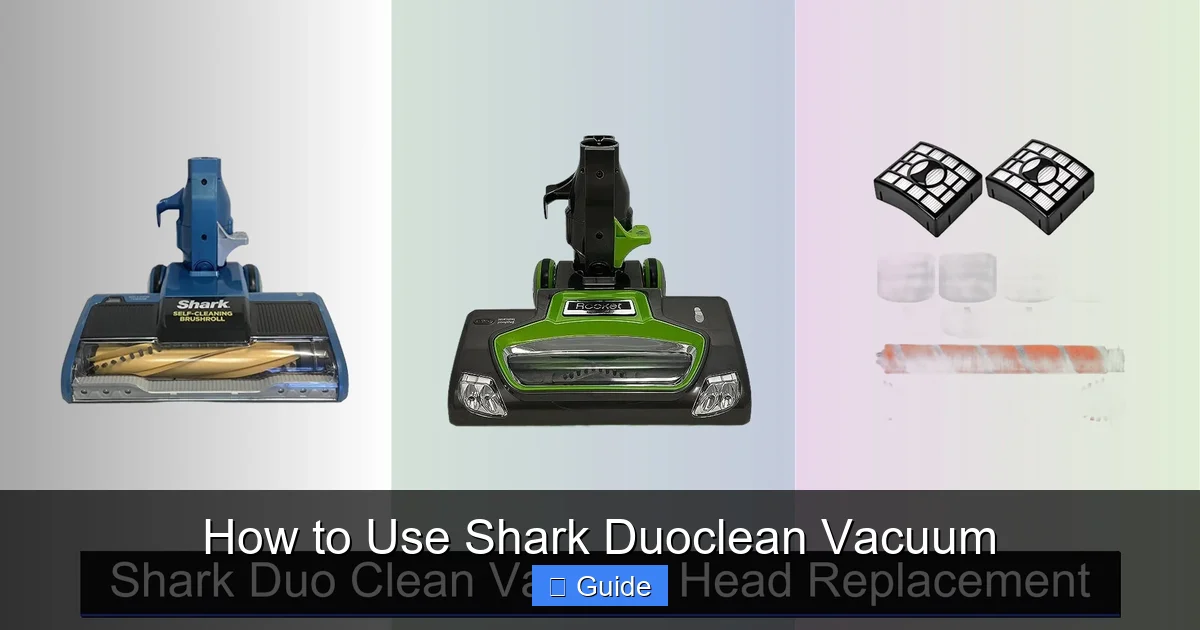
- The “Duoclean” Brush Roll: This is the star of the show. It features a combination of stiff nylon bristles and soft, flexible rubber fins (often yellow or red). This is the default for most carpet and hard floor cleaning due to its agitating and separating action.
- A “Soft Roller” or “Hard Floor Roller”: This is typically a solid rubber roller with no bristles, designed specifically for delicate hard floors like sealed hardwood, laminate, or tile to prevent any potential scratching.
Pro Tip: For general all-floor cleaning, start with the Duoclean (bristle + rubber) brush roll. Only switch to the pure rubber soft roller if you have very expensive, easily scratched hard floors and want zero bristle contact. To change it, lay the vacuum on its back, locate the release levers on the brush roll housing (usually on the sides), squeeze them, and pull the brush roll assembly straight out. Insert the new one until the levers click back into place.
1.3 Installing the Dust Cup and Filters
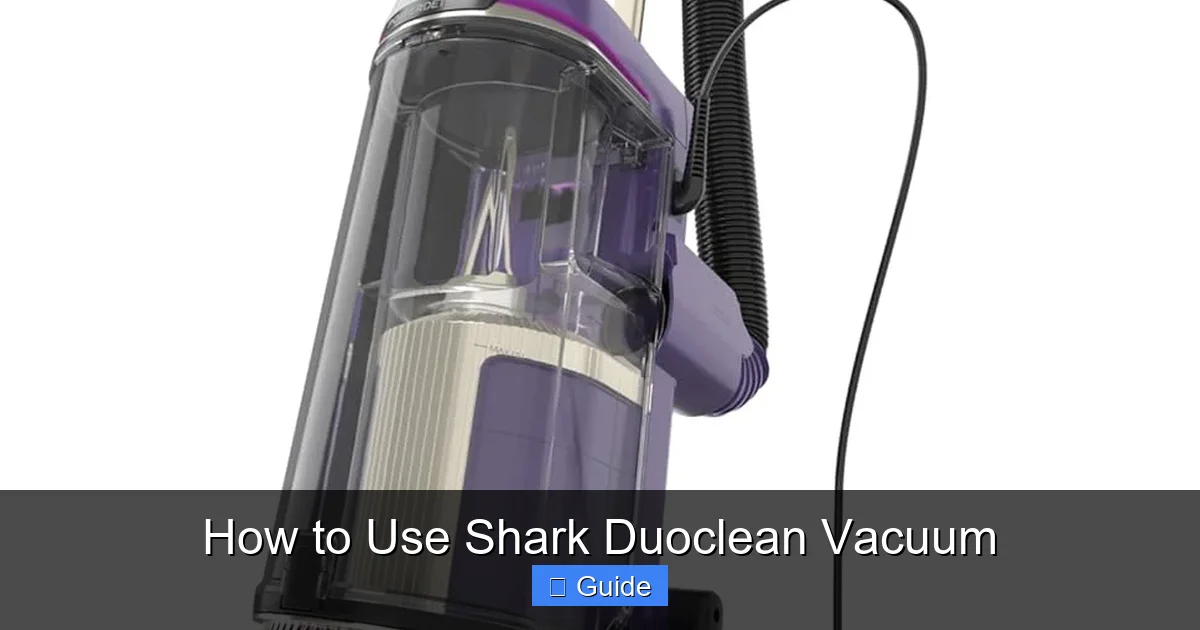
Locate the cylindrical dust cup. Align its notched base with the tabs on the vacuum’s dirt container port and twist it clockwise until it locks. You should feel it seat firmly. Now, find the filter compartment, usually on the back or top of the main body. The Shark Duoclean typically has two washable filters:
- Pre-Motor Foam Filter: This catches large particles before the air reaches the motor. It’s often a rectangular or oval foam piece.
- Post-Motor HEPA Filter: This catches fine dust and allergens. It’s usually a pleated, paper-like filter.
Ensure both are correctly seated in their housings with the airflow arrows pointing in the right direction (usually towards the motor). Do not operate the vacuum without these filters installed.
2. Understanding the Magic: The Dual Brush Roll System
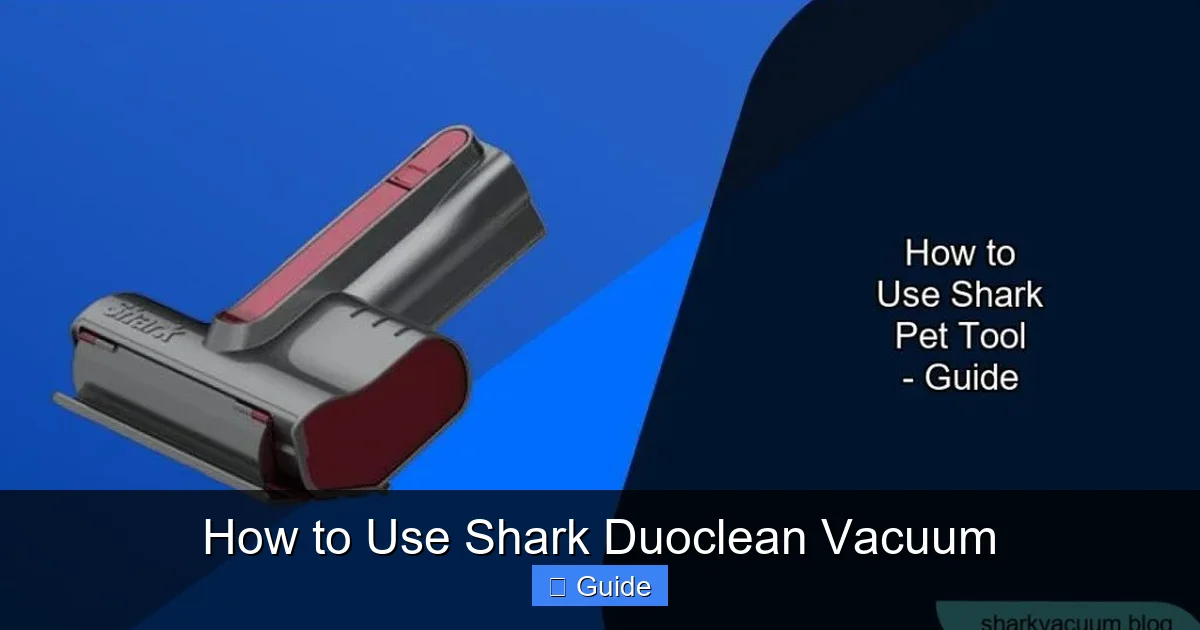
You’ve seen the two rollers spinning in opposite directions. But why? This contra-rotation is the core of the “Duoclean” technology. The stiff bristle roller digs deep into carpet pile, agitating and lifting embedded dirt and pet hair. Simultaneously, the soft rubber roller on the other side acts like a squeegee on hard floors, picking up fine dust and debris the bristles might scatter. On carpets, the rubber roller helps separate the lifted debris from the bristles, preventing it from being re-deposited. This dual-action means you don’t need to switch attachments when moving from your living room rug to your kitchen tile—the same head handles both brilliantly.
Visual guide about How to Use Shark Duoclean Vacuum
Image source: sharkvacuum.blog
2.1 The Self-Cleaning Mechanism
One of the best features is the built-in self-cleaning. As the two brush rolls rotate, they periodically wipe against a stationary comb-like strip (often visible as a black bar near the front of the housing). This helps strip long hair, fibers, and string from the bristles and rubber fins, wrapping it around the comb for easy removal. However, it’s not infallible. You must still be proactive.
2.2 When and How to Manually Clean the Brush Rolls
Every 2-3 uses, especially if you have pets, turn off and unplug the vacuum. Tilt it onto its back. Use the provided cleaning tool (a small comb-like piece) or a pair of scissors to carefully cut and remove any hair or fibers wrapped around the brush roll axles and bearings. Never use your bare hands near the rotating mechanism while it’s powered. Check the rubber fins for tears or embedded grit. A clogged brush roll is the #1 cause of lost suction and a vacuum that’s hard to push.
3. Operating Your Shark Duoclean: Settings and Techniques
With your vacuum assembled, let’s talk technique. The control panel on the handle or powerhead is your command center.
Visual guide about How to Use Shark Duoclean Vacuum
Image source: sharkvacuum.blog
3.1 Power and Brush Roll Settings
You’ll find at least two crucial controls:
- Power/I-O Switch: Simple on/off.
- Brush Roll On/Off Switch: This is vital. ALWAYS turn the brush roll OFF when cleaning hard floors. While the Duoclean is safe for hard floors, turning the brush roll off eliminates any chance of scattering fine dust and is more efficient on smooth surfaces. For carpets, you must have it ON.
Some advanced models (like certain Vertex or Stratos versions) have an “Auto/Interactive” setting that automatically adjusts suction and brush roll speed based on floor type. If yours has this, use it for general cleaning. For deep carpet cleaning or delicate hard floors, use the manual “Carpet” or “Hard Floor” settings respectively.
3.2 The Right Way to Clean Different Surfaces
Carpets & Rugs: Push the vacuum forward slowly, then pull it back at the same pace. The contra-rotating brushes need that contact time to agitate and lift. For high-pile rugs, go slower. If the vacuum feels like it’s “sticking” or you hear the motor straining, your brush roll is likely clogged—stop and clean it.
Hard Floors (Tile, Laminate, Hardwood): Ensure the brush roll is turned OFF. Use smooth, overlapping passes. The suction alone will pull debris into the wide inlet. The lack of a spinning brush prevents scattering dust. For very fine dust, follow your initial pass with a quick wipe using the dusting brush attachment.
3.3 Using the Attachments Effectively
Your Duoclean comes with a hose and a suite of tools. Don’t neglect them!
- Crevice Tool: The narrow, angled tool is for baseboards, between couch cushions, and along radiator tops. Insert it fully into the hose for maximum suction.
- Dusting Brush: The soft-bristled brush is for shelves, blinds, lamp shades, and ceiling fan blades. Use it with the main vacuum suction on, or on a low setting for delicate items.
- Pet Upholstery Tool: Often has a rubber edge and bristles. Perfect for furniture, car interiors, and pet beds. The rubber edge helps grab pet hair from fabric.
- Mini Motorized Brush (if included): This is a smaller, battery-powered or powered-through-the-hose rotating brush for deep cleaning stairs and upholstery.
Technique: For above-floor cleaning, detach the main powerhead from the wand. Attach your chosen tool to the wand’s end. For tools with their own brush roll (like the mini motorized brush), ensure that tool’s brush roll is turned on if it has a separate switch.
4. Essential Maintenance: Keeping Your Duoclean Powerful
A well-maintained Shark is a powerful Shark. Neglect leads to gradual performance decay. Follow this schedule.
Visual guide about How to Use Shark Duoclean Vacuum
Image source: m.media-amazon.com
4.1 After Every Use: The Quick Check
- Empty the Dust Cup: Press the one-touch release button over a trash can. The bottom door should swing open and dump the contents. Tap the sides to dislodge any fine dust caked in the mesh filter inside the cup. Rinse the dust cup with water (do not use soap or dishwasher) and let it air dry completely for 24+ hours before reattaching.
- Check the Brush Roll: Visually inspect for hair wrap. Use the cleaning tool or scissors to cut and remove any debris from the bristles and rubber fins.
- Wipe the Exterior: Use a dry or slightly damp microfiber cloth to wipe down the body, wand, and hose.
4.2 Weekly/Monthly Deep Maintenance
- Wash the Filters: Remove the pre-motor foam and post-motor HEPA filters. Rinse them thoroughly under lukewarm running water. Squeeze and pat them dry—do not wring. Place them in a well-ventilated area (not a dryer!) and allow them to air dry for at least 24 hours. Never operate the vacuum with wet filters.
- Clean the Brush Roll Housing: With the brush roll removed, use a damp cloth or cotton swabs to wipe out the housing, especially around the rubber seal and the self-cleaning comb. Remove any lint or hair trapped here.
- Inspect the Hose and Attachments: Check for blockages. Use a long, flexible brush (like a bottle brush) to gently clean the interior of the hose if you suspect a clog.
4.3 Quarterly/Annual Tasks
- Check the Drive Belts (if accessible): Some models have accessible belts connecting the motor to the brush roll. Unplug the vacuum, lay it on its back, and check the belt for cracks, glazing, or looseness. Replace if damaged (order from Shark).
- Replace Filters: Even with regular washing, filters degrade. Replace the pre-motor foam filter every 6-12 months and the post-motor HEPA filter every 12 months for optimal performance and air quality.
- Deep Clean the Brush Roll: Occasionally, remove the brush roll entirely and wash it with mild soap and water. Rinse and dry thoroughly before reinstalling.
5. Troubleshooting Common Problems
Even with care, issues arise. Here’s your diagnostic guide.
5.1 “My vacuum has lost suction!”
This is the most common complaint. Diagnose in this order:
- Is the dust cup full? Empty it.
- Are the filters dirty or wet? Clean/replace filters and ensure they are 100% dry.
- Is the brush roll clogged with hair? Turn off and unplug. Lay it on its back and thoroughly clean the brush roll and its housing.
- Is there a blockage in the wand or hose? Detach the hose from the powerhead and wand. Look through it. Use a broom handle or flexible brush to dislodge clogs.
- Is the wrong brush roll installed for the floor? Switch to the appropriate one.
5.2 “The brush roll isn’t spinning.”
First, ensure the brush roll switch is ON. If it is, the issue is likely a clogged brush roll (stalled motor) or a broken drive belt/belt tensioner. Unplug immediately. Clean the brush roll housing and roll thoroughly. If it still doesn’t spin, the belt may be broken or the motorized brush roll connection (if it’s a motorized tool) is faulty. Consult your manual or Shark support.
5.3 “It’s hard to push/pull on carpet.”
This almost always means the brush roll is jammed with debris. The bristles are matted down and can’t rotate freely. Unplug and clean the brush roll and housing meticulously. Also, check that you are using the correct brush roll setting (Carpet mode).
5.4 “There’s a bad smell coming from the vacuum.”
Usually indicates overheating due to a severe clog (in brush roll, hose, or filters) or a clogged filter causing the motor to work too hard. Unplug immediately. Perform a full blockage check: clean brush roll, empty dust cup, clean hose, and wash/replace filters. Let the vacuum cool completely before restarting.
5.5 “Debris is scattering on hard floors.”
The brush roll is turned ON. For hard floors, you must turn the brush roll OFF using the switch on the handle or powerhead. The suction alone is sufficient. If it’s already off, you likely have a massive leak in the dust cup seal or a crack in the hose—inspect all connections.
6. Pro Tips and Best Practices for Mastery
Go beyond the basics with these expert insights.
6.1 The “Pre-Vacuum” for Pet Hair
If you have heavy-shedding pets, use the rubber squeegee tool (often sold separately) or a damp rubber glove on hard floors before vacuuming. This gathers loose hair into clumps that are easier for the vacuum to capture, preventing it from wrapping around the brush roll in the first place.
6.2 The Two-Pass Method for Carpets
For deeply soiled carpets, do a first pass with the brush roll ON to agitate and lift dirt. Then, make a second pass with the brush roll OFF (if your model allows this on carpet—some require it on for carpet) to simply suction up the now-loose debris without re-agitating the pile. This can yield a noticeably deeper clean.
6.3 Vacuuming Strategy: Top to Bottom
Always start with above-floor cleaning (dusting shelves, cobwebs in corners, furniture) using your attachments. Then, vacuum the floors. This prevents you from kicking up dust from the floor onto the surfaces you just cleaned. Work your way from the farthest corner of the room back towards the door.
6.4 Storage and Long-Term Care
Store your Shark with the dust cup empty and filters clean/dry. Coil the hose loosely—don’t kink it. If storing for a long period (e.g., seasonal), remove the battery (if cordless) and store it separately at room temperature. Keep all attachments organized in their caddy or a dedicated bin.
6.5 Knowing When to Seek Help
If you’ve performed all basic troubleshooting (cleaned brush roll, emptied cup, washed filters, cleared hose) and the problem persists—especially loud grinding noises, burning smells, or complete power failure—stop. Continuing to use it can cause catastrophic damage. Contact Shark Customer Support or an authorized service center. Have your model number (on the back plate) ready.
Conclusion: Your Partner in a Clean Home
Your Shark Duoclean Vacuum is more than a tool; it’s an engineered system designed for efficiency and performance. By respecting its mechanics—especially the dual brush roll—and committing to a regular, simple maintenance routine, you protect your investment and ensure it delivers that powerful, “just-cleaned” feeling every single time. Remember, the key is consistency: a quick brush roll check after each use, a monthly filter wash, and using the right setting for the right surface. Armed with this knowledge, you’re not just pushing a vacuum around your home. You’re actively managing a high-performance cleaning system. Now, go enjoy those beautifully clean floors—you’ve earned it.
Frequently Asked Questions
Can I use my Shark Duoclean on wet floors or spills?
No. The Shark Duoclean is designed for dry debris only. Using it on wet surfaces can damage the motor and filters, and creates a serious electrical hazard. For liquid spills, use towels or a dedicated wet/dry vacuum.
Why does my Duoclean seem to scatter debris on my hardwood floors?
This almost always happens because the brush roll is turned ON while cleaning hard floors. The spinning bristles kick dust and small particles around. For all smooth, hard surfaces, press the brush roll OFF switch on the handle before you begin cleaning.
How often should I really clean the brush roll?
It depends on your home. If you have pets or long hair, inspect and clean it after every 2-3 uses. For average use, a thorough check and hair removal once a week is essential. Letting hair wrap build up is the fastest way to kill suction and damage the vacuum.
My suction feels weaker. I’ve emptied the cup and cleaned the filters. What else could it be?
After those steps, the next most common culprit is a clogged brush roll housing or a blockage in the wand/hose. Lay the vacuum on its back, remove the brush roll, and check the housing for packed debris. Then, detach the hose from both ends and look/sweep through it for obstructions.
Is it normal for the vacuum to feel hot to the touch?
The motor housing will get warm during use, which is normal. However, if it becomes uncomfortably hot or you smell a burning odor, unplug it immediately. This indicates a severe clog (in brush roll, hose, or filters) causing the motor to overwork, or a failing motor. Perform a full blockage check and let it cool completely.
How long do the filters last with regular washing?
The washable pre-motor foam filter, with monthly rinses, typically lasts 6-12 months before it becomes too porous to filter effectively. The post-motor HEPA filter should be replaced annually, even with regular washing, as its microscopic fiber structure degrades over time. Always follow the specific guidance in your model’s manual.