Opening your Shark handheld vacuum filter is a simple but crucial maintenance task. The process varies slightly by model but universally involves locating the filter compartment, releasing secure clips or latches, and carefully extracting the filter. Regular cleaning ensures optimal suction power and extends your vacuum’s lifespan. Always consult your specific model’s manual first, as designs differ between Shark’s extensive lineup.
Key Takeaways
- Unplug First: Always disconnect your Shark vacuum from its charger before attempting any maintenance to prevent accidental activation.
- Model Matters: The exact opening mechanism (clips, twist-lock, button) depends on your specific Shark handheld model (e.g., IZ, W, HV series).
- Tools Are Usually Optional: Most Shark handheld filters open by hand, but a flat-head screwdriver can help with stubborn clips—use it carefully.
- Filter Type Dictates Care: Identify if you have a washable foam/mesh filter or a non-washable HEPA filter, as cleaning methods differ drastically.
- Gentle Extraction: Pull filters straight out; twisting or forcing can damage housing seals or the filter frame.
- Inspect Before Cleaning: Check for tears, holes, or excessive wear in the filter material before washing; damaged filters must be replaced.
- Reassembly is Key: Ensure the filter is completely dry and seated properly with all gaskets in place before closing the compartment.
[FEATURED_IMAGE_PLACEHOLDER]
📑 Table of Contents
- Why Opening Your Shark Handheld Filter is Non-Negotiable
- Step 1: The Universal Precursor – Safety & Preparation
- Step 2: Locating the Filter Compartment on Your Specific Model
- Step 3: The Art of Releasing & Removing the Filter
- Step 4: Cleaning, Inspecting, and Drying – The Heart of Maintenance
- Step 5: Reassembly and Testing – Sealing the Deal
- Troubleshooting: What If It Won’t Open or Something’s Wrong?
- When to Replace, Not Just Clean
- Conclusion: Making Filter Care a Habit
Why Opening Your Shark Handheld Filter is Non-Negotiable
Your Shark handheld vacuum is a powerful little workhorse, designed to tackle crumbs, pet hair, and spills with ease. But that impressive suction power doesn’t come from the motor alone. A clean filter is the silent partner in that performance equation. Think of the filter as the vacuum’s lungs. It captures fine dust and allergens while allowing air to flow freely. When this filter becomes clogged with debris, your Shark has to work overtime, struggling to push air through a blocked barrier. The result? Noticeably weaker suction, a shorter runtime on cordless models, and potentially overheating. Regularly opening, inspecting, and cleaning the filter is the single most important piece of maintenance you can perform. It’s not just about keeping the vacuum clean; it’s about preserving its core function and extending its useful life for years. Neglecting this simple task is the fastest route to a sluggish vacuum and premature motor wear. This guide will demystify the process for every major Shark handheld series, turning a daunting task into a 60-second routine.
Step 1: The Universal Precursor – Safety & Preparation
Before you even touch your Shark handheld, there is one inviolable rule: disconnect it from power. This means unplugging it from the wall charger if it’s a corded model, or removing it from the charging dock. For cordless models, ensure the power button is OFF. This prevents the accidental activation of the motor while your fingers are near moving parts or openings. It’s a basic safety step that cannot be skipped.
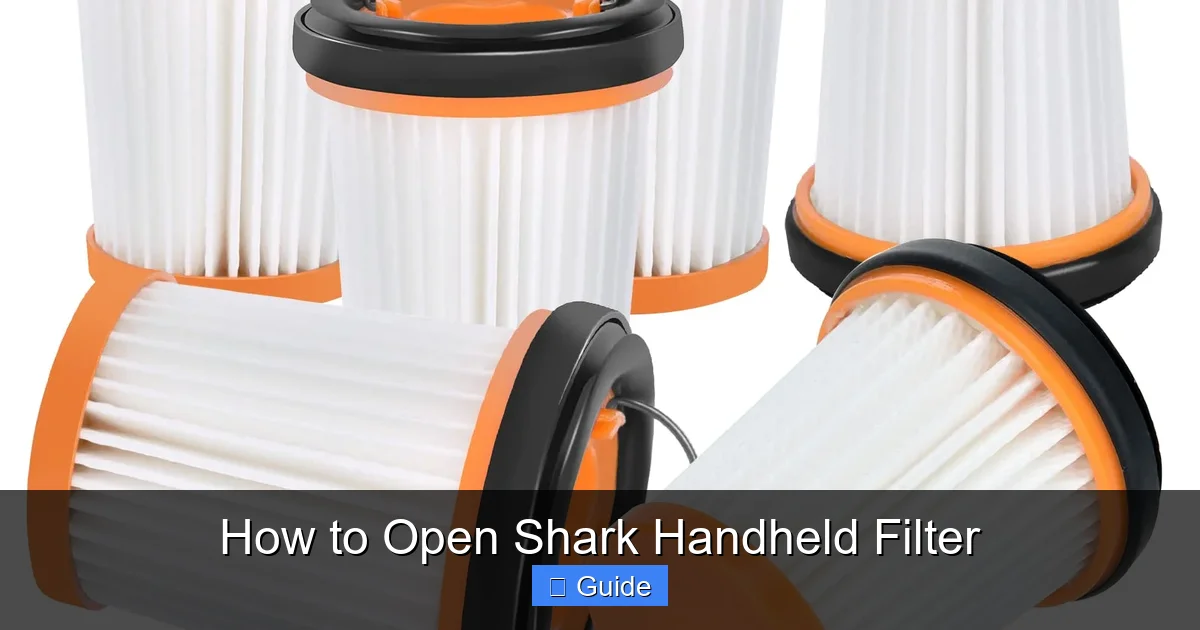
Visual guide about How to Open Shark Handheld Filter
Image source: m.media-amazon.com
Gathering Your Simple Toolkit
For 95% of Shark handheld vacuums, you won’t need any tools at all. The filter compartments are designed for user-friendly access. However, having these items on hand can make the job smoother:
- Your Shark’s User Manual: This is your ultimate reference. It contains model-specific diagrams and instructions. If you don’t have the physical copy, Shark’s support website typically has PDFs for download by model number (found on the vacuum’s rating plate).
- A Soft, Clean Cloth: For wiping down the filter housing and any loose debris.
- Mild Soap & Lukewarm Water: For cleaning washable foam filters.
- A Soft-Bristled Brush: An old toothbrush or a small paintbrush is perfect for gently dislodging dust from filter meshes without tearing the material.
- Optional: A Flat-Head Screwdriver: Sometimes a clip can be stiff. Wrapping a cloth around the screwdriver tip can provide gentle leverage without scratching plastic.
Step 2: Locating the Filter Compartment on Your Specific Model
Shark has produced numerous handheld vacuum lines over the years. While the core principle is the same, the filter’s location and access mechanism differ. Here’s a breakdown of the most common families:
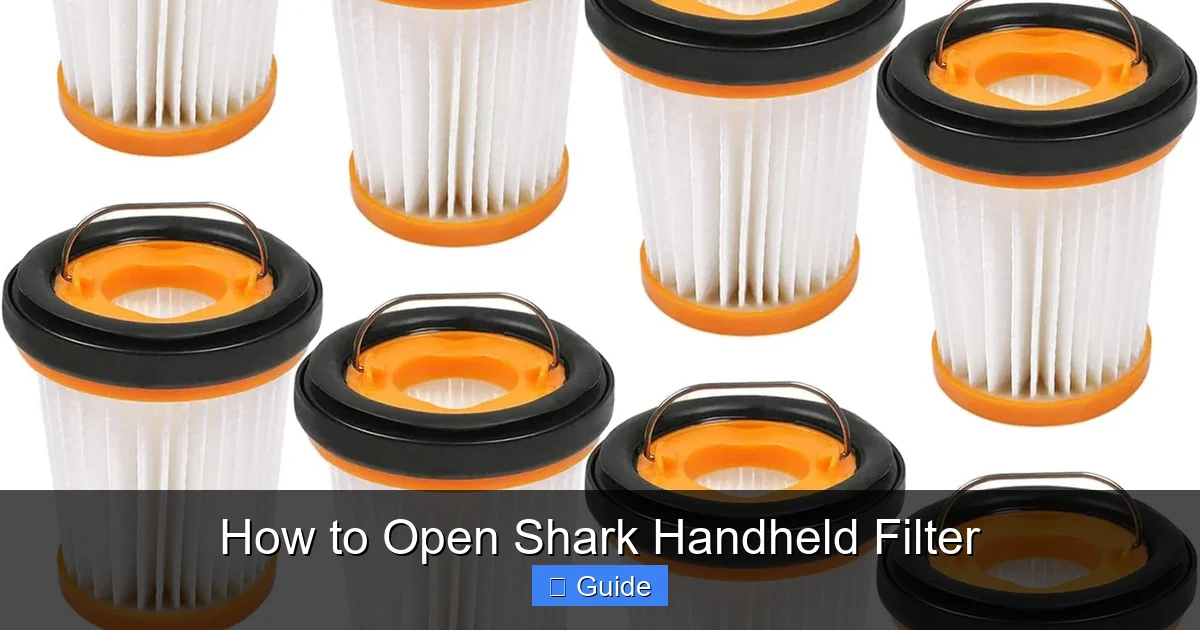
Visual guide about How to Open Shark Handheld Filter
Image source: m.media-amazon.com
The Classic “Lift-Away” or Top-Load Design (Shark IZ & Many Cordless Models)
This is the most prevalent design in recent Shark handhelds, like the popular IZ682, IZ682WT, and similar models. The filter is housed in the main body, accessed from the TOP.
- Look for: A rectangular or circular cover on the upper rear portion of the vacuum body, often with a textured grip pattern.
- The Mechanism: This cover is typically secured by one or two sturdy plastic clips. Pressing the clip(s) inward releases the latch. In some models, you press a small button while pulling the cover off.
- Action: Firmly press the clip(s) and pull the cover straight up and off. You’ll see the cylindrical or rectangular filter sitting inside.
The “Dust Cup” Integrated Filter (Shark W & Earlier Handhelds)
In some older or specific corded Shark handhelds (like certain W series), the filter is not in a separate top compartment but is integrated into the dust cup assembly.
- Look for: The entire dust cup (the transparent bin you empty). The filter is usually at the top or bottom of this cup.
- The Mechanism: You first need to detach the dust cup from the motor body. This is often done by pressing a release button or twisting the cup clockwise/anticlockwise. Once detached, the filter may be held by a clip or a twist-lock ring within the cup.
- Action: Detach the cup, then locate the filter inside. You may need to twist a plastic ring counter-clockwise to release the filter cartridge.
The “Front-Mounted” Filter (Some Pet-Centric Models)
A less common but still possible location is behind a grille on the front or side of the vacuum, near the suction intake.
- Look for: A rectangular plastic grille with ventilation slots, often held by a single screw or a clip.
- The Mechanism: Unscrew the screw (if present) or pry gently at the seam to release the clip.
- Action: Remove the grille to access a flat, pleated filter behind it.
Pro Tip: If you’re visually stuck, follow the air path. Air enters through the nozzle, travels through the hose or directly into the body, passes through the filter, and exits the exhaust port. The filter is always somewhere along that path, before the exhaust.
Step 3: The Art of Releasing & Removing the Filter
Once you’ve opened the correct compartment, you’ll see the filter itself. Shark filters are typically one of two physical forms: a cylindrical foam cartridge or a flat pleated paper/HEPA filter. The removal process is designed to be intuitive but can be tricky if you’re unfamiliar.
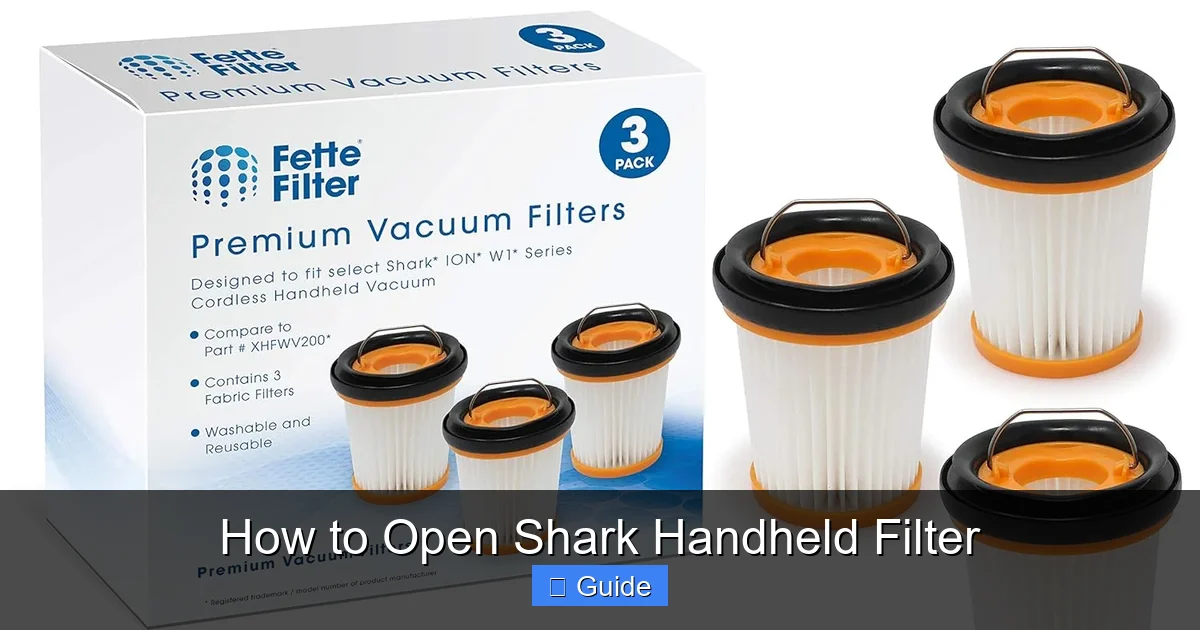
Visual guide about How to Open Shark Handheld Filter
Image source: images-na.ssl-images-amazon.com
For Cylindrical Foam Filters (Most Common)
These are often a blue or grey foam cylinder, sometimes with a plastic pre-filter mesh around it.
- Grip: Place your fingers around the top and bottom of the foam cartridge.
- Motion: Pull straight out with steady, even pressure. Do not twist. The foam forms a tight seal with the housing’s rubber gasket to prevent air leaks, so it will feel snug.
- If Stuck: Gently rock it side-to-side while pulling. Never use excessive force. Check if a plastic retaining ring or clip is holding it in place—some models have a small ring you must twist first.
For Flat Pleated Filters (HEPA or Post-Motor Filters)
These look like a small accordion or a rectangular panel, often white or off-white.
- Grip: Use the plastic frame or tab, never the filter material itself.
- Motion: Pull straight out. These often slide on plastic rails.
- If Stuck: Ensure you’ve released any secondary locking clip. Sometimes a small plastic tab on the side must be depressed while pulling.
Critical: Identifying Your Filter Type
This is the most important step before you even think about cleaning. Look for writing on the filter frame or housing.
- Washable Filters: Will explicitly say “Washable,” “Reusable,” or list materials like “foam.” These are typically blue foam. They can be rinsed with water.
- Non-Washable Filters (HEPA): Will say “Do Not Wash,” “Replace,” “HEPA Filter,” or “Filter.” These are usually pleated paper or fabric. You must never get these wet. Cleaning involves gentle tapping and brushing only.
Washing a non-washable HEPA filter destroys its microscopic structure and renders it useless, often requiring a full replacement. When in doubt, assume it is non-washable and consult your manual.
Step 4: Cleaning, Inspecting, and Drying – The Heart of Maintenance
With the filter removed, you’re ready for the core maintenance. The process diverges completely based on filter type.
Cleaning a Washable Foam Filter
This filter is your vacuum’s first line of defense against large debris and can get filthy quickly.
- Initial De-gunking: Take the filter outside or over a trash can. Gently tap and shake it to dislodge loose dust and hair.
- Washing: Fill a sink or bucket with lukewarm water and a drop of mild dish soap. Submerge the foam and gently squeeze it, working the soap through the pores. Avoid aggressive wringing or twisting, which can tear the foam.
- Rinsing: Rinse under cool, running water until all soap is gone and the water runs clear. You may need to squeeze the foam several times.
- Sanitizing (Optional): For odors or deep cleaning, you can soak it for 10-15 minutes in a solution of 1 part white vinegar to 3 parts water. Rinse extremely thoroughly afterward.
Cleaning a Non-Washable HEPA/Paper Filter
The goal here is to remove surface dust without damaging the delicate filter media.
- Method A (Brushing): Use a soft-bristled brush (like a new, dry paintbrush or a dedicated filter brush). Gently brush the surface in one direction to dislodge dust. Pay attention to the pleats.
- Method B (Tapping): Take the filter outside and lightly tap the plastic frame against a solid surface. The goal is to vibrate out the dust, not to damage it.
- NEVER: Use water, compressed air (which can force dust deeper), a vacuum cleaner to suck it (can damage the filter), or any liquid cleaners.
The Critical Inspection & Drying Phase
Regardless of filter type, hold it up to a bright light.
- Inspect for Damage: Look for any holes, tears, significant thinning of the foam, or areas where the pleats are collapsed. Any physical damage means the filter is no longer effective and must be replaced.
- Drying is Non-Negotiable: For washable filters, this is the most common mistake. A damp filter inside your vacuum will:
- Promote mold and mildew growth, creating foul odors.
- Damage the motor if water aerosols are drawn in.
- Clog instantly with dust as it re-dries.
- Proper Drying: Place the foam filter on a clean towel in a warm, well-ventilated area, preferably with airflow (like near a fan). Do not use a hair dryer or place it in direct sunlight/on a radiator, as heat can degrade the foam. Allow it to air dry completely for at least 24 hours. It must be 100% dry to the touch, inside and out.
Step 5: Reassembly and Testing – Sealing the Deal
Putting it back together seems simple, but improper reassembly is a leading cause of post-cleaning performance issues.
Seating the Filter Correctly
Before you even close the compartment:
- Orientation: Most filters have a specific “up” direction. Look for an arrow, a tab that aligns with a slot, or a label that should face a certain way (often towards the motor or away from the intake). The manual will specify.
- The Seal: Ensure the rubber gasket or foam seal on the filter’s rim (or on the housing) is clean, intact, and sitting flat. This seal is what forces all air through the filter media. A misaligned seal creates a “short circuit,” where air bypasses the filter entirely, dumping dust into the motor and reducing suction.
- Firm, Even Push: Insert the filter straight into its housing. You should feel it bottom out with a slight resistance. Do not force it at an angle.
Closing the Compartment
Align the cover or dust cup correctly. You should hear and feel a definitive, firm CLICK from all latch points. A partially latched cover will cause a whistling air leak and drastically reduce suction. Give the closed compartment a gentle tug to ensure it’s locked in place.
The Post-Cleaning Performance Test
Before you resume normal cleaning:
- Recharge (if cordless): Ensure the vacuum is fully charged.
- Run Empty: Turn the vacuum on without the nozzle on the floor (hold it in the air). Listen for any unusual whistling, rattling, or a high-pitched suction sound that wasn’t there before—signs of an air leak.
- Check Exhaust: Place your hand near the exhaust vent. The airflow should feel strong and steady.
- First Use: Do a quick test on a small area. If suction feels restored, you’ve succeeded.
Troubleshooting: What If It Won’t Open or Something’s Wrong?
Even with a guide, you might hit a snag. Here’s how to handle common problems.
“The Clips Won’t Budge!”
Plastic can become brittle or stiff over time, especially if exposed to heat or dust. Do not use metal tools that can crack the housing. Try pressing the clip in multiple small increments while pulling. Warm the area slightly with a hairdryer on low (from a distance) to expand the plastic slightly. If a clip is broken, you can often continue by gently prying the cover up once the other side is released, but you’ll need to replace the broken clip or use a small piece of strong tape to keep the cover shut.
“The Filter is Stuck Solid”
This usually means years of dust and moisture have created a concrete-like seal around the gasket. Do not use force. Try working a plastic spudger or a wooden toothpick around the circumference of the filter to break the seal. You can also try gently tapping the housing (not the filter) on a wooden surface to dislodge it. If it’s a foam filter that’s become brittle and fused, it may be damaged and need replacement anyway.
“I Can’t Find My Filter!”
Double-check you have the correct model number. Some Shark handhelds, particularly some older “Lift-Away” styles, have a secondary pre-motor foam filter in addition to a main HEPA filter. You may have opened one compartment but the main filter is in another. The user manual is your map. If you’ve lost it, search “Shark [Your Model Number] manual” online. Shark’s site is very reliable for this.
“After Cleaning, Suction is Still Weak”
This points to one of several issues:
- Filter Not Dry: This is the #1 culprit. Re-inspect and allow more drying time.
- Improper Seal: The filter isn’t seated correctly, or the gasket is out of place. Re-open and check.
- Clogged Hose/Nozzle: The problem isn’t the filter. Check the wand, hose, and brush roll for blockages.
- Worn-Out Battery (Cordless): An old battery can’t spin the motor fast enough, mimicking a clogged filter symptom.
- Full Dust Cup: Always empty the dust cup before cleaning the filter. A full cup blocks airflow instantly.
When to Replace, Not Just Clean
Filters are consumable parts. They have a finite lifespan. Here are the clear signs it’s time for a new Shark handheld filter, not just a clean:
- Visible Tears or Holes: Any breach in the filter media means unfiltered, dust-laden air is going straight to your motor.
- Permanent Discoloration/Odor: If a washable foam filter remains grey and smells musty after a thorough wash and dry, its pores are permanently clogged.
- Excessive Brittleness: Foam that crumbles or tears with gentle handling is dead.
- Age: As a rule of thumb, a washable foam filter should be replaced every 1-2 years with regular use. Non-washable HEPA filters typically last 6-12 months, depending on usage and environment (pet homes will need them more often).
- Performance Doesn’t Return: If you’ve cleaned/replaced the filter and checked for clogs but suction is still poor, the motor may be failing, but a clogged exhaust port or a failed seal elsewhere is more likely.
Always buy genuine Shark replacement filters (part numbers are in your manual) or reputable third-party filters with high ratings. A cheap, poorly made filter can be worse than no filter at all.
Conclusion: Making Filter Care a Habit
Mastering how to open your Shark handheld vacuum filter transforms you from a passive user into an active maintainer of a high-performance tool. It’s a five-minute investment that pays dividends in powerful, consistent suction, cleaner exhaust air (vital for allergy sufferers), and a vacuum that feels brand new. The key is consistency. Make it a habit to check the filter every 3-4 uses, give it a quick tap-out, and perform a full wash (for foam) or brush (for HEPA) monthly for light use, or weekly for heavy pet hair or construction dust use. By respecting this simple maintenance cycle—Open, Clean/Inspect, Dry Completely, Re-seat—you protect your investment and ensure your Shark handheld remains the reliable, powerful cleaning partner you bought it to be. Now, go locate that filter compartment, and get started!
Frequently Asked Questions
How often should I open and clean my Shark handheld filter?
For regular household use (light dust and crumbs), check the filter every 3-4 uses and give it a full cleaning monthly. If you have pets, children, or use it frequently on carpets/dusty areas, clean it weekly. Always let washable filters dry for 24+ hours.
Can I use compressed air to clean my Shark filter?
No. Compressed air is too forceful and can damage the delicate filter media, especially on HEPA/paper filters. It can also force dust particles deeper into the filter’s structure, making it less effective. For non-washable filters, use a soft brush and gentle tapping only.
My Shark filter compartment won’t open—the clips are broken. What do I do?
If a plastic clip is broken, you can often still access the filter. Gently pry the cover up from the side opposite the broken clip using a plastic tool. Once open, you can keep it closed with a small piece of strong packing tape until you can order a replacement housing or clip from Shark parts.
Is it okay to wash a non-washable Shark HEPA filter with water?
Absolutely not. Washing a non-washable HEPA filter destroys its electrostatic charge and paper/fiber structure. It will become permanently clogged and useless. You must only tap and brush it dry. If it’s very dirty, it needs to be replaced.
How can I tell if my filter is installed correctly after cleaning?
First, ensure it’s oriented correctly (check for arrows/tabs). Second, make sure the rubber gasket is seated flat in its groove. Third, you should hear a firm click when closing the compartment. Finally, test the vacuum: run it without the floor head and listen for whistling (a leak) and feel for strong, steady exhaust airflow.
Where can I find the exact instructions for my Shark handheld model?
Your best source is the printed user manual that came with the vacuum. If it’s lost, find your model number (on a label on the vacuum body or battery) and search “Shark [model number] manual” on Google. The official Shark website (sharkclean.com/support) has a comprehensive library of downloadable PDF manuals for all models.