Regularly cleaning your Shark vacuum’s microfiber pad is non-negotiable for peak performance. A clogged, dirty pad drastically reduces suction and leaves floors dirty. This guide covers everything: the best hand-washing and machine-washing methods, how to deep clean stubborn odors, the critical drying process, and a simple maintenance schedule. Following these steps ensures your pad stays absorbent, fluffy, and effective, protecting your investment and keeping your home truly clean.
You just finished your weekly cleaning with your trusty Shark vacuum. The floors look great… for now. But if that microfiber pad isn’t properly cleaned, your next cleaning session will be a frustrating, ineffective mess. That pristine, fluffy pad is a magnet for dirt, dust, hair, and liquid spills. Left unchecked, it becomes a saturated, clogged brick that smears debris around instead of picking it up. Cleaning your Shark microfiber pad isn’t just about hygiene; it’s about preserving the core function of your vacuum. This complete guide will walk you through every method, step, and secret to keep your pad performing like new, ensuring your Shark vacuum delivers the powerful, streak-free clean you bought it for.
Key Takeaways
- Clean Frequently: Wash your Shark microfiber pad after every 3-5 uses to prevent deep-set dirt and maintain optimal absorbency.
- Hand Wash is Gentlest: For routine cleaning, hand washing with mild detergent preserves pad fibers better than machine washing.
- Machine Wash With Care: If using a machine, always use a mesh laundry bag, cold water, and NO fabric softener or bleach.
- Air Dry is Mandatory: Never use a dryer. The high heat melts the microfiber’s split fibers, ruining its ability to trap dirt and liquid.
- Deep Clean for Odors: Soak pads in a vinegar and water solution to eliminate persistent smells and break down oily residues.
- Inspect Before Reuse: Always ensure the pad is 100% bone-dry and free of debris before reattaching it to your Shark vacuum.
- Replace When Worn: Even with perfect care, pads degrade. Replace when fibers are matted, torn, or no longer pick up debris effectively.
📑 Table of Contents
- Why Cleaning Your Shark Microfiber Pad is Absolutely Crucial
- Method 1: The Gold Standard – Hand Washing Your Pad
- Method 2: Machine Washing – The Convenient Option (With Rules)
- Method 3: Deep Cleaning for Stubborn Odors & Grease
- The Non-Negotiable Art of Drying Your Shark Pad
- Establishing a Cleaning Schedule & Recognizing When to Replace
- Pro Tips, Mistakes to Avoid, and Troubleshooting
Why Cleaning Your Shark Microfiber Pad is Absolutely Crucial
Let’s be clear: skipping pad cleaning is the #1 reason Shark vacuums lose their legendary suction power on hard floors. The microfiber pad is the final, critical stage in the pickup process. It’s designed with ultra-fine, split fibers that act like millions of tiny fingers, grabbing and holding fine dust, pet hair, and liquid spills. When these fibers become clogged with packed-in dirt and grease, they can’t flex and trap anything new. You’re essentially pushing a dirty rag across your floor.
The Physics of a Dirty Pad
Think of a clean pad as a fresh, dry sponge. It’s absorbent and has surface area. A dirty pad is like a sponge filled with cement. The spaces between fibers are blocked. The vacuum’s suction is still strong at the hose, but by the time air and debris reach the pad, the pathway is obstructed. This creates back-pressure, diminishing overall airflow. Furthermore, a damp, dirty pad becomes a breeding ground for mildew and bacteria, leading to musty odors that can circulate back into your home’s air every time you vacuum.
Impact on Your Floors and Your Wallet
Beyond poor performance, a neglected pad damages your floors. A pad caked with gritty, abrasive particles acts like sandpaper on delicate hardwood or laminate finishes. You might be scratching your floors while thinking you’re cleaning them. Economically, forcing your Shark to work with a clogged pad strains the motor and seals over time, potentially shortening the vacuum’s lifespan. Proactively cleaning a $15-$30 pad is infinitely cheaper than repairing a $300 vacuum.
Method 1: The Gold Standard – Hand Washing Your Pad
For routine maintenance (after every 3-5 uses), hand washing is the undisputed champion. It’s gentle, targeted, and gives you complete control over the process. You’re not agitating the pad with harsh machine cycles; you’re coaxing the dirt out. This method extends the functional life of the pad the longest.
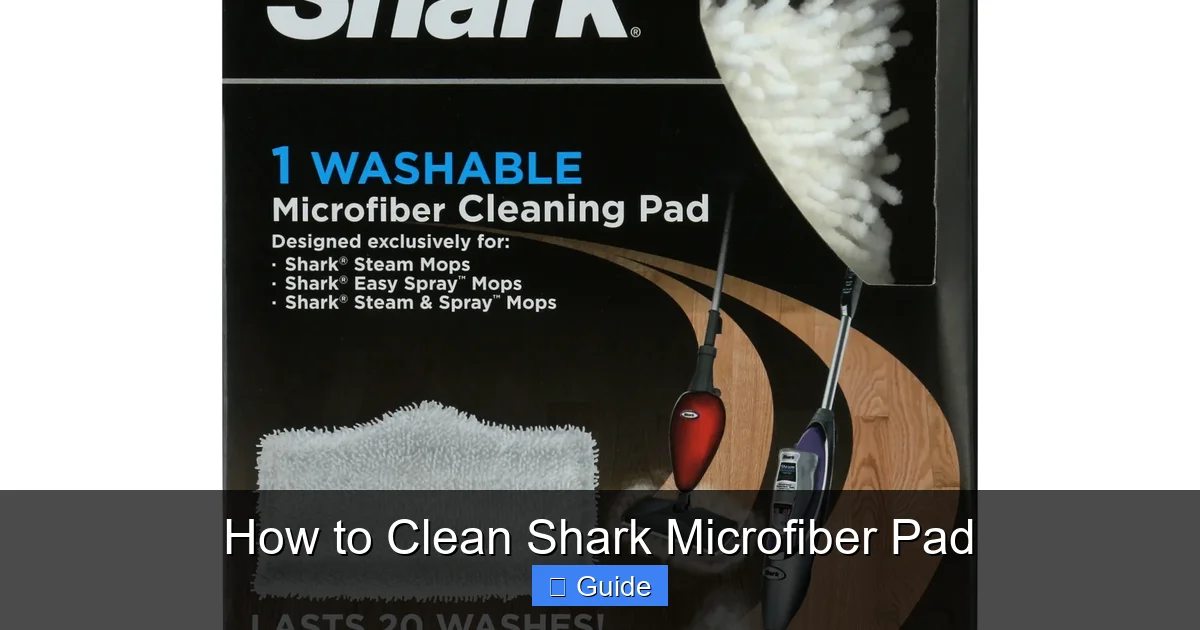
Visual guide about How to Clean Shark Microfiber Pad
Image source: i5.walmartimages.com
What You’ll Need
- A clean sink, bathtub, or large basin
- Warm water (not hot)
- Mild liquid dish soap (like Dawn) or a dedicated microfiber cleaning detergent
- Your hands (or a soft-bristled brush for extra stubborn grime)
- Clean towels
Step-by-Step Hand Washing Guide
Step 1: Pre-Shake & Rinse. Take the pad outside or over a trash can and give it a firm, vigorous shake. This dislodges a huge amount of loose hair, dust, and debris before you even get it wet. Hold it by the corners and snap it like a rug. Next, place it under a gentle stream of cool running water to rinse away the loosened surface dirt.
Step 2: Soak and Agitate. Fill your basin with warm water—think bathwater temperature, not scalding. Add a small squirt (about a teaspoon) of your mild detergent. Submerge the pad fully and gently squeeze and knead it, like you would a dough. You’ll see the water turn murky. Let it soak for 10-15 minutes. For pads with dried-on mud or sticky spills, gently use your fingers or a soft brush to work the soap into the soiled areas. Never wring or twist the pad forcefully, as this can stress the stitching and backing material.
Step 3: The Rinse Cycle is Key. Drain the soapy water. Refill the basin with clean, cool water. Gently agitate the pad again to release soap. Repeat this rinse process until the water runs completely clear. Soap residue is a major cause of pad stiffness and reduced absorbency, so this step is critical. You may need 3-4 rinses.
Step 4: Press, Don’t Wring. Lift the pad and gently press the water out. You can lay it on a clean towel, roll the towel up with the pad inside, and press down to absorb excess water. This is far better than twisting.
Method 2: Machine Washing – The Convenient Option (With Rules)
Life is busy. Sometimes hand washing isn’t practical. Machine washing is perfectly acceptable for your Shark microfiber pad, but it comes with a strict, non-negotiable rulebook. Ignore these, and you’ll destroy the pad’s magic fibers.
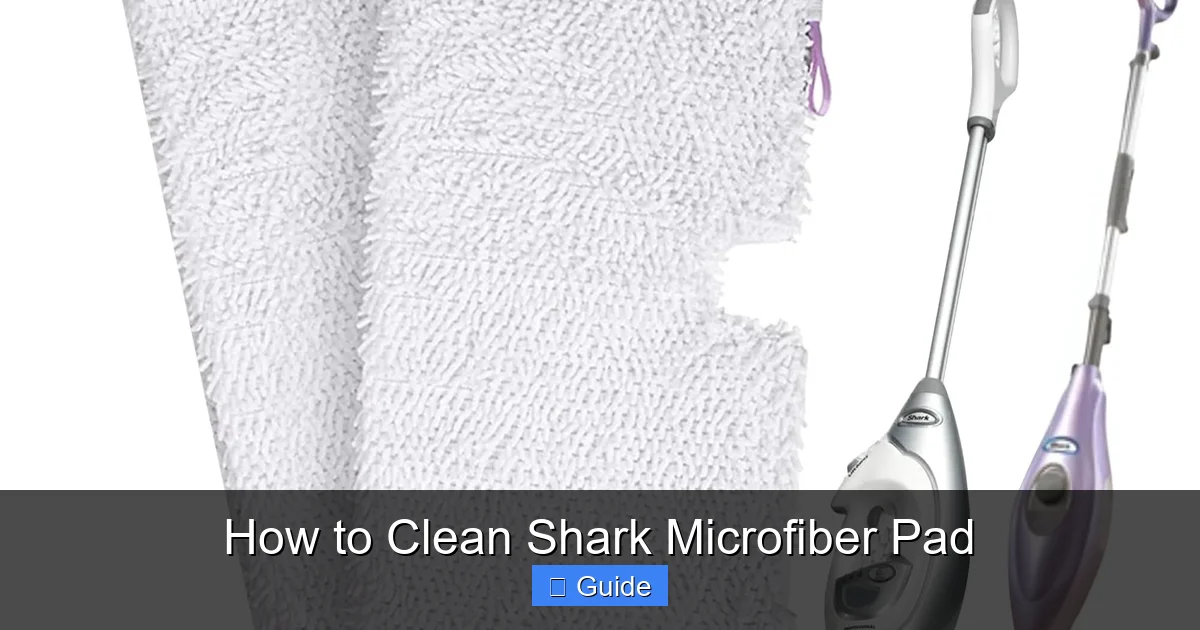
Visual guide about How to Clean Shark Microfiber Pad
Image source: m.media-amazon.com
The Cardinal Sins of Machine Washing
There are three absolute sins that will ruin your pad: fabric softener, bleach, and heat. Fabric softener coats the split fibers, sealing them shut and turning your super-absorbent pad into a water-repellent one. Bleach (chlorine or oxygen-based) degrades the synthetic fibers, causing them to break down and fall apart prematurely. Heat from a hot wash or dryer cycle will melt the fine polyester/nylon fibers, making them smooth and useless for trapping dirt.
Step-by-Step Machine Washing Protocol
Step 1: Isolation is Everything. Always wash your microfiber pad alone or with other microfiber items only. Never mix it with cotton towels, jeans, or items with hooks/zippers. These create friction that pulls and damages the delicate pad fibers and can leave behind lint that clogs it further.
Step 2: The Mesh Laundry Bag is Your Best Friend. Place the pad inside a fine mesh laundry bag. This is the single most important step for machine washing. It protects the pad from excessive agitation against the drum and from getting caught on anything.
Step 3: Settings, Settings, Settings. Use your machine’s gentle or delicate cycle. Set the water temperature to cold. Use a high-efficiency (HE) detergent—these are low-sudsing and rinse cleaner. Add no fabric softener, no bleach, no dryer sheets. If your machine has an extra rinse option, use it.
Step 4: Immediate Removal & Air Dry. As soon as the cycle ends, remove the pad from the machine and the mesh bag. Do not let it sit wet in the washer. Proceed directly to the drying method below.
Method 3: Deep Cleaning for Stubborn Odors & Grease
Sometimes, your pad develops a persistent “wet dog” or mildew smell that regular washing can’t conquer. Or it’s coated in greasy kitchen spills. This calls for a deep cleaning treatment before your standard wash.
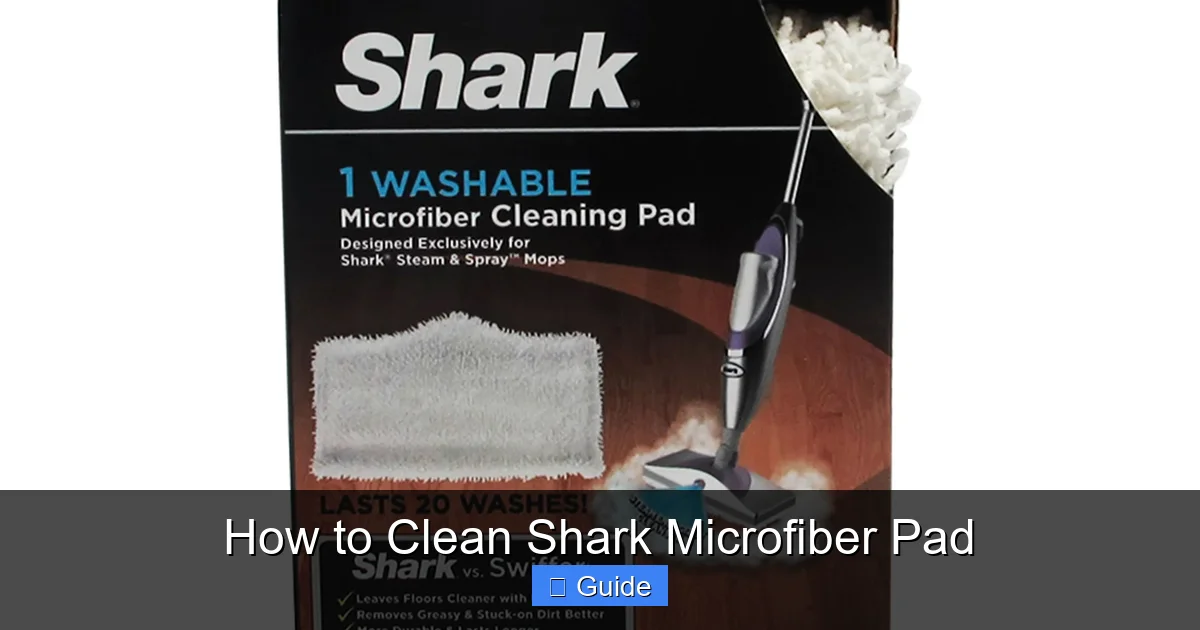
Visual guide about How to Clean Shark Microfiber Pad
Image source: c.shld.net
The Vinegar Soak Powerhouse
White distilled vinegar is a miracle cleaner for microfiber. It’s a natural acid that breaks down organic residues and neutralizes alkaline odors without harming the synthetic fibers.
Deep Clean Procedure
Fill your basin with cool water and add one cup of white distilled vinegar. Submerge the pad and ensure it’s fully saturated. Let it soak for at least 30 minutes, up to 2 hours for severe odors. You can gently agitate it occasionally. After soaking, proceed directly to the hand washing steps (Section 2) using your mild detergent. The vinegar pre-treatment will have broken down the greasy film and odor-causing bacteria, making the subsequent wash much more effective. The vinegar smell will completely dissipate during drying.
For Grease & Oil: Dish Soap Pre-Treat
For pads used in garages, workshops, or on kitchen floors with cooking grease: Apply a small drop of original blue Dawn dish soap directly to the greasy spot. Gently rub it in with your fingers and let it sit for 5-10 minutes. This dish soap is specifically designed to cut through grease. Then, soak and wash the entire pad as described in the hand-washing method. This targeted approach tackles the problem at its source.
The Non-Negotiable Art of Drying Your Shark Pad
This section is so important it deserves its own headline. Improper drying is the fastest way to ruin a perfectly clean pad. The goal is to remove moisture without applying heat.
Why Heat is the Enemy
Microfiber is made from polyester and polyamide (nylon). These are thermoplastic materials. Heat causes the split fibers to melt and fuse together. A pad dried in a machine dryer will feel stiff, look shiny, and, most critically, will have lost its ability to pick up fine dust and liquid. It becomes a smooth, useless cloth. The fluffy, “velvet” texture is a sign of healthy, split fibers.
Proper Air Drying Technique
Step 1: Squeeze Gently. After washing, give the pad one final, gentle squeeze to remove as much standing water as possible.
Step 2: Fluff and Hang. Give the pad a few good shakes to fluff up the fibers. The best way to dry it is to hang it vertically. You can use a clothesline, a shower rod, or even a large binder clip attached to a hanger. Hanging it allows air to circulate through the entire pad evenly, preventing the backing from staying damp (which can lead to mildew). Avoid laying it flat on a surface, as the bottom side will dry slowly.
Step 3: Location, Location, Location. Place it in a well-ventilated area with airflow. A bathroom with an exhaust fan on, a laundry room, or a sunny window (but not in direct, scorching sun which can have a heating effect) is ideal. A fan blowing across it can speed up the process.
Step 4: The Final Check. Before you reattach it to your Shark, press the pad firmly against your cheek or hand. It must feel completely, utterly dry to the touch, with no cool, damp spots. It should feel light and fluffy. If there’s any doubt, give it another few hours. A damp pad will re-introduce moisture into your vacuum’s dust cup and hose, creating a haven for mold.
Establishing a Cleaning Schedule & Recognizing When to Replace
Consistency is easier than crisis. Don’t wait until your floors are visibly dirty after vacuuming to clean the pad. By then, the dirt is compacted deep into the fibers.
The Simple Maintenance Schedule
- Light Use (Hard Floors, No Pets): Clean every 3-4 uses.
- Average Use (Pets, Some Carpets): Clean every 2-3 uses.
- Heavy Use (Multiple Pets, High Traffic, Spills): Clean after every single use.
This might seem frequent, but the hand-wash method is quick. A 10-minute soak and rinse is a small price to pay for perfect cleaning results.
Signs Your Pad Has Lived a Good Life
Even with immaculate care, microfiber pads have a finite lifespan. The fibers wear down, flatten, and can tear. Here’s when to retire yours:
- Permanent Matting: No matter how you wash and fluff it, the fibers stay compressed and flat. It feels like a felt pad, not a plush one.
- Thinning or Holes: You can see the backing material through the fibers, or there are visible rips and tears.
- Stubborn Stains/Odors: You’ve deep cleaned multiple times, but smells or stains remain embedded.
- Reduced Performance: Your Shark isn’t picking up debris as it used to, and you’ve ruled out clogs in the hose or dust cup.
Shark replacement pads are readily available online and in stores. Using a worn-out pad is counterproductive. A fresh pad costs less than $30 and instantly restores your vacuum’s cleaning power.
Pro Tips, Mistakes to Avoid, and Troubleshooting
Let’s consolidate the wisdom and address common pitfalls.
Essential Pro Tips
- Use a Hair Remover First: Before washing, use a rubber glove, lint roller, or pet hair remover to pull off all the surface hair and lint. This prevents it from clumping and clogging your sink drain or washing machine.
- Don’t Overload with Soap: More detergent does not mean cleaner. Excess soap leaves a residue that attracts dirt. A teaspoon for a whole sink is plenty.
- Condition with Vinegar Rinse: For a final touch, add a half-cup of vinegar to your final rinse water. This helps restore the fibers’ natural charge, making them more effective at attracting dust.
- Rotate Pads: If you can afford a second pad, use them alternately. This gives each pad more time to fully dry between uses and extends the overall life of your investment.
Critical Mistakes to Never Make
- Never use fabric softener or dryer sheets. (Can’t say it enough).
- Never use hot water or a hot dryer.
- Never use chlorine bleach.
- Never wring or twist the pad.
- Never reattach a damp pad to your Shark.
- Never wash it with lint-producing items like towels.
Troubleshooting: “My Pad Still Smells After Washing!”
If odor persists after a regular wash, your deep clean wasn’t deep enough. The smell is likely from bacteria breaking down organic matter trapped deep in the fibers. Repeat the vinegar soak (Section 3) for a full 2 hours, then hand wash immediately afterward. Ensure it dries completely in a well-ventilated area. If the smell returns quickly after one use, the pad is likely permanently contaminated and needs replacement.
Frequently Asked Questions
Can I use regular laundry detergent to wash my Shark microfiber pad?
Yes, but it must be a high-efficiency (HE) detergent that is low-sudsing and free of additives like fabric softener. A small amount of mild dish soap (like Dawn) is also excellent for cutting grease. Avoid detergents with heavy fragrances or softeners.
Is it okay to put my Shark pad in the dryer on the “air fluff” setting?
Even the “air fluff” or “no heat” setting is not recommended. The tumbling action alone can be abrasive and damage the pad’s fibers over time. The safest and most effective method is always gentle air drying, hung vertically.
Can I wash my Shark microfiber pad with other cleaning cloths?
You can only wash it with other high-quality microfiber items. Never mix it with cotton towels, which produce lint that will embed in the pad, or with items that have Velcro, zippers, or rough textures that can pull and damage the delicate microfiber.
My pad has a lot of pet hair stuck in it. How do I get it out before washing?
Before any wash, take the pad outside and give it a hard shake. Then, use a rubber dish glove (dampened slightly) and rub it over the pad surface—the hair will ball up and come right off. A pet hair remover roller or a stiff brush also works wonders for this pre-wash dehairing step.
How many times can I wash my Shark microfiber pad before I need to replace it?
With proper care (hand washing, air drying, no softener), a pad can last for 50-100 washes. However, most users find its peak performance lasts 3-6 months with regular use. Replace it when the fibers are permanently matted, thinning, torn, or no longer picking up debris effectively.
My pad feels stiff after washing. What did I do wrong?
Stiffness is almost always caused by one of two things: 1) Detergent or softener residue (ensure you rinse until water is crystal clear), or 2) Heat damage (if you accidentally used hot water or a dryer). If it’s residue, soak it in a vinegar-water solution and rinse again. If it’s heat damage, the pad is unfortunately ruined and needs replacing.