Cleaning your Shark Hydrovac regularly is essential for maintaining powerful suction and extending its lifespan. The process involves a systematic approach: always start by unplugging the unit and emptying both tanks. You’ll need to disassemble key components like the brush roll, filter, and hose for thorough cleaning. Use mild soap and water for most parts, avoiding harsh chemicals that could damage seals or plastics. Pay special attention to the brush roll to remove hair and debris, and ensure all parts are completely dry before reassembly to prevent mold and odors. Following this routine after every few uses will keep your machine operating at peak efficiency.
So, you’ve just finished using your trusty Shark Hydrovac to tackle that tough kitchen spill or refresh the living room carpet, and it’s done an amazing job. But like any hard-working tool, it needs a little TLC to keep performing at its best. Knowing how to clean my Shark Hydrovac isn’t just about tidiness; it’s about protecting your investment, preventing clogs and odors, and ensuring that powerful suction is ready for the next mess. Don’t worry—while it might look complex, the cleaning process is straightforward when you break it down step-by-step. Think of it as giving your cleaning partner a spa day. Let’s walk through everything you need to know, from a quick rinse to a full deep clean.
Key Takeaways
- Unplug and Empty First: Always disconnect power and empty both the clean water and dirty water tanks before beginning any cleaning or maintenance.
- Disassemble for Deep Cleaning: Remove the brush roll, filter, hose, and attachment wands to clean each component individually and thoroughly.
- Use Gentle Cleaning Solutions: Stick to mild dish soap and warm water for tanks, hoses, and plastic parts to avoid damaging seals or creating residue.
- Prioritize the Brush Roll: The brush roll is the most common site for hair and fiber wrap; clean it meticulously after every few uses to maintain agitation and suction.
- Filters Require Special Care: Rinse the foam and pleated filters with cold water only, never soap, and allow them to air-dry completely for 24 hours.
- Dry Everything Completely: Reassemble the Hydrovac only when every single part is 100% dry to prevent mildew, foul odors, and motor damage.
- Establish a Routine: A quick rinse after each use and a full deep clean monthly will prevent clogs, maintain performance, and significantly extend your machine’s life.
📑 Table of Contents
- Why Regular Cleaning is Non-Negotiable for Your Hydrovac
- Deep Dive Cleaning: A Step-by-Step Disassembly Guide
- Cleaning Each Component: The Right Way
- Reassembly: Getting It Back Together Correctly
- Running a Final Flush and Test
- Maintenance Schedule & Pro Tips for Longevity
- Conclusion: A Clean Machine is a Powerful Machine
Why Regular Cleaning is Non-Negotiable for Your Hydrovac
Before we dive into the “how,” let’s talk about the “why.” Your Shark Hydrovac is a marvel of engineering, using water, suction, and a spinning brush to lift dirt. That dirty water, along with pet hair, carpet fibers, and general grime, has to go somewhere. If left to sit, that mixture becomes a breeding ground for bacteria, mold, and mildew. It can solidify in the tanks, clog the intricate internal pathways, and wrap around the brush roll, straining the motor. A regularly cleaned Hydrovac smells fresh, runs quieter, maintains maximum suction power, and will last for years. Skipping this maintenance is the fastest way to turn a premium cleaning machine into a smelly, underperforming paperweight.
The Immediate Post-Use Ritual (2 Minutes)
The absolute best habit to form is a quick post-use routine. The moment you finish your cleaning task:
- Unplug the machine. Safety first, always.
- Take it to a utility sink or outside. You’ll be dealing with dirty water.
- Empty both tanks completely. Press the release buttons and dump the dirty water tank. Then, detach the clean water tank and pour out any remaining fresh solution. Rinse both tanks with warm water. A quick swirl and dump is fine here.
- Rinse the nozzle and brush roll housing. With the machine unplugged, tilt it and run warm water through the nozzle opening where the dirty water enters. This flushes out immediate debris.
- Wipe down the exterior. Use a damp cloth with a drop of mild dish soap to wipe the body, handle, and control panel. Dry with a clean towel.
Doing this takes less than two minutes and prevents gunk from hardening and becoming a much bigger job later.
Deep Dive Cleaning: A Step-by-Step Disassembly Guide
For a thorough clean, which you should do every 3-5 uses depending on your cleaning volume, you need to get inside the machine. This systematic disassembly ensures no part is missed.
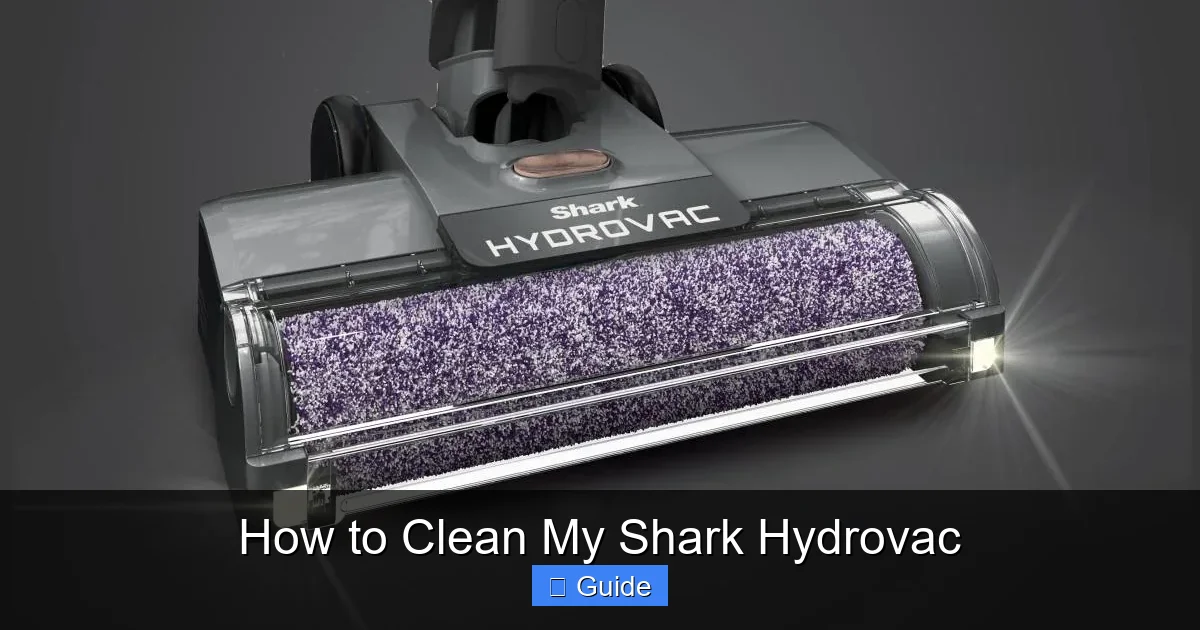
Visual guide about How to Clean My Shark Hydrovac
Image source: sharkclean.com.au
Tools You’ll Need
Gather these before you start: a Phillips-head screwdriver (usually #1 or #2), a bowl or sink with warm soapy water, an old toothbrush or small scrub brush, a soft cloth, and paper towels. Have a clean, dry space ready for parts to air dry.
Step 1: Access the Brush Roll
The brush roll is ground zero for hair and fiber wrap. Here’s how to free it:
- Lay the Hydrovac on its side on a towel.
- Locate the brush roll cover on the underside. It’s typically held by 3-4 screws or sometimes just clips.
- Remove the screws and set them aside. Gently pry off the plastic cover. You’ll see the cylindrical brush roll.
- Carefully slide the brush roll out of its housings. You’ll likely see a tangle of hair, carpet fibers, and maybe small debris like gravel or pet toys wrapped around the bristles and the axle.
Step 2: Remove the Filter
The filter is your machine’s lungs. It needs to be pristine.
- On the back or side of the unit, locate the filter access door. It usually clicks or unscrews.
- Open it and pull out the filter cartridge. Shark Hydrovacs typically use a two-part system: a foam pre-filter and a pleated paper or fabric main filter. Note their orientation for reassembly.
Step 3: Detach the Hose and Attachments
- Press the release collar on the hose where it connects to the machine’s body and pull it off.
- Detach any attachments (crevice tool, upholstery tool) from the wand or hose ends.
- If your model has a separate clean water tank hose, disconnect that as well.
Step 4: Open the Tanks
- Press the release latches on the dirty water tank and lift it off the main body. There is often a seal or gasket around the opening—remove it carefully if it’s separate.
- Do the same for the clean water tank. Remove any o-rings or seals from the caps or connectors.
Now you have all the core components separated and ready for their bath.
Cleaning Each Component: The Right Way
This is the core of the process. Different parts require different care. Using the wrong cleaner can cause more harm than good.
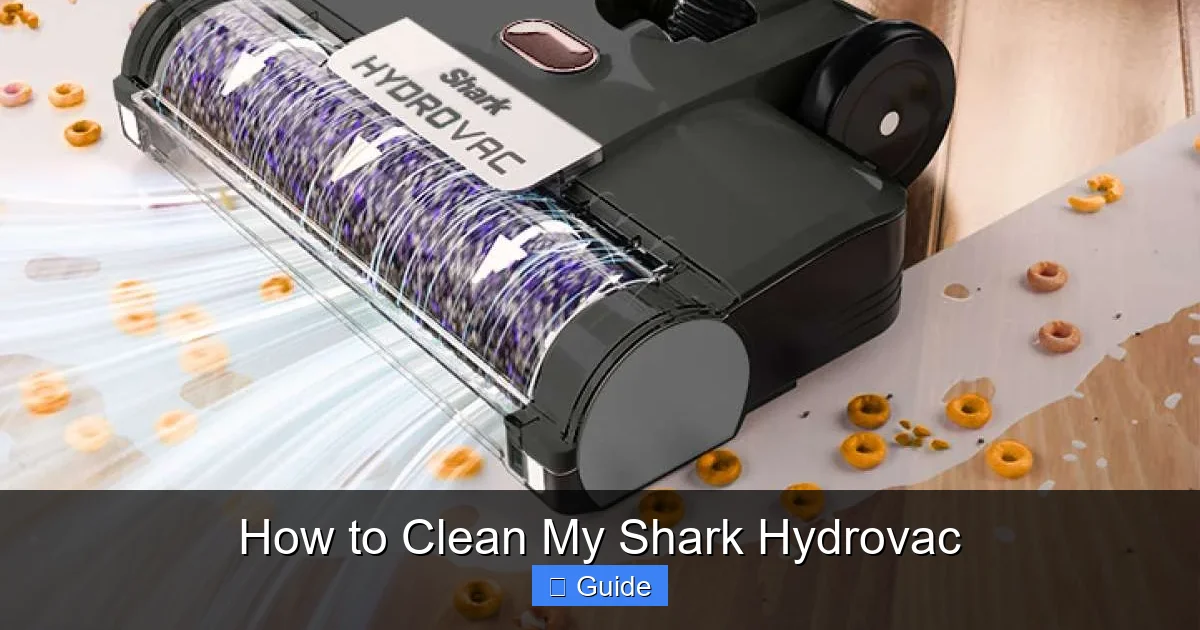
Visual guide about How to Clean My Shark Hydrovac
Image source: sharkclean.com.au
Tanks (Clean & Dirty Water)
These are the simplest but most important for odor control.
- Fill your sink or a tub with warm water and a few drops of mild dish soap.
- Submerge the tanks and use a soft brush or cloth to scrub the interior thoroughly. Pay special attention to corners, the fill cap threads, and the outlet ports where hoses connect.
- For stubborn residue or odors, create a paste of baking soda and water or use a 50/50 white vinegar and water solution. Let it sit for 15 minutes before scrubbing. Never use bleach or abrasive cleaners, as they can degrade the plastic and leave toxic residues.
- Rinse each tank multiple times with clean, warm water until all soap/vinegar smell is gone and the water runs clear.
- Shake out excess water and place the tanks upside down on a drying rack or clean towel. Leave caps off to air completely.
Hose and Attachments
The narrow hose is a prime spot for hidden clogs.
- Submerge the hose in your soapy water. Feed one end into the other to create a loop, then swish it vigorously back and forth. The water will push debris out the opposite end.
- Use your bottle brush or an old, flexible coat hanger (with a cloth tied to the end) to scrub the inside if you suspect a clog.
- For the attachments, simply scrub the interior and exterior with your brush. Use a straightened paperclip to gently clear any debris from the small nozzle holes.
- Rinse everything under a strong stream of water until it runs clear. Hang the hose over a chair back or shower rod to drain and dry.
The Filter System
This is critical for suction and air quality.
- Foam Filter: Gently squeeze and rinse it under cold running water. Do not wring it aggressively, as it can tear. Squeeze out excess water. You can tap it lightly to dislodge embedded dust. Never use soap on foam filters.
- Pleated Paper/Fabric Filter: Rinse this under cold running water as well. Gently brush the surface with your soft brush to remove fine dust. Again, no soap. A quick vacuum with a handheld vac on the outside can help between rinses.
- Shake both filters to remove excess water.
- THE GOLDEN RULE: AIR DRY ONLY. Place the filters on a towel in a well-ventilated area, away from direct sunlight or heat. They must be 100% bone-dry, which takes 24-48 hours, before you reinstall them. A damp filter will cause immediate clogging and can promote mold growth inside the motor path.
Brush Roll & Nozzle
The heart of the cleaning action needs the most attention.
- Debris Removal: With the brush roll out, use your fingers or needle-nose pliers to pick out all the hair, fibers, and debris wrapped around the bristles and the plastic end caps. Be meticulous. A seam ripper or dedicated hair-removal tool can be a lifesaver for deeply embedded tangles.
- Scrubbing: Fill a bowl with warm soapy water. Submerge the brush roll and use your toothbrush to scrub between the bristles and along the plastic axle. The goal is to remove any oily film that can attract more dirt.
- Rinse Thoroughly: Hold the brush roll under a stream of water, rotating it to flush out all soap from the center axle and between every bristle.
- The Nozzle Housing: While you have access, use your brush and soapy water to scrub the inside of the brush roll housing on the machine. This is where a lot of fine grit settles. Rinse it out with a cup of water.
- Dry: Shake the brush roll vigorously. Wipe the plastic axle with a cloth. Stand the brush roll on its end to air dry completely. Ensure the housing is dry with a towel before reassembly.
Seals, Gaskets, and Small Parts
These are the unsung heroes that prevent leaks.
- Locate all rubber seals and gaskets—on tank lids, tank-to-body connections, and hose connectors.
- Wipe each one down with a cloth dampened with your soapy water solution. Gently clean the grooves they sit in.
- Rinse the seals with a clean, damp cloth. Do not let them soak, as they can lose their shape.
- Lay them flat on a towel to air dry. Inspect them for cracks, tears, or warping. If a seal is damaged, order a replacement from Shark. A bad seal causes loss of suction and leaks.
Reassembly: Getting It Back Together Correctly
Reassembly is just as important as cleaning. Rushing or misaligning parts leads to leaks and poor performance.
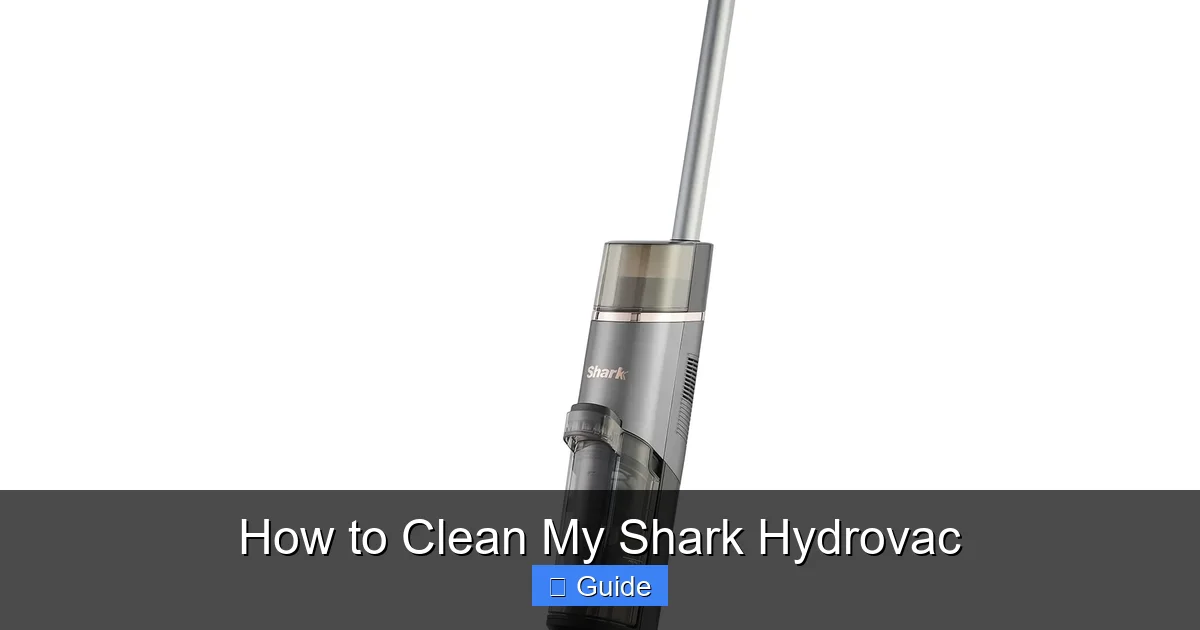
Visual guide about How to Clean My Shark Hydrovac
Image source: sharkclean.com.au
- Wait for Complete Dryness: This cannot be stressed enough. Every plastic part, the brush roll, the filters, the tanks, the seals—everything must be completely dry. Any trapped moisture will cause immediate problems.
- Install Filters First: Place the dry foam filter and then the pleated filter back into their housing in the correct order and orientation. Ensure they seat properly.
- Reinstall the Brush Roll: Slide the dry brush roll back into its housing, making sure the notches on the end caps align with the drive sockets. Spin it by hand to ensure it moves freely. Reattach the brush roll cover and secure all screws. Do not overtighten.
- Attach Seals: Place all cleaned rubber seals and gaskets back into their designated grooves. A small drop of silicone-based lubricant (like for plumbing) on the seal can help it seat and last longer, but this is optional.
- Reconnect Tanks: Align the dirty water tank and click it into place, ensuring the seal is engaged. Do the same for the clean water tank.
- Reattach Hose and Attachments: Push the hose collar firmly onto the machine’s intake port until you hear it click. Attach your tools to the wand/hose ends.
- Final Check: Before you plug it in, give the machine a gentle shake. You shouldn’t hear any loose parts rattling. Visually inspect that everything is snug and aligned.
Running a Final Flush and Test
After a full clean and reassembly, it’s wise to do a quick test run to flush any residual cleaning solution or loose particles from the internal pathways.
- Fill the clean water tank with plain warm water (no cleaning solution).
- Plug the machine in and turn it on in a well-ventilated area, like a garage or outside.
- Run it for 1-2 minutes without a solution or on a small, inconspicuous area of carpet. You’ll see clear water suctioned into the dirty tank.
- This “flush cycle” pushes any remaining soap residue or dislodged grit from the internal hoses and pump into the dirty tank, which you then empty and rinse.
- Finally, do a quick smell check. It should smell like clean water, not mildew or old detergent. If an odor persists, you may have missed moisture somewhere—go back and check for wet spots inside the tanks or on the filters.
Maintenance Schedule & Pro Tips for Longevity
Consistency is key. Here’s a simple schedule to follow:
After Every Use:
- Empty and rinse both tanks.
- Rinse the nozzle and brush roll housing.
- Wipe the exterior.
Every 3-5 Uses (Deep Clean):
- Follow the full disassembly, cleaning, and drying process outlined above.
- Pay extra attention to the brush roll and filter.
Monthly/As Needed:
- Check the Drive Belts: If your model has external belts (some do), inspect them for wear, cracks, or looseness.
- Clean the Intake Grille: On the back of the machine, there’s often a grille protecting the fan. Use a vacuum cleaner’s brush attachment to clean dust from it.
- Inspect the Wheels: Remove any hair or string wrapped around the axles of the rear wheels.
Pro Tips:
- Preventative Brush Roll Care: Before starting a major clean, run the brush roll over a paper towel or old carpet remnant to pick up loose hair and lint that would otherwise wrap.
- Vinegar for Scale: If you have hard water, a vinegar-water solution (1:1) is excellent for descaling mineral deposits inside tanks and nozzles. Rinse extremely well afterward.
- Never Store Wet: This is the cardinal sin. Always ensure the machine is stored with all tanks, attachments, and the brush roll completely dry. Store it with the dirty water tank lid off to allow any residual moisture to evaporate.
- Use the Right Solution: Always use Shark’s recommended cleaning formulas or a mild, low-sudsing carpet cleaner. Harsh chemicals, oils, or waxes can damage the internal pump and seals.
Conclusion: A Clean Machine is a Powerful Machine
Learning how to clean my Shark Hydrovac transforms it from a chore into a simple, rewarding habit. By investing just a few minutes after each use and a dedicated 30 minutes every few weeks, you safeguard your machine’s performance, eliminate foul odors, and ensure it’s always ready to tackle whatever mess life throws your way. Remember the core principles: unplug and empty first, disassemble for access, use gentle soap and water, dry everything completely, and establish a routine. Your Shark Hydrovac is a workhorse; treat it with this consistent care, and it will reward you with sparkling, fresh carpets and floors for years to come. Now, go enjoy that clean feeling—both in your home and from knowing your machine is in perfect shape.
Frequently Asked Questions
Can I put my Shark Hydrovac parts in the dishwasher?
No, it is not recommended. The high heat of a dishwasher can warp plastic tanks, damage seals and gaskets, and degrade the bristles on the brush roll. Always clean parts by hand with warm, soapy water and allow them to air dry.
What should I do if my Hydrovac smells musty even after cleaning?
This usually indicates trapped moisture. Disassemble the machine completely and inspect every nook, especially inside the dirty water tank’s seal area, the hose, and around the filter housing. Leave all parts separated in a warm, dry, well-ventilated area for 24-48 hours. A final flush with a vinegar-water solution (followed by a plain water flush) can also help eliminate mildew odors.
How often should I replace the filters?
The foam pre-filter should be replaced every 3-6 months with regular use. The pleated main filter can last 6-12 months. However, if you clean them diligently but notice a significant drop in suction power or they become permanently discolored and smelly even after washing, it’s time for replacements. Always use genuine Shark filters.
My brush roll isn’t spinning. Is it broken?
Not necessarily. The most common cause is hair or debris jammed tightly around the brush roll axle, preventing it from turning. Remove the brush roll and clean it thoroughly, as detailed in the guide. Also, check that the brush roll is correctly seated in its drive sockets and that the cover is securely fastened. A broken drive belt (on some models) or a seized motor are less common but possible issues.
Can I use bleach to disinfect the tanks and hose?
We strongly advise against using bleach. Bleach can degrade plastic components, damage rubber seals, and leave a hazardous chemical residue that could be ejected into your home during the next cleaning. For disinfection, use a 50/50 white vinegar and water solution, let it sit for 15 minutes, then rinse extremely thoroughly with clean water.
What’s the best way to store my Shark Hydrovac long-term?
Ensure the machine is 100% clean and completely dry. Remove the dirty water tank and leave its lid off. Store the brush roll separately in a dry place to prevent it from warping. Coil the hose loosely—don’t kink it. Store the entire unit upright in a cool, dry closet, away from direct sunlight and extreme temperatures. Do not store it with any liquid in the tanks.