Regularly cleaning the top filter on your Shark Rocket vacuum is non-negotiable for peak performance and longevity. A clogged filter cripples suction, strains the motor, and blows dusty air back into your home. This guide provides a simple, safe, and effective method to clean this critical component using common household items, ensuring your vacuum works efficiently and protects your indoor air quality. Master this quick maintenance task to save money on replacements and keep your Shark Rocket running like new for years.
So, you’ve noticed your Shark Rocket vacuum isn’t pulling quite like it used to. The suction feels weak, maybe it’s pushing out a puff of dust with every push, or it just seems to work harder for less results. Before you panic about a broken motor or start shopping for a new vacuum, take a deep breath. The solution is likely sitting right on top of your machine, waiting for a little TLC: the top filter. Cleaning the top filter on your Shark Rocket is the single most important, yet most overlooked, piece of routine maintenance you can perform. It’s a five-minute task that pays massive dividends in performance, air quality, and the long-term health of your vacuum. Let’s get into everything you need to know, from exactly what this filter does to a foolproof, step-by-step cleaning process.
Key Takeaways
- Performance is Directly Tied to Filter Cleanliness: A clean top filter is essential for maintaining strong suction power, efficient cleaning, and protecting the vacuum’s motor from dust-related wear and overheating.
- Clean Every 1-3 Months, Depending on Use: High-traffic homes, pet owners, and those with allergies should clean the filter monthly. Light use in a mostly carpet-free home may extend this to every 3 months.
- Use Only Gentle, Non-Abrasive Methods: Never use soap, detergent, or water on the foam pre-motor filter (the typical “top filter”). A soft-bristle brush and gentle tapping are the safest, most effective cleaning techniques.
- Complete Drying is Mandatory Before Reassembly: Any residual moisture inside the filter housing or on the filter itself can cause electrical damage, mold growth, and immediate filter failure. Allow 24 hours of air-drying.
- Inspect for Damage During Cleaning: Use cleaning time to check the filter foam for tears, holes, or permanent compression. A damaged filter must be replaced immediately to protect your vacuum’s internal components.
- Never Operate the Vacuum Without the Filter: The filter is a critical safety and performance component. Running the Shark Rocket without it allows dust to enter and destroy the motor, voiding your warranty.
- Replacement is Inevitable: Even with perfect cleaning, foam filters degrade over time (typically 6-12 months). Know your Shark Rocket model number to order the correct OEM replacement filter when cleaning no longer restores performance.
📑 Table of Contents
- Why That Top Filter on Your Shark Rocket is a Big Deal
- Gathering Your Tools: The Minimalist’s Cleaning Kit
- The Step-by-Step Guide: How to Clean Your Shark Rocket’s Top Filter
- Drying and Reassembly: Patience is a Virtue
- Establishing a Maintenance Schedule & Recognizing the End
- Troubleshooting: What If Cleaning Doesn’t Fix the Suction?
- Conclusion: A Small Chore for a Powerful Payoff
Why That Top Filter on Your Shark Rocket is a Big Deal
First, let’s clear up any confusion. When we say “top filter” on a Shark Rocket, we are almost always referring to the foam pre-motor filter. This is the rectangular, usually gray or off-white, sponge-like filter that slides into a housing on the back or top of your vacuum’s main body, just before the motor. Its job is absolutely critical. As air (laden with dust, hair, and debris) is sucked in, it passes through the primary dust cup or bag. But incredibly fine particles—think talcum powder, pollen, and fine dust—can slip through that first barrier. The pre-motor foam filter’s job is to catch this fine particulate matter before it reaches the vacuum’s motor and fan assembly.
The Consequences of a Neglected Filter
Think of this foam filter as the lungs of your Shark Rocket. When it’s clean and porous, air flows freely. When it’s clogged and caked with dirt, it becomes a bottleneck. The immediate effect is a dramatic loss of suction power. Your vacuum has to work exponentially harder to pull air through a dense plug of dust, which leads to the second, more serious problem: motor strain and overheating. The motor is designed to move a certain volume of air. Forcing it to work against a clogged filter makes it run hotter and faster, accelerating wear and tear and significantly shortening its lifespan. In extreme cases, a severely clogged filter can cause the motor to fail entirely. Furthermore, a clogged filter loses its ability to trap fine particles, meaning your vacuum’s exhaust is now blowing a cloud of the smallest, most irritating dust and allergens directly back into your home’s air—completely defeating the purpose of vacuuming for health and cleanliness.
What This Filter is NOT
It’s important to distinguish this pre-motor foam filter from other filters in your Shark Rocket. Many models, especially the newer “Vertex” or “Anti-Allergen” versions, also have a post-motor filter or a HEPA filter located near the exhaust vent. These are typically pleated paper or fabric filters designed to catch the last remnants of ultra-fine particles. The “top filter” we’re discussing is almost always the foam one. The cleaning instructions for foam vs. paper/HEPA filters are completely different. Never wash a paper or HEPA filter with water. This guide is specifically for the foam pre-motor filter. If you’re unsure, your user manual is the ultimate authority, but the removable, sponge-like filter on the top/back of the unit is your target.
Gathering Your Tools: The Minimalist’s Cleaning Kit
You don’t need a special vacuum cleaner cleaning kit to do this job right. In fact, the simplicity of the tools is part of the beauty. Using the wrong tools—like a stiff metal brush or a wet cloth—can damage the delicate foam. Here’s what you actually need, all of which you likely already own.
Visual guide about Clean Top Filter on Shark Rocket
Image source: images-na.ssl-images-amazon.com
Essential Tools: The Core Four
- A Soft-Bristle Brush: This is your primary tool. An unused, clean paintbrush (a 1-inch trim brush is perfect), a soft makeup brush, or even a new, soft-bristled hairbrush works wonders. The bristles must be soft to avoid tearing the foam. Its job is to dislodge embedded dirt from deep within the filter’s pores.
- A Clean, Dry, Lint-Free Cloth: A microfiber cloth is ideal. You’ll use this to wipe away the loosened dust and to give the filter housing a final clean. Avoid terry cloth, as it can leave lint behind.
- Your Hands (or a Soft Tool) for Tapping: The most effective way to remove loose debris is to gently tap the filter. You can do this over a trash can, holding the filter firmly. For less mess, you can use the handle of your paintbrush or a clean spoon to gently rap the filter’s frame.
- Access to a Clean, Dry, Well-Ventilated Space: This is for drying. You’ll need a spot where the filter can sit undisturbed for a full 24 hours, away from direct sunlight (which can degrade the foam) and humidity.
What to Absolutely Avoid
Your cleaning mantra should be: Gentle and Dry. Never use water, soap, detergent, window cleaner, or any liquid cleaning agent on the foam filter. The foam is designed to be porous and air-permeable. Soap residue will coat the inside of the pores, making them sticky and ensuring they immediately re-clog with finer dust. Water trapped deep inside the foam will not evaporate quickly, leading to mold, mildew, and a permanent musty smell that will permeate your vacuum’s exhaust. Also, avoid compressed air. While it seems logical, the high pressure can tear the foam or force dust particles deeper into its matrix. Stick to mechanical agitation (brushing) and gravity (tapping).
The Step-by-Step Guide: How to Clean Your Shark Rocket’s Top Filter
Now for the main event. This process is designed to be safe, thorough, and mess-minimized. Always remember: Safety First. Unplug your Shark Rocket from the wall outlet before you begin any maintenance. This prevents any accidental activation and protects you from potential electrical hazards.
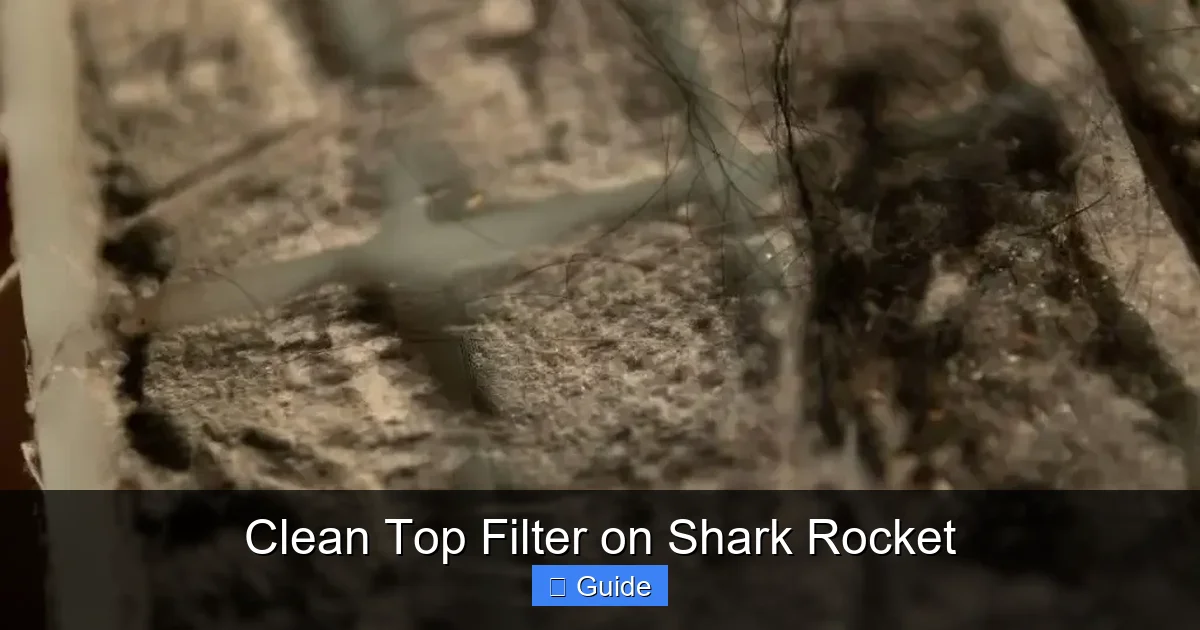
Visual guide about Clean Top Filter on Shark Rocket
Image source: homecleanexpert.com
Step 1: Access and Removal
Locate your filter. On most Shark Rocket models (like the HV300, HV322, HV352, etc.), it’s on the upper rear portion of the vacuum body, often behind a small plastic door or cover. You’ll typically need to press a release tab or slide a latch to open the filter housing door. Gently pull the rectangular foam filter straight out. It may be held in place by slight friction or a small frame. Handle it by the edges or its plastic frame—avoid pressing on the foam itself with your fingers, as oils from your skin can attract and hold dust.
Step 2: The Pre-Clean Tap
Hold the filter firmly over a trash can or large paper bag. Using a gentle, rhythmic motion, tap the plastic frame of the filter against the palm of your other hand or a solid surface. Do not hit the foam directly. The goal is to use vibration to dislodge the bulk of the loose, dry dust and debris that has accumulated on the surface and in the outer layers of the foam. You’ll see a significant cloud of dust fall into the trash. Continue tapping until very little dust is coming off.
Step 3: The Deep Brush
Now, take your clean, dry, soft-bristle brush. With light, sweeping motions, brush against the grain of the foam. Imagine you’re trying to brush the nap of a velvet fabric the wrong way. This action pulls the embedded, finer dust particles out from deep within the foam’s cellular structure. Work your way systematically across the entire surface of the filter, including the edges. You’ll see a fine powder rise to the surface. Periodically, tap the filter again to release this newly loosened debris. Repeat the brushing and tapping cycle until no more dust is being released. The foam will visibly lighten in color.
Step 4: Wipe the Housing (The Often-Forgotten Step)
While you have the filter out, use your dry microfiber cloth to thoroughly wipe down the inside of the filter housing and the sealing surfaces. Dust and debris love to accumulate here. A clean housing ensures a proper seal when you reinstall the filter and prevents old dust from immediately re-contaminating your freshly cleaned filter. Pay special attention to the rubber gasket or seal if your model has one.
Step 5: The Final Inspection
Hold the cleaned filter up to a bright light. You should be able to see light passing relatively easily through the foam. If you still see large, dark clumps or the foam feels stiff and matted, repeat the brushing and tapping. More importantly, inspect the foam for any physical damage: tears, holes, chunks missing, or areas that are permanently compressed and won’t spring back. This is your sign. A damaged filter cannot perform its job and must be replaced. Also, if after a thorough cleaning the filter still looks dark gray or brown and feels heavy, it has likely reached the end of its usable life due to fine particulate saturation that brushing cannot remove.
Drying and Reassembly: Patience is a Virtue
This is the most critical phase for preventing future problems. Do not skip or shorten this step.
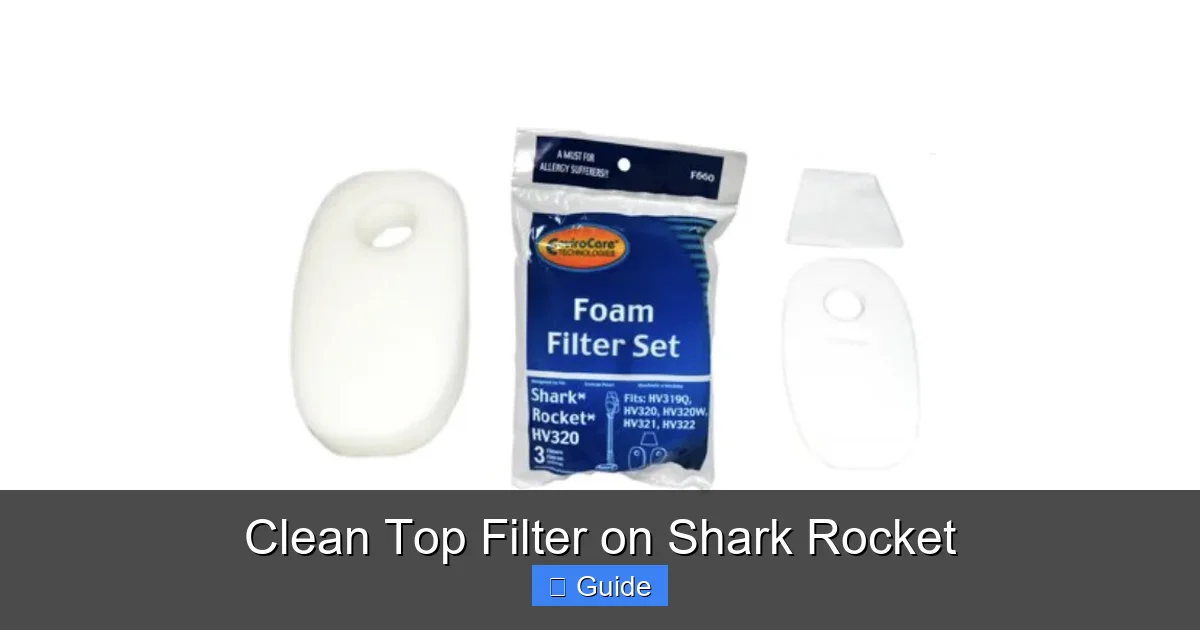
Visual guide about Clean Top Filter on Shark Rocket
Image source: 140362692.cdn6.editmysite.com
The 24-Hour Rule
Even though you used only dry methods, the brushing process agitates dust, and microscopic moisture from ambient humidity can become trapped in the foam’s pores. Place the filter in a clean, dry, well-ventilated area. A countertop away from the stove or dishwasher is fine. Do not place it in direct sunlight or near a heater, as this can cause the foam to dry out, become brittle, and crack. Let it sit for a full 24 hours. This ensures any residual moisture has completely evaporated. Rushing this and reinstalling a damp filter is a direct path to motor failure and a mildewy smell.
Reassembly Done Right
After 24 hours, give the filter one last gentle tap to dislodge any dust that may have settled during drying. Ensure the filter housing is completely clean and dry. Now, carefully reinsert the filter into its housing. It should fit snugly and evenly. There is usually only one correct orientation. Do not force it. Ensure it is seated fully and that any latches or doors on the housing close securely and click into place. A poorly seated filter allows unfiltered air to bypass it entirely, sending dust straight to your motor. Double-check that the filter housing door is firmly closed before you plug your Shark Rocket back in.
Establishing a Maintenance Schedule & Recognizing the End
Cleaning your filter is not a “set it and forget it” task. It’s part of a regular rhythm of vacuum care. How often you need to clean depends entirely on your home’s environment.
How Often is “Often Enough”?
Here is a practical guide:
- Allergy Sufferers / Pet Owners (Shedders): Every 1 month. Pet dander and hair accelerate filter loading.
- Average Household with Carpet: Every 1.5 to 2 months.
- Light Use, Mostly Hard Floors, No Pets: Every 3 months.
If you clean your filter and within a week or two notice a significant drop in suction again, your cleaning interval is too long. Adjust accordingly. A good habit is to check the filter visually every time you empty the dust cup. If it looks visibly gray and dusty, it’s time to clean it.
The Inevitable: When Cleaning Isn’t Enough
Foam is a finite material. With each cleaning, you are slightly breaking down its structure. Its ability to trap the finest particles diminishes over time. Eventually, the foam will become permanently stained dark, feel stiff even after cleaning, and will no longer restore full suction performance. This is normal. For most Shark Rocket models under normal use, the foam pre-motor filter will need replacement every 6 to 12 months. When you find yourself cleaning it more frequently with less and less return in performance, it’s time. Always use a Genuine Shark Replacement Filter (part number usually found on the old filter or in your manual). Generic filters often have inconsistent pore density and can damage your motor or perform poorly.
Troubleshooting: What If Cleaning Doesn’t Fix the Suction?
So, you’ve meticulously cleaned the top filter, let it dry for 24 hours, and reinstalled it correctly, but your Shark Rocket still feels weak. Don’t despair. The filter is just one part of the air path. Here’s your diagnostic checklist:
Check the Obvious First
Is the dust cup completely empty? A full cup blocks airflow instantly. Is the brush roll clean and free of hair and carpet fibers? A jammed brush roll creates immense drag. Are the suction vents on the wand and hose clear? A blocked hose will mimic a filter problem. Check for any cracks or holes in the hose or wand. Any leak in the sealed air path reduces overall suction pressure.
Other Potential Culprits
If all the above are clear, the issue could be elsewhere. The post-motor/HEPA filter (if your model has one) may be clogged and need replacement. The motor itself could be wearing out, though this is less common. There might be an internal blockage in the vacuum’s body. At this point, consulting your user manual’s troubleshooting section or contacting Shark Customer Support is the best next step. But in the vast majority of cases, a properly maintained pre-motor foam filter resolves the vast majority of “loss of suction” complaints.
Conclusion: A Small Chore for a Powerful Payoff
Cleaning the top filter on your Shark Rocket is not glamorous work, but it is foundational work. It’s the equivalent of changing the oil in your car—a simple, inexpensive act of preventative maintenance that safeguards a far more expensive and complex system. By incorporating this 10-minute task into your routine every month or two, you are directly investing in the prolonged power and efficiency of your vacuum. You are protecting your home’s air from recirculated dust and allergens. You are saving the money and hassle of an early motor replacement or a new vacuum. Most importantly, you are ensuring that when you plug in your Shark Rocket, it delivers the powerful, deep-cleaning performance you bought it for. So, make a note on your calendar, grab a soft brush, and give that little filter the attention it deserves. Your vacuum—and your floors—will thank you.
Frequently Asked Questions
How often should I clean the top foam filter on my Shark Rocket?
For most homes, cleaning every 1-2 months is sufficient. If you have pets, allergies, or mainly carpeted floors, aim for monthly cleaning. Check the filter visually each time you empty the dust cup; if it looks visibly gray and dusty, clean it immediately.
Can I use water or soap to clean the foam filter?
No. Water and soap will saturate the foam and leave a residue that clogs the pores permanently, causing odors and rapid re-soiling. The only safe and effective method is dry cleaning with a soft brush and gentle tapping.
What if my filter is torn or damaged after cleaning?
A damaged filter must be replaced immediately. Tears compromise its ability to trap fine dust, allowing it to reach and destroy your vacuum’s motor. Do not attempt to repair it with tape or glue; always install a new, genuine Shark replacement filter.
How can I tell if my filter is too far gone to be cleaned?
If, after a thorough brushing and tapping, the filter still feels heavy, looks permanently dark gray/brown, and does not noticeably lighten in color, the foam is saturated with fine particulate matter. It has reached the end of its lifespan and needs replacement, typically after 6-12 months of use.
Can I run my Shark Rocket without the filter if I’m in a pinch?
Absolutely not. The filter is a critical safety and performance component. Operating the vacuum without it allows unfiltered dust and debris to be sucked directly into the motor, causing catastrophic damage that will void your warranty and lead to expensive repairs.
Why does my vacuum smell musty after I cleaned the filter?
This almost certainly means the filter was not completely dry before reinstallation. Trapped moisture inside the foam leads to mildew and mold growth. You must discard that filter (as the smell is now embedded) and replace it with a new one, ensuring the new filter is 100% dry before use.