Is your Shark Apex vacuum suddenly losing suction and not picking up dirt? This is a common but frustrating issue, usually caused by clogs, a full dust cup, or a dirty filter. The good news is that 90% of these problems are simple to diagnose and fix yourself with basic maintenance. By systematically checking the hose, wand, brush roll, and filters, you can restore your vacuum’s powerful performance without a service call. Regular upkeep is key to preventing this problem from recurring.
You’re mid-clean, and you notice it. That familiar, powerful sound your Shark Apex makes has changed. It’s higher-pitched, weaker. You look down and see that the carpet isn’t getting clean; dirt and debris are just being pushed around. The dreaded loss of suction. It’s one of the most common issues Shark Apex owners face, and it’s incredibly frustrating because it renders your expensive vacuum nearly useless. But before you panic and assume the motor is dead or you need an expensive repair, take a deep breath. In the vast majority of cases, a Shark Apex not suctioning is not a catastrophic failure. It’s a maintenance issue. This guide will walk you through every possible cause, from the simplest fix to more complex checks, so you can diagnose and solve the problem yourself, getting your vacuum back to its formidable, debris-engulfing best.
Key Takeaways
- Clogs are the #1 culprit: Blockages in the hose, wand, or suction path are the most frequent reason for a Shark Apex not suctioning properly.
- The dust cup must be empty: A completely full dust cup, especially the fine dust chamber, will choke suction instantly.
- Filters need regular cleaning: The pre-motor foam and felt filters are critical for airflow; if clogged with debris, suction plummets.
- Check the brush roll for obstructions: Hair, string, and carpet fibers can wrap tightly around the brush roll, jamming it and blocking suction.
- Seals and gaskets matter: A worn or damaged seal on the dust cup or hose connections creates air leaks, destroying suction power.
- Battery health affects cordless models: For cordless Shark Apex variants, a degraded battery can reduce motor power and suction.
- Maintenance is preventative: A quick 5-minute post-vacuuming check prevents major suction loss and extends your vacuum’s life.
📑 Table of Contents
- Understanding How Your Shark Apex Creates Suction
- First Responder Checklist: The 5-Minute Diagnostic
- Deep Dive: Addressing the Most Common Causes
- Advanced Troubleshooting: Seals, Gaskets, and Motor Issues
- Preventative Maintenance: Keep Suction Strong Forever
- When to Consider Professional Help or Replacement
Understanding How Your Shark Apex Creates Suction
To troubleshoot effectively, you need to understand the basic airflow path. Think of your Shark Apex as a long, enclosed tube with a powerful fan (the motor) at one end. The motor pulls air from your floor, through the brush roll area, up the hose, through the wand, and into the dust cup. The air then passes through a series of filters before being expelled out the back exhaust. Suction is lost when any part of this sealed pathway is restricted or broken. A restriction is a physical blockage, like a clog or a full dust cup. A break is an air leak, like a missing seal or a cracked hose. Your job is to become a detective and find where in this path the problem lies. We’ll start with the most common and easiest-to-fix culprits.
The Critical Role of the Dust Cup and Filters
The dust cup is not just a bin; it’s a cyclonic separation chamber. As air and debris spin inside, the dirt is forced to the sides and drops down, while the cleaned air continues upward. If the cup is completely full, especially with fine dust that packs down, there’s literally no room for the air to spin and escape. It becomes a solid plug. Similarly, the filters—typically a foam pre-motor filter and a felt filter—are designed to catch the finest particles that the cyclonic action misses. When these filters are saturated with dust, they act like a thick blanket, choking the airflow out of the motor. This is why regular, thorough cleaning of these components is non-negotiable for maintaining suction.
First Responder Checklist: The 5-Minute Diagnostic
Before you start taking things apart, do this quick, systematic check. It solves most problems in under five minutes. Always unplug your vacuum (or remove the battery for cordless models) before performing any inspection or maintenance.
Visual guide about Shark Apex Not Suctioning
Image source: m.media-amazon.com
Step 1: The Dust Cup Inspection
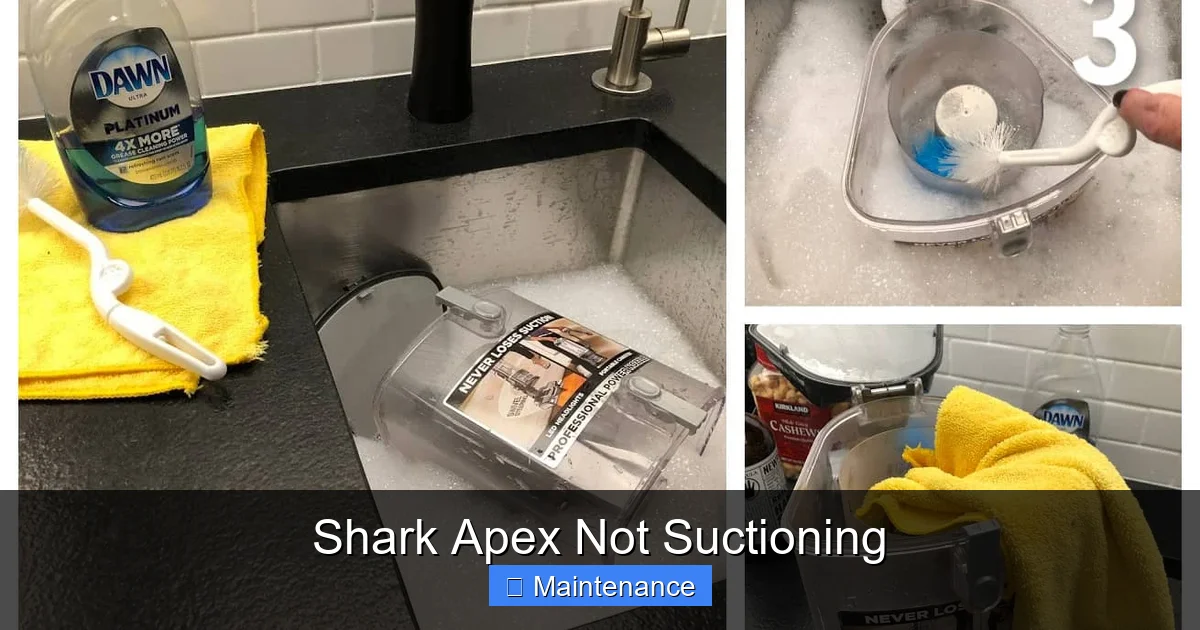
This is your absolute first stop. Press the release button and remove the dust cup. Dump the contents into the trash. Now, look inside. Is there a fine layer of dust caked onto the walls, especially in the upper chamber where the air exits? If so, you need to wash the cup. Shark recommends using a soft brush and mild dish soap. Never use abrasive cleaners or put the cup in the dishwasher. Rinse thoroughly and ensure it is completely dry before reattaching. A damp cup will not seal properly and will cause immediate suction loss.
Step 2: The Filter Examination
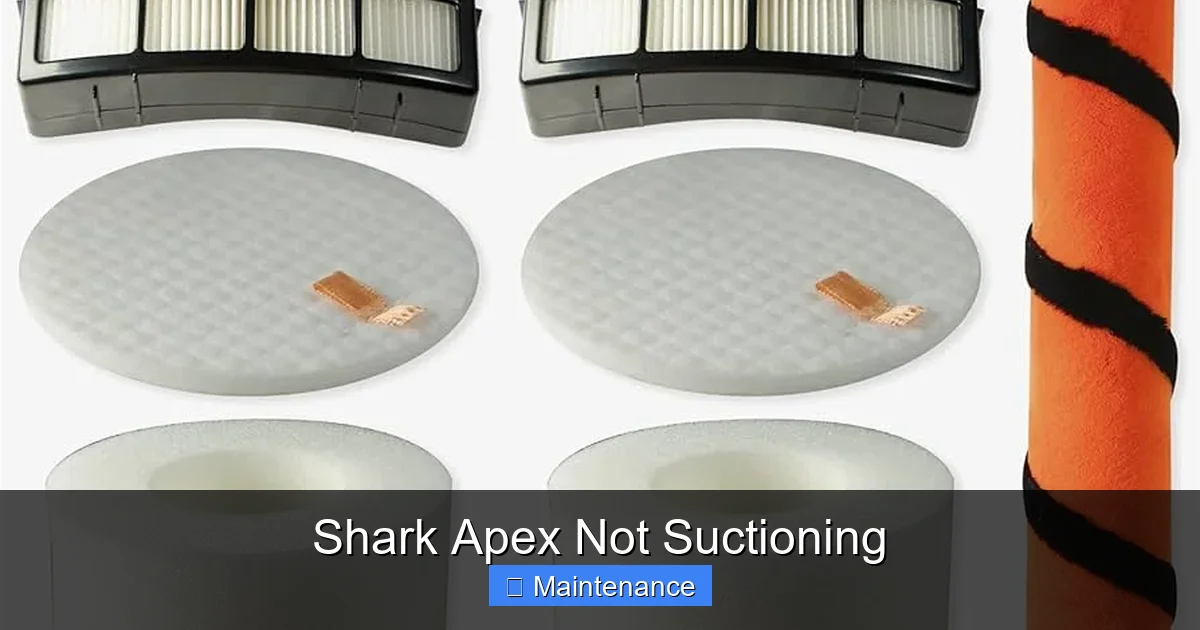
Locate your filters. On most Apex models, the pre-motor foam filter is accessible from the back or bottom. The felt filter is often behind a panel on the back. Remove both. Gently tap them over a trash can to dislodge loose debris. For a deeper clean, the foam filter can be washed with water and mild detergent, then air-dried for at least 24 hours. The felt filter is typically not washable; it should be tapped clean and replaced every 3-6 months depending on use. Never operate your Shark with a wet or missing filter—this can damage the motor.
Step 3: The Hose and Wand Visual Check
Detach the hose from the vacuum body and from the wand. Look down through both. Use a bright flashlight. Can you see light through the entire length? If not, you have a clog. Similarly, detach the wand from the brush roll housing. Look through it. A common clog point is the small, curved elbow where the wand connects to the brush roll head. Use a long, flexible brush (like a bottle brush) or a straightened wire coat hanger (wrapped in tape to avoid scratches) to gently dislodge any obstruction.
Deep Dive: Addressing the Most Common Causes
If the quick check didn’t solve it, it’s time for a deeper investigation. We’ll tackle the most frequent, specific reasons your Shark Apex has lost its bite.
Visual guide about Shark Apex Not Suctioning
Image source: everydaycheapskate.com
Clogged Brush Roll Housing and Head
The brush roll itself is a magnet for hair, string, and carpet fibers. Over time, this wraps around the axles and ends, creating a thick, felt-like mat. This mat restricts the opening through which air must pass, drastically reducing suction. To fix it:
- Lay the vacuum flat and turn it over.
- Use a Phillips screwdriver to remove the screws holding the brush roll cover plate.
- Carefully pull out the brush roll. You’ll likely see a dense web of debris. Use scissors or a seam ripper to cut and remove it. Be extremely careful not to cut the bristles themselves.
- Check the rubber seals/gaskets on either side of the brush roll housing. If they are torn or missing, air will bypass the brush roll area, causing suction loss. These seals are inexpensive and easy to replace.
The Hidden Hose Clog
Clogs don’t always sit visibly in the middle of the hose. They often occur at connection points or in the narrow, flexible section near the handle. A classic sign is good suction at the vacuum body but none at the wand tip. To find it:
- Detach the hose from both the vacuum body and the wand/handle assembly.
- Take it to a clear area, like a garage floor.
- Straighten it as much as possible and look through it again.
- Try blowing air through it from one end. If you feel significant resistance, the clog is inside. Use your flexible brush or a long, thin, damp towel (for grip) to push the obstruction through.
- For stubborn clogs, you can try using a garden hose with low water pressure to flush it out from the opposite end. Ensure the hose is completely dry before reconnecting it to your vacuum.
Advanced Troubleshooting: Seals, Gaskets, and Motor Issues
If you’ve cleared every visible clog and cleaned every filter, the problem may be more subtle. These are the next things to check before assuming the motor is faulty.
Visual guide about Shark Apex Not Suctioning
Image source: manua.ls
Compromised Seals and Gaskets
Your Shark Apex has several soft rubber or foam seals that create an airtight system. The most important is the large seal around the rim of the dust cup where it locks onto the vacuum body. Inspect this seal carefully for any tears, nicks, or areas where it’s become flat and compressed. Also, check the seal where the hose inserts into the vacuum body’s intake port. A single pinhole leak in any of these seals is enough to equalize pressure and kill suction. Replacing seals is usually simple—just peel off the old one and press the new one into the groove. Order the correct part number from Shark or a reputable parts supplier.
Motor and Fan Assembly Problems
This is rare, but possible. The motor’s fan blades can become coated with a sticky film of dust and debris over years of use, throwing them out of balance and reducing their efficiency. This is not a DIY repair for most users. If you’ve exhausted all other possibilities, the motor bearings might be worn, causing the fan to spin slower. Symptoms include a change in the motor’s sound—a whining or grinding noise instead of a steady rush of air. At this stage, you must weigh the cost of a professional motor replacement against the value of your vacuum. For older models, a new vacuum might be more economical.
Preventative Maintenance: Keep Suction Strong Forever
The best fix is prevention. Incorporate these habits into your cleaning routine to ensure your Shark Apex never loses suction unexpectedly.
Create a Simple Post-Use Routine
Spend 60 seconds after every few uses:
- Tap out the filters: Give both the foam and felt filters a firm tap over the trash to dislodge surface dust.
- Empty the dust cup: Don’t wait until the “full” indicator lights up. Empty it when it’s half to three-quarters full to prevent fine dust from packing down.
- Check the brush roll: Visually inspect it for hair wrap. A quick snip with scissors every week or two prevents a major jam later.
Schedule Monthly Deep Cleans
Once a month, perform the full diagnostic we outlined. Wash the foam filter and the dust cup with soap and water. Wash the brush roll with a mild soap solution to remove oily film from carpet fibers. Use your flexible brush to clean the inside of the hose and wand thoroughly. This regular attention keeps the entire airflow path pristine and operating at peak efficiency.
When to Consider Professional Help or Replacement
You’ve done it all. You’ve disassembled, cleaned, inspected, and reassembled. The dust cup is spotless, filters are new, the hose is clear, the brush roll is free, and all seals are intact. Yet, the suction is still weak. Now what?
Diagnosing a Failed Motor
The final frontier is the motor and fan assembly. As mentioned, this is complex. A definitive test requires specialized tools to measure the motor’s RPM and static pressure. If you suspect this, your best move is to contact Shark Customer Support. They may offer troubleshooting steps you haven’t tried or, if your vacuum is under warranty, arrange for a repair. Be prepared to describe exactly what you’ve already checked and replaced. For vacuums out of warranty, get a quote for motor repair. If the cost is more than 50% of a new comparable Shark Apex model, replacement is often the smarter financial decision.
Frequently Asked Questions
Why is my Shark Apex vacuum suddenly not picking up dirt?
The most common reason is a simple clog or a full dust cup. Start by emptying the cup completely and washing it. Then, check and clean the pre-motor foam and felt filters. If those are clean, inspect the hose and wand for blockages using a flashlight.
My Shark Apex has good suction at the vacuum but none at the wand. Why?
This almost always indicates a clog inside the hose or wand itself. Detach the hose from both ends and look/feel through it. The clog is often in the narrow, flexible section near the handle or in the curved elbow connecting the wand to the brush roll head. Use a long, flexible brush to clear it.
Can a dirty brush roll cause loss of suction?
Absolutely. When hair and fibers wrap tightly around the brush roll, they create a physical barrier that restricts airflow. Remove the brush roll (consult your manual) and carefully cut away all debris wrapped around the axles and ends. Also, inspect the rubber seals on either side of the brush roll housing for damage.
How often should I clean the filters on my Shark Apex?
The foam pre-motor filter should be tapped clean after every few uses and washed with water monthly (or as needed). The felt filter should be tapped clean weekly and replaced every 3-6 months, depending on your usage and home environment (pet owners will need to replace it more often). Never operate the vacuum with a wet or missing filter.
My cordless Shark Apex has weak suction. Is it the battery?
A degraded battery can reduce overall power, including suction, in cordless models. However, first rule out all mechanical issues (clogs, full cup, dirty filters). If the vacuum runs but feels weak even with a freshly charged battery on a low-speed setting, the battery may need replacement. Contact Shark for a compatible replacement battery.
Is it worth repairing a Shark Apex with no suction?
It depends. If the issue is a clog, broken seal, or dirty filters, the fix is free or very cheap. If a major component like the motor, fan, or main housing is damaged, repair costs can be high. For vacuums under warranty, contact Shark. For older, out-of-warranty models, compare the repair estimate to the cost of a new Shark Apex. Often, a new vacuum is the better value if the motor is faulty.