Is your Shark Rotator vacuum losing suction? A clogged hose is often the culprit. This guide covers safe DIY unclogging techniques, essential tools, and prevention strategies to keep your vacuum running optimally. Learn why hoses clog, how to fix it step-by-step, and when to replace the hose to avoid costly mistakes.
You’re in the middle of cleaning, and something feels off. Your Shark Rotator vacuum is running, but the powerful suction you rely on has vanished. You check the dust cup—empty. The brush roll spins fine. The culprit is often the most overlooked part of the system: the hose. A Shark Rotator vacuum hose clogged with debris is a frustrating but common issue that brings your cleaning to a screeching halt. The good news? With the right knowledge and tools, you can usually fix this yourself quickly and safely, without needing a repair technician. This comprehensive guide will walk you through everything you need to know, from understanding why hoses clog to executing a precise unclogging procedure and implementing habits that prevent future blockages.
Key Takeaways
- Identify the Culprit: Common clogs include hair, carpet fibers, small toys, and debris that bypass the dust cup.
- Use the Right Tools: A flexible brush, coat hanger, or shop vac can safely clear most blockages without damaging the hose.
- Avoid Sharp Objects: Never use rigid or sharp tools that can puncture or scratch the hose’s interior, causing permanent damage.
- Preventative Cleaning is Key: Regularly inspect and clean the hose, wand, and brush roll to stop clogs before they start.
- Know Your Model: Consult your Shark Rotator’s manual for specific disassembly instructions to avoid voiding warranties.
- Test After Clearing: Always reattach all parts securely and test suction before resuming normal use.
- Replace When Necessary: A severely damaged or repeatedly clogging hose should be replaced with a genuine Shark part for safety and performance.
📑 Table of Contents
- Understanding the Shark Rotator Vacuum Hose: Anatomy and Common Clog Culprits
- Your Essential Toolbox: What You’ll Need to Unclog Your Shark Rotator Hose
- Step-by-Step Guide to Unclogging Your Shark Rotator Vacuum Hose
- Advanced Techniques for Particularly Stubborn Clogs
- Prevention is Key: How to Keep Your Shark Rotator Hose Clog-Free
- When DIY Fails: Knowing When to Seek Professional Help or Replace Parts
- Conclusion: A Clear Hose is a Happy Vacuum
Understanding the Shark Rotator Vacuum Hose: Anatomy and Common Clog Culprits
Before you start jamming tools down your vacuum hose, it helps to understand its role and what typically causes a Shark Rotator vacuum hose clogged situation. The hose is the critical conduit that transports dirt, hair, and debris from the wand and floor head up to the dust cup. It’s designed for flexibility and durability, but its inner diameter is limited. Anything larger than the hose’s opening or that mats together can create a blockage.
The Role of the Hose in Your Shark Rotator’s Performance
Think of your vacuum’s hose as the main artery. When it’s clear, air and debris flow freely, creating the cyclonic suction your Shark is known for. When a Shark Rotator vacuum hose clogged occurs, it creates a bottleneck. The motor still runs, but it can’t pull air through the obstruction. This results in weak suction at the floor head, strange whistling noises from the vacuum body, and sometimes, the vacuum may even shut off automatically as a safety feature due to the motor strain. The clog is almost always located somewhere within the hose itself or at the connection points between the hose, wand, and vacuum body.
Top 5 Reasons Your Hose Gets Blocked
Knowing the enemy helps you defeat it. Here are the most frequent causes of a Shark Rotator vacuum hose clogged:
- Hair and Carpet Fibers: This is the number one villain. Long human or pet hair wraps around itself inside the hose, forming a dense, felt-like mat that gradually shrinks the passageway until it seals completely.
- Small Objects: Socks, small toys, coins, or bits of paper can be accidentally sucked up. If they don’t make it into the dust cup, they can lodge firmly in a bend in the hose.
- Large Debris: Vacuuming bigger items like leaves, large chunks of carpet fluff, or construction dust can overwhelm the system and jam the hose.
- Wet or Muddy Materials: Never vacuum wet spills or mud with your Shark Rotator (unless it’s a specifically designed wet/dry model). These materials dry inside the hose, forming a rock-hard cement-like blockage.
- Deteriorated Dust Cup Gaskets: Sometimes, what feels like a hose clog is actually a failing seal at the dust cup. If the gasket is cracked or out of place, air leaks reduce suction. However, a true hose clog is more common.
Your Essential Toolbox: What You’ll Need to Unclog Your Shark Rotator Hose
Gathering your tools before you begin is half the battle. You likely have most of these items around the house. Having everything ready makes the process smoother and prevents you from using inappropriate objects that could damage your vacuum.
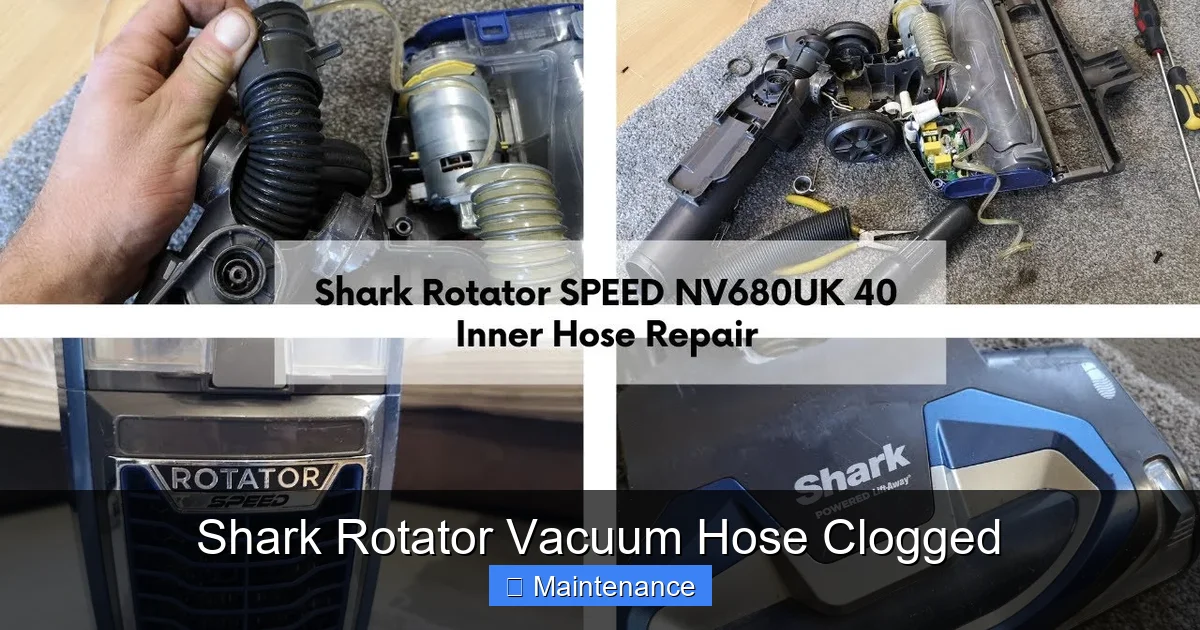
Visual guide about Shark Rotator Vacuum Hose Clogged
Image source: i.ytimg.com
The Must-Have Toolkit for Every Shark Owner
- A Long, Flexible Brush: This is your primary weapon. A bottle brush, hairbrush with long bristles, or a dedicated vacuum hose cleaning brush (available online) is perfect. It must be flexible enough to navigate the hose’s curves but sturdy enough to dislodge debris.
- A straightened Wire Coat Hanger: A classic for a reason. It’s flexible, long, and can be bent into a small hook at one end to snag debris. Crucially, you must wrap the hooked end with duct tape or electrical tape to create a smooth surface that won’t scratch or puncture the plastic hose interior.
- A Shop Vacuum (Wet/Dry Vac): This is a game-changer for stubborn clogs. You’ll use it in reverse to blast air through the hose from the opposite end.
- Flashlight: A bright light is essential to see deep into the hose and confirm the clog’s location and removal.
- Screwdrivers: Typically a Phillips head, to remove any screws securing the hose to the wand or vacuum body if needed for access.
- Gloves: To protect your hands from dirt and any sharp edges inside the hose.
- Trash Bag or Bucket: To catch any dislodged debris.
Optional but Helpful Tools for Stubborn Blockages
- Compressed Air Canister: Like those used for cleaning electronics. Can provide a targeted blast of air for small clogs.
- Garden Hose (with adapter): For a very thorough reverse flush, but only if your vacuum hose is removable and you can seal the connections properly. Never force water through a non-removable hose.
- Flexible Extraction Tools: Specialty tools like the “Drain King” or similar flexible plastic strips designed for plumbing can sometimes work, but use with extreme caution to avoid getting them stuck.
Step-by-Step Guide to Unclogging Your Shark Rotator Vacuum Hose
Now, let’s get to work. Follow this methodical process to safely and effectively clear a Shark Rotator vacuum hose clogged. Always unplug your vacuum before beginning any work.
Visual guide about Shark Rotator Vacuum Hose Clogged
Image source: sharkvacuum.blog
Preparation: Safety First and Initial Assessment
First, detach the hose from both ends—from the vacuum body and from the wand/floor head. This gives you full access. Take the hose to a well-lit area, preferably outside or over a trash can. Shine your flashlight through one end. Can you see the clog? Is it a ball of hair or a solid object? This initial look guides your next move. If the clog is visible and near an end, you might be able to pull it out with your fingers (wear gloves).
The Manual Method: Using a Coat Hanger or Flexible Rod
This is the most common and effective technique for most clogs.
- Prepare Your Tool: Take your wire coat hanger. Using pliers, bend and cut a manageable length (about 2-3 feet). At one end, bend a small, tight hook (like a crochet hook). This is critical: Wrap the entire length of the hook and the next few inches of wire tightly with duct tape. You want a completely smooth, blunt surface. Any exposed wire can easily cut into the soft plastic hose.
- Insert and Probe: Gently insert the taped end into the hose from whichever end gives you the best angle. Slowly push and twist. The goal is to break up the clog and push it out the other end, not to stab it.
- Hook and Retrieve: If you feel a solid object, try to hook it gently with your bent wire and pull it back out. Be patient. Aggressive sawing motions are the fastest way to create a hole in your hose.
- Follow Through: Once you feel resistance give way, push the tool all the way through to ensure the path is clear. You should see debris exit the opposite end.
Harnessing Air Pressure: The Blow Method
If the clog is loose but not moving, air pressure can help.
- Take your shop vac. Set it to BLOW mode (most have a reversible switch).
- Create a tight seal between the shop vac’s hose and one end of your Shark hose. You might need to use your hands or a rag to plug any gaps.
- Turn the shop vac on. The powerful burst of air will often dislodge and blow the clog out the opposite end. Have a trash bag ready to catch it.
- Warning: Do not use your regular Shark vacuum to blow air backward. Its motor and seals are not designed for this and could be damaged.
The Reverse Flush: Using Water (With Extreme Caution)
This method is for non-removable hoses only if you can guarantee the water will exit completely and not enter the motor housing. For removable hoses, you can take it outside.
- Only proceed if your hose is completely detached from the vacuum and wand.
- Take the hose to an outdoor area. Using a garden hose with a gentle spray nozzle, insert it into one end of the vacuum hose.
- Turn the water on low to medium. Allow water to flow through, flushing out loosened debris. You may see murky water exit the other end.
- Immediately follow this by using the BLOW method with your shop vac to blow all remaining water out. Any water left in the hose can drip into the motor if reattached, causing catastrophic damage.
- Let the hose hang vertically in a warm, dry place for at least 24 hours before reattaching to ensure all moisture has evaporated.
Reassembly and Testing
Once you’re confident the hose is clear:
- Wipe down the hose ends and the connection points on the vacuum and wand.
- Reattach the hose firmly to both the vacuum body and the wand. You should hear a distinct click or feel a secure lock, depending on your model.
- Plug in the Shark Rotator and run it without the floor head attached for a few seconds. Place your hand over the hose inlet. You should feel strong, steady suction.
- Finally, reattach the floor head and do a quick test on a small area of carpet. Listen for normal sounds and observe the suction.
Advanced Techniques for Particularly Stubborn Clogs
Sometimes, the clog is deeper, more compacted, or located at a tricky bend. Don’t force it; try these advanced strategies.
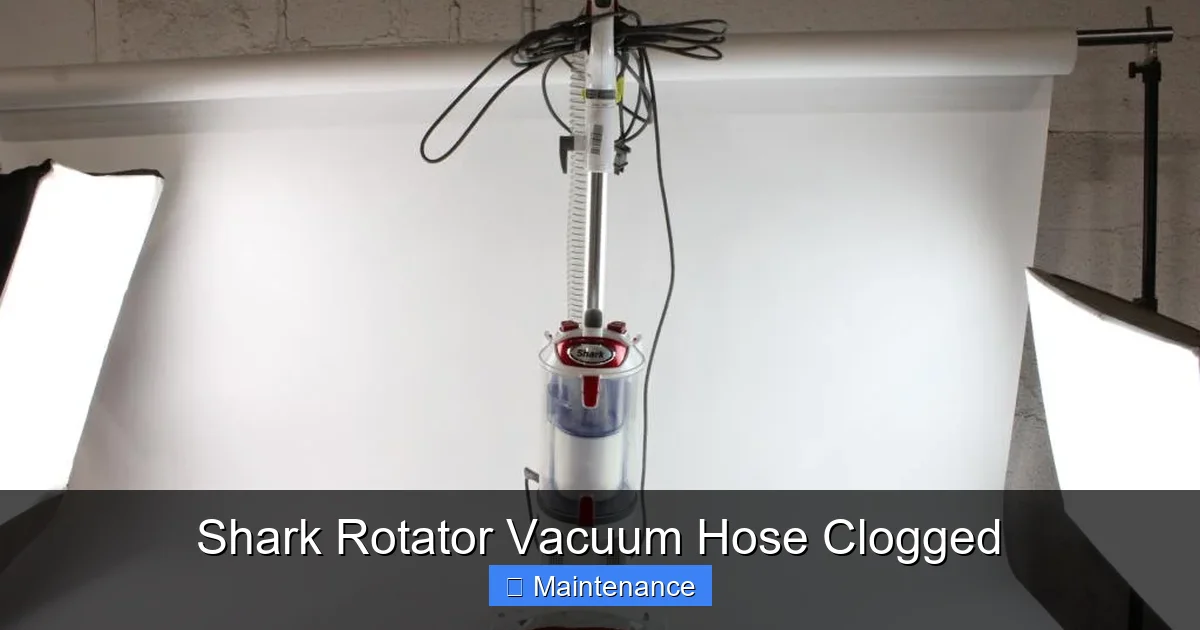
Visual guide about Shark Rotator Vacuum Hose Clogged
Image source: content.propertyroom.com
When the Clog Is Deep: Using a Wet/Dry Vacuum
If your probing tool can’t reach the clog, use the shop vac in suction mode directly on the hose end.
- Attach the shop vac’s hose directly to the open end of your detached Shark hose. Use a tight seal—rag or your hand.
- Turn the shop vac on. Its powerful suction can often pull the clog out from the other end, especially if it’s a loose collection of hair.
- Alternatively, if you can access the clog from the vacuum body side (where the hose attaches), you can try sucking from that end instead.
Disassembling the Hose Connection (For Model-Specific Tips)
Some Shark Rotator models have a hose that separates into two pieces at a middle connector. Consult your user manual first. If your model allows:
- Locate the release clip or screw on the hose connector.
- Carefully separate the two hose sections. This gives you a much shorter length to clear, making it easier to see and reach the clog.
- Clear each section individually using the methods above.
- Reconnect the sections securely before full reassembly.
Important: Forcefully separating connections not designed to be taken apart can break plastic clips. If you’re unsure, stick to the full-hose methods.
Prevention is Key: How to Keep Your Shark Rotator Hose Clog-Free
An ounce of prevention saves you from a pound of frustration. Incorporate these habits into your cleaning routine to minimize the chance of a Shark Rotator vacuum hose clogged situation.
Daily Habits That Prevent Hose Clogs
- Mind What You Vacuum: Never vacuum large, hard items (coins, screws, large pet toys), wet messes, or excessive amounts of long hair/string directly. Pick up large debris first.
- Use the Right Tool: For pet hair on furniture, use the upholstery tool, not the main floor head with its wider opening that can suck up larger clumps of hair.
- Empty the Dust Cup Frequently: Don’t wait until it’s completely full. A full dust cup reduces airflow and can allow fine dust to recirculate and settle in the hose.
- Check the Brush Roll: Before or after each use, glance at the brush roll. If it’s wrapped with hair or carpet fibers, cut it away with scissors. This debris is the #1 source of hose clogs.
Weekly and Monthly Maintenance Routines
- Weekly Hose Inspection: Once a week, detach the hose and look through it with a flashlight. Give it a few gentle shakes to dislodge any loose debris that’s starting to accumulate.
- Monthly Deep Clean: Once a month, run your flexible brush through the entire length of the hose. Follow it with the shop vac blow method to clear any loosened particles.
- Clean Filters: A clogged filter reduces overall suction and puts more strain on the system. Wash your foam and felt filters monthly (as per manual) and let them dry completely for 24 hours.
- Wipe Connections: Wipe the hose connectors and the ports on the vacuum and wand with a dry cloth to remove dust buildup that can impede airflow.
What NOT to Do: Common Mistakes That Cause Clogs
- Don’t Vacuum Staples, Tacks, or Needles: These can not only clog but also puncture the hose or damage the motor if they get through.
- Don’t Ignore Strange Sounds: A high-pitched whistle or a sudden drop in suction is your first warning sign. Address it immediately before the clog becomes compacted.
- Don’t Use Excessive Force: If a tool won’t move, don’t ram it. You’ll likely damage the hose. Try the shop vac method from the other end instead.
- Don’t Skip the Manual: Your Shark Rotator’s specific model may have unique features or warnings. The manual is your best resource.
When DIY Fails: Knowing When to Seek Professional Help or Replace Parts
Despite your best efforts, some situations are beyond a home repair. Knowing when to stop and call for help is crucial to avoid causing more damage.
Signs Your Clog Might Be Beyond DIY Repair
Consider professional service or part replacement if:
- You’ve tried all methods and the suction does not return.
- You suspect the clog is not in the hose but inside the vacuum’s internal airways or fan assembly. This requires complete disassembly.
- The hose itself is visibly cracked, split, or has a permanent kink that collapses the inner lining.
- You feel sharp resistance that won’t budge, suggesting a solid object is wedged at a sharp bend.
- After clearing a clog, the vacuum smells like burning or overheats quickly. This indicates the motor was strained and may need inspection.
Genuine Shark Rotator Replacement Hoses: A Worthy Investment?
If your hose is damaged or chronically clogging, replacing it is a cost-effective solution compared to a new vacuum. Always opt for a genuine Shark Rotator replacement hose. Aftermarket hoses often use inferior plastic that is less flexible, more prone to cracking, and may have a slightly different diameter that hurts suction performance. A genuine hose is engineered to match your model’s exact specifications for optimal airflow and durability. You can find the correct part number in your manual or on the Shark website by entering your model number. A new hose is often under $50 and can add years to your vacuum’s life.
Conclusion: A Clear Hose is a Happy Vacuum
A Shark Rotator vacuum hose clogged doesn’t have to mean the end of your vacuum’s useful life. It’s a maintenance issue, and like changing the oil in a car, it’s part of owning any powerful machine. By understanding the causes, arming yourself with the right gentle tools, and following a systematic unclogging process, you can restore that powerful, lossless suction in under 30 minutes. More importantly, by adopting the simple prevention habits outlined—regular brush roll cleaning, mindful vacuuming, and monthly hose inspections—you’ll turn a occasional nuisance into a rare event. Your Shark Rotator is an investment in a clean home. Protecting its airflow by keeping the hose clear is one of the easiest and most impactful ways to protect that investment. So next time suction drops, don’t panic. Grab your flashlight and your taped coat hanger, and get to work. You’ve got this.
Frequently Asked Questions
Can I use water to flush out my Shark Rotator vacuum hose?
Yes, but only if the hose is completely detached from the vacuum and you can guarantee it will be dried thoroughly afterward. Water must never enter the motor housing. After flushing, use a shop vacuum in blow mode to remove all moisture and let the hose air-dry for 24 hours before reattaching.
Will using a wire coat hanger damage the inside of my hose?
It can, if used improperly. A bare wire can easily scratch or puncture the soft plastic interior. Always bend a hook on the end and wrap it completely with duct tape or electrical tape to create a smooth, blunt surface that protects the hose while you dislodge clogs.
How often should I clean my Shark Rotator hose to prevent clogs?
Perform a quick visual inspection and gentle shake-out weekly. Do a more thorough cleaning with a flexible brush and shop vac blow method monthly. If you have pets or a lot of carpet, consider doing this bi-weekly to stay ahead of hair and fiber buildup.
What are the signs that my vacuum hose is clogged beyond a simple blockage?
>Signs include a complete loss of suction, a high-pitched whistling noise from the vacuum body, the vacuum shutting off automatically, or if you can feel a solid, immovable obstruction when probing. If suction doesn’t return after a thorough unclogging attempt, the issue may be internal.
Is it safe to use chemical drain cleaners in my vacuum hose?
Absolutely not. Chemical drain cleaners are highly corrosive and toxic. They can melt the plastic hose, damage internal vacuum components, and release dangerous fumes. They are also a significant fire hazard. Never use them in a vacuum system.
Does a clogged hose void my Shark vacuum’s warranty?
No, a clogged hose is considered normal wear and tear and is not a warranty issue. However, damage caused by attempting an improper repair (like puncturing the hose with a sharp tool) or by vacuuming inappropriate materials (like water or large objects) may not be covered. Always follow the guidelines in your user manual.