Is your Shark vacuum cleaner suddenly not working? Don’t panic—most issues are fixable with simple troubleshooting. This comprehensive guide walks you through the most common problems, from total power failure to weak suction and strange noises, with clear, step-by-step solutions. We cover corded and cordless models, essential maintenance tips to prevent future breakdowns, and when it’s time to seek professional help or use your warranty.
So, you go to grab your trusty Shark vacuum, ready to tackle the living room, and… nothing. Or maybe it’s humming along but isn’t picking anything up. A Shark vacuum cleaner not working is one of the most frustrating—and surprisingly common—household hiccups. Before you resign yourself to a world of dust bunnies or start shopping for a expensive replacement, take a deep breath. The vast majority of Shark vacuum problems are not only common but also surprisingly simple to diagnose and fix yourself. Whether you have a lightweight cordless like the Shark Vertex or a powerful upright like the Rotator, this guide will be your go-to manual for getting it back in action. We’ll break down the symptoms, walk through logical troubleshooting steps, and arm you with the knowledge to perform essential maintenance that keeps your Shark running like new for years.
Think of your vacuum like a car. It has an engine (the motor), an intake system (the suction path), an exhaust (the filters), and moving parts (the brush roll). When it “breaks down,” it’s usually one of these systems failing. Our approach will be methodical: we’ll start with the simplest, most obvious checks and move toward more complex possibilities. This saves you time and prevents you from taking apart components that are perfectly fine. Let’s get your Shark sucking again.
Key Takeaways
- Power Issues First: Always start with the basics—check the outlet, circuit breaker, power switch, and battery charge before assuming a major failure.
- Suction Loss is Usually a Clog: The #1 cause of weak suction is a blockage in the hose, wand, or brush roll housing, followed by a full dust cup or dirty filters.
- Brush Roll Problems are Often Simple: A brush roll that won’t spin is typically jammed with hair, has a broken belt, or has a tripped protection switch.
- Strange Noises Have Clear Causes: High-pitched squeals often mean a clog or worn bearing; grinding usually indicates debris in the brush roll or a failing motor.
- Maintenance is Prevention: Regularly emptying the dust cup, washing filters, and cleaning the brush roll prevents 80% of common performance issues.
- Know Your Warranty: Shark vacuums have limited warranties (typically 5-7 years for the motor). Keep your receipt and register your product for coverage.
- Safety First: Always unplug the vacuum or remove the battery before inspecting or cleaning internal components like the brush roll or hose.
📑 Table of Contents
- Shark Vacuum Has No Power: Ultimate Troubleshooting Checklist
- Shark Vacuum Has Lost Suction: Diagnosing the Blockage
- Brush Roll Not Spinning: Belts, Jambs, and Safety Switches
- Strange Noises & Smells: What They Mean & What to Do
- Essential Shark Vacuum Maintenance: The Best Prevention
- When Troubleshooting Fails: Warranty, Repair, or Replace?
Shark Vacuum Has No Power: Ultimate Troubleshooting Checklist
This is the most alarming symptom—you press the power button and hear absolutely nothing. No lights, no sound, no movement. Before you panic, work through this checklist systematically.
The Obvious: Outlet & Power Cord
First, verify the problem is the vacuum and not your home’s electrical system. Plug a known-working device, like a lamp or phone charger, into the same outlet. If that device doesn’t work, check your home’s circuit breaker panel for a tripped breaker. If the outlet is on a GFCI (often in kitchens/bathrooms), press the reset button on the outlet itself. If the outlet is fine, inspect the Shark’s power cord. Look for any visible cuts, frays, or kinks, especially where the cord enters the vacuum body. A damaged cord is a fire hazard and requires immediate replacement.
The Switch & Internal Fuse
If the outlet is good, the issue may be the vacuum’s power switch. Over time, these can wear out or get clogged with dust. Listen closely—do you hear a faint click when you press the button? No click often points to a faulty switch. For cordless models, ensure the battery is properly seated in its dock and that the dock’s LED is indicating charging. For corded models, some Sharks have a reset button on the motor housing (often a small red button). Consult your manual’s diagram to locate it and press it firmly.
Battery-Specific Issues (Cordless Models)
A Shark vacuum cleaner not working that’s cordless is often a battery issue. Batteries degrade over time (typically 2-3 years of regular use). First, remove the battery and check the contacts on both the battery and the vacuum for dirt or corrosion. Clean them gently with a dry, soft cloth. Let the battery charge for a full 3-4 hours without interruption. If it still won’t hold a charge or powers off instantly, the battery has likely reached the end of its life and needs replacement. Shark sells official replacement batteries for most models.
Shark Vacuum Has Lost Suction: Diagnosing the Blockage
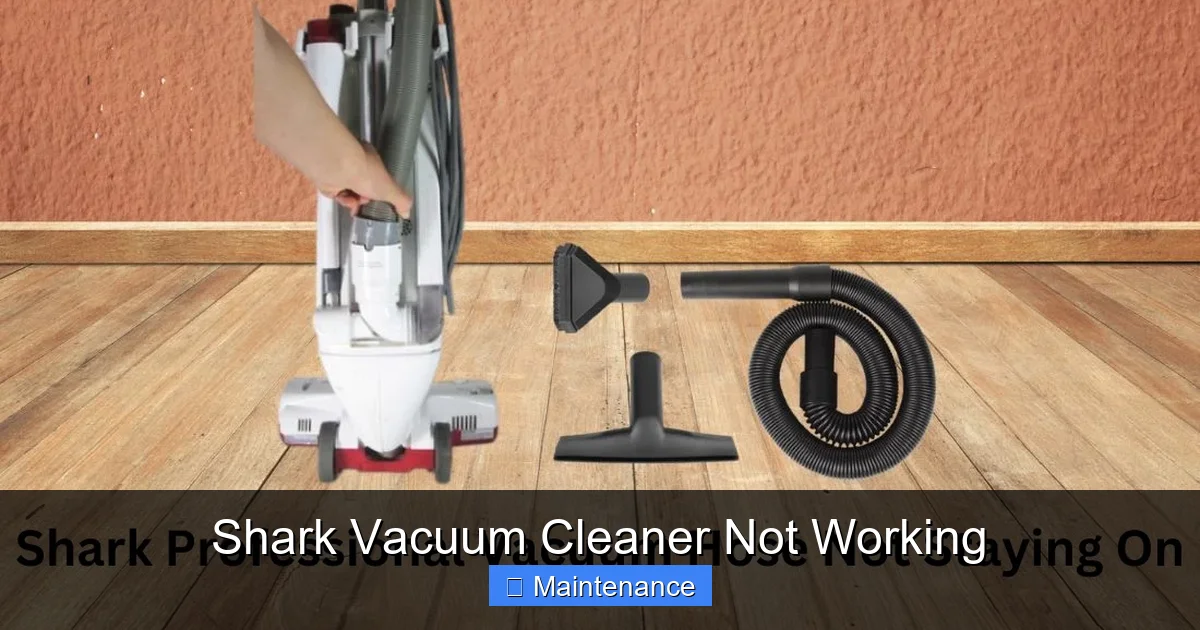
This is the #1 complaint: the vacuum turns on, the brush roll spins, but it’s not picking up dirt. Weak or lost suction is almost always caused by an obstruction somewhere in the airflow path. The path is: floor → brush roll → hose/wand → dust cup → filters → motor → exhaust. We need to check this path from end to end.
Visual guide about Shark Vacuum Cleaner Not Working
Image source: sharkvacuum.blog
Step 1: The Dust Cup & Pre-Motor Filter
The most common and easiest fix. If the dust cup is completely full, air can’t flow through it. Empty it completely, and while you’re there, check the seals around the lid. A warped or cracked seal will let air leak in, killing suction. Next, locate the pre-motor filter (usually a foam or pleated paper filter right after the dust cup). If it’s clogged with fine dust, wash a foam filter with cold water (let dry 24 hours) or tap out a paper filter. A dirty pre-motor filter restricts airflow dramatically.
Step 2: The Hose, Wand, and Brush Roll Housing
This is where most clogs hide. Detach the hose from the vacuum body and look through it. Use a long, flexible tool like a broom handle or a garden hose (on low pressure) to gently push through any visible obstruction. Check the wand (the long tube) for blockages. Finally, the most notorious spot: the brush roll housing. Flip the vacuum over and use a flashlight to peer into the opening where the brush roll spins. You’ll often find a tangled wad of hair, string, or carpet fiber wrapped around the brush roll or jammed in the housing’s ports. Use scissors or a seam ripper to carefully cut and remove it. Never use your fingers—the brush roll bristles are sharp.
Step 3: The Post-Motor Filter & Exhaust
If the suction path up to the motor is clear, the problem could be on the exhaust side. The post-motor filter (often a HEPA filter near the motor) cleans the air before it blows back out. If this filter is filthy, air can’t escape the motor housing, causing a severe drop in suction. Remove and either replace it or, if washable, clean it according to the manual. Also, check the exhaust vents on the vacuum body for blockages from dust or debris.
Brush Roll Not Spinning: Belts, Jambs, and Safety Switches
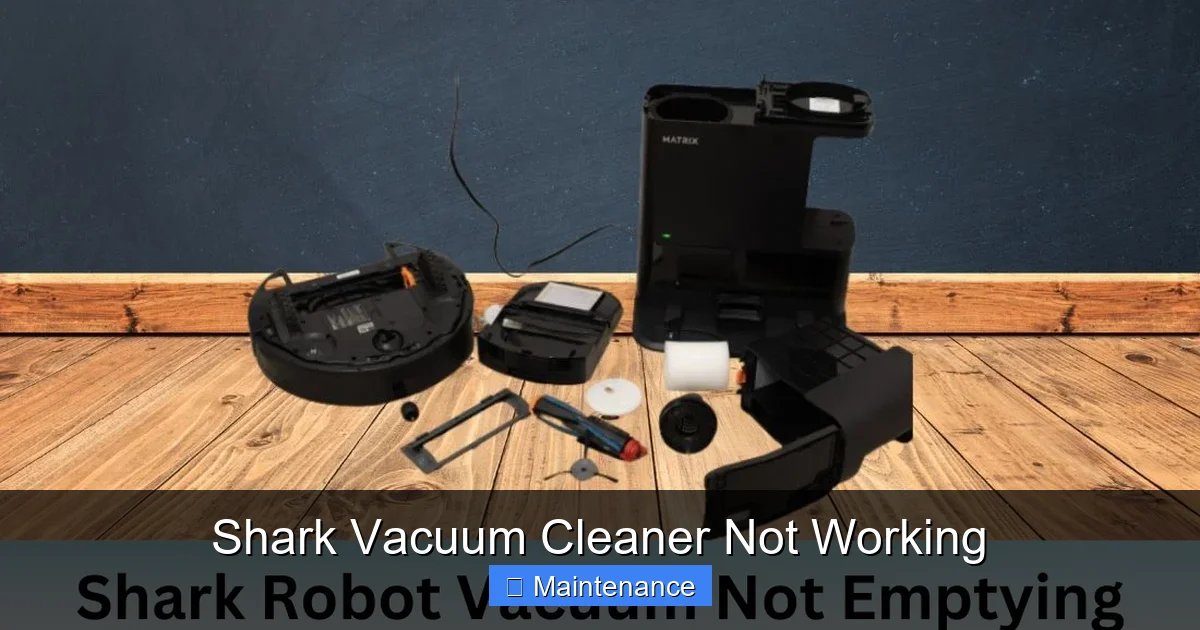
The brush roll (the bar with bristles) is crucial for agitating carpet fibers. If it’s not spinning, your vacuum is essentially just a blower on hard floors. There are a few typical culprits.
Visual guide about Shark Vacuum Cleaner Not Working
Image source: sharkvacuum.blog
Is It Actually Jammed?
Before assuming mechanical failure, ensure it’s not simply jammed. A thoroughly tangled mass of hair or carpet string can lock the brush roll solid. Always unplug the vacuum or remove the battery first. Flip the vacuum over and manually rotate the brush roll by hand. If it doesn’t turn freely, you’ve found the problem. Carefully cut away all debris. Once clean, it should spin easily. If it still doesn’t spin when powered on, move to the next steps.
The Drive Belt (On Belt-Driven Models)
Many Shark uprights use a rubber belt to transfer power from the motor to the brush roll. Over time, this belt can stretch, slip off, or break. To check, you’ll need to remove the bottom plate (usually held by several screws or clips). Once the brush roll is exposed, look for the belt. If it’s missing, broken, or sitting loosely on the motor shaft and brush roll pulley, it needs replacement. Shark sells specific belt kits for each model. Replacing it is a simple DIY job—just loop the new belt over the motor shaft and then stretch it onto the brush roll pulley, ensuring it’s seated properly.
The Tripped Brush Roll Protection Switch
Shark vacuums have a safety feature: a small switch that detects if the brush roll is jammed. If it senses excessive resistance, it automatically shuts off power to the brush roll to protect the motor and belt. This switch can sometimes trip even after you’ve cleared the jam. The solution is often a simple reset. Locate the reset button—it’s usually a small, red button on the underside of the vacuum near the brush roll area. Press it firmly until you feel/ hear a click. This resets the switch and should restore brush roll function.
Strange Noises & Smells: What They Mean & What to Do
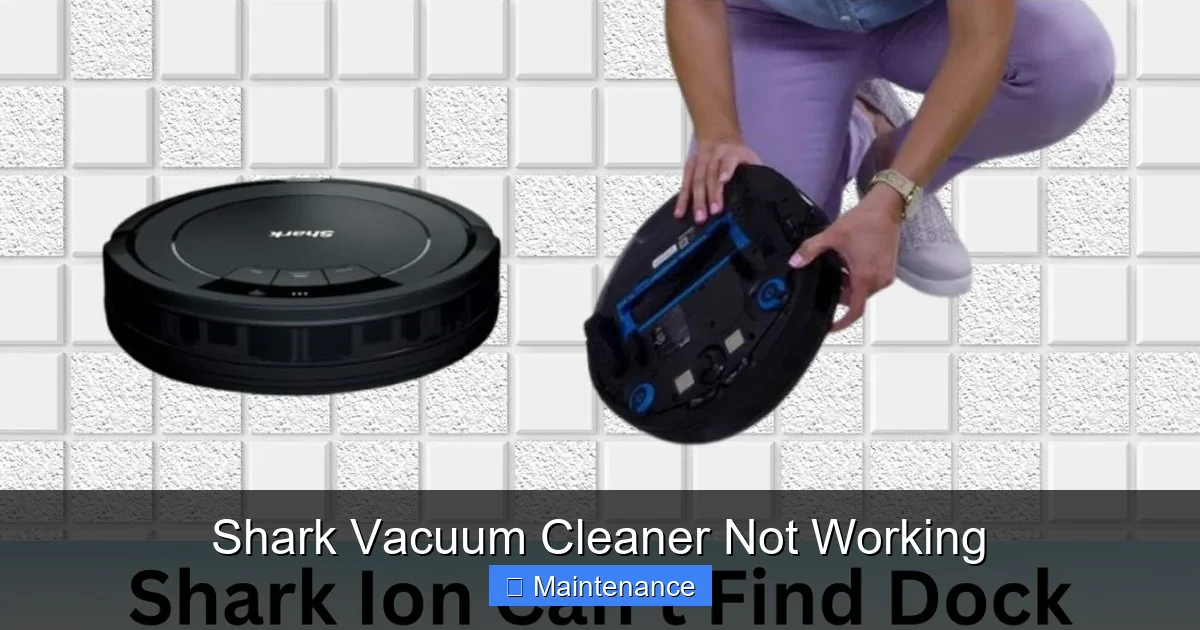
Your Shark is trying to tell you something with its sounds. Paying attention can save you from a catastrophic failure.
Visual guide about Shark Vacuum Cleaner Not Working
Image source: sharkvacuum.blog
High-Pitched Squealing or Whistling
This sound, often getting louder as you use the vacuum, is almost always an airflow restriction. It’s the sound of air being violently sucked through a tiny gap. Revisit the clog diagnosis section. Start with the dust cup and filters, then methodically check the hose and brush roll housing. A small object like a coin or a piece of paper can create a perfect seal around a hose bend, causing this exact noise. Clearing the blockage will usually eliminate the squeal.
Grinding or Guttural Rumbling
A deep grinding noise, especially if it changes pitch when you tilt the vacuum, points to the brush roll itself. Debris like a small stone, Lego piece, or even a broken brush bristle can get caught in the brush roll bearings. Remove the brush roll (consult your manual for removal instructions) and spin it by hand. If it grinds, the bearings are likely shot and the entire brush roll assembly needs replacement. Alternatively, if the noise persists even with the brush roll removed, the main motor bearings may be failing—this is a more serious issue requiring professional repair or motor replacement.
Burning Smell
Stop using the vacuum immediately if you smell burning. This is a critical warning sign. A brief, faint smell when vacuuming a very dirty area might just be dust burning off a hot motor, but a strong, persistent burning smell (like rubber or electrical insulation) means something is overheating or shorting. The most common cause is a jammed brush roll causing the belt to overheat and smolder. Check and clear the brush roll immediately. If the smell persists after clearing jams and checking filters, the motor windings may be failing. Unplug the vacuum and discontinue use. Continuing could cause a fire or complete motor failure.
Essential Shark Vacuum Maintenance: The Best Prevention
The old adage “an ounce of prevention is worth a pound of cure” is 100% true for vacuums. A few minutes of monthly maintenance will prevent 90% of the problems we’ve discussed.
The Monthly Deep Clean Routine
Set a calendar reminder. Once a month, do this: 1) Completely empty the dust cup and wipe it out with a dry cloth. 2) Remove and clean all filters. Wash foam filters in cold water, squeeze dry, and air-dry for 24 hours. Tap out paper filters or replace if they are discolored and clogged. 3) Flip the vacuum over and use the included cleaning tool (or a long, blunt object) to remove any hair or debris wrapped around the brush roll. 4) Check the hose and wand for any obstructions by looking through them. 5) Wipe down the exterior and vacuum ports with a damp cloth.
Seasonal/Deep Maintenance
Every 6-12 months, go further. Remove the bottom plate to fully access the brush roll and belt. Inspect the belt for cracks, glazing, or stretching. Replace it preemptively if it shows wear. Check the brush roll bristles—if they are significantly shorter on one side or have melted spots, replace the brush roll. Vacuum the motor vents and exhaust ports with a soft brush attachment to remove dust buildup that can cause overheating.
Proper Storage for Cordless Models
For battery health, don’t store your cordless Shark on the charger constantly. Shark recommends storing it on the charger only when needed for a trip, or storing it with a 50% charge in a cool, dry place if not used for a month or more. Extreme temperatures (hot garage, freezing basement) degrade battery life rapidly.
When Troubleshooting Fails: Warranty, Repair, or Replace?
You’ve checked the outlet, cleared every clog, cleaned every filter, and even replaced the belt and brush roll, but your Shark vacuum cleaner is still not working. Now what?
Check Your Warranty Status
Shark offers some of the best warranties in the industry, often 5 years for the motor and 1-2 years for parts and labor on new models. Your first step is to locate your proof of purchase and register your product on the Shark Ninja website if you haven’t already. Warranty service typically requires you to ship the vacuum to their service center. If your vacuum is under warranty and the issue is a manufacturing defect (like a failed motor or electronic component), this is your best, cost-free path.
Assess the Cost of Repair
If the vacuum is out of warranty, get a repair estimate. A simple part like a new brush roll or battery might cost $30-$80. However, a failed motor or main electronic board can cost $150-$250 in parts alone, plus labor. Compare this to the cost of a new, comparable Shark model. Often, if the vacuum is more than 5-7 years old, replacement is the more economical and reliable long-term choice.
The Environmental & Cost-Effective Choice
Before you junk it, consider that Shark designs many models for easy part replacement. A new motor or battery can give your vacuum another 3-5 years of life. If you’re handy, many repairs (belt, brush roll, battery) are simple DIY projects. If not, a local appliance repair shop might charge less than the manufacturer’s flat rate. Weigh the repair cost against the original purchase price. If the repair is less than 50% of a new unit’s cost, repair is often justified for sentimental or environmental reasons.
Frequently Asked Questions
Why does my Shark vacuum keep turning off by itself?
This is usually a protective feature. The most common cause is a severe clog causing the motor to overheat. Clear the hose, wand, and brush roll housing completely. On cordless models, it can also indicate a failing battery that can’t hold a charge under load.
My Shark vacuum smells like burning rubber. Is it safe to use?
No, stop using it immediately. A burning rubber smell almost always means the drive belt is overheating because the brush roll is jammed. Clear all debris from the brush roll and housing. If the smell persists after clearing jams, the motor may be failing—unplug and discontinue use.
How often should I replace the filters in my Shark vacuum?
It depends on use. For average household use (2-3 times per week), washable foam pre-motor filters should be cleaned monthly and replaced every 1-2 years. Paper pre-motor filters should be tapped out monthly and replaced when visibly dirty (every 6-12 months). HEPA post-motor filters typically need replacement every 6-12 months.
Why is my Shark’s brush roll not spinning even after I removed all the hair?
After clearing jams, check for a tripped brush roll reset switch (a small red button on the underside). Press it firmly. If that doesn’t work, the drive belt may be broken or slipped off (inspect under the bottom plate). On some models, a broken electrical connection to the brush roll motor could be the issue.
Can I use my Shark vacuum without the filters installed?
You should never operate a vacuum without its filters in place. The filters protect the motor from dust and debris, which can cause immediate and permanent damage. They also ensure the air exhausted from the vacuum is clean. Always ensure all filters are clean, dry (if washable), and properly installed before use.
My cordless Shark vacuum won’t hold a charge. What do I do?
First, ensure the battery contacts on both the vacuum and battery are clean. Let it charge for a full 3-4 hours uninterrupted. If it still drains quickly or dies suddenly, the lithium-ion battery has degraded and needs replacement. Batteries typically last 2-3 years with regular use.