A Shark vacuum canister not spinning is a common issue usually caused by clogs, a worn belt, or a tangled brush roll, not a major breakdown. Most fixes are simple, DIY-friendly tasks you can complete in minutes by checking for blockages, cleaning the brush roll, and inspecting the drive belt. Always unplug your vacuum first and consult your model’s manual for specific instructions. With regular maintenance, you can prevent this problem and keep your Shark vacuum performing optimally for years.
Key Takeaways
- Unplug First: Always disconnect your Shark vacuum from the power source before inspecting or attempting any repairs to ensure safety.
- Clogs Are Prime Suspects: The most frequent cause of a non-spinning brush roll is a blockage in the suction pathway or hose, often from hair, string, or large debris.
- The Brush Roll Needs Cleaning: Hair and fibers wrap around the brush roll bearings and ends, preventing it from spinning freely. Regular cleaning is essential maintenance.
- Check the Drive Belt: A broken, stretched, or slipped drive belt connecting the motor to the brush roll will stop rotation. This is a common wear item.
- Model Variations Matter: Accessing the brush roll and belt differs between Shark models (Navigator, Rotator, Vertex, etc.). Knowing your specific model is key to efficient repair.
- Simple Fixes First: Always start with the easiest, non-invasive checks: clear visible clogs, remove floor head, and manually spin the brush roll before disassembling components.
- Warranty and Professional Help: If your Shark is under warranty or the fix involves motor issues, contacting Shark Customer Care or an authorized service center is the best course of action.
[FEATURED_IMAGE_PLACEHOLDER]
📑 Table of Contents
- Understanding Your Shark Vacuum’s Spinning Mechanism
- Why Is My Shark Vacuum Canister Not Spinning? Common Culprits
- Step-by-Step Troubleshooting Guide
- Model-Specific Considerations and Quirks
- Proactive Maintenance to Prevent Future Issues
- When to Call in the Professionals: Warranty and Repair Options
- Conclusion: Don’t Let a Still Brush Roll Stop You
Understanding Your Shark Vacuum’s Spinning Mechanism
So, you’re pushing your Shark vacuum across the floor, and you notice it’s not picking up like it used to. You look down, and the telltale sign is there: the brush roll—that cylindrical bar with bristles or rubber flaps—is sitting still. Your Shark vacuum canister not spinning is a frustrating but very solvable problem. To fix it, we first need to understand what makes it spin in the first place.
Think of your Shark vacuum’s brush roll as the workhorse for deep carpet cleaning. It’s not just a rolling brush; it’s an agitator that beats dirt and fibers out of the carpet pile. The spinning action is powered by a small but mighty electric motor inside the vacuum’s body. This motor’s power is transferred via a rubber drive belt that loops around a pulley on the motor shaft and a pulley attached to the brush roll. When the vacuum is on and the brush roll switch is engaged, the motor turns, the belt moves, and the brush roll spins rapidly. If any link in this chain—the motor, the belt, the brush roll itself, or even the electrical switch—fails, the rotation stops.
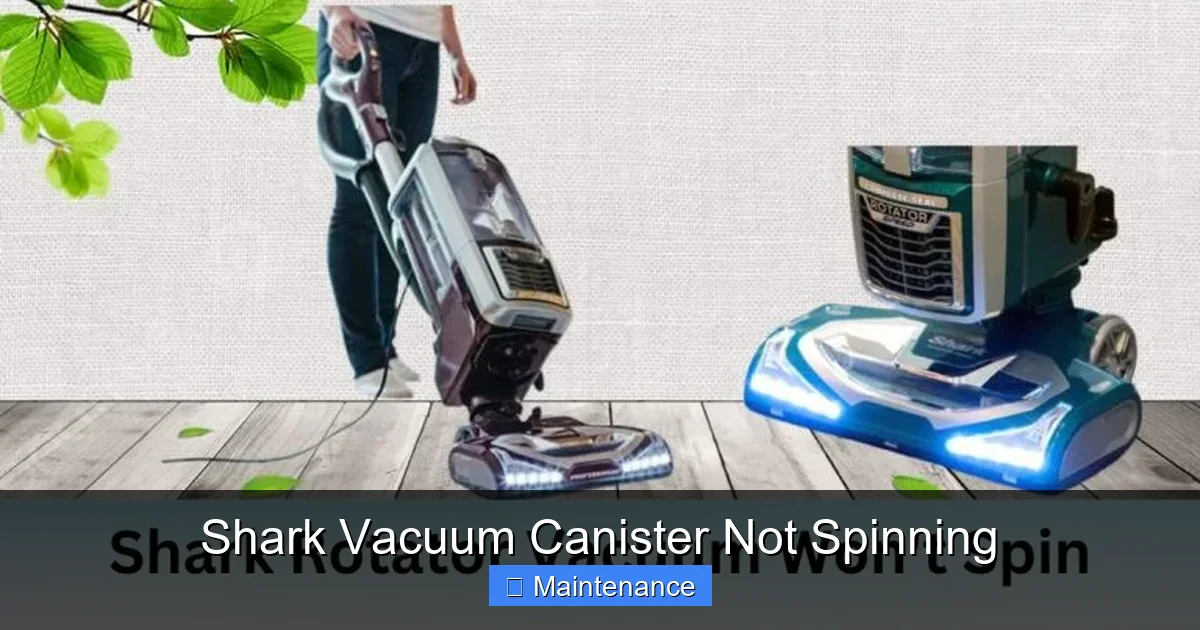
Many Shark models, especially the popular Navigator and Rotator lines, use a “canister” style where the main body (the canister) sits on the floor with a hose and wand attached. The brush roll is housed in the floor head or nozzle attachment. When we say “Shark vacuum canister not spinning,” we’re almost always referring to the brush roll in the floor head not rotating. The canister’s wheels might spin, but that’s a separate issue. The core problem lies within the cleaning head’s drive system. Recognizing this helps you target your troubleshooting efforts on the right components.
The Role of the Agitator vs. The Brush Roll
Shark often uses the term “agitator” for its brush roll systems, especially in upright models. It’s the same concept: a rotating cylinder. Some models, like certain Shark Vertex versions, use a “self-cleaning” brush roll with rubber flaps instead of bristles. This design is specifically engineered to resist hair wrap, a major cause of jams. Knowing what type of brush roll your model has is your first clue. Bristle brushes are more prone to hair and fiber accumulation, while rubber flap designs still collect debris but are easier to clean. If you have a bristle brush roll and your Shark vacuum canister not spinning, hair entanglement is the overwhelming favorite for the cause.
Why Is My Shark Vacuum Canister Not Spinning? Common Culprits
When faced with a stationary brush roll, don’t panic. The culprit is usually one of a handful of common, fixable issues. Let’s play detective and go through the most likely suspects, starting with the simplest and most frequent.
Visual guide about Shark Vacuum Canister Not Spinning
Image source: sharkvacuum.blog
1. The Usual Suspect: Clogs and Blockages
A clog is the number one reason for a Shark vacuum canister not spinning. But it’s not always where you think. While a clogged hose will kill suction, it can also create so much back-pressure that it stalls the brush roll motor or prevents the belt from turning efficiently. The most critical places to check are:
- The Floor Head Nozzle: Look directly into the opening where the brush roll sits. Is there a mat of hair, carpet fiber, or a large object (like a sock or small toy) blocking the intake? This is the most direct cause.
- The Wand and Hose Connections: Detach the wand from the canister and the floor head. Shine a flashlight through both ends. A long strand of hair or a buildup of debris can create a solid plug.
- The Canister’s Internal Filter Housing: On many Shark canisters, the path from the hose to the motor passes through the filter area. If the foam filter or pleated filter is saturated with fine dust and debris, it can restrict airflow severely enough to affect brush roll performance.
The classic symptom of a clog is that the vacuum still has suction at the hose end (you can feel it on your hand), but the brush roll won’t turn. The motor is trying to spin the brush roll against a blocked system and either slips the belt or the motor’s safety thermal cut-off trips.
2. The Tangled Culprit: Brush Roll Jam
This is the visual, obvious problem. Hair, string, thread, and carpet fibers wrap around the brush roll’s ends (the bearings) and between the bristles/flaps. As this mass builds up, it creates immense friction, eventually stopping the brush roll dead. You’ll often hear a high-pitched squealing or smell rubber burning if the belt is trying to turn a jammed brush roll. This is especially true for Shark models with bristled brush rolls. Even rubber flap rolls can get debris packed in their crevices. A jammed brush roll is a primary reason your Shark vacuum canister not spinning.
3. The Silent Failure: Drive Belt Issues
The drive belt is a consumable part. Over time, it can:
- Break: It snaps completely. This is obvious upon inspection.
- Stretch: It becomes loose and slips off the pulleys or slips on them without turning the brush roll.
- Become Misaligned: It can jump off a pulley, especially if a brush roll jam suddenly stopped it.
- Wear Smooth: It loses its grippy texture and can’t transmit the motor’s power.
A broken or slipped belt is a classic fix. On many Shark canisters, you can often see the belt through an inspection window on the bottom of the floor head. If it’s not moving when the vacuum is on (and you’ve cleared obvious jams), the belt is faulty.
4. The Electrical Glitch: Motor or Switch Failure
Less common, but possible. The brush roll motor is a separate, smaller motor from the main suction motor. It can burn out. The switch that controls the brush roll (often a separate button on the handle or canister) can fail. If you’ve ruled out clogs, jams, and belt issues, the problem could be electrical. A sign of a burned-out motor is a distinct electrical smell or a complete lack of any sound from the brush roll area, even if the main vacuum motor is humming.
5. The Model-Specific Quirk: Shark’s “No-Tool” Design
Many Shark vacuums pride themselves on tool-free maintenance. However, the mechanism that holds the brush roll in place—a clip, a lever, or a twist-lock—can sometimes break, become misaligned, or be reinserted incorrectly after cleaning. If the brush roll isn’t seated properly in its housing, it won’t connect with the drive belt or the motor pulley, resulting in a Shark vacuum canister not spinning despite everything else being fine.
Step-by-Step Troubleshooting Guide
Alright, detective time. We’ve identified the suspects. Now, let’s go through a logical, safe sequence to identify and fix the problem. Remember: ALWAYS UNPLUG YOUR VACUUM BEFORE TOUCHING ANY INTERNAL PARTS.
Visual guide about Shark Vacuum Canister Not Spinning
Image source: wikihow.com
Step 1: The Quick Visual and Tactile Inspection
Don’t grab a screwdriver yet. Start with your eyes and fingers.
- Check the floor head: Flip the vacuum over. Look directly into the brush roll chamber. Is there an obvious ball of hair or debris? Can you see the brush roll clearly? Try to spin it by hand. Does it move freely, or is it stiff? If it’s stiff, you have a jam.
- Listen and Smell: Plug the vacuum in (briefly, for this test only, with the floor head off the ground). Turn it on and press the brush roll on/off button. Do you hear a high-pitched squeal or a grinding noise? Do you smell burning rubber? These point to a belt trying to turn a jammed brush roll or a belt issue itself.
- Check the belt window: Many Shark floor heads have a clear plastic window on the underside. While the vacuum is running (floor head held off the ground), look through it. Can you see the belt moving? If it’s stationary, the belt is broken, slipped, or the brush roll is jammed solid.
Step 2: Attack the Jam – Cleaning the Brush Roll
If the brush roll is jammed, this is your most likely fix. Here’s how to do it right for any Shark model:
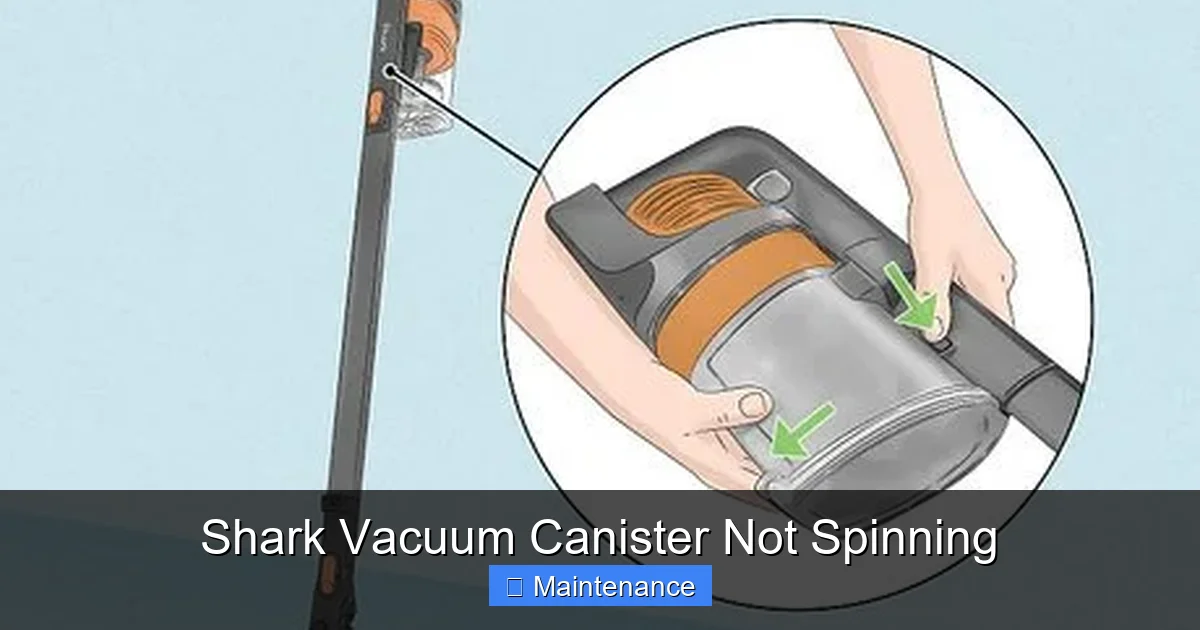
- Remove the Floor Head: On most Shark canisters, you press a release button on the wand connection to detach the floor head.
- Lay it Flat: Place the floor head on a surface with the brush roll facing up.
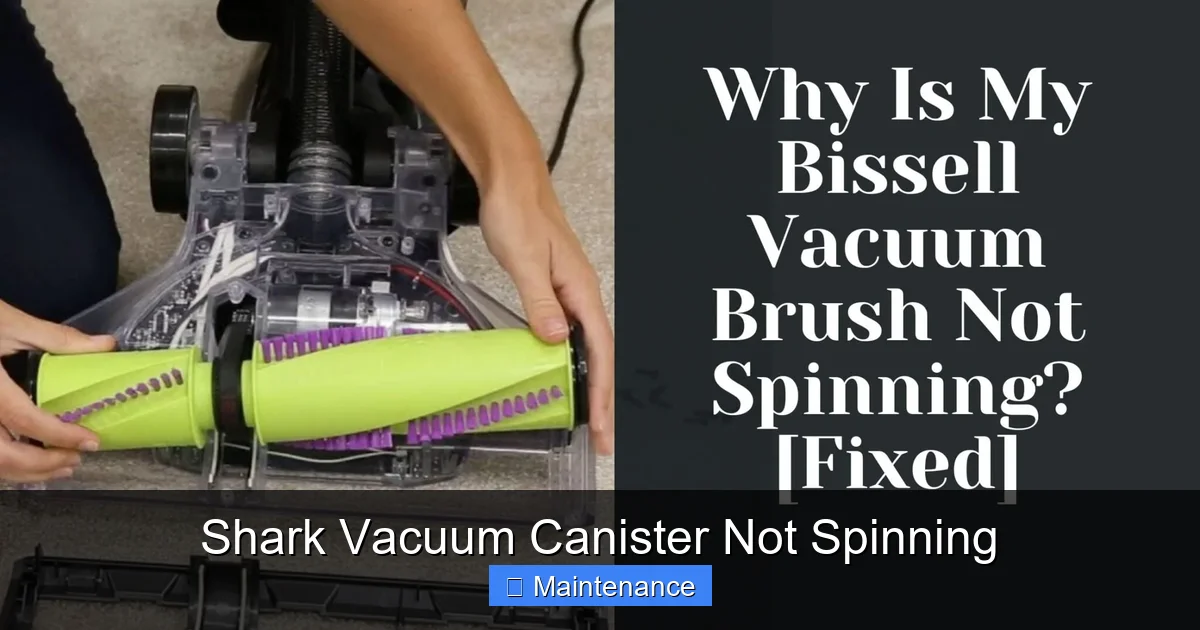
- Release the Brush Roll: Look for the end caps. There is usually a clip, a twist-lock ring, or a lever. For clip-style, pry the clip open with a flathead screwdriver (gently). For twist-lock, turn it counter-clockwise. The brush roll will then drop out or you can pull it straight down.
- De-hair the Brush Roll: This is the messy part. Use a seam ripper, a dedicated brush cleaning tool, or a pair of scissors. Carefully cut and pull away all the wrapped hair and fibers. Pay special attention to the areas right next to the bearings (the plastic ends). Clean out any debris from the brush roll housing cavity as well.
- Lubricate (Optional but Helpful): Once clean, put a drop of light machine oil (like 3-in-1 oil) on each bearing where the metal axle meets the plastic end cap. This helps it spin freely. Do not use WD-40; it’s a degreaser and will dry out the bearings.
- Reinstall: Slide the brush roll back in, ensuring the end caps fit snugly into their slots. Re-engage the clip or twist-lock. Give it a spin by hand—it should rotate smoothly and freely for several seconds.
Reattach the floor head, plug in the vacuum, and test. If your Shark vacuum canister not spinning issue is solved, you’ve nailed it!
Step 3: Inspect and Replace the Drive Belt
If the brush roll is clean and spins freely, or if you saw the belt wasn’t moving in the window, the belt is next.
- Access the Belt: With the floor head detached and the brush roll removed (as per Step 2), you’ll see the belt either sitting on the motor pulley or lying in the housing. On most Sharks, you don’t need tools to access it once the brush roll is out.
- Examine It: Look for cracks, fraying, glazing (a shiny, hardened surface), or obvious stretching. Try to stretch it gently. If it feels loose and elastic, it’s stretched and needs replacement.
- Check Pulleys: Spin the motor pulley (the small wheel connected to the motor) by hand. It should turn smoothly. If it’s seized, the motor may be the problem.
- Replace if Needed: Drive belts are inexpensive and universal for many Shark models. Note your model number (on the back of the canister) and get the correct replacement (e.g., Shark NV350, NV356, etc. belts are common). To install, stretch the new belt over the motor pulley first, then hook it onto the brush roll pulley and rotate the brush roll to seat the belt fully.
Step 4: The Deep Dive – Checking for Hidden Clogs
If the brush roll and belt are perfect but it still won’t spin, a hidden clog is restricting airflow. This is less common but happens.
- Hose and Wand: Detach the hose from both the canister and the floor head. Use a broom handle or a long, flexible coat hanger (bend the end into a hook) to gently feed through the hose and wand, dislodging any compacted debris.
- Canister Filter Housing: Open the filter compartment. Remove the foam pre-motor filter and the pleated HEPA filter. Look into the cavity where they sit. Is there a pile of fine dust blocking the air passage to the motor? Clean this area thoroughly with a vacuum crevice tool or a damp cloth. Let filters dry completely before reinserting (unless they are washable).
- Exhaust Filter: Check the exhaust filter on the back of the canister. A severely clogged exhaust filter can create system-wide back-pressure.
Step 5: Test the Switch and Motor (Advanced)
If all mechanical parts are good, the fault is electrical.
- Brush Roll Switch: Listen closely. When you press the brush roll on/off button, do you hear a faint click? That’s the switch engaging. No click could mean a faulty switch. These can be replaced, but it requires disassembling the handle or canister body.
- Brush Roll Motor: With everything re-assembled but the floor head detached, turn the vacuum on with the brush roll button pressed. Listen near the canister’s brush roll port (where the hose connects). You should hear a high-pitched whirring sound from the small brush motor. No sound could mean a dead motor. Testing the motor for continuity with a multimeter is the definitive test, but for most users, this signals the need for professional repair or a new vacuum if out of warranty.
Model-Specific Considerations and Quirks
While the core troubleshooting is the same, Shark has made design changes over the years. Knowing your model’s quirks can save you time and frustration.
Visual guide about Shark Vacuum Canister Not Spinning
Image source: vacuupedia.net
Shark Navigator Series (NV300, NV350, NV356, etc.)
These are the classic “lift-away” canisters. The brush roll in the standard floor head is held by two plastic clips on the ends. Prying these clips open with a flathead screwdriver is standard. The drive belt is easily visible once the brush roll is out. A very common issue is the plastic clip on one end breaking. If the brush roll won’t stay in, check if a clip is fractured. Shark sells replacement clip kits. Also, the “Pet Pro” versions often have a rubber-tipped brush roll that is slightly less prone to hair wrap but still needs regular cleaning.
Shark Rotator Series (NV500, NV650, etc.)
The Rotator’s swivel neck can sometimes be a point of failure. The belt can get pinched or misrouted if the neck is twisted unnaturally during use or storage. When reinstalling the brush roll, ensure it’s seated correctly in the rotator joint housing. Some Rotator models have a “self-cleaning” brush roll with a rubber squeegee bar instead of bristles. The cleaning process is similar, but you must clear debris from the grooves in the rubber.
Shark Vertex Series (AZ6002, AZ6003, etc.)
The Vertex is known for its “DuoClean” technology with two rubber rollers. If your Shark vacuum canister not spinning and you have a Vertex, you likely have two rollers to check. The front roller is the main brush roll. The rear roller is a silicone-tipped roller that helps with polishing. Both can jam with hair. The release mechanism is usually a large twist-lock ring on one end, which is very tool-free friendly. Ensure both rollers spin freely. The drive belt system can be slightly different, so consult your manual.
Shark IZ Series (IZ400, etc.)
The IZ is a stick vacuum with a powered floor head. The brush roll is much smaller and often has a different belt system, sometimes a timing belt or a more enclosed drive. Access might require removing screws from the underside of the floor head. The principles are the same: clear jams, check belt, but the disassembly steps differ. Model-specific manuals are crucial here.
Proactive Maintenance to Prevent Future Issues
An ounce of prevention is worth a pound of cure. A few minutes of regular maintenance will drastically reduce the chances of your Shark vacuum canister not spinning.
Make a Habit of Cleaning the Brush Roll
Every 2-3 uses, especially if you have pets or long hair, flip the vacuum over and use the provided cleaning tool or a pair of scissors to cut away any visible hair wrapped around the brush roll ends. Don’t wait for it to jam completely. A quick 60-second de-hairing session after vacuuming is the single best habit you can form.
Clear the Floor Head Weekly
Once a week, remove the brush roll (it’s quick once you know the clip) and give the entire housing a thorough cleaning. Vacuum out any dust bunnies, carpet fibers, and grit that accumulate in the bottom. Wipe the rubber seals and the inside with a damp cloth. This prevents small debris from working its way into the bearings or motor port.
Mind Your Filters
Clogged filters are a systemic problem. Wash the foam pre-motor filter monthly with cold water (let dry 24 hours). Replace the pleated filter every 3-6 months depending on use. A clean filter system ensures optimal airflow, which takes strain off the brush roll motor and belt.
Inspect the Belt During Brush Roll Cleaning
Every time you remove the brush roll for cleaning, give the belt a quick look and feel. Is it cracked? Is it loose on the pulleys? Does it have a glazed appearance? Catching a worn belt early prevents a sudden break and a non-spinning brush roll mid-clean.
Vacuum Smartly
Avoid running your Shark over large, hard objects (legos, coins, sharp stones) that can damage the brush roll bristles or bend the axle. Be extra cautious with very long, silky hair or synthetic fibers—they are the worst for wrapping. If you’re vacuuming a area rug with a long fringe, consider using the upholstery tool instead of the main floor head.
When to Call in the Professionals: Warranty and Repair Options
You’ve followed all the steps. The brush roll is clean, the belt is new, there are no clogs, but your Shark vacuum canister not spinning problem persists. Now what?
Assess the Likely Culprit: The Motor
If you’ve eliminated the belt, jam, and clog, the small brush roll motor is the most probable failure point. These motors can burn out from sustained strain (like trying to turn a jammed brush roll) or simply from age and use. Replacing it is a more involved repair, requiring disassembly of the floor head or canister body and soldering or precise connector work.
Check Your Warranty Status Immediately
SharkNinja offers limited warranties on their vacuums, typically 5-7 years for the motor and 1-3 years for parts. Do not disassemble the vacuum beyond what’s needed for basic maintenance if it is still under warranty. Opening the main canister body or motor housing can void the warranty. Your first call should be to Shark Customer Care. Explain the issue: “My [Model Number] has a brush roll that won’t spin. I’ve cleaned the brush roll and checked the belt.” They can often diagnose over the phone and, if under warranty, will provide a free replacement part (like a motor or belt) and instructions, or arrange for an authorized service center. Have your model number and proof of purchase ready.
Weighing Repair vs. Replacement
If your Shark is out of warranty, get a quote for a brush roll motor replacement from an authorized service center. A motor part might cost $30-$60, but labor will add to it. Compare this to the cost of a new Shark vacuum. Given their generally affordable price point, if the repair cost is more than 50% of a new comparable model, replacement is often the more sensible economic choice. However, if you love your Shark and it’s otherwise in great shape, a motor repair can give it new life.
The Final Option: Recycling
If you decide to replace it, don’t just trash the old one. SharkNinja has a recycling program, or you can check with local electronics recyclers. The motor, hose, and canister body contain recyclable materials and metals.
Conclusion: Don’t Let a Still Brush Roll Stop You
A Shark vacuum canister not spinning is almost always a manageable problem. It’s rarely a sign of a completely dead machine. More often, it’s a cry for help from a tangled brush roll, a tired belt, or a hidden clog. By arming yourself with a systematic approach—unplug, inspect visually, clean the brush roll, check the belt, and hunt for clogs—you can diagnose and fix the issue in under 15 minutes in most cases. Remember that regular, proactive maintenance is your greatest ally. A quick hair-clearing session after each use and monthly filter washes will keep your Shark performing powerfully for years. Treat your vacuum with care, and it will return the favor with spotless carpets and effortless cleaning. If you do hit a wall, your model’s manual and Shark’s customer support are invaluable resources. Now, go conquer that jam and get back to enjoying a truly clean home.
Frequently Asked Questions
Why is my Shark vacuum’s brush roll not spinning but the suction seems fine?
This typically points to a localized problem with the brush roll drive system, not the main suction motor. The most common causes are a jammed brush roll from hair wrap, a broken or slipped drive belt, or a clog specifically in the floor head intake that creates back-pressure. Start by removing the floor head and checking if you can spin the brush roll by hand.
How do I know if my Shark vacuum’s drive belt is broken?
First, unplug the vacuum. Remove the brush roll from the floor head. A broken belt will either be snapped in two or missing entirely. A worn belt may look stretched, cracked, or glazed (shiny). You can also check the belt inspection window on the underside of many Shark floor heads while the vacuum is running (held off the ground)—if the belt isn’t moving, it’s likely faulty or the brush roll is jammed solid.
Is it worth repairing a Shark vacuum with a non-spinning brush roll?
Often, yes. The most common fixes—cleaning a jammed brush roll or replacing a $10-$20 drive belt—are very inexpensive and DIY-friendly. If the brush roll motor itself is burned out, compare the repair cost (part + labor) to the price of a new Shark. Since Shark vacuums are moderately priced, if the repair is more than half the cost of a new unit, replacement may be more economical. Always check your warranty first.
Can I use any replacement belt for my Shark vacuum?
No. While some Shark models share belt part numbers, many do not. Using an incorrect belt (wrong length, width, or thickness) can cause poor performance, slippage, or even damage. The safest method is to find your exact model number (on the back of the canister) and search for the specific Shark replacement belt for that model (e.g., “Shark NV356 belt”). Universal belts are sometimes available but verify compatibility carefully.
My brush roll spins freely when I remove it, but stops when I reinstall it. Why?
This indicates the issue is not a jam. The problem is likely the drive belt. When reinstalled, the belt is either not properly seated on both the motor pulley and the brush roll pulley, it has slipped off, or it is broken/stretched. Double-check that the belt is correctly looped around both pulleys and that the brush roll is seated fully in its housing so the pulleys are aligned.
How often should I clean my Shark vacuum’s brush roll to prevent it from not spinning?
For best results, especially in homes with pets, long hair, or lots of carpet, you should visually inspect and de-hair the brush roll after every 2-3 uses. This quick 60-second task prevents hair from building up into a solid, jam-causing mat. A more thorough removal and full cleaning of the brush roll and housing should be done at least once a month.