Is your Shark IF205 vacuum’s brush roll suddenly stopped spinning? This is a very common issue, usually caused by a hair or fiber wrap jamming the brush or a broken/loose drive belt. The good news is that it’s often a straightforward DIY fix you can handle at home with basic tools. This guide walks you through the exact, safe steps to diagnose the problem, clear blockages, inspect and replace the belt, and perform preventative maintenance to keep your Shark IF205’s brush roll spinning effectively for years. You don’t always need a professional.
Let’s be honest. There’s nothing more frustrating than grabbing your trusty Shark IF205 upright vacuum, plugging it in, and hearing that familiar, powerful motor roar… only to notice that the brush roll at the bottom has gone completely still. The suction might be strong, but without that agitating brush spinning, your vacuum is just pushing dirt around on carpets and struggling on hard floors. You’re left wondering, “Why is my Shark IF205 brush not spinning?” Before you panic and call for an expensive service call, take a deep breath. This is one of the most common issues with all upright vacuums, including the popular Shark IF205 series, and it’s almost always something you can diagnose and fix yourself in under 30 minutes with a few simple tools. This comprehensive guide will turn you from a frustrated user into a confident at-home repair technician.
The core of the problem is simple mechanics. Your Shark IF205’s brush roll doesn’t have its own motor. Instead, a small but crucial rubber drive belt connects the main vacuum motor shaft to a pulley on the brush roll. When the motor spins, the belt turns the brush. Something in that system has failed. It could be a physical blockage stopping the brush from turning, a broken link in the power chain (the belt), or even a seized bearing on the brush roll itself. Our job is to methodically check each point in that chain to find the weak link. We’ll start with the easiest and most common fix and work our way through to the more complex possibilities. Remember, knowledge is power—and in this case, it’s the power to get your brush spinning again.
Key Takeaways
- Safety First: Always disconnect the vacuum from the wall outlet before attempting any inspection or repair to prevent injury.
- Hair Wrap is the Prime Suspect: The most frequent cause of a non-spinning brush roll is a tight wrap of hair, string, or carpet fibers around the bristles and bearings.
- The Belt is Critical: A broken, stretched, or slipped drive belt is the second most common culprit, directly connecting motor power to the brush roll.
- Systematic Diagnosis: Always check for obstructions first, then inspect the belt, and finally examine the brush roll bearings and motor coupling.
- Preventative Cleaning is Key: Regularly checking and cleaning the brush roll after every few uses prevents the majority of “brush not spinning” problems.
- Part Compatibility Matters: When replacing parts like the belt or brush roll, ensure you use the exact Shark IF205 model part numbers for a proper fit and function.
📑 Table of Contents
- Understanding the Shark IF205 Brush Roll System
- Diagnosing the “Brush Not Spinning” Problem: A Step-by-Step Guide
- Performing the Repair: Clearing Jams and Replacing the Belt
- When the Problem is Deeper: Brush Roll Bearings and Motor Coupling
- Preventative Maintenance: Keeping Your IF205 Brush Spinning
- Conclusion: You’ve Got This!
Understanding the Shark IF205 Brush Roll System
Before we start unscrewing things, it helps to understand the key components and how they work together. Think of your vacuum’s brush roll system as a simple bicycle wheel, but powered by a motor via a belt.
The Brush Roll Assembly
The brush roll itself is a cylindrical roller with stiff bristles (often a mix of nylon and rubber) that agitate carpet fibers to loosen embedded dirt. At each end, it has a plastic cap that houses a bearing. These bearings allow the brush to spin freely on its axle. If hair and debris get wrapped around the axle and into these bearings, they can seize up, creating immense friction that stops the brush from spinning and can even burn out the belt or strain the motor.
The Drive Belt
This is the most common point of failure. The Shark IF205 typically uses a flat, rubber, serpentine-style belt (part number often starts with 112-… or similar). It’s a single, continuous loop that rides on two pulleys: one on the motor shaft (inside the vacuum body) and one on the brush roll pulley (on the brush roll itself). Over time, this belt can stretch, develop cracks, glaze over (become smooth and slippery), or even snap completely. A slipped belt (jumped off a pulley) will also cause the brush to stop.
The Power Transfer Path
The complete path is: Wall Outlet → Vacuum Motor → Motor Pulley → Drive Belt → Brush Roll Pulley → Brush Roll Bearings → Spinning Brush Bristles. A break anywhere along this path—a clogged bearing, a broken belt, a loose pulley—results in a stationary brush. Our diagnostic process will trace this path from the brush back to the motor.
Diagnosing the “Brush Not Spinning” Problem: A Step-by-Step Guide
Diagnosis is 80% of the repair. Ripping the vacuum apart without a plan can lead to frustration. Follow this logical sequence.
Visual guide about Shark If205 Brush Not Spinning
Image source: howtofixit.net
Step 1: The Visual and Physical Check (Easiest Fix First)
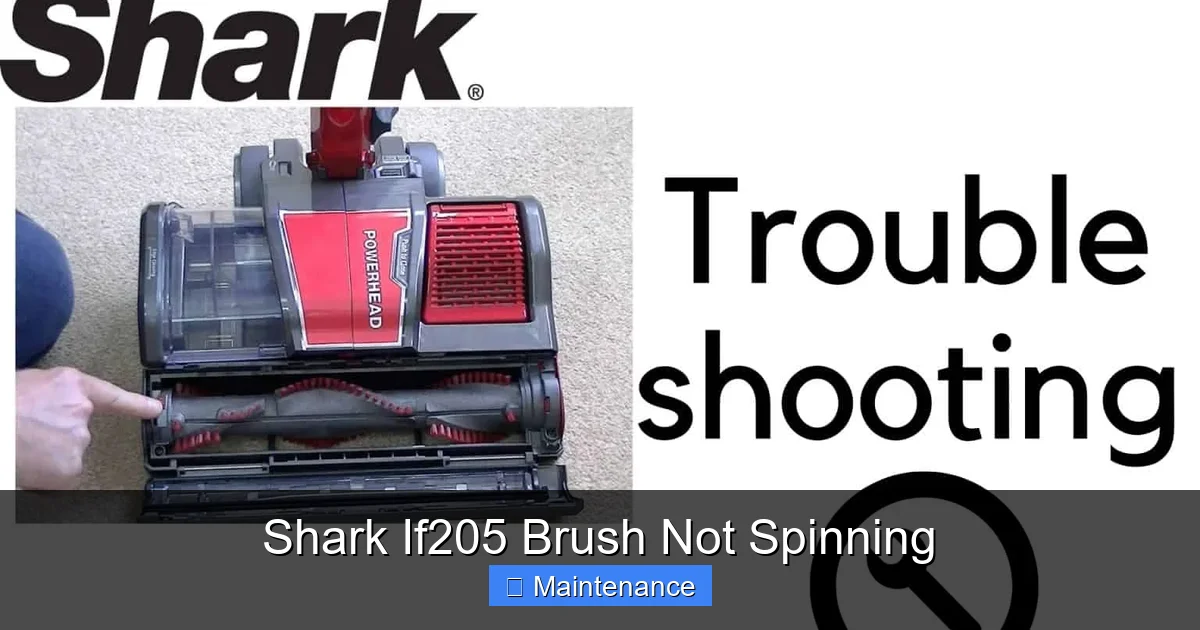
Flip your Shark IF205 onto its back so you can see the brush roll housing. Always unplug the vacuum first. Look at the brush roll through the opening. Can you see it clearly, or is it matted with hair and carpet fibers? Use a pair of scissors or a seam ripper to carefully cut away any visible hair wraps. Now, try to spin the brush roll by hand. Does it turn freely with little resistance, or is it stiff, gritty, or completely locked? If it’s stiff, the bearings are jammed. If it spins freely, the problem is likely the belt or its connection. This simple test tells you immediately where to focus.
Step 2: Accessing the Brush Roll Housing
The Shark IF205 is designed for easy user access. On the underside of the vacuum head, you’ll typically find two or four red release levers or screws. For models with levers, simply push them in and pull the bottom plastic housing (the ” soleplate”) away from the vacuum body. For models with screws, use a Phillips-head screwdriver to remove them. Keep these screws in a safe place! Once the soleplate is off, you have full, unobstructed access to the brush roll, belt, and pulleys. This is your workspace.
Step 3: Inspecting the Drive Belt
Once the soleplate is off, the belt is usually immediately visible, stretched between the motor pulley (often towards the rear of the vacuum) and the brush roll pulley. Here’s what you’re looking for:
- Is it there? Is the belt completely missing? It may have snapped and fallen into the housing.
- Is it intact? Look for any visible breaks, cracks, or areas that are glazed and shiny.
- Is it on the pulleys? Is it sitting properly on both the motor pulley and the brush roll pulley, or has it jumped off one? A slipped belt often looks like a loose loop.
- Tension: Press on the belt. It should have some give but not be excessively loose. A stretched belt will be floppy.
If the belt is broken, glazed, or excessively stretched, it needs replacement. This is a $5-$10 part and a 5-minute job.
Step 4: Checking the Brush Roll and Bearings
Remove the brush roll from the vacuum. On each end, you’ll see a plastic cap. These caps usually snap off or are held by a small clip. Gently pry them off with a flathead screwdriver. Once off, you can see the bearing inside. Spin the metal axle of the brush roll by hand. Does it spin smoothly and silently? Or does it grind, feel gritty, or not spin at all? If it’s not smooth, the bearing is packed with debris or has failed. You can try to clean it out with a cotton swab and rubbing alcohol, but often the entire brush roll assembly needs to be replaced if the bearing is damaged. Also, inspect the bristles themselves. Are they heavily matted or broken off? Worn bristles reduce cleaning performance even if the brush spins.
Performing the Repair: Clearing Jams and Replacing the Belt
Now that we’ve diagnosed, let’s fix the most common issues.
Visual guide about Shark If205 Brush Not Spinning
Image source: homekitchtech.com
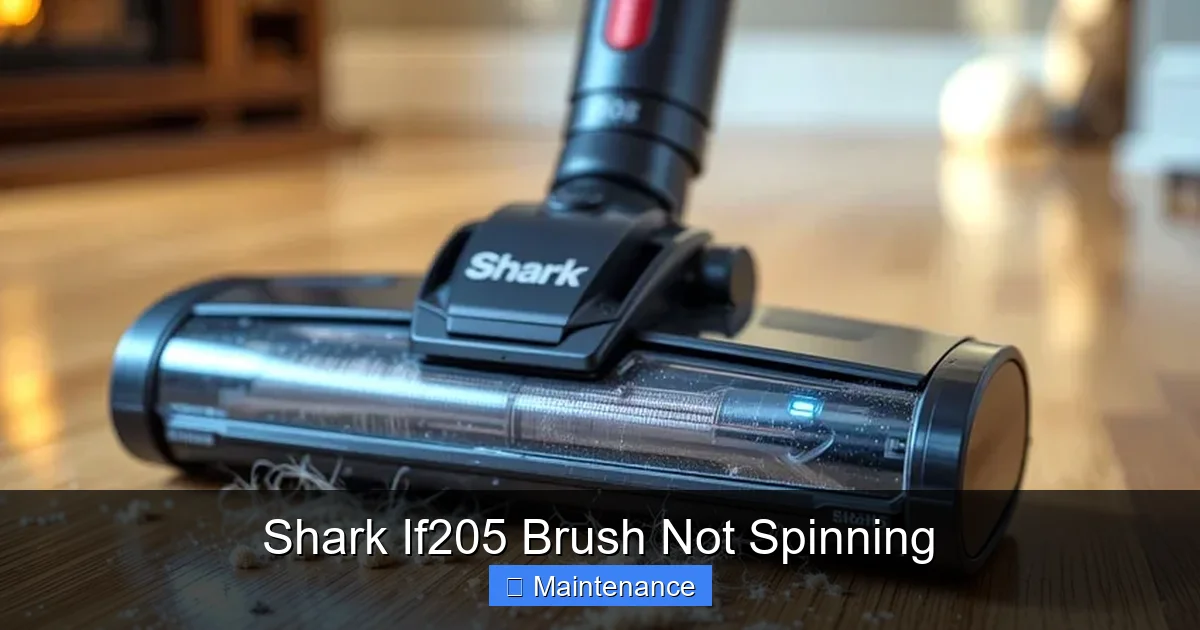
How to Properly Clean a Hair-Wrapped Brush Roll
This is the #1 fix. Don’t just pull at the hair; you’ll make it tighter. Use the right tools:
- Scissors/Seam Ripper: Cut the hair wrap lengthwise along the brush roll. This releases the tension immediately.
- Old Comb or Brush: After cutting, use a wide-tooth comb or an old hairbrush to rake the cut hair out from between the bristles.
- Bearings: Pay special attention to the area where the brush axle enters each bearing cap. This is the hair trap. Pick out every last fiber with tweezers or a pointed tool.
- Reassemble Test: Once completely clean, spin the brush roll by hand. It should whir smoothly. Reinstall it in the vacuum (without the soleplate for now), plug in the vacuum, and turn it on for a second (be careful!). The brush should now spin freely. If it does, reattach the soleplate.
Replacing the Shark IF205 Drive Belt: A Detailed Walkthrough
If the belt is the problem, here’s how to install a new one correctly:
- Remove the Old Belt: Stretch it off the motor pulley first, then slide it off the brush roll pulley.
- Locate the Pulleys: The motor pulley is usually smaller and made of hard plastic, attached to the motor shaft inside the vacuum body. The brush roll pulley is the larger, often white plastic gear on one end of the brush roll.
- Stretch and Hook: Take your new belt (confirm it’s the correct part number for your exact IF205 model). Hook one side onto the brush roll pulley first. It’s easiest to put the belt partially on the brush roll, then manually rotate the brush roll to help feed the belt on. Once the belt is on the brush roll pulley, stretch it over to the motor pulley. You will need to flex the belt to get it over the motor pulley’s edge. It should snap into the groove on the motor pulley.
- Check Alignment: The belt should sit squarely in the groove of both pulleys, not twisted. Rotate the brush roll by hand a full turn. The belt should track smoothly without popping off.
- Reassembly: Slide the brush roll back into its housing, ensuring the belt is not pinched. Reattach the soleplate securely.
Pro Tip: When buying a new belt, consider getting a reinforced or premium version. They are made with stronger materials and often last significantly longer than the original equipment belt, saving you future hassle.
When the Problem is Deeper: Brush Roll Bearings and Motor Coupling
If you’ve cleaned the brush roll perfectly, replaced the belt, and it still won’t spin, the issue is further down the line.
Seized Brush Roll Bearings
Even after cleaning, the metal bearings inside the plastic caps can corrode or wear out. If the brush roll axle does not spin freely on its own (outside the vacuum), the bearings are the problem. On some models, you can replace just the bearing. However, for the Shark IF205, it’s often more cost-effective and reliable to replace the entire brush roll assembly (part number typically 112-…). A new brush roll comes with new bearings and bristles, guaranteeing a smooth spin.
Inspecting the Motor Pulley and Coupling
The motor shaft itself has a small plastic pulley or coupling that the belt rides on. With the brush roll and belt removed, look at this motor pulley.
- Is it cracked, broken, or wobbly? A broken motor pulley won’t transfer power.
- Is there a buildup of melted plastic or gunk on it? This can happen if a jammed brush roll caused the belt to slip and overheat, melting debris onto the pulley. Clean it carefully with a plastic scraper and isopropyl alcohol.
- Does the motor shaft itself spin freely when you turn it by hand (with the vacuum unplugged)? If the motor shaft is stiff or makes grinding noises, the motor bearings may be failing. This is a more serious and expensive repair, often signaling it’s time for a new vacuum, depending on its age and value.
Preventative Maintenance: Keeping Your IF205 Brush Spinning
An ounce of prevention is worth a pound of cure. A few minutes of regular care will save you from this problem altogether.
The Post-Use Hair Removal Ritual
Make this a habit. Every 2-3 uses, especially if you have pets or long hair:
- Flip the vacuum over and remove the soleplate.
- Use scissors to cut any hair wraps on the brush roll before they get tight.
- Pick out debris from the bearing caps and around the pulley areas.
- Wipe the belt and pulleys with a dry cloth to remove dust and hair.
- This takes less than 60 seconds and is the single best thing you can do.
Deep Cleaning Every 3-6 Months
Give your vacuum a spa day. Fully disassemble the brush roll housing. Wash the brush roll itself with warm, soapy water (let it dry completely for 24 hours before reusing). Clean all plastic parts and pulleys. Inspect the belt for wear and consider replacing it proactively during this deep clean. Check the suction path all the way to the bin for clogs—a clog can reduce overall power and sometimes affect brush performance in certain models.
Using the Right Settings
Your Shark IF205 likely has a brush roll on/off switch. Always turn the brush roll OFF when vacuuming hard floors or small rugs. Running the brush on hard floors does nothing but kick debris around and unnecessarily wears the brush and belt. Only engage the brush for carpeted areas. This simple habit dramatically extends the life of your brush roll system.
Conclusion: You’ve Got This!
A Shark IF205 brush not spinning is a nuisance, but it’s almost never a death sentence for your vacuum. By understanding the simple belt-and-pulley system and following a methodical diagnostic approach—checking for jams first, then the belt, then the bearings—you can identify and solve the problem in your own garage or laundry room. The most common fixes involve nothing more than a pair of scissors and a $10 drive belt. Investing a little time in regular, preventative brush cleaning will make this issue a rare event instead of a recurring frustration. Armed with this guide, you have the knowledge to maintain your Shark IF205’s primary cleaning tool, ensuring it delivers powerful, deep-cleaning performance on your carpets for years to come. Don’t hesitate to get your hands a little dirty; your clean floors will thank you.
Frequently Asked Questions
My Shark IF205 brush isn’t spinning, but the suction seems fine. Is that normal?
Yes, that is the classic symptom of a brush roll-specific problem. The main vacuum motor is separate from the brush roll motor/power system. Strong suction with a dead brush almost always points to a jammed brush roll, a broken/slipped drive belt, or a faulty brush roll bearing.
I cleaned all the hair off the brush roll, and it spins freely by hand, but it still doesn’t spin when the vacuum is on. What’s wrong?
If the brush spins freely outside the vacuum but not inside, the problem is almost certainly the drive belt. It may be broken, stretched too far to grip, or have slipped completely off one of the pulleys (usually the motor pulley). Replacing the belt is the solution.
How can I tell if my drive belt is broken without taking the vacuum apart?
You can often hear or feel a clue. With the vacuum upright and unplugged, tip it onto its back and turn it on for a second. Listen carefully near the brush head. If you hear the motor running but a distinct lack of the usual brush-roll whirring sound, and you feel no vibration on the soleplate, the belt is likely broken or slipped. The definitive test is to remove the soleplate and look.
Should I attempt to lubricate the brush roll bearings if they feel gritty?
Generally, no. The bearings in Shark brush rolls are sealed and not designed for user lubrication. If they feel gritty or don’t spin freely after a thorough cleaning of hair and debris, they are worn out. The correct fix is to replace the entire brush roll assembly. Lubricating them can also attract more dust and hair, making the problem worse.
Is a “brush not spinning” issue covered under the Shark warranty?
It depends entirely on the warranty terms and the cause. Warranties typically cover manufacturing defects. A broken belt or a jam from normal wear and tear (hair wrap) is considered a consumable maintenance item and is not covered. A failure due to a defective brush roll or motor within the warranty period might be. Always check your specific warranty documentation.
How often should I really be checking and cleaning my brush roll to prevent this?
For best results, adopt a “quick check and snip” routine every 2-3 uses, especially in homes with pets or long hair. A 60-second inspection and scissor-cut of any developing wraps prevents them from tightening into a solid, jam-causing mat. Perform a full removal and deep cleaning of the brush roll and housing every 3-6 months.