A non-spinning brush roll on your Shark Nv752 is a common but usually fixable issue, most often caused by clogs, a worn or broken drive belt, or a jammed brush roll itself. You can diagnose and resolve many of these problems at home with basic tools and a few minutes of your time. Regular maintenance, like cleaning the brush roll and checking for obstructions, is the key to preventing this frustrating problem and keeping your vacuum performing at its best.
Key Takeaways
- Clogs are the #1 culprit: Hair, string, and debris wrapped tightly around the brush roll or blocking the suction path are the most frequent reasons for a brush that won’t spin. A thorough cleaning often solves the problem instantly.
- The drive belt is a wear item: This small rubber belt connects the motor shaft to the brush roll. It can stretch, crack, or break over time, disengaging the brush. Replacing it is a simple, inexpensive DIY fix.
- Jammed brush rolls need manual intervention: Even if the belt is fine, the brush roll itself can seize due to debris packed in its bearings or around its ends. Removing and cleaning it is a critical step.
- Always check the reset button: Your Shark Nv752 has a thermal reset button on the motorhead. If the motor overheated from a severe clog, it may have tripped. Pressing this is a mandatory first step.
- Prevention is easier than repair: A quick 2-minute brush roll cleaning after every few uses and checking the suction path monthly will drastically reduce the chances of a “brush not spinning” failure.
- Most issues are user-serviceable: You do not need to be a technician. With a screwdriver and a little patience, you can address 90% of brush spin failures yourself, saving on costly service calls.
- Listen and feel for clues: A whirring motor sound with no brush movement points to the belt or brush roll. No sound at all suggests an electrical issue or a tripped thermal fuse.
📑 Table of Contents
- Why Your Shark Nv752’s Brush Stopped Spinning: Understanding the Problem
- The 10-Minute Emergency Fix: Your First Diagnosis & Action Plan
- The Usual Suspects: A Deep Dive into Common Causes
- Your Essential Maintenance Checklist: Preventing Future Heartbreak
- Beyond DIY: When to Call in the Pros and Warranty Wisdom
- Conclusion: Keeping Your Shark Nv752 Powerful for Years
Why Your Shark Nv752’s Brush Stopped Spinning: Understanding the Problem
You’re mid-clean, and you notice it. That satisfying, aggressive scrubbing sound from your Shark Nv752 has gone silent. The vacuum still has suction—you can feel it at the hose—but the brush roll on the floor head is stubbornly still. That “Shark Nv752 brush not spinning” problem is one of the most common complaints owners face, and it’s almost always a mechanical, not an electrical, failure. The good news? This is a machine designed for easy maintenance, and fixing it is well within your grasp.
Think of your vacuum’s brush roll as the workhorse. It’s a cylindrical brush with bristles that agitates carpet fibers to lift embedded dirt. It doesn’t spin by magic; a small but crucial drive belt transfers rotational power from the vacuum’s motor to the brush roll axle. Between the brush roll’s bearings and that belt, there are a few points of failure. The vast majority of the time, the issue stems from the very thing the brush is designed to combat: a buildup of debris. Hair, string, carpet fibers, and even small bits of paper can act like a tourniquet, stopping the brush dead in its tracks. This guide will walk you through every possible cause, from the simplest clog to a worn-out belt, with clear, step-by-step instructions to get your Shark spinning again.
The 10-Minute Emergency Fix: Your First Diagnosis & Action Plan
Before you take anything apart, perform this rapid diagnostic sequence. It addresses the fastest, most common fixes first and should be your automatic response when you encounter a non-spinning brush.
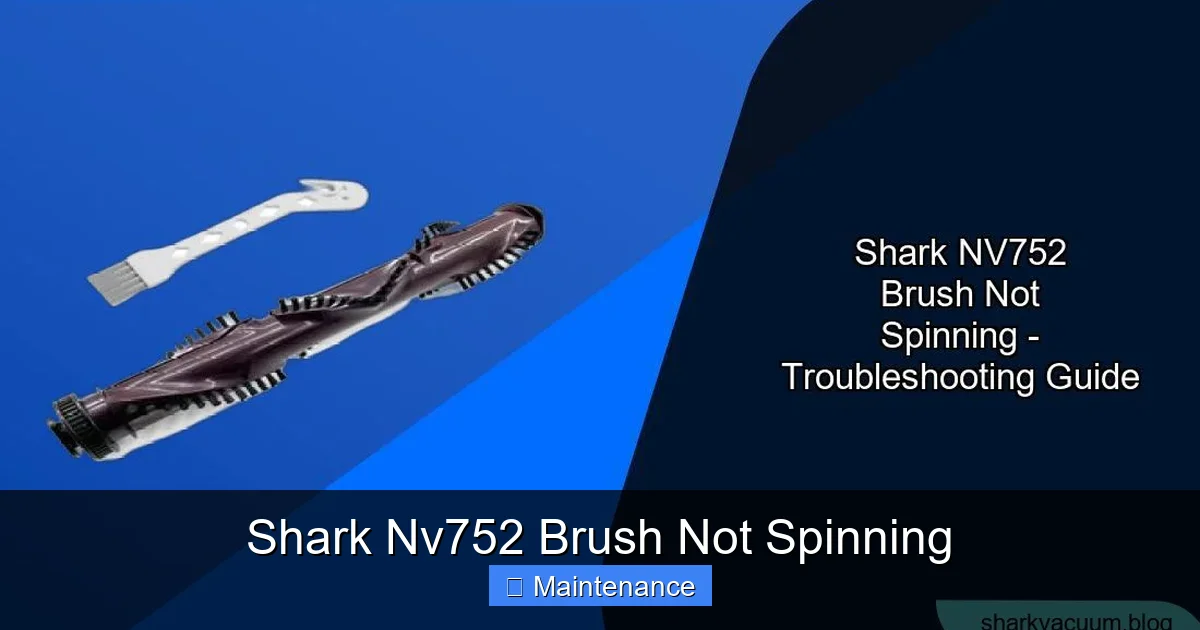
Visual guide about Shark Nv752 Brush Not Spinning
Image source: sharkvacuum.blog
Step 1: The Overlooked Reset Button
Locate the small red or black reset button on the motorhead—the main body of the vacuum you hold. It’s usually on the back or bottom. Press it firmly. If the motor had thermally overloaded due to a severe clog, this will reset it. This is the absolute first thing to try. Sometimes, the act of a clogged brush roll working too hard can trigger this safety feature.
Step 2: Check for Obvious External Clogs
Flip the vacuum over. Look directly into the suction inlet where the brush roll sits. Use a flashlight. Can you see a mat of hair or a large object blocking the path? If yes, use a pair of scissors or a seam ripper to carefully cut and remove it. Never use your fingers, as the brush roll bristles can be sharp. Also, check the wand and hose for blockages by detaching them and looking through.
Step 3: Remove and Inspect the Brush Roll
This is the most important visual inspection. The Shark Nv752’s brush roll is designed for easy removal. Lay the vacuum on its side. On the underside of the floor head, you’ll see two release levers or caps—one on each end of the brush roll housing. Press or slide them to unlock the brush roll. Pull the brush roll straight out. Now, examine it closely:
- Is hair, string, or carpet fiber wound tightly around the bristles or the axle? This must be removed.
- Spin the brush roll by hand. Does it turn freely, or is it stiff, gritty, or seized? A stiff roll means its internal bearings are packed with debris or have failed.
- Look at the two rubber end caps. Are they intact, or are they cracked and crumbling? Damaged end caps can cause drag.
Cleaning this brush roll with a seam ripper and a damp cloth solves a huge percentage of “not spinning” problems.
The Usual Suspects: A Deep Dive into Common Causes
If the emergency fix didn’t work, it’s time for a systematic investigation. Let’s break down the three primary mechanical causes in order of likelihood.
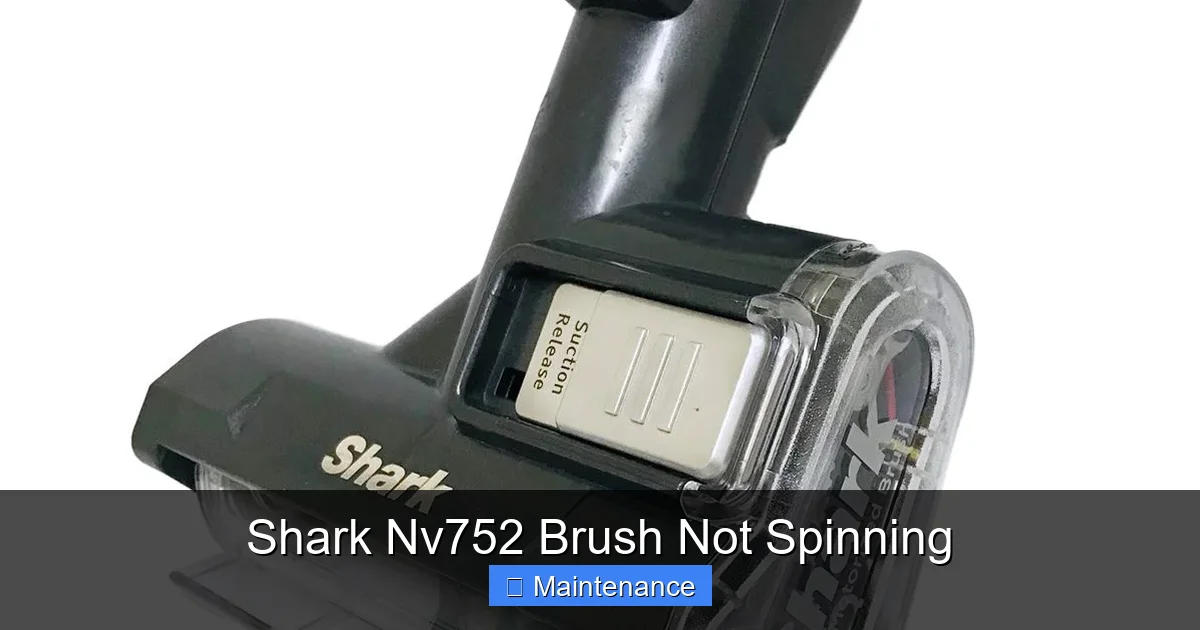
Visual guide about Shark Nv752 Brush Not Spinning
Image source: m.media-amazon.com
The Silent Culprit: Airflow Blockages and Hidden Clogs
Even if the brush roll itself looks clean, a clog can exist deeper in the air path, between the brush roll housing and the motor. This creates a massive resistance that can stall the brush roll’s rotation, even if the belt is intact. How to check: With the brush roll removed, look into the hollow channel it sat in. Shine a flashlight. You might see a felt-like mat of hair and dust packed in there, especially if you have pets. Use a long, thin tool like a straightened wire coat hanger (wrapped in tape to avoid scratches) or a specialized vacuum clog tool to gently hook and pull this debris out. Also, detach the hose from the vacuum’s back and check the connection point for obstructions.
The Wear-and-Tear Warrior: Drive Belt Failure
The drive belt is a simple loop of rubber, about the size of a large rubber band. It sits in a groove on the motor shaft (inside the motorhead) and on the brush roll axle. Over time, it stretches, loses tension, cracks, or snaps entirely. A loose or broken belt will make a whirring sound from the motor (you’ll hear it!) but the brush will not move.
- How to inspect: You must access the belt. On the Shark Nv752, you typically need to remove a few screws from the bottom of the floor head or the motorhead to open a panel that exposes the belt assembly. Consult your user manual for exact screw locations, but they are usually under the brush roll housing or on the rear of the motorhead. Once open, the belt is immediately visible.
- What to look for: Is it intact? Is it loose enough to slip off the pulleys? Does it have visible cracks, glazing, or thin spots? If the answer is yes to any, it needs replacement.
- Replacement is easy: Note the belt part number (often printed on the old belt, or find it via your model number online). Purchase a replacement (usually under $10). To install, stretch it over the motor shaft pulley and the brush roll axle pulley, ensuring it sits properly in both grooves. No tools are needed for this step once you have access.
The Seized Beast: A Jammed or Failed Brush Roll
Sometimes the brush roll itself is the problem. Even with a perfect belt and no clogs, the bushings (bearings) inside the plastic end caps can wear out, corrode, or fill with fine dust, causing the roll to seize. The plastic housing can also warp.
- The test: After removing the brush roll, try to spin each end cap independently by hand. They should rotate smoothly on the axle. If one side is gritty or doesn’t spin, the bushing inside that end cap is bad.
- The fix: Unfortunately, you cannot replace just the bushings. You must replace the entire brush roll assembly. This is a common wear part. Buy a Shark Nv752-compatible brush roll. Installation is the reverse of removal: align the notches on the ends with the slots in the housing and slide it in until the release levers click.
Your Essential Maintenance Checklist: Preventing Future Heartbreak
An ounce of prevention is worth a pound of cure. The “Shark Nv752 brush not spinning” issue is almost always preventable with a simple, regular routine. Incorporate these habits:
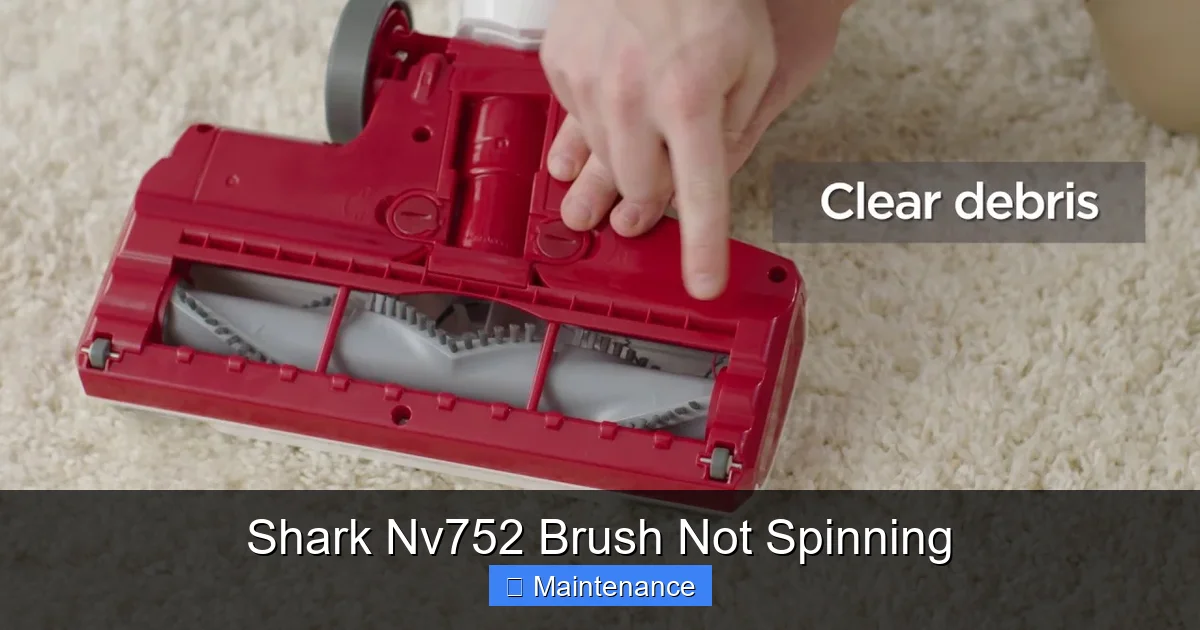
Visual guide about Shark Nv752 Brush Not Spinning
Image source: i.ytimg.com
After Every 2-3 Uses: The 60-Second Brush Roll Blow-Out
This is the single most effective habit. After you finish vacuuming, unplug the machine. Flip it over and use the crevice tool attachment on your hose to blow compressed air (from a can or your compressor) through and around the brush roll housing. This dislodges any hair or debris before it can compact and jam. If you don’t have an air compressor, use the suction of the vacuum itself in reverse (if your model has a “blow” function) or simply use your fingers and scissors to pull out any visible hair.
Monthly Deep Clean: Disassembly and Inspection
Once a month, take two minutes to fully remove the brush roll. Cut off all wrapped hair and string. Wipe the axle and the inside of the end caps with a slightly damp cloth. Spin it by hand to ensure it’s free. While you have it out, check the drive belt for signs of wear. This proactive check catches a failing belt before it snaps.
Quarterly Air Path Purge
Every three months, detach the hose and the extension wand. Look through them toward the light to check for partial clogs. Use a long, flexible brush (like a chimney brush or a dedicated vacuum hose brush) to scrub the interior of the hose and wand. Also, check and clean the filters—a clogged filter reduces overall suction and can contribute to motor strain.
The Right Tools for the Job
Keep a small “vacuum repair kit” in your cleaning closet: a set of small Phillips-head screwdrivers, a pair of sharp scissors, a seam ripper (the best tool for cutting wrapped hair without damaging bristles), a flashlight, and a microfiber cloth. Having these on hand removes any excuse for delaying maintenance.
Beyond DIY: When to Call in the Pros and Warranty Wisdom
While most brush spin issues are DIY-friendly, there are scenarios where professional help is warranted.
Signs of a Larger Electrical or Motor Failure
If you have confirmed the brush roll spins freely by hand, the drive belt is new and properly installed, there are no clogs anywhere in the air path, and the reset button is pressed—but the brush still doesn’t spin—the problem may be internal. Listen: if the motor doesn’t sound like it’s engaging at all when you press the brush roll switch (some Sharks have a separate brush on/off button), the motor’s clutch mechanism or the wiring to it could be faulty. This is less common but requires professional diagnosis.
Warranty First!
Before you buy a single part, check your warranty. The Shark Nv752 typically comes with a 5-year limited warranty (varies by purchase date and region). A manufacturer’s defect in the motor, belt, or brush roll could be covered. Have your serial number and proof of purchase ready. Contact Shark Customer Support. They may troubleshoot with you and, if the issue is under warranty, arrange for a repair or replacement part shipment. This can save you significant money.
Cost-Benefit Analysis of Professional Repair
If the vacuum is out of warranty and the diagnosis points to a failed motor (not just a belt or brush roll), get a repair estimate. The cost of a new motor and labor can approach 50-70% of the cost of a new comparable Shark model. Given the high reliability of modern vacuums, purchasing a new unit is often the more economical long-term choice in this specific scenario.
Conclusion: Keeping Your Shark Nv752 Powerful for Years
The “Shark Nv752 brush not spinning” problem is rarely a death sentence for your vacuum. It is, instead, an invitation to engage in the simple, satisfying routine of maintenance that keeps any machine running smoothly. By understanding the core components—the brush roll, the drive belt, and the air path—and performing those quick, regular checks, you take control of your vacuum’s performance. You’ll not only solve this specific issue but also extend the life of your Shark, maintain its powerful suction, and ensure your floors get the deep-cleaning agitation they need. Remember: a clean brush roll and a clear path are the heart of a great vacuum. Invest 10 minutes a month, and your Shark Nv752 will reward you with years of reliable, spin-filled service.
Frequently Asked Questions
How do I know if my Shark Nv752 brush is jammed or the belt is broken?
First, remove the brush roll and try to spin it by hand. If it doesn’t spin freely, it’s jammed or its bearings are failed. If it spins freely, the issue is likely the belt. Reinstall the brush roll (or leave it out) and look through the housing to see if the belt is intact and taut on the motor pulley. A missing, loose, or cracked belt confirms the problem.
What’s the average cost to replace a Shark Nv752 drive belt?
An OEM (original equipment manufacturer) or high-quality replacement drive belt for the Nv752 typically costs between $8 and $15. It’s one of the most inexpensive and common replacement parts for this model, and the installation usually requires only removing a few screws to access the belt compartment.
Why does my Shark vacuum smell burnt when I try to use the brush roll?
A burnt smell, combined with a non-spinning brush, is a classic sign of a severely jammed brush roll or a clogged air path causing the motor to work overtime and overheat. The thermal fuse may have tripped (press the reset button). The smell can also come from a drive belt that is slipping severely due to being overly tight or glazed, creating friction. Unplug the vacuum immediately and perform a full clog and brush roll inspection.
How often should I clean the brush roll on my Shark Nv752?
For optimal performance and prevention, you should visually inspect and clean the brush roll of hair and debris after every 2-3 uses. A quick 60-second blow-out or manual hair removal takes moments. A more thorough disassembly, cleaning, and lubrication of the axle (with a drop of lightweight oil) should be done every 1-2 months, especially in homes with pets or long hair.
Can I use my Shark Nv752 without the brush roll spinning?
Technically, yes, the vacuum will still suction hard debris from hard floors if you use the bare floor head. However, you will lose all the aggressive carpet cleaning power the brush roll provides. More importantly, running the vacuum with a jammed brush roll places excessive strain on the motor and drive belt, potentially causing secondary damage like a burned-out motor or a shredded belt. It’s best to fix the issue before continuing use.
My Shark Nv752 brush spins but very weakly/slowly. What’s wrong?
A weak or slow-spinning brush roll, while the motor sounds normal, usually points to a drive belt that is stretched and slipping. It may still be intact but has lost its tension and grip on the pulleys. Replacing the belt will restore full rotational power. Less commonly, it could be a motor that is beginning to fail and losing power, but belt slippage is the far more likely culprit.