Is your Shark Rotator vacuum’s brush roll suddenly stopped spinning or losing suction? This is a common but frustrating issue, usually caused by clogs, tangled hair, a worn belt, or a tripped brush motor shut-off. The good news is that most problems are simple to diagnose and fix yourself with basic tools and a few minutes of time, saving you from an expensive service call. Always start with a full system check—empty the bin, inspect hoses, and clean the brush roll—before moving to more complex components like the belt or motor.
You’re in the middle of cleaning, and you notice it. That satisfying whirring sound from your Shark Rotator is missing. You look down, and the brush roll—that vital spinning cylinder of bristles—is just sitting there, silent and still. Panic sets in for a second. Is it broken? Is it expensive to fix? Before you resign yourself to a costly repair bill or the hassle of a return, take a deep breath. A Shark Rotator brush not working is one of the most common vacuum issues, and the vast majority of the time, the solution is something you can handle yourself with a screwdriver, a bit of patience, and maybe a pair of scissors. This guide will walk you through every possible cause, from the simplest clog to the more complex motor failure, in plain language. We’ll turn you into your own vacuum repair technician.
First, let’s get one thing straight: your Shark Rotator’s brush roll and its suction power are two separate but linked systems. The brush roll agitates carpet fibers to loosen dirt, which is then sucked away by the main suction motor. When the brush roll stops, it’s often because something has physically prevented it from turning, or the power from the motor isn’t reaching it. Sometimes, a major clog can reduce suction so much that it *feels* like the brush isn’t working, even if it’s still spinning weakly. Our troubleshooting will address both scenarios. Always remember the golden rule: unplug your vacuum from the wall outlet before inspecting or repairing any internal components. Safety is paramount.
Key Takeaways
- Clogs are the #1 culprit: Hair, string, and large debris jamming the brush roll housing or suction hose are the most frequent cause of a non-spinning brush and loss of suction.
- Tangled brush rolls need cleaning: Hair and fibers must be manually removed from the brush roll bristles and its end caps to restore free spinning.
- The belt is a common wear item: A broken, stretched, or dislodged drive belt will disconnect the motor’s power from the brush roll, requiring a simple replacement.
- Check the brush roll shut-off: Shark Rotators have a safety feature that stops the brush roll on high-pile rugs. Ensure the floor type dial is set correctly for your surface.
- Motor issues are rare but possible: A burnt-out brush motor or faulty electrical connection is the least common cause and usually follows other component failures.
- Warranty first: If your vacuum is still under warranty, contact Shark support before disassembling anything to avoid voiding your coverage.
📑 Table of Contents
Understanding Your Shark Rotator’s Brush System
To diagnose the problem, you need to know the key players. The brush roll is a long cylinder with stiff bristles, mounted on bearings at each end. A rubber drive belt connects the brush roll to a smaller motor shaft dedicated solely to spinning the brush. This is separate from the main suction motor. The brush roll motor has its own safety thermal fuse that can trip if the brush roll gets jammed and overheats. There’s also a mechanical shut-off: a small rubber bumper or switch near the brush roll that engages when the vacuum is tilted back onto its rear wheels (like on high-pile carpet), stopping the brush to prevent damage. Knowing these parts exist will help you pinpoint the issue.
The Role of the Drive Belt
The humble rubber belt is the workhorse of the brush system. Over time, with heat, friction, and stress from jams, this belt can stretch, crack, or even snap. If it’s loose, it might slip off the pulleys. If it’s broken, it provides zero connection. Visually inspecting this belt is a critical first step in any brush roll troubleshooting.
The Brush Roll Motor & Safety Switch
This small motor is robust but not indestructible. If the brush roll is jammed for an extended period (like if you run over a shoelace), the motor can overheat and its internal thermal fuse will blow, cutting power. This is a protective measure, but it means the motor won’t spin until it cools down or the fuse is replaced. The mechanical shut-off switch is designed to disengage the brush on certain floor settings—if it’s stuck or faulty, it could prevent the brush from spinning on hard floors where you want it on.
Step One: The External Inspection & Simple Fixes
Before you lay your Shark Rotator on its back, you can solve 70% of “brush not working” problems right there on your floor. Grab your vacuum and follow this external checklist.
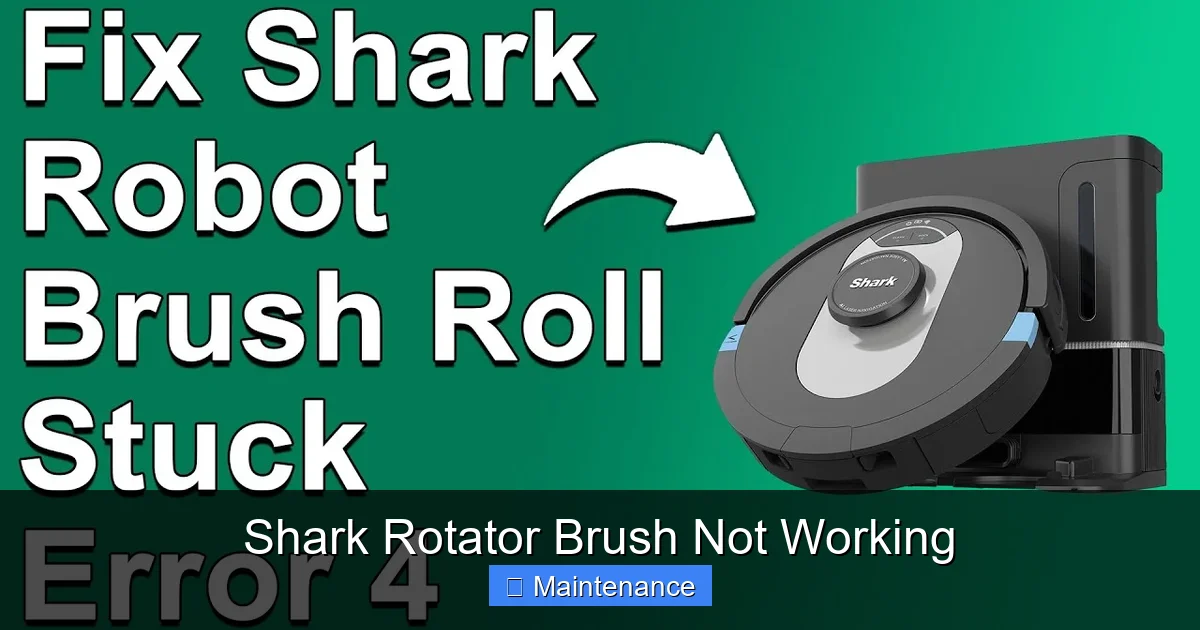
Visual guide about Shark Rotator Brush Not Working
Image source: i.ytimg.com
1. The Floor Type Dial is Your First Suspect
Look at the base of your Shark Rotator. You’ll see a dial or switch labeled for different floor types (Hard Floor, Carpet, etc.). If this dial is set to a position that disengages the brush roll (often the “Hard Floor” or “Bare Floor” setting), the brush will not spin. This is a deliberate design to scatter debris on hard surfaces. Turn the dial to the “Carpet” or “Auto” setting and listen. Does the brush start? If yes, you’ve found your problem. If not, move to the next step.
2. Check for Obvious Clogs in the Suction Path
A severe clog anywhere from the brush roll housing to the hose can kill suction so dramatically that the brush roll, which relies on some airflow to cool its motor, might shut down or seem powerless. Detach the hose from the vacuum body and look through it. Use a long, flexible brush or a straightened wire coat hanger (wrapped in tape to avoid punctures) to dislodge any obstruction. Then, look straight down into the brush roll housing from the bottom. Can you see the brush roll clearly? If it’s obscured by a mat of hair or a large object like a sock, that’s your issue.
3. Manually Clean the Brush Roll
This is the most common fix. Flip the vacuum over. Locate the red release buttons on either side of the brush roll housing. Press them in and pull the brush roll assembly straight out. Now, you’ll likely see hair, string, and carpet fibers wrapped tightly around the bristles and the axles. Use a seam ripper, a pair of scissors, or even a dedicated brush roll cleaning tool to carefully cut and pull away all debris. Pay special attention to the end caps—hair can jam in the bearings, preventing the roll from turning. Spin the brush roll by hand. It should rotate freely and smoothly for several seconds. If it’s stiff or gritty, you need to clean the bearings more thoroughly or consider replacing the brush roll assembly.
Step Two: The Internal Belt & Housing Inspection
If the external inspection didn’t reveal the culprit, it’s time to go deeper. This involves removing the bottom plate of the vacuum to access the belt and brush roll motor area. The process varies slightly by model (Navigator, Rotator, Lift-Away), but the principles are the same. You’ll typically need a Phillips screwdriver.
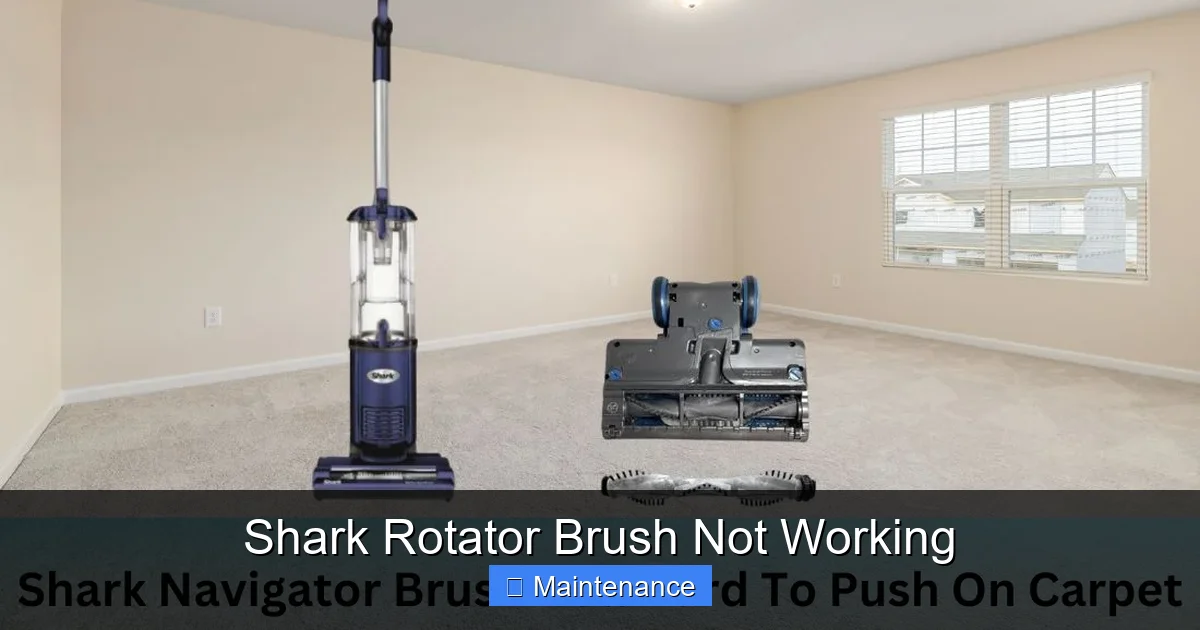
Visual guide about Shark Rotator Brush Not Working
Image source: sharkvacuum.blog
How to Access the Belt
Lay the vacuum on its side or back. Locate and remove all screws from the bottom plastic plate. Some models have a few hidden under the brush roll itself or under a small plastic cap. Once all screws are out, the plate should pop off, revealing the brush roll, belt, and motor. Be gentle; plastic clips can break if forced.
Diagnosing Belt Failure
With the plate off, locate the black rubber belt. It’s a loop running from a pulley on the brush roll to a smaller pulley on the brush motor shaft.
- Is it broken? Look for a clear snap or missing section. If it’s in two pieces, it’s dead.
- Is it loose or stretched? Try to pull it away from the pulleys. It should have firm tension. If you can pull it easily or see it sagging, it’s stretched and needs replacement.
- Is it melted or glazed? A belt that’s been slipping due to a jam can overheat, becoming shiny, hard, or even melting onto the pulleys. This belt must be replaced.
- Is it simply off its pulleys? Sometimes a major jam can knock the belt off. If it’s intact and has tension, you can simply stretch it back onto the pulleys, ensuring it’s seated properly in the grooves.
The Brush Roll Motor & Pulley
While you have the bottom plate off, inspect the area around the brush motor. Is the motor pulley (the small wheel the belt rides on) spinning freely? If it’s seized, the motor might be fine but the pulley is broken. Also, look for any shredded rubber from a broken belt wound around the motor shaft—this must be cleaned completely before installing a new belt.
Step Three: Advanced Diagnostics – Motor & Electrical
If the belt is intact and properly tensioned, and the brush roll spins freely by hand, the problem likely lies with the power reaching the brush motor or the motor itself.
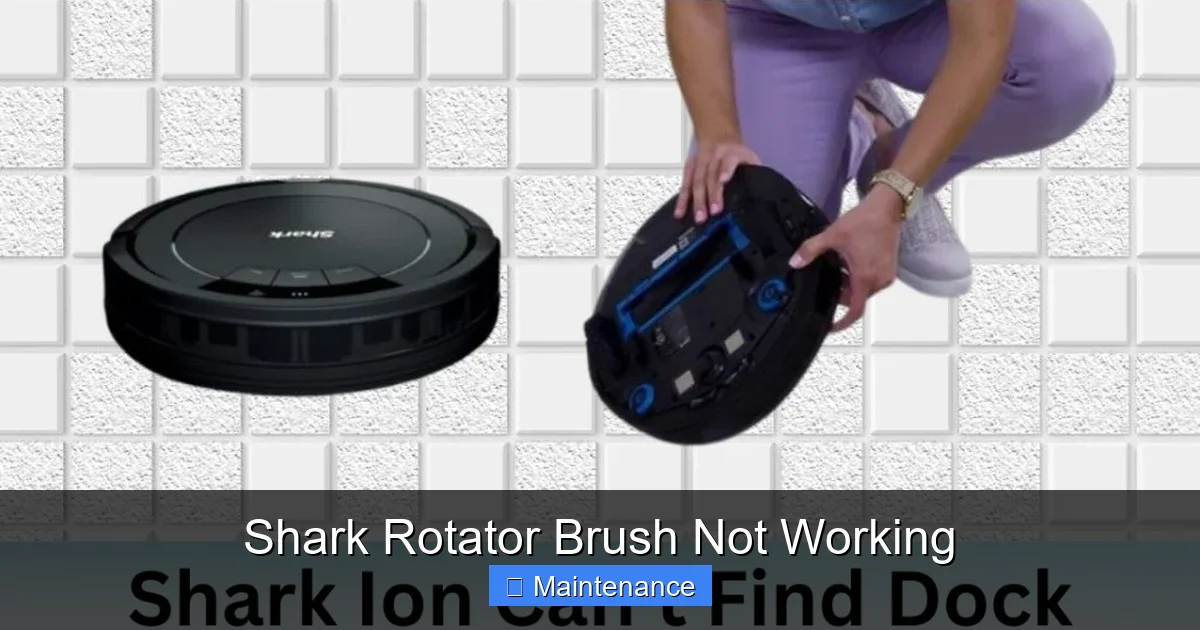
Visual guide about Shark Rotator Brush Not Working
Image source: sharkvacuum.blog
Testing for Power at the Motor
This requires a multimeter and some comfort with basic electricity. With the vacuum reassembled enough to plug it in (but with the bottom plate still off for access), set your multimeter to continuity or volts. Carefully insert one probe into the electrical connector going to the brush motor (you may need to back-probe the wires). Turn the vacuum on (be mindful of moving parts). You should see voltage (typically 12-24V AC) when the vacuum is on and the brush roll switch is engaged. No voltage means the issue is upstream—a faulty switch, wiring harness, or main control board.
Signs of a Failed Brush Motor
If you have power at the motor connector but the motor shaft doesn’t turn, the motor is likely dead. Listen closely. Do you hear a faint hum or a burnt smell? That’s a classic sign of a motor that has burned out its windings. Motors can fail due to age, repeated overheating from jams, or liquid ingestion. Replacing the brush motor is a more involved repair, often requiring soldering skills or a new wiring harness. For many Shark models, it’s more cost-effective at this point to consider a new vacuum, unless it’s a newer unit under warranty.
Preventative Maintenance: Keeping the Brush Spinning
An ounce of prevention is worth a pound of cure. Incorporating these simple habits into your cleaning routine will drastically reduce the chance of a brush roll failure.
Weekly Hair & Debris Removal
Make it a ritual. After every few uses, especially if you have pets or long hair, flip the vacuum and use scissors or a cleaning tool to remove any hair wrapped around the brush roll. Don’t wait until it’s a solid mat. This single habit prevents 90% of brush roll jams and belt stress.
Monthly Deep Clean of the Brush Roll Housing
Once a month, remove the brush roll completely. Wash it with mild soap and water to remove oily grime that can stiffen bristles. Let it dry *completely* for 24 hours before reinstalling. While it’s out, use a vacuum crevice tool or a damp cloth to clean out the entire brush roll housing channel. This eliminates hidden clogs that restrict airflow and brush rotation.
Belt Inspection Schedule
Every 6-12 months, during your deep clean, inspect the drive belt. Look for cracks, glazing, or stretching. Proactively replacing a belt that shows wear is cheap insurance against a sudden failure. Keep a spare Shark-certified belt for your specific model number on hand.
When to Call It Quits: Repair vs. Replace
Not every problem is worth fixing. How do you decide?
Cost-Benefit Analysis
A new brush roll assembly typically costs $25-$40. A drive belt is $10-$15. A brush motor can be $50-$100+ in parts alone, plus your time. If your Shark Rotator is more than 5-7 years old, has other wear issues (cracked hoses, weak suction), and needs a new motor, putting that money toward a new, more efficient model might be smarter. Newer Sharks have improved brush roll designs that are less prone to hair wrap.
Warranty is Your Safety Net
This is the most important rule. If your Shark Rotator is still within its manufacturer’s warranty period (usually 5-7 years for the motor, 1-2 years for other parts), do not attempt any disassembly that breaks warranty seals (like removing the main housing). Contact Shark customer service. They will troubleshoot with you and, if necessary, arrange for a free repair or replacement. Voiding your warranty over a $20 belt repair is a bad deal.
In conclusion, a Shark Rotator brush not working is a solvable puzzle. Start with the simplest, external checks—floor setting, obvious clogs, and brush roll cleaning. Progress to the belt inspection. Only venture into motor diagnostics if you’re comfortable with tools and electricity, and always check your warranty first. With methodical troubleshooting, you’ll almost certainly have that brush roll spinning again, restoring your vacuum’s full cleaning power and saving you money.
Frequently Asked Questions
Why is my Shark Rotator brush roll not spinning but the vacuum has suction?
This typically means the brush roll mechanism is jammed or disconnected from power. The most common causes are a severely tangled brush roll, a broken or slipped drive belt, or the brush roll being turned off via the floor type dial. Start by checking the dial setting and manually cleaning the brush roll.
How do I reset the brush motor on my Shark vacuum?
Shark brush motors have a thermal fuse that trips if the motor overheats from a jam. The reset is usually automatic once the motor cools down (about 30 minutes). Unplug the vacuum, clear any jam from the brush roll and housing, and let it sit. After cooling, plug it back in and try again. If it doesn’t reset, the fuse may be permanently blown and needs replacement.
Can I use my Shark Rotator without the brush roll on hard floors?
Yes, and you should. Shark designs its vacuums with a “Hard Floor” or “Bare Floor” setting that disengages the brush roll. Using the brush on hard floors can scatter debris and potentially scratch delicate surfaces. Always switch to the appropriate setting for your floor type.
What causes the drive belt to break repeatedly?
Frequent belt breakage is a symptom of another problem. The primary causes are: 1) a brush roll that isn’t spinning freely (due to tangled hair or bad bearings), which creates immense drag and stress on the belt; 2) a misaligned belt or pulley; or 3) using a non-OEM (original equipment manufacturer) belt of inferior quality. Always fix the root cause before installing a new belt.
Is it worth replacing the brush motor on an older Shark Rotator?
It depends on the vacuum’s age and overall condition. If the vacuum is 5+ years old and has other issues (fading battery on cordless models, cracked hoses, main motor weakening), investing in a new vacuum is often more economical. If the unit is relatively new and only the brush motor has failed, replacement can be worthwhile, especially if under warranty.
My brush roll spins but the vacuum isn’t picking up dirt. Is that the same problem?
Not exactly. If the brush roll spins but suction is weak, the problem is almost certainly a major clog in the suction pathway—the hose, wand, or the main air filter. Start by cleaning or replacing the filters (pre-motor and post-motor) and checking the hose for obstructions. A clogged filter will kill suction regardless of a perfectly working brush roll.