Emptying your Shark Vacmop is a simple but crucial maintenance task. Always unplug the machine first for safety. Locate the dirty water tank, usually at the back or bottom, and detach it using the release latches or buttons. Carry the tank to a trash can or sink, open the lid, and pour out the dirty water and debris. Rinse the tank thoroughly with clean water, allow it to air dry completely, and then reattach it securely. Regular emptying after each use prevents clogs, odors, and ensures optimal cleaning performance.
Key Takeaways
- Safety First: Always unplug your Shark Vacmop from the power outlet before attempting to empty the tank to avoid any electrical hazards.
- Locate the Tank: The dirty water collection tank is typically a rectangular or square component at the rear or base of the machine, identifiable by its lid and carrying handle.
- Proper Detachment: Use the designated release latches, buttons, or twist-lock mechanisms to safely remove the tank; never force it or pull by the cord/hose.
- Hygienic Disposal: Empty the tank contents directly into a trash can or toilet to avoid sink clogs from hair and debris. Rinse the tank immediately after emptying.
- Complete Drying is Key: Allow the tank, lid, and seals to air dry completely for at least 24 hours before reattaching to prevent mold, mildew, and foul odors.
- Reattach Correctly: Ensure the tank is properly seated and all latches are clicked into place before using the Vacmop to prevent leaks during operation.
- Make it a Habit: Empty and rinse the tank after every single use to maintain suction power, prevent bacterial growth, and extend the life of your appliance.
📑 Table of Contents
- Why Regularly Emptying Your Shark Vacmop is Non-Negotiable
- Understanding Your Shark Vacmop: Identifying Key Components
- The Step-by-Step Guide: How to Empty Your Shark Vacmop
- Deep Cleaning and Maintenance: Beyond Just Emptying
- Troubleshooting: Common Issues After Emptying
- Best Practices for a Long-Lasting Shark Vacmop
Why Regularly Emptying Your Shark Vacmop is Non-Negotiable
You’ve just finished your weekly cleaning routine. Your floors look sparkling, and your Shark Vacmop has tackled everything from sticky kitchen spills to tracked-in mud. The job is done, right? Not quite. There’s one critical, often overlooked, final step: emptying the dirty water tank. This isn’t just about tidying up; it’s a fundamental piece of maintenance that directly impacts your machine’s performance, longevity, and even your home’s hygiene. Neglecting this step turns your powerful cleaning tool into a clogged, smelly, and ineffective paperweight.
Think about what your Vacmop collects. It’s not just water. It’s a slurry of dirty water, ground-in dirt, fine dust, food particles, pet hair, and who knows what else from your floors. This mixture sits in a warm, moist tank—a perfect breeding ground for bacteria, mold, and mildew. If left unattended, it will start to develop a sour, stagnant odor that can permeate your home the next time you use the machine. Furthermore, debris accumulates on sensors, filters, and within the internal tubing, reducing suction power and potentially causing blockages that require costly repairs. Making tank emptying a non-negotiable part of your cleaning ritual ensures your Shark Vacmop remains a reliable, hygienic, and efficient workhorse.
Understanding Your Shark Vacmop: Identifying Key Components
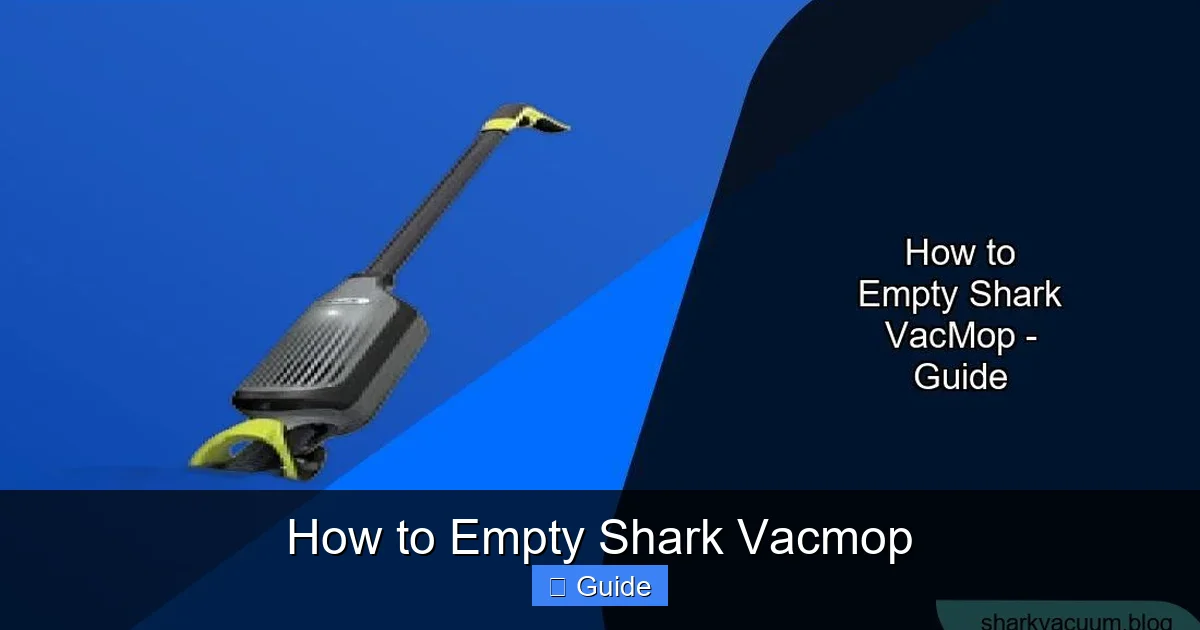
Before you can empty the tank, you need to know exactly what you’re looking for. Shark has several Vacmop models (like the popular VM200 series, VM250, etc.), but their core design philosophy is consistent. The “dirty water tank” is the primary collection chamber for everything the machine picks up. It’s distinct from the clean water tank you fill with your cleaning solution. Typically constructed from translucent or clear plastic, it allows you to see the fill line and the murky contents inside.
Visual guide about How to Empty Shark Vacmop
Image source: images.squarespace-cdn.com
Locating the Tank and Release Mechanism
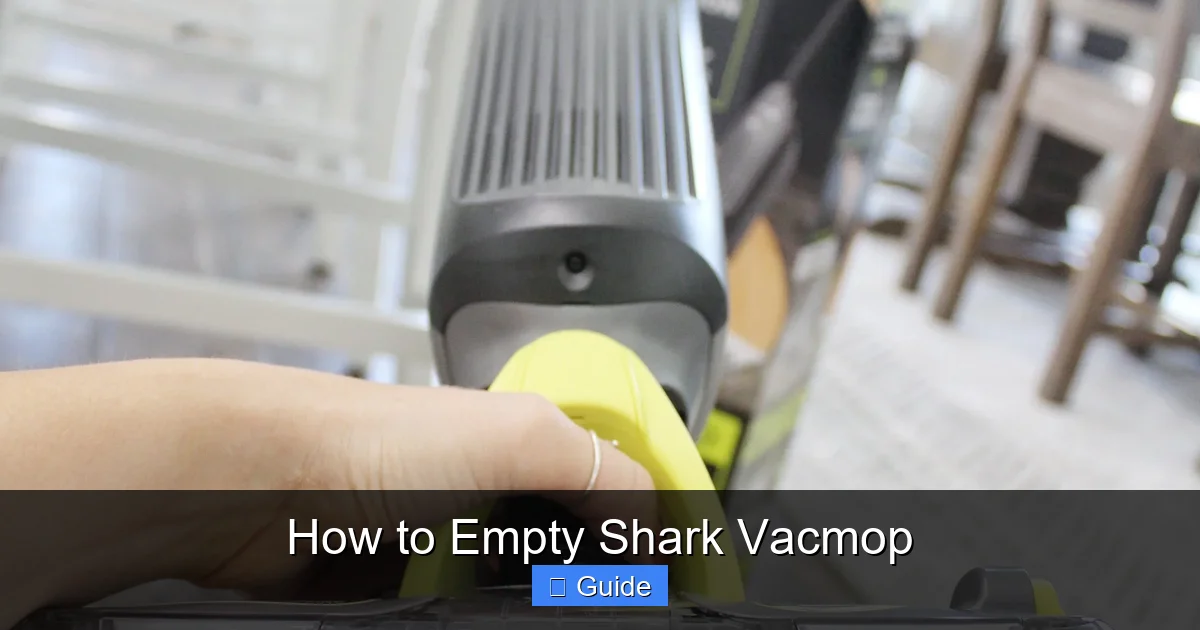
On most Shark Vacmops, the dirty water tank is positioned at the rear upper section of the main body, just below the handle or carry handle. It’s the largest plastic component aside from the mop head itself. Look for a prominent lid, often gray or black, with a handle on top for carrying. The lid will have a secure locking mechanism—this is crucial for preventing leaks during operation. This mechanism varies by model. You might find:
- Twist-and-Lock Lids: You rotate the lid clockwise to lock it and counter-clockwise to unlock.
- Release Latches: Small plastic tabs on the sides or front of the lid that you press inward to release.
- Button Releases: A large, often red or gray, button on the tank body that, when pressed, releases the entire tank from the machine’s frame.
Familiarize yourself with your specific model’s mechanism by consulting the quick-start guide. Identifying these parts beforehand makes the process smooth and frustration-free.
The Step-by-Step Guide: How to Empty Your Shark Vacmop
Now, let’s get into the nitty-gritty. Follow these steps in order for a safe, clean, and complete emptying process. The entire task should take no more than 2-3 minutes.
Visual guide about How to Empty Shark Vacmop
Image source: sharkvacuum.blog
Step 1: Power Down and Prepare
The very first rule is to unplug your Vacmop from the electrical outlet. This eliminates any risk of the machine accidentally turning on or a short circuit coming into contact with water. Next, place the Vacmop on a stable, flat surface—a laundry room counter, a bathroom vanity, or even the floor (preferably on a towel). Have your disposal site ready: a trash can with a liner is ideal, or a toilet bowl. Have a sink nearby for rinsing. Gather a soft, lint-free cloth or paper towels for any potential spills.
Step 2: Detach the Dirty Water Tank
Position yourself so you can see the back of the machine. Locate the release mechanism for the dirty water tank. If your model has a release button on the tank’s body, press it firmly and pull the tank straight out and up. If it uses latches on the lid, press both latches inward simultaneously and lift the lid off the tank body. If it’s a twist-lock, turn the lid counter-clockwise until it releases, then lift it off. Important: Do not attempt to pull the tank out by its handle if the lid is still locked. The entire tank assembly (body and lid) should come free as one unit or in two separate pieces, depending on your model. Hold it level as you remove it to prevent any residual liquid from sloshing out.
Step 3: Transport and Dispose of Contents
Carry the tank directly to your pre-chosen disposal point—the trash can. Do not empty the tank into a sink drain. The accumulated hair, dirt, and debris can quickly clog your plumbing. Hold the tank over the trash can, remove the lid (if it’s separate), and tilt it carefully. Pour the contents out slowly. The viscous slurry will flow out, followed by larger debris. You may need to shake or tap the tank gently to dislodge material stuck to the sides or in the corners. For particularly stubborn debris stuck in the tank’s intake port (the hole that connects to the machine), use a long, flexible brush or a gloved finger to dislodge it before pouring. Once empty, give the tank a quick shake over the trash to remove excess droplets.
Step 4: The Critical Rinse and Scrub
This is the step that separates a hygienic routine from a smelly one. Take the tank (and lid, if separate) to your sink. Use warm water and a soft sponge or cloth with a small amount of mild dish soap. Thoroughly scrub the interior, paying special attention to:
- The Intake Port/Valve Area: This is where debris loves to hide. Use a bottle brush or an old toothbrush to clean this area meticulously.
- The Lid and Gasket/Seal: Lift the lid’s silicone or rubber gasket (if removable) and clean both it and the channel it sits in. This seal is a prime spot for gunk buildup and odor.
- The Tank Walls and Corners: Ensure all slurry residue is washed away.
Rinse everything with clean, running water until it runs completely clear and soap-free. There should be no visible dirt or suds left. A final rinse with a diluted vinegar solution (1 part vinegar to 10 parts water) can help neutralize odors and kill bacteria, but be sure to rinse with plain water afterward.
Step 5: The Most Important Step: Drying
Do not, under any circumstances, reassemble a damp tank. Moisture is the enemy. Shake out excess water and place the tank body and lid on a drying rack or clean towel in a well-ventilated area. Allow them to air dry completely for at least 24 hours. You can speed up the process by propping the lid open and placing a clean towel inside the tank to absorb moisture from the bottom. Ensure the gasket/seal is also completely dry. Reassembling with trapped water will instantly create a swampy environment that leads to mold and terrible smells.
Step 6: Reassembly and Verification
Once every component is bone-dry, reassemble the tank. If you separated the lid, place the dry gasket back in its channel and secure the lid using the original mechanism (twist, latch, etc.). Now, reattach the full tank assembly to the Vacmop’s body. You should hear or feel a definitive “click” as the latches engage or the tank seats properly. Give it a gentle tug to ensure it’s secure. Visually inspect the connection point to confirm there are no gaps. Your Shark Vacmop is now ready for its next use with a fresh, clean tank.
Deep Cleaning and Maintenance: Beyond Just Emptying
Emptying the tank is the daily habit, but a deeper monthly clean keeps your machine in peak condition. This involves more than just the tank.
Visual guide about How to Empty Shark Vacmop
Image source: rebatekey-production.s3.us-east-2.amazonaws.com
Cleaning the Filters
Your Shark Vacmop has at least two filters: a foam filter (often inside the dirty water tank) and a pleated or HEPA-style filter (usually on the clean side). The foam filter catches larger debris and must be removed and rinsed under cold water monthly. Squeeze it gently to remove dirt, rinse until clear, and let it air dry for 24+ hours. The secondary filter is not washable; it should be tapped out over a trash can to dislodge dust and replaced according to the manufacturer’s schedule (typically every 3-6 months). A clogged filter is a primary cause of loss of suction.
Flushing the System
Occasionally, grimy residue can build up in the internal hoses and spray system. To flush it, fill the clean water tank with a solution of warm water and a tablespoon of white vinegar. Run the machine in a well-ventilated area (like a garage) without the mop pad attached, dispensing the solution onto a towel until the tank is empty. Then, refill the clean tank with plain warm water and run it again to rinse the system. This helps break down biofilm and eliminate odors at the source.
Inspecting and Cleaning the Mop Pad
The microfiber mop pad is your direct cleaning surface. After each use, remove it and rinse it thoroughly under warm water, wringing out as much moisture as possible. For a deep clean, machine wash it with like fabrics using a mild detergent (no fabric softener!). Always let it air dry completely before reattaching. A dirty, saturated pad will redeposit grime onto your floors and reduce cleaning efficacy.
Troubleshooting: Common Issues After Emptying
Even with perfect emptying, you might encounter hiccups. Here’s how to diagnose them.
“My Vacmop is Leaking From the Bottom!”
This is almost always a reassembly error. First, unplug the machine. Check that the dirty water tank is fully seated and all latches are engaged. Next, inspect the tank’s lid gasket. Is it intact, pliable, and seated correctly in its groove? A twisted, pinched, or missing gasket will break the seal. Finally, check for cracks in the plastic tank itself. If you find a crack, the tank will need to be replaced.
“There’s a Bad Smell Even After I Emptied It!”
The odor is likely trapped in the foam filter inside the dirty tank or in the tank’s gasket. Remove the foam filter and rinse it thoroughly. Clean the gasket and its channel with a vinegar-water solution. Ensure the tank and gasket are bone-dry before reassembly. If the smell persists, it may be in the internal hoses, necessitating the system flush mentioned above.
“Suction Has Drastically Decreased.”
First, verify the dirty water tank is properly attached and the lid is sealed. An improperly sealed tank breaks the vacuum’s suction path. Next, check both filters. Is the foam filter clogged with debris? Is the secondary filter visibly dirty? Clean or replace them. Finally, inspect the intake port on the tank and the hose connection for blockages. Use a flexible brush to clear any obstructions.
Best Practices for a Long-Lasting Shark Vacmop
Incorporate these habits into your routine for a machine that lasts for years.
- Empty After Every Single Use: Don’t let the tank sit full overnight. Make it the last step of your cleaning ritual.
- Use Hot, Soapy Water for the Tank: This cuts grease and grime better than cold water. A dedicated scrub brush for the tank can make the job easier.
- Never Store It Wet: Always ensure the tank is completely dry before storing the Vacmop in a closet. Storing it damp guarantees mold growth.
- Check the Intake Screen: Some models have a small mesh screen over the tank’s intake port. Clean this screen regularly to prevent clogs.
- Use the Right Cleaning Solution: Only use Shark-approved or mild, pH-neutral floor cleaners in the clean water tank. Harsh chemicals can degrade seals and internal components.
- Inspect Seals and Gaskets Monthly: Look for cracks, tears, or loss of elasticity. These small parts are inexpensive to replace and prevent major leaks.
By treating your Shark Vacmop with this level of care, you protect your investment. A clean, well-maintained machine delivers superior cleaning power, smells fresh, and avoids the frustration of mid-clean breakdowns. That few minutes spent properly emptying and drying the tank translates directly into a better, more reliable clean every single time.
Frequently Asked Questions
How often should I empty the dirty water tank on my Shark Vacmop?
You should empty the dirty water tank after every single use. Allowing dirty, slurry-filled water to sit in the tank promotes bacterial growth, causes foul odors, and can lead to clogs and reduced suction performance.
Can I use water to rinse the inside of the dirty water tank?
Yes, absolutely. Using warm, soapy water is the recommended method to thoroughly clean the tank’s interior, intake port, and lid gasket. Always rinse it with clean water afterward and allow it to air dry completely before reassembling.
Is it okay to pour the tank contents down the kitchen sink?
No, you should not. The debris collected—including hair, dirt, and fine particles—can solidify and cause significant clogs in your home’s plumbing. Always empty the tank directly into a trash can or toilet bowl.
My Shark Vacmop model has a different tank release—where can I find instructions?
Your specific model’s instructions are in the printed user manual that came with the product. You can also find digital copies and model-specific tutorial videos on the official Shark website (sharkclean.com) by entering your model number in the support section.
What should I do if my dirty water tank is stuck and won’t detach?
Do not use force. First, ensure the machine is unplugged. Double-check that you have fully disengaged the release mechanism (latches pressed, lock twisted, button held). Sometimes debris can jam the release. Gently wiggle the tank while holding the release. If it’s truly stuck, consult your manual for model-specific guidance to avoid breaking plastic clips.
Do I need to wash the filter inside the dirty water tank?
Yes. Most Shark Vacmops have a foam filter inside the dirty water tank. This filter should be removed and rinsed under cold water monthly, or more frequently if used heavily. Squeeze it to remove dirt, rinse until clear, and let it air dry for 24 hours before reinserting. Never operate the machine with a wet foam filter.