A loud, sudden noise from your Shark Lift Away Duoclean vacuum is almost always a fixable maintenance issue, not a fatal breakdown. It typically stems from blockages, worn brush rolls, or damaged seals disrupting the DuoClean head’s airflow and roller balance. This article provides a comprehensive, user-friendly troubleshooting guide. You’ll learn to diagnose the specific noise type, perform essential cleaning and part inspections, and execute simple repairs to eliminate the racket and restore your vacuum’s powerful, quiet performance.
Key Takeaways
- Loud noise is usually a symptom of obstruction or wear: The most common culprits are clogs in the wand, hose, or DuoClean head, and debris tangled in the brush rolls or bearings.
- Identify the noise type for accurate diagnosis: A high-pitched squeal often means bearing failure; a deep rumbling or grinding points to debris in the rollers; a loud whooshing indicates a major air leak.
- Routine DuoClean head maintenance is non-negotiable: Monthly checks and cleanings of the brush rolls, rubber seals, and intake ports prevent 90% of noise issues and maintain cleaning efficacy.
- Simple fixes require minimal tools: Most solutions involve a Phillips screwdriver, a soft brush, and patience. Disassembling the DuoClean head for a deep clean is a key skill.
- Ignoring the noise causes cascading damage: A blocked motor works harder, overheats, and burns out. Worn bearings shred other components, leading to costly repairs.
- Warranty and professional help are options: If the vacuum is under warranty or you’re uncomfortable with internal repairs, Shark support or an authorized service center is the safest path.
📑 Table of Contents
- Introduction: When Your Trusty Shark Starts Sounding Like a Jet Engine
- Understanding Your Machine: The Anatomy of a Noise
- Diagnosing the Demon: What Does Your Noise Sound Like?
- The Step-by-Step Silence Protocol: Your Maintenance Routine
- Common Pitfalls & How to Avoid Them
- When to Say “Uncle”: Knowing Your Limits
- Conclusion: Your Quiet, Powerful Clean Awaits
Introduction: When Your Trusty Shark Starts Sounding Like a Jet Engine
You bought your Shark Lift Away Duoclean with high hopes. That innovative DuoClean head—with its two brush rolls and those signature rubber fins—promised a flawless, quiet clean on both hard floors and carpets. And for a while, it delivered. But now, a disturbing, loud noise has invaded your cleaning routine. It might be a high-pitched squeal that makes your dog cower, a deep, grinding rumble that vibrates the handle, or a sudden, violent clatter that sounds like the vacuum is eating screws. Your first thought is likely, “Oh no, is it broken? Is it expensive to fix?”
Take a breath. In the vast majority of cases, a Shark Lift Away Duoclean loud noise is not a death sentence for your machine. It’s a cry for help—a maintenance alert from a hardworking tool. The DuoClean system is a marvel of engineering, but its complex head is also a magnet for hair, string, carpet fibers, and fine debris. This buildup creates friction, imbalances, and blockages that manifest as alarming sounds. This guide is your definitive, friend-to-friend manual for diagnosing and silencing that racket. We’ll walk through every possible cause, from the simplest clog to a worn bearing, with clear instructions and practical tips. By the end, you’ll not only have a quieter home but also a deeper understanding of your vacuum, ensuring it serves you faithfully for years.
Understanding Your Machine: The Anatomy of a Noise
To troubleshoot effectively, you need a basic mental map of the Shark Lift Away Duoclean’s noise-making components, especially within the DuoClean head. Think of it as a symphony: when one instrument is out of tune, the whole performance suffers.
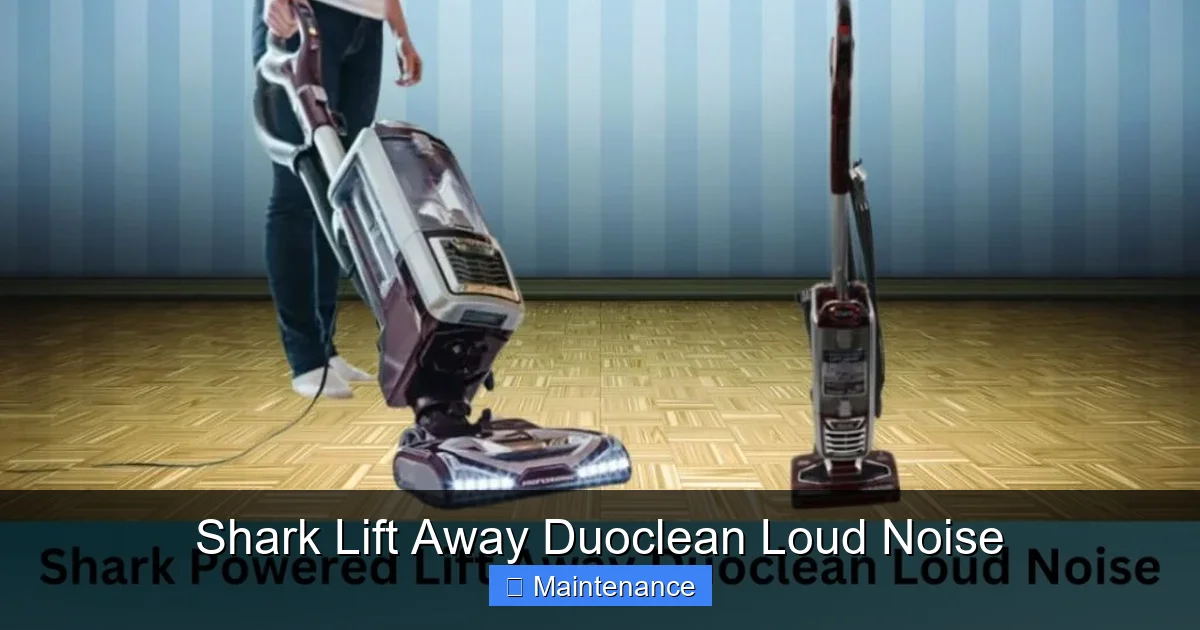
Visual guide about Shark Lift Away Duoclean Loud Noise
Image source: sharkvacuum.blog
The Heart of the Matter: The DuoClean Head
The DuoClean head is where the magic—and most of the noise—happens. It houses two counter-rotating brush rolls (one with nylon bristles for carpets, one with rubber fins for hard floors) and a powerful motor that drives them. Air is sucked in through the front, passes over the rolls, and is expelled out the back. Any disruption in this smooth flow of air or rotation creates noise.
- Brush Rolls & Bearings: Each brush roll spins on bearings. If these bearings wear out, get clogged with hair, or lose lubrication, they emit a distinctive high-pitched squeal or grinding noise.
- Rubber Seals/Fins: The rubber fins that agitate debris on hard floors can tear, warp, or get debris jammed underneath them, causing a slapping or flapping sound.
- Air Intake Ports & Channels: The openings at the front of the head and the internal channels that guide air can become packed with dust bunnies, hair, or small objects, restricting airflow and causing a loud whooshing or whistling.
- Drive Belts (if applicable): Some models use small belts to transfer power. A slipping, fraying, or misaligned belt creates a squeaking or slipping sound.
The Supporting Cast: Wand, Hose, and Main Body
Noise isn’t always local to the head. A clog anywhere in the air path forces the motor to strain.
- Wand and Hose: A coin, a child’s toy, or a wad of paper stuck in the telescoping wand or flexible hose will cause a catastrophic blockage. The motor will scream as it struggles to pull air through a tiny hole.
- Filter Housing: A severely clogged post-motor filter (the one you wash) will restrict exhaust, making the motor work harder and louder.
- Motor Itself: While less common, a failing motor bearing or internal component will produce a deep, grinding hum that persists even with the head removed.
Diagnosing the Demon: What Does Your Noise Sound Like?
Before you lay a tool on a screw, become a noise detective. The sound is your most valuable clue. Run the vacuum for 10-15 seconds on a hard floor with the DuoClean head attached. Listen carefully. Then, detach the head and run the motor alone (point it away from surfaces). This isolates the source.
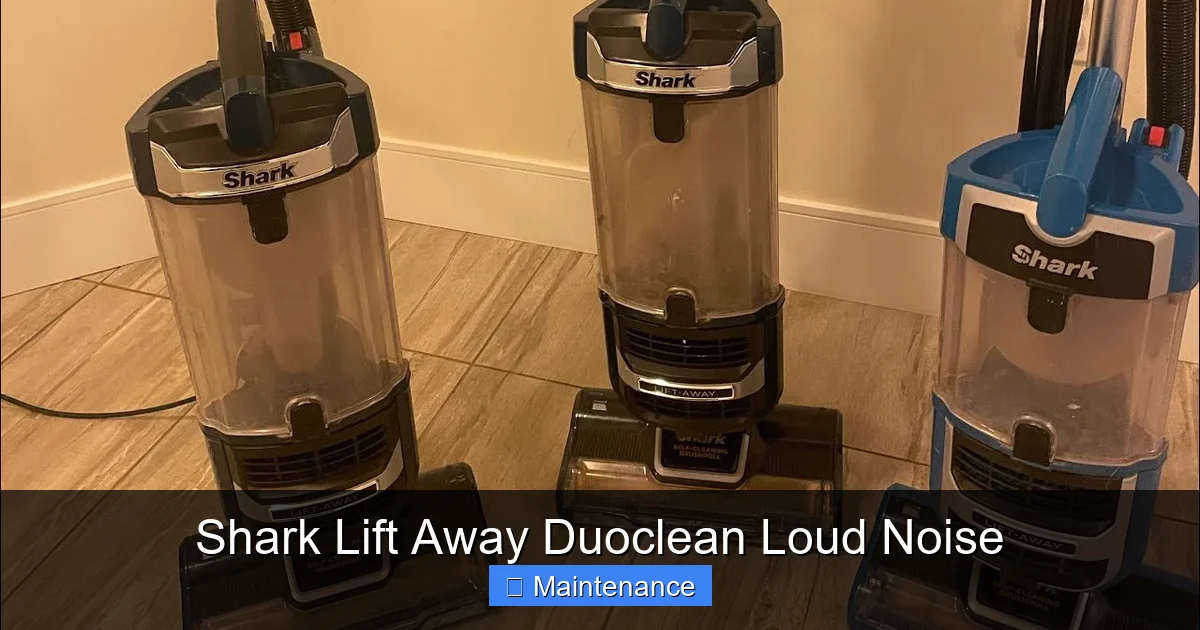
Visual guide about Shark Lift Away Duoclean Loud Noise
Image source: i.ytimg.com
The High-Pitched Squeal or Screech
This is the classic “bearing” scream. It’s often intermittent, getting louder as the component heats up.
- Likely Culprit: Worn-out or dry bearings in one or both brush rolls. Hair has packed into the bearing housing, grinding the balls against the race.
- Diagnosis: The noise stops or changes significantly when you remove the DuoClean head and run just the motor unit. The sound is tied directly to the brush roll rotation.
- Fix: You must disassemble the brush roll assembly, meticulously remove all hair from the bearing caps, and consider applying a tiny dab of high-temperature bearing grease (like Super Lube). Often, replacing the entire brush roll assembly is faster and more reliable.
The Deep Rumble, Grinding, or Clacking
This sounds like gravel is inside your vacuum. It’s a sound of physical impact and friction.
- Likely Culprit: Large debris (tassels, string, plastic pieces) wrapped tightly around a brush roll axel, or a foreign object (a penny, a staple) caught between a brush roll and the housing.
- Diagnosis: The noise is rhythmic, matching the rotation speed of the brush rolls. It may stop if you manually turn the brush rolls by hand and feel a “catch.”
- Fix: Immediately turn off and unplug the vacuum. Flip it over and use scissors or a seam ripper to carefully cut and remove all debris wrapped around the brush rolls. Check the space between the rolls and the plastic housing for lodged objects.
The Loud Whooshing, Whistling, or Suction Loss
The vacuum sounds like it’s gasping for air. Cleaning power drops dramatically.
- Likely Culprit: A major air leak or blockage. This could be a completely clogged DuoClean head intake, a hose filled with dust, or the exhaust filter being so dirty that air can’t escape.
- Diagnosis: Remove the DuoClean head. Does the motor sound normal (a steady hum)? If yes, the problem is in the head or the connection. Check the wand for obstructions by looking through it.
- Fix: Clear the blockage. This involves disconnecting the hose and wand, and using a long, flexible brush or a straightened wire coat hanger (wrapped in tape to avoid scratches) to gently dislodge the clog. Remove and thoroughly wash the exhaust filter.
The Sudden, Violent Clatter or Bang
A noise so loud it startles you, often followed by a change in sound.
- Likely Culprit: A component has come loose. This could be a drive belt that snapped and is flailing inside, a brush roll that has shifted on its axel, or a plastic guard that has cracked and fallen off.
- Diagnosis: Turn off immediately. Invert the vacuum and shake it gently near the head. You might hear a rattling piece. Visually inspect the head for any broken or dangling parts.
- Fix: This often requires disassembly of the DuoClean head to locate and secure or replace the broken part. Check Shark’s parts website for your specific model number for replacements like belts or brush roll assemblies.
The Step-by-Step Silence Protocol: Your Maintenance Routine
Prevention is everything. A regular, simple maintenance routine on your Shark Lift Away Duoclean will stave off 95% of noise problems. Think of it as a 15-minute spa day for your vacuum, once a month if you have pets or high-pile carpets.
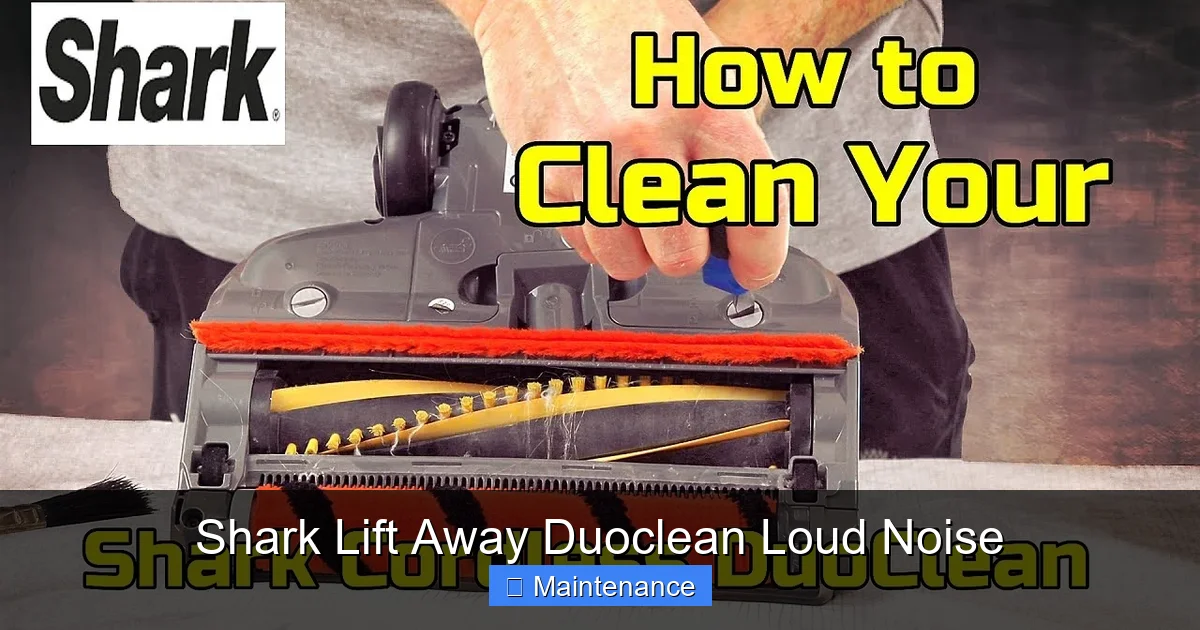
Visual guide about Shark Lift Away Duoclean Loud Noise
Image source: i.ytimg.com
Step 1: The Monthly Deep Clean of the DuoClean Head
This is the most critical task. The head is the engine of your clean, and it gets filthy.
- Detach: Press the release button on the wand and lay the vacuum on its back.
- Remove the Brush Rolls: On the DuoClean head, you’ll see two caps, one on each side of the brush roll housing. Use a Phillips screwdriver to remove the screws. Gently slide out each brush roll. Note their orientation (which side faces up) for reassembly.
- Clear & Scrub: Take the brush rolls to a sink or utility tub. Use a seam ripper or a dedicated brush cleaning tool to cut and pull out every strand of hair, fiber, and carpet lint wound around the bristles and, crucially, around the plastic axel at each end. Wash the brush rolls with mild soap and water. Let them dry COMPLETELY (at least 24 hours).
- Clean the Housing: With the rolls out, use a dry microfiber cloth and a soft-bristle brush (an old toothbrush works) to wipe out the entire interior of the head. Pay special attention to the rubber seals/fins—lift them and clean underneath. Remove all dust and debris from the air channels and the area where the head connects to the wand.
- Check the Seals: Inspect the two long rubber seals that run along the bottom of the head. If they are cracked, shredded, or missing chunks, they must be replaced. They are critical for creating the seal on hard floors and preventing debris from jamming in the head.
- Reassemble: Once everything is bone dry, slide the brush rolls back in exactly as they came out, reattach the side caps, and tighten the screws securely but not with brute force.
Step 2: The Full Airway Inspection
Once a quarter, check the entire air path.
- Wand & Hose: Detach them. Look through them toward a bright light. Use a long, flexible cleaning brush to sweep them out.
- Filters: Remove the pre-motor filter (usually a foam or pleated paper filter inside the dust cup) and the post-motor filter (the HEPA filter at the back). Tap or brush off loose debris. Wash the pre-motor filter with water (let dry 24h). The post-motor filter is often not washable; gently tap it or use compressed air. Replace filters according to the manual (usually every 3-6 months).
- Dust Cup & Cyclone: After every use, empty the dust cup. Once a month, wash the entire dust cup assembly (the clear bin and the cyclone piece inside) with soapy water. Ensure it is 100% dry before reinserting, as moisture in the cyclone can destroy the motor.
Step 3: Listening Post Check-Up
After your deep clean, run the vacuum. It should sound smooth and consistent—a powerful, but not strained, hum. Any new or persistent noise means you need to revisit your diagnosis. Did you miss a hair wad deep in a bearing? Is a seal rubbing? Is the brush roll properly seated?
Common Pitfalls & How to Avoid Them
Even with the best intentions, it’s easy to make a mistake that either doesn’t fix the problem or causes a new one.
Pitfall: Reassembling the Brush Rolls Backwards
The two brush rolls in the DuoClean head are not identical. One is designed for carpets (bristles), one for hard floors (rubber fins). They also have specific directions of rotation. If you put them in the wrong slots or install them facing the wrong way, they will fight each other, causing immense strain, noise, and poor cleaning. Solution: Before removing them, take a photo with your phone. Note which side has the rubber fins. The Shark manual will specify the correct orientation. When in doubt, consult the parts diagram for your model on Shark’s website.
Pitfall: Using Lubricants Incorrectly
You might think spraying WD-40 on a squeaky bearing is a fix. It’s not. WD-40 is a solvent and water displacer, not a long-term lubricant. It will attract more dust and grime, making the problem worse quickly. Solution: If you must lubricate a bearing (after cleaning it), use a tiny amount of a white lithium grease or a specific bearing grease. One drop is plenty. Often, cleaning the hair out is sufficient, as the original grease is still present.
Pitfall: Ignoring the Obvious
Sometimes the cause is staring you in the face. A child’s sock sucked into the head will cause a terrible racket. A torn rubber seal will slap against the floor. Solution: During your monthly clean, do a full visual inspection of the entire head, inside and out. Look for tears, cracks, missing pieces, and anything that doesn’t belong.
When to Say “Uncle”: Knowing Your Limits
Your Shark Lift Away Duoclean is a significant investment. Knowing when to stop tinkering and seek professional help is smart.
Signs the Problem is Beyond DIY
- The noise persists after a complete, thorough disassembly and cleaning of the DuoClean head. You’ve removed the brush rolls, cleaned the bearings, cleared every channel, and the squeal is still there. The bearing is likely permanently damaged.
- You smell burning or see sparks. This indicates a serious electrical motor failure. Unplug immediately and do not use.
- There is visible damage to the motor housing, wiring, or internal components. Cracks or melted plastic mean the unit is unsafe.
- The vacuum is very old (7+ years) and has multiple issues. The cost of multiple part replacements may approach the price of a new model.
Your Action Plan
- Check Warranty: Find your proof of purchase and model number (on the back plate). Shark warranties vary by model and region. A bearing or motor failure within the warranty period (often 5-7 years for the motor) should be a free repair.
- Contact Shark Support: Use the official Shark website to start a chat or find a service center. They can often diagnose by sound and order the correct part.
- Authorized Service Centers: These technicians have genuine parts and training. A repair here is usually cheaper than a new vacuum and comes with a service warranty.
- Consider Replacement: If the repair cost is over 50% of a new Duoclean’s price, and your machine is out of warranty, a new model with updated technology might be a better long-term choice.
Conclusion: Your Quiet, Powerful Clean Awaits
The moment you hear that unfamiliar, loud noise from your Shark Lift Away Duoclean, it’s easy to feel a pang of frustration and dread. But as we’ve explored, that noise is rarely a mysterious, unfixable curse. It’s a clear, diagnostic message from your machine, telling you exactly where to look: a hair-clogged bearing, a blocked airway, a torn seal, or a loose brush roll. The power to silence it is in your hands, armed with a screwdriver, a bit of patience, and this guide.
Embrace the monthly maintenance ritual. That 15 minutes spent carefully cleaning the DuoClean head, checking the filters, and clearing the airways is an investment in years of powerful, whisper-quiet cleaning. You’ll extend the life of your vacuum, maintain its stellar performance on both pet hair and fine dust, and restore the peaceful hum you originally fell in love with. Remember, a well-maintained Shark Lift Away Duoclean isn’t just a vacuum; it’s a reliable partner in keeping your home healthy and comfortable. Now, go forth, diagnose that noise, and reclaim your peaceful cleaning routine. You’ve got this.
Frequently Asked Questions
Is a loud noise from my Shark Duoclean dangerous?
While usually not immediately dangerous, a loud noise indicates your vacuum is working inefficiently and under strain. Continuing to use it can cause rapid, expensive damage to the motor or brush roll bearings. Unplug it immediately and diagnose the issue before further use.
Can I wash the DuoClean brush rolls with soap and water?
Yes, absolutely. After removing all hair and debris, washing the brush rolls with mild dish soap and warm water is highly recommended. This removes oily grime that can harbor bacteria and affect brush performance. The critical step is ensuring they are 100% completely dry for at least 24 hours before reinstalling to prevent motor damage.
My Shark sounds loud but suction seems fine. What is it?
This is a classic sign of a localized mechanical issue, most commonly a worn bearing in one of the DuoClean head’s brush rolls. The motor is still strong (hence good suction), but the noisy component is directly in the brush roll assembly. Focus your diagnosis on disassembling and inspecting the brush rolls and their bearings.
How often should I really clean the DuoClean head?
For optimal performance and noise prevention, perform a full disassembly and deep clean of the DuoClean head monthly if you have pets, children, or high-pile carpets. For a typical household with hard floors and low-pile rugs, a thorough clean every 6-8 weeks is sufficient.
My vacuum makes a loud noise only on carpet. Why?
This strongly points to the carpet-specific brush roll (the one with nylon bristles). On carpet, this roll engages more aggressively and any debris wrapped around its axil or a worn bearing will become immediately audible. Remove and inspect that specific brush roll first.
Is it worth repairing an old Shark Duoclean with a loud noise?
It depends. If the machine is under warranty, absolutely—contact Shark. If it’s 5-7 years old and the issue is a single part like a brush roll or seal, a repair is often cost-effective. If the motor itself is failing or the machine has multiple problems, purchasing a new model with a full warranty may provide better long-term value and peace of mind.