A non-spinning brush roll on your Shark AH452 26 is a common but fixable issue, usually caused by clogs, worn belts, or debris jams. This guide provides a step-by-step diagnostic process, from simple cleaning to belt replacement, empowering you to troubleshoot and repair the problem yourself. Learn essential preventive maintenance to avoid future breakdowns and understand exactly when it’s time to call a professional or consider a replacement.
You’re in the middle of cleaning your living room. Your Shark AH452 26 is humming along, suction feels strong, but you notice something’s off. The carpet isn’t getting that deep-down agitation you’re used to. You look down, and there it is: the iconic brush roll is perfectly still. It’s not spinning. That familiar feeling of frustration sets in. Your vacuum’s primary cleaning tool is dead, leaving you with just surface suction and a lot of lingering dirt. Before you panic, call a repair service, or start shopping for a new vacuum, take a deep breath. The issue of a Shark AH452 26 brush not spinning is one of the most common problems users face, and it’s almost always something you can diagnose and fix yourself in under an hour with some basic tools and patience. This guide will walk you through every step, from the simplest clog to a potential belt replacement, turning your frustration into a satisfying DIY victory.
Key Takeaways
- The #1 Culprit is Almost Always a Jam: Hair, string, and carpet fibers are the primary reason the Shark AH452 26 brush stops spinning. Regular clearing is the most critical maintenance task.
- It’s Rarely the Motor Initially: A failed motor is the least common cause. Always diagnose the simpler, more frequent issues (jams, belts) first before assuming a motor problem.
- The Belt is a Wear Item: The drive belt connecting the motor to the brush roll will stretch, wear out, or break over time. Inspecting and replacing it is a key repair skill.
- Diagnosis is a Simple Process of Elimination: You can systematically check for jams, inspect the belt, and test the brush roll motor with basic tools, no special training required.
- Preventive Maintenance Saves Money: Spending 5 minutes after each major cleaning session to remove wrapped debris from the brush roll and bearings will dramatically extend your vacuum’s life and performance.
- DIY Repairs are Cost-Effective: A new belt or brush roll costs a fraction of a service call or new vacuum. Most fixes for a Shark AH452 26 brush not spinning take under 30 minutes.
- Warranty and Safety Come First: Always unplug the vacuum before any inspection. If your unit is under warranty, contact Shark support before disassembling to avoid voiding it.
📑 Table of Contents
- Understanding the Heart of the Problem: How the Brush Roll Works
- Diagnosis: The Systematic Approach to Finding the Cause
- Fix #1: Clearing a Debris Jam – The 5-Minute Miracle
- Fix #2: Replacing the Drive Belt – The Most Frequent Part Failure
- Fix #3: When the Brush Roll Itself Needs Replacing
- Advanced Troubleshooting: Is It the Motor or Wiring?
- Prevention: Keeping Your Shark AH452 26’s Brush Spinning for Years
- Conclusion: Empowered to Fix, Informed to Decide
Understanding the Heart of the Problem: How the Brush Roll Works
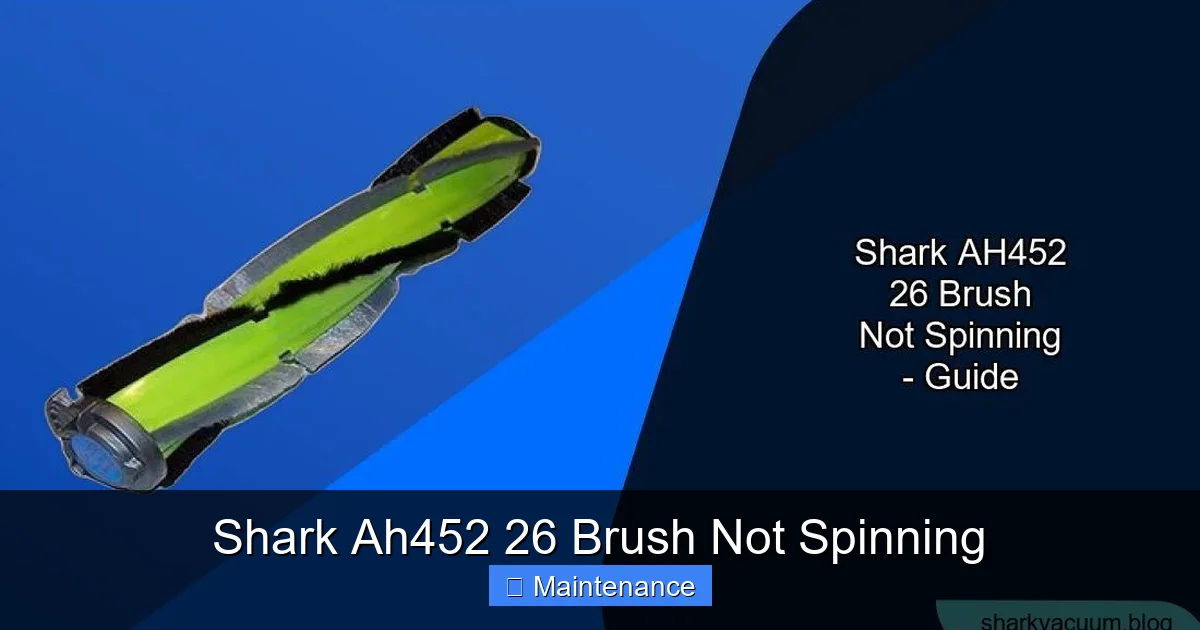
To fix something, it helps to understand how it’s supposed to work. The brush roll (sometimes called a beater bar) on your Shark AH452 26 is a simple but critical component. It’s a cylindrical roller with bristles that rotates rapidly when the vacuum is on. Its job is to agitate carpet fibers, kicking up embedded dirt, dust, and pet hair so the suction motor can then pull it into the bag or bin. The power for this rotation doesn’t come from the main suction motor directly. Instead, a system of belts and pulleys transfers the motor’s rotational force to the brush roll.
The Power Transfer System: Belts, Pulleys, and Motors
Inside the floor head of your Shark AH452 26, you’ll find a small electric motor dedicated solely to spinning the brush roll. This motor has a small pulley (a wheel) attached to its shaft. Running from this motor pulley to another pulley on the end of the brush roll is a critical, often overlooked part: the drive belt. This rubber belt is what physically connects the two. When the vacuum is turned on, the brush roll motor spins, turning its pulley, which grips the belt and pulls it, causing the brush roll pulley—and thus the entire brush roll—to spin. A failure anywhere in this chain—a jammed brush roll, a broken/slipping belt, or a failed brush roll motor—will result in a stationary brush. The “Shark AH452 26 brush not spinning” symptom is the final output of one of these upstream failures.
Diagnosis: The Systematic Approach to Finding the Cause
Don’t just start taking things apart. A methodical diagnosis will save you time and ensure you fix the right problem. The key is to isolate the failure point. We’ll start with the most common and easiest to check and move to the more complex.
Visual guide about Shark Ah452 26 Brush Not Spinning
Image source: sharkvacuum.blog
Step 1: The Visual and Tactile Inspection (The Easiest Check)
First, flip your Shark AH452 26 over. Look directly at the brush roll through the head. Is it visibly jammed with hair, string, or carpet fibers? This is the #1 cause. Use a seam ripper, scissors, or even your fingers (carefully, with the vacuum unplugged!) to cut and remove any debris wrapped tightly around the bristles or the bearings at each end. Often, a thick mat of hair can act like a clamp, preventing the roll from turning. Clear this completely. Next, try to spin the brush roll by hand. Does it turn freely in both directions? If it’s stiff, gritty, or doesn’t spin at all, the bearings are likely packed with debris or have failed. This is a sign you may need a new brush roll assembly.
Step 2: The Belt Inspection (The Most Common Mechanical Failure)
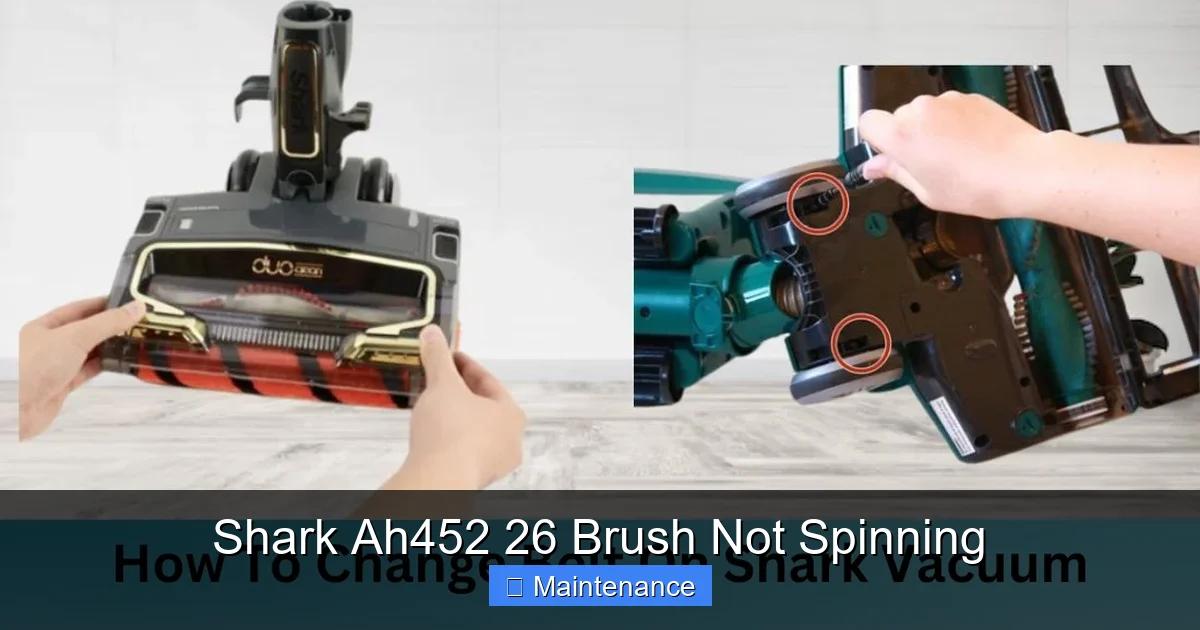
With the vacuum unplugged, you’ll need to access the belt. On the Shark AH452 26, this usually involves removing the bottom plate of the floor head. Look for several screws (often Torx/star bits) around the perimeter of the brush roll housing. Remove them and lift off the plate. Once the plate is off, you’ll see the belt. Here’s what to look for:
- Is the belt missing? It may have snapped and fallen off.
- Is the belt loose and slack? Belts stretch over time and lose tension, causing them to slip on the pulleys without breaking.
- Is the belt broken, frayed, or melted? Look for a clear break or signs of overheating (a melted, gummy spot).
- Is the belt on the pulleys? Sometimes a loose belt will jump off one of the pulleys entirely.
If the belt shows any of these failure signs, replacement is necessary. It’s a cheap and easy fix.
Step 3: The Motor Test (The Least Common Culprit)
If the brush roll spins freely by hand and the belt looks intact and taut, the problem may be the dedicated brush roll motor. You can test this without fully reassembling the vacuum. With the floor head plate still off, plug the vacuum in and turn it on (be careful of moving parts!). You should hear and see the small motor spinning. If you hear a humming sound but the motor shaft doesn’t turn, the motor is likely seized or burned out. If you hear nothing, there could be an electrical issue in the wiring to that motor. Motor failure is rare, but it happens, especially in vacuums that have been used heavily for years.
Fix #1: Clearing a Debris Jam – The 5-Minute Miracle
This is your starting point for 70% of “Shark AH452 26 brush not spinning” cases. Hair, string, and carpet fibers are relentless. They don’t just wrap around the bristles; they find their way into the tiny bearings at each end of the brush roll, locking it solid.
Visual guide about Shark Ah452 26 Brush Not Spinning
Image source: sharkvacuum.blog
Tools You’ll Need:
- Scissors or a sharp seam ripper
- A small, stiff brush (an old toothbrush works perfectly)
- A flashlight
- Needle-nose pliers (optional but helpful)
The Process:
1. Unplug the vacuum. This is non-negotiable for safety.
2. Lay the vacuum on its side for better access to the brush roll.
3. Illuminate the area with your flashlight. You’ll likely see a thick, felt-like mat of material wrapped around the core of the brush roll, near the ends.
4. Cut and pull. Use your scissors or seam ripper to slice through the mass of hair/fibers. Don’t try to pull it off whole; cutting it into smaller sections makes removal much easier. Use the pliers to grab and pull out stubborn bits.
5. Clean the bearings. Once the bulk is off, spin the brush roll by hand. If it’s still stiff, focus on the plastic end caps. Debris often packs into the small hole where the metal axle meets the plastic housing. Use your toothbrush to scrub these areas, and pick out any visible fibers with the pliers.
6. Test spin. The brush roll should now spin freely and smoothly for several seconds when given a good flick. Reassemble the bottom plate, plug in, and test. In most cases, this solves the problem instantly.
Fix #2: Replacing the Drive Belt – The Most Frequent Part Failure
If the brush roll spins freely but still doesn’t turn when the vacuum is on, the belt is your prime suspect. Belts are consumable parts. They stretch, lose elasticity, and can break from the stress of constant use and heat. Replacing the belt on the Shark AH452 26 is a straightforward task.
Visual guide about Shark Ah452 26 Brush Not Spinning
Image source: vacuupedia.net
Identifying the Correct Replacement Belt
Your Shark AH452 26 uses a specific belt model. The easiest way to find it is to locate the model number on your vacuum (usually on a sticker on the back or bottom) and search “Shark AH452 26 belt” online or at a parts supplier. Generic “Shark vacuum belts” often fit many models, but confirming the exact part number (like a “Shark Belt 186” or similar) ensures a perfect fit. A typical replacement costs between $8 and $15.
The Replacement Process:
1. Unplug and prepare. Remove the bottom plate as you did for inspection.
2. Remove the old belt. Stretch the belt off the motor pulley first (the smaller pulley on the motor shaft), then slide it off the brush roll pulley. If it’s broken, just pull it off.
3. Install the new belt. This is the trickiest part. Stretch the new belt over the brush roll pulley first. It’s easiest to hook one side of the belt onto a tooth of the pulley and then work your way around, stretching it onto the pulley. Once it’s fully on the brush roll pulley, stretch it over and onto the motor pulley. Ensure it’s seated properly on both pulleys, sitting in the groove.
4. Check tension. The belt should be snug. You shouldn’t be able to easily twist it 90 degrees. If it’s loose, it may be the wrong belt or not fully seated.
5. Reassemble and test. Put the bottom plate back on, secure all screws, plug in, and turn on. You should immediately hear the brush roll start spinning. If it doesn’t, double-check the belt is on both pulleys correctly.
Fix #3: When the Brush Roll Itself Needs Replacing
Sometimes, the brush roll is the problem. The plastic housing can crack, the bristles wear down to nubs, or the internal bearings seize permanently. If you’ve cleared every jam, replaced the belt, and the brush roll still doesn’t spin freely by hand or doesn’t turn when the belt is engaged (and the belt/motor are good), the brush roll assembly is faulty.
Signs of a Failed Brush Roll:
- Excessive vibration or noise even when spinning freely.
- Visible cracks in the plastic end caps or body.
- Worn, missing, or matted bristles that no longer agitate.
- It spins freely when removed but binds when installed (could indicate a misaligned mounting).
Replacing the Brush Roll:
Replacement is simple. Note how the old one is mounted—it usually slides into slots or clips on the sides of the floor head housing, and the belt loops around its central pulley. Remove the old belt, then slide or pull the brush roll straight out. Some models have a clip or retaining ring; check yours. Install the new brush roll in the exact same orientation, reattach the belt, and reassemble the bottom plate. Ensure it spins freely before final tightening of screws.
Advanced Troubleshooting: Is It the Motor or Wiring?
You’ve cleared jams, installed a new belt, and put in a new brush roll. The brush roll spins freely. The new belt is on correctly. But when you plug the Shark AH452 26 in and turn it on… nothing. The brush roll remains still. Now we must look deeper at the brush roll motor and its electrical circuit.
Testing the Brush Roll Motor Directly
This test requires a bit of comfort with basic electricity. Always unplug the vacuum before touching any wires. You need to access the two wires that connect to the brush roll motor. They are usually connected with a small plastic plug or spade connectors. With the vacuum unplugged and the bottom plate off, disconnect this plug. You can then use a multimeter set to continuity/ohms to test the motor. Touch the probes to the two metal terminals on the motor itself. You should get a low resistance reading (usually under 5 ohms). If it reads infinite resistance (or the meter beeps for continuity, depending on the setting), the motor’s internal windings are broken, and the motor needs replacement. If you’re not comfortable with this, a professional diagnosis is the next step.
Checking for Power Delivery
If the motor tests good, the issue is that power isn’t getting to it. This could be a faulty switch, a broken wire somewhere in the hose or handle, or a blown thermal fuse in the power line. Tracing this wiring requires a wiring diagram for the Shark AH452 26 and more advanced electrical troubleshooting skills. At this point, if you’re not an electronics hobbyist, the cost-benefit often shifts toward professional repair or replacement, especially on an older machine.
Prevention: Keeping Your Shark AH452 26’s Brush Spinning for Years
The best repair is the one you never have to make. A few minutes of preventive maintenance after every few uses will keep your Shark AH452 26 performing at its peak and prevent the dreaded non-spinning brush.
The Post-Cleaning Ritual (2 Minutes)
After you’ve finished a thorough cleaning, especially on carpets with pets or long hair, take 120 seconds. Flip the vacuum over. Use your scissors or a dedicated brush cleaning tool to slice away any hair or fibers wrapped around the brush roll. Don’t wait for it to become a solid mat. Clear the end caps and the area where the belt sits. This simple habit prevents debris from working its way into the bearings and causing a jam.
Monthly Deep Clean
Once a month, remove the bottom plate completely. Give the brush roll, the belt, the pulleys, and the entire inside of the floor head a thorough cleaning with a dry cloth and your brush. Remove any dust or fine debris that can accumulate and cause friction. Inspect the belt for glazing (a shiny surface) or cracks—early signs of wear.
Mind Your Surfaces
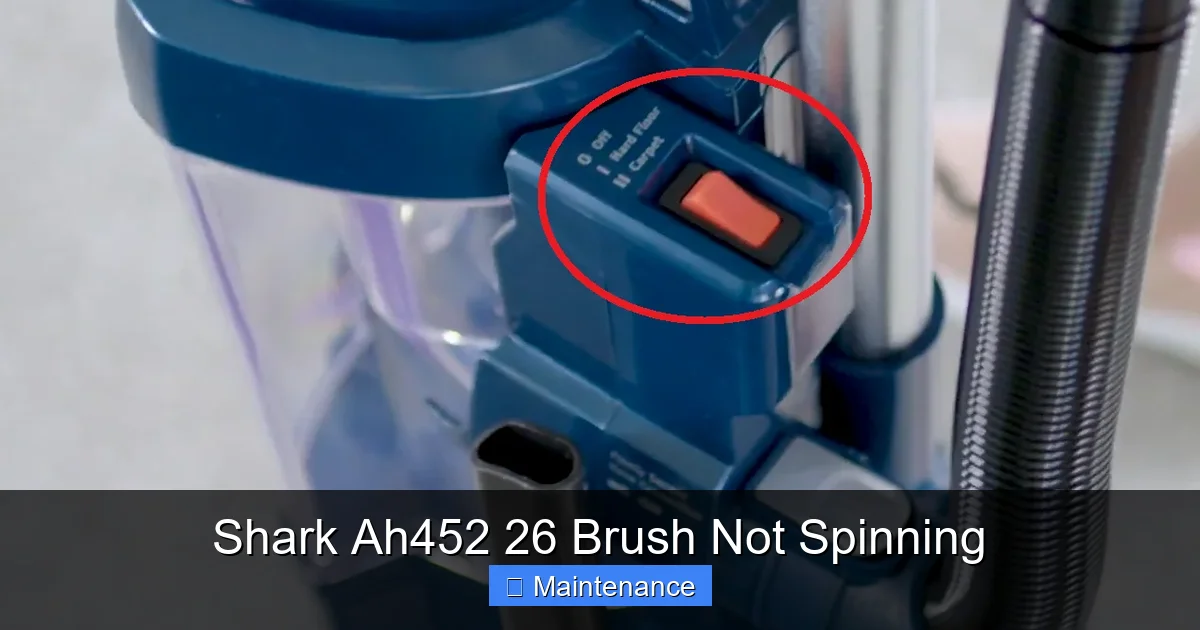
While the Shark AH452 26 is designed for carpets, be mindful of what you vacuum. Drapery tassels, loose rug fringes, and large items like hair ties or rubber bands are notorious for wrapping around and jamming brush rolls. Pick up large objects before vacuuming. For very low-pile rugs or hard floors, consider using the “hard floor” setting if your model has one, which may disengage the brush roll to prevent scattering debris and reduce wear.
Conclusion: Empowered to Fix, Informed to Decide
A Shark AH452 26 brush not spinning is not a death sentence for your vacuum. It’s a symptom, and like a good detective, you now have the tools to follow the clues. Start with the free and easy fix: clear that jam. It’s the most likely culprit. If that doesn’t work, the $10 belt replacement is your next, and very probable, solution. Only after those two steps should you suspect the more expensive brush roll or motor. By embracing this diagnostic hierarchy, you save money, gain valuable knowledge about your appliance, and experience the satisfaction of a successful repair. You’ve invested in a Shark vacuum for its cleaning power; now you’ve learned how to protect that investment for the long haul. So next time you see that still brush roll, don’t sigh—grab your scissors and get to work. Your carpet—and your wallet—will thank you.
Frequently Asked Questions
What is the very first thing I should do if my Shark AH452 26 brush isn’t spinning?
Immediately unplug the vacuum. Then, flip it over and visually inspect the brush roll for hair, string, or carpet fibers wrapped around it. Use scissors to carefully cut and remove any debris. This solves the problem in most cases and is the safest, quickest first step.
How can I tell if my Shark AH452 26 needs a new belt?
Remove the bottom plate and look at the belt. If it’s loose and floppy, has a visible crack or break, is melted or glazed, or has jumped off one of the pulleys, it needs replacement. A new, good belt should be snug and sit firmly in the groove of both the motor and brush roll pulleys.
Is a non-spinning brush roll always a sign of a broken motor?
No, a failed motor is actually the least common cause. Always check for jams and inspect/replace the belt first. Only if the brush roll spins freely by hand, the new belt is correctly installed, and the motor doesn’t hum or turn when activated should you suspect a motor failure.
Will cleaning my Shark AH452 26 brush roll void the warranty?
Basic cleaning and debris removal will not void your warranty. However, if your vacuum is still under the manufacturer’s warranty period, it’s best to contact Shark customer support first for guidance. They may offer to replace a faulty part under warranty. Major disassembly could potentially void it, so check your warranty terms.
What’s the most important thing I can do to prevent this problem?
Develop a habit of quickly checking and clearing the brush roll of wrapped hair and fibers after every 2-3 uses, especially if you have pets. This 60-second preventive maintenance stops debris from packing into the bearings and jamming the roll, which is the root cause of most failures.
Should I repair my Shark AH452 26 or just buy a new one?
For a jam or a $10-$15 belt replacement, absolutely repair it. Even a new brush roll assembly ($20-$40) is a fraction of the cost of a new vacuum. Only consider replacement if the main suction motor fails, the machine is very old and has multiple issues, or the cost of a professional repair exceeds 50% of the value of a comparable new vacuum.