Staring at a Shark portable steam cleaner that won’t produce steam can be incredibly frustrating, but don’t rush to replace it! The vast majority of issues are simple, fixable problems often related to water quality, minor clogs, or user error. This guide walks you through every common failure point, from an empty tank to a faulty thermostat, with clear, step-by-step solutions. By understanding your machine and performing regular maintenance, you can almost always restore its powerful cleaning performance and extend its life for years.
Key Takeaways
- Water is the #1 Culprit: Using tap water leads to mineral scale buildup that blocks steam pathways and damages the heating element. Always use distilled or demineralized water.
- No Steam Often Means No Water: The simplest fix is ensuring the water tank is properly seated and filled above the minimum line. An empty or misaligned tank is a frequent, overlooked cause.
- Clogs are Common and Fixable: Mineral deposits or debris can block the nozzle, hose, or internal vents. A simple pin or paperclip can often clear these blockages safely.
- Listen and Watch for Clues: A humming motor with no heat points to a faulty thermostat or heating element. Gurgling sounds usually mean air is trapped in the system, requiring a purge cycle.
- Prevention is Easier Than Repair: A monthly descaling routine using white vinegar or a commercial descaler prevents 90% of “not working” issues and maintains peak efficiency.
- Check the Obvious First: Always verify the unit is plugged into a working outlet, the power switch is on, and the safety lock (if equipped) is disengaged before complex troubleshooting.
- Know Your Warranty: Shark products have limited warranties. If your unit is still covered and the issue is a manufacturing defect, contacting Shark support is your best and freeest path to a solution.
📑 Table of Contents
- Introduction: The Silence of a Broken Steam Cleaner
- Understanding Your Shark Portable Steam Cleaner: The Basics
- Most Common Reasons Your Shark Steam Cleaner Fails
- Step-by-Step Troubleshooting Guide: From Simple to Complex
- Essential Maintenance: Keeping Your Shark Steamer Alive
- When to Contact Shark Customer Support: Warranty and Professional Repair
- Conclusion: Empowerment Over a Broken Machine
Introduction: The Silence of a Broken Steam Cleaner
You’ve filled the tank, you’ve aimed the nozzle, you’ve pressed the trigger, and… nothing. No hiss of steam, no warm mist, just the quiet hum of a machine that has given up on you. A Shark portable steam cleaner not working feels like a betrayal, especially after you’ve relied on it to tackle grimy grout, greasy stovetops, and stubborn carpet stains. The immediate thought is often, “It’s broken. I need a new one.” But hold on. Before you despair or head to the store, take a deep breath. The truth is, your Shark steamer is a relatively simple machine with a singular job: heat water until it turns to steam. When it fails to perform that job, the cause is almost always something you can identify and fix yourself with common household items and a little patience.
This guide is your definitive troubleshooting companion. We’ll move beyond frustration and into understanding. We’ll explore the inner workings of your Shark portable model, decode the symptoms, and provide you with a logical, safe repair pathway. Whether your unit sputters, produces weak steam, overheats, or stays stone-cold, we’ll cover it. Think of this not as a technical manual, but as a conversation with a friend who knows a thing or two about these fantastic little cleaning workhorses. Let’s get your Shark steaming again.
Understanding Your Shark Portable Steam Cleaner: The Basics
To diagnose why your Shark portable steam cleaner is not working, you first need to grasp its fundamental operation. It’s a beautifully simple concept, executed with clever engineering. At its heart is a water tank, a heating element (usually an aluminum or copper boiler), a pump or pressure system, and a series of valves and nozzles. When you fill the tank and plug in the unit, electricity flows to the heating element, which rapidly brings the water to a boil, creating high-pressure steam. That steam travels through a hose and out the nozzle tip, where it blasts away dirt and grease. The magic is in the pressure and heat.
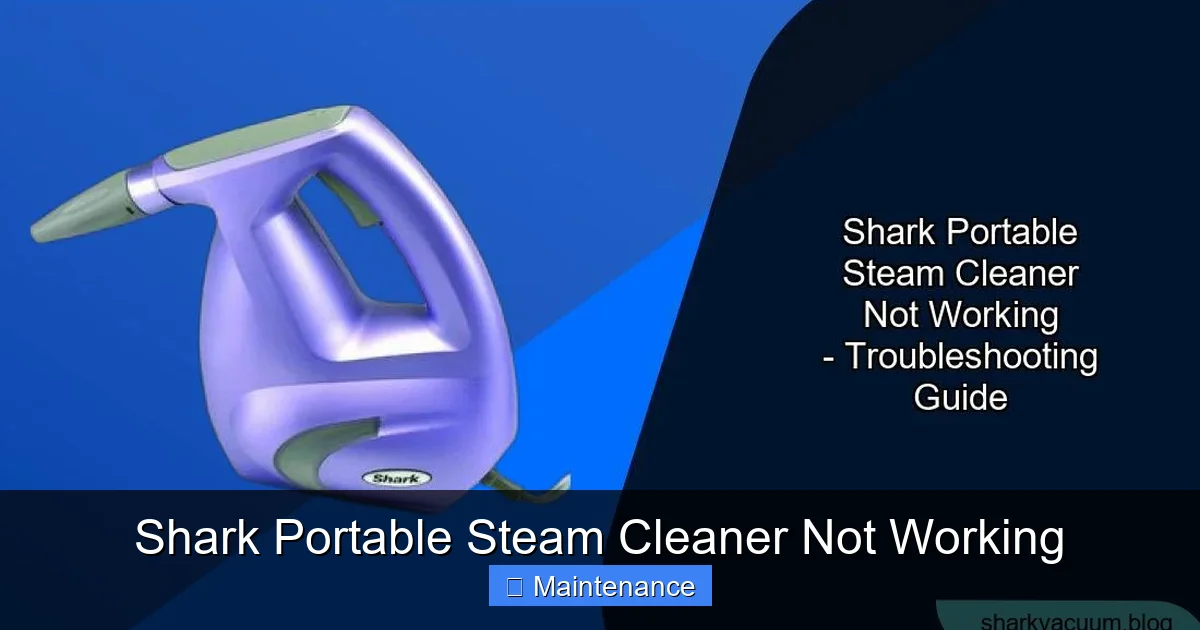
Visual guide about Shark Portable Steam Cleaner Not Working
Image source: sharkvacuum.blog
The Critical Role of Water Quality
The single most important factor affecting your Shark steamer’s performance and longevity is the type of water you use. Shark, like all steam cleaner manufacturers, strongly recommends using distilled or demineralized water. Why? Tap water contains dissolved minerals like calcium and magnesium. As your steamer heats the water, these minerals don’t evaporate with the steam; they precipitate out and form a hard, crusty scale. This scale acts like plaque in an artery, slowly clogging the tiny internal waterways, coating the heating element (reducing its efficiency and causing it to overheat), and eventually blocking steam flow entirely. Using tap water is the #1 reason for a “Shark portable steam cleaner not working” scenario that develops over time.
How the Safety System Works
Your Shark steamer has built-in safety features, primarily a thermal cutoff switch or thermostat. This component monitors the internal temperature of the boiler. If the unit runs out of water, the temperature can skyrocket. The safety switch detects this and cuts power to the heating element, preventing a fire or catastrophic failure. This is why a unit with an empty or improperly seated tank might hum (the pump running) but produce no heat or steam—the safety switch has already tripped. Understanding this helps you diagnose whether the problem is a simple water issue or a failed component.
Most Common Reasons Your Shark Steam Cleaner Fails
When your Shark steamer quits, it’s trying to tell you something. The symptom—no steam, weak steam, strange noises, leaking—points to a specific area of failure. Let’s categorize the usual suspects.
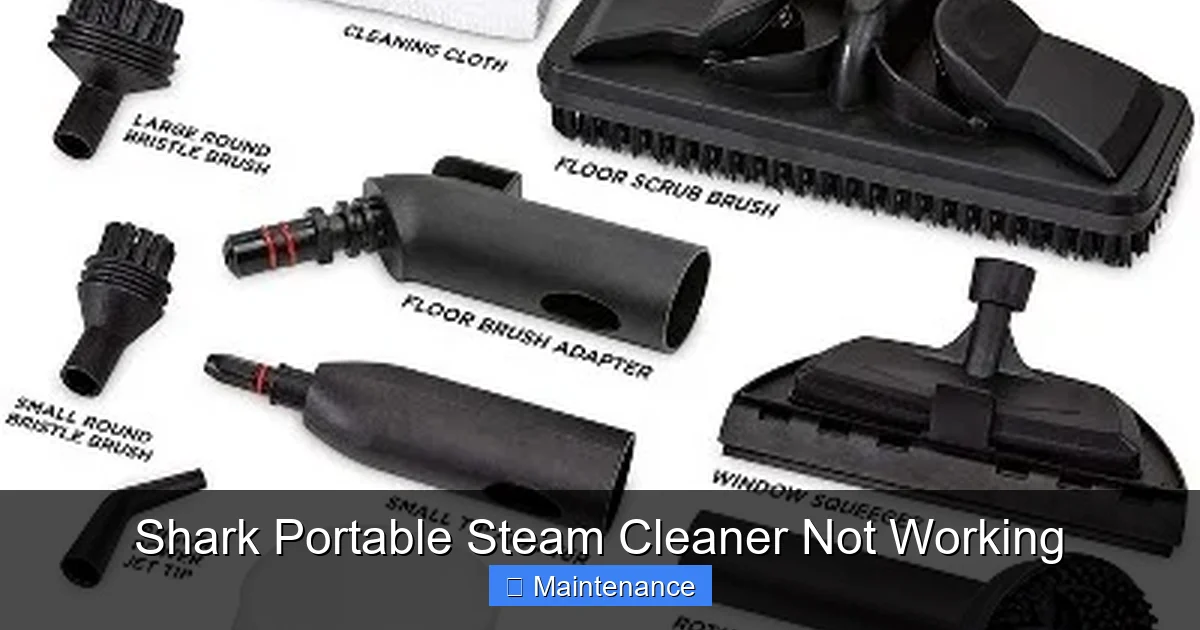
Visual guide about Shark Portable Steam Cleaner Not Working
Image source: target.scene7.com
Symptom 1: No Steam, No Heat, Just a Hum
This is the classic “brick” scenario. The unit is plugged in, the switch is on, you hear a faint motor hum, but the body stays cool and no steam emerges. The primary causes are:
- Empty or Low Water Tank: The water level sensor or the physical absence of water contacting the heating element will prevent activation.
- Tank Not Properly Seated: The tank must click into place, completing a circuit that allows the heating element to energize. If it’s slightly askew, the circuit is broken.
- Tripped Thermal Safety Switch: This can happen if the unit recently ran dry or was turned on while empty. It often resets on its own after the unit cools completely (1-2 hours), but sometimes it requires a manual reset or has failed.
- Faulty Power Cord or Outlet: Less common, but always rule out. Test the outlet with another device.
Symptom 2: Steam is Weak, Spits, or Stops Quickly
The unit gets hot, you hear it working, but the steam output is pathetic and dies after a minute. This points to a restriction in the steam path or insufficient water reaching the heating element:
- Severe Mineral Scale Buildup: This is the chronic issue from using tap water. Scale cakes the boiler’s interior, the steam vents, and the nozzle holes, choking flow.
- Clogged Nozzle or Accessory: The tiny orifice where steam exits is easily blocked by debris or mineral particles.
- Air Lock in the System: After filling, air bubbles can become trapped, preventing water from contacting the heating plate properly. The unit will gurgle and sputter.
- Failing Pump/Pressure System: The mechanism that pushes water to the heating element is weak or broken. This is a more serious internal failure.
Symptom 3: Unit Overheats, Shuts Off, or Smells “Burnt”
The machine gets excessively hot to the touch, shuts down prematurely during use, or emits a faint burning odor (not from cleaning a dirty surface). This is dangerous and indicates:
- Heating Element Coated in Scale: The mineral insulating layer forces the element to work harder and run hotter to heat the water, potentially overheating the metal itself.
- Failed Thermostat/Safety Switch: The component meant to shut it off at a safe temperature has failed in the “on” position or is malfunctioning, allowing temperature to rise unchecked.
- Internal Wiring Issue: A short or damaged wire can cause localized overheating.
Symptom 4: Water Leaks from Unexpected Places
Water dripping from the body, hose connections, or nozzle when not in use or during operation:
- Worn or Damaged Seals/Gaskets: Rubber seals around the tank cap, hose connections, or internal valves degrade over time and with heat exposure.
- Cracked Water Tank: A drop or impact can cause a hairline crack, especially around the fill cap threads.
- Overfilled Tank: Filling above the max line can cause pressure to force water out through the weakest seal.
Step-by-Step Troubleshooting Guide: From Simple to Complex
Now, let’s play detective. Follow this flowchart of fixes in order. Always unplug your Shark steamer before performing any inspection or maintenance.
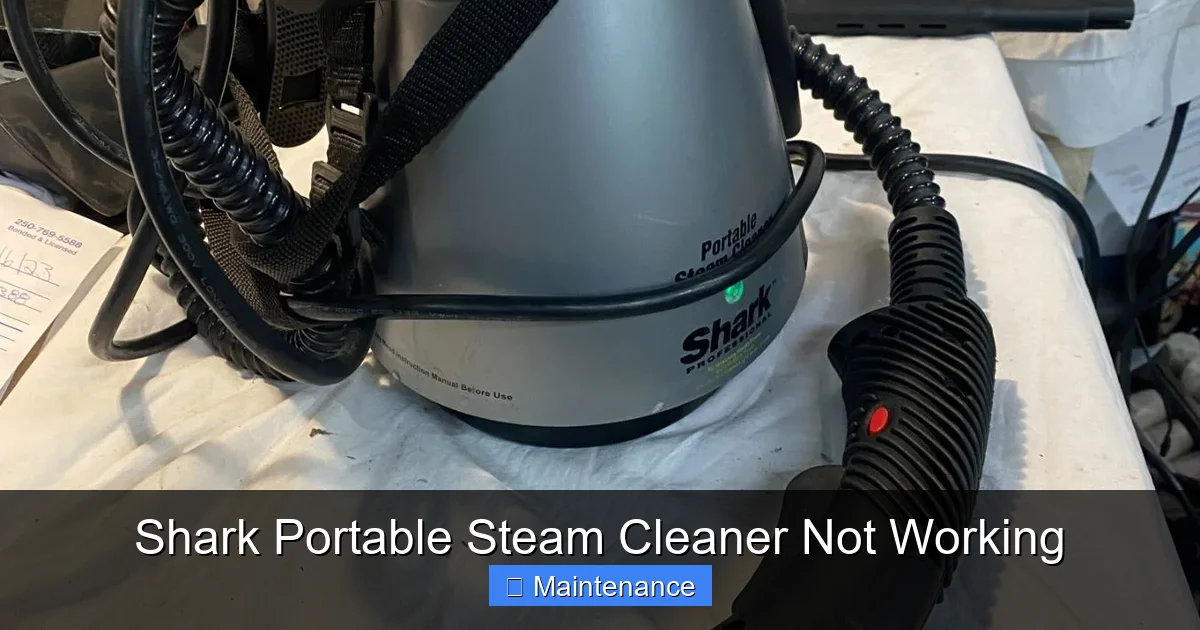
Visual guide about Shark Portable Steam Cleaner Not Working
Image source: dygtyjqp7pi0m.cloudfront.net
Step 1: The Absolute Basics Checklist
Before you take anything apart, confirm these five things:
- Power: Is the outlet working? Try another appliance. Check the power cord for damage.
- Water: Is the tank filled with the recommended water type (distilled/demineralized) to above the MIN line? Is the tank cap securely tightened?
- Seating: Remove the tank and re-insert it firmly until you hear/feel a distinct click. This ensures the tank’s electrical contacts are engaged.
- Safety Lock: Some models have a trigger lock. Ensure it is disengaged.
- Cool Down: If the unit recently ran dry or shut off, let it cool completely for 1-2 hours. The thermal safety switch may reset automatically.
After confirming all of the above, try again. If it still fails, move to the next step.
Step 2: Purge Air and Check for Clogs
Air locks and surface clogs are the next most common issues.
- Purge the System: With the tank filled and seated, unplug the unit. Hold the steam trigger down for 30 seconds. This allows any trapped air to escape through the nozzle. Plug it back in and try again.
- Inspect and Clean the Nozzle: The steam exit hole is tiny. Use a straightened paperclip or a fine needle to gently poke through the aperture. Do this while the unit is off and cool. Also, check any brush attachments for clogged bristles or debris.
- Check the Steam Vents: On the body of the handheld unit, there are often small steam vents for the “burst of steam” feature. Ensure these are not clogged with lint or scale. A gentle scrape with a toothpick can help.
Step 3: The Descaling Procedure (The Most Important Fix)
If your Shark steamer has been used with tap water, scale is almost certainly your problem. Descaling is not optional maintenance; it is essential repair. Here is a comprehensive, safe method using white vinegar, which is effective and non-toxic.
- Prepare the Solution: Mix a 1:1 solution of white distilled vinegar and water. For heavy buildup, you can use full-strength vinegar. You will need enough to fill the water tank.
- Fill and Soak: Fill the tank with the vinegar solution. Do not plug in the unit yet. Secure the tank and let it sit for 30-60 minutes. This allows the vinegar to begin dissolving the scale inside the boiler and pathways.
- Run the Cycle: Plug in the unit and turn it on. Hold the steam trigger continuously and allow the unit to run until the tank is nearly empty. You will likely see cloudy, gritty water in the tank—that’s dissolved scale. The initial steam may smell like vinegar; this is normal. Ventilate the area.
- Rinse Thoroughly: Empty the tank completely. Rinse it with clean water. Fill it with fresh, distilled water only. Run the steamer again, holding the trigger, until this tank is empty. This flushes out residual vinegar and loosened scale.
- Repeat if Necessary: If performance is still poor, repeat the entire descaling process. For extremely neglected units, you may need to do it 2-3 times.
Pro Tip: After a successful descaling, always use only distilled water going forward. This single habit will prevent 95% of future failures.
Step 4: Advanced Inspection and Component Checks
If descaling and basic cleaning don’t restore function, the issue is likely internal.
- Check the Heating Element (if accessible): On some models, you can remove the base plate to see the boiler. Look for a thick, white, crusty coating on the metal. This confirms severe scaling. If the element is coated, it needs to be descaled as above. If it is visibly damaged (blistering, broken), it needs replacement.
- Test the Thermal Cutoff: This is a small, round, metal component, usually with two wires attached, mounted on the boiler or nearby. With the unit unplugged, use a multimeter set to continuity/ohms. Touch the probes to the two terminals. It should show continuity (a beep or low resistance reading). If it shows an open circuit (no beep, infinite resistance), it has failed and needs replacement. You must source the exact replacement part for your Shark model.
- Inspect the Pump/Valve Assembly: Listen carefully when you turn the unit on. Do you hear a distinct whirring or pumping sound? If you hear only a faint hum or nothing at all, the small electric pump that pressurizes the system may be faulty. This is a more complex repair.
Essential Maintenance: Keeping Your Shark Steamer Alive
An ounce of prevention is worth a pound of cure. Adopt this simple routine, and your Shark portable steam cleaner will provide years of faithful service.
The Monthly Descale
Even if you use only distilled water, perform a light descaling with a vinegar solution once a month. It’s a quick 15-minute process that flushes any microscopic particles and keeps internal parts pristine. Think of it as a detox for your cleaner.
After Every Use: The 3-Minute Flush
After each cleaning session, do not just empty the tank and put it away. Instead:
- Fill the tank with fresh distilled water.
- Run the steamer with the trigger held down in a well-ventilated area (like a bathroom with the fan on) until the tank is empty. This flushes out any residual dirt, soap, or cleaner that might have been drawn in.
- Empty any remaining water from the tank and leave the cap off and the trigger depressed to allow the internal system to air dry completely. This prevents mold, mildew, and stale water smells.
Storage and Care
Store your Shark steamer in a cool, dry place. Do not store it with water in the tank or with the cap sealed, as this creates a humid environment perfect for bacterial growth. Avoid wrapping the cord tightly around the unit; use the built-in cord wrap if available, or loosely coil it. Periodically wipe down the exterior with a damp cloth. Never use abrasive cleaners on the plastic housing.
When to Contact Shark Customer Support: Warranty and Professional Repair
You’ve exhausted the troubleshooting steps. The unit is clean, descaled, reassembled correctly, and still refuses to work. Now it’s time to evaluate your options.
Know Your Warranty
Shark products typically come with a 1-year limited warranty from the date of purchase. This covers defects in materials and workmanship. It does not cover damage from misuse, neglect, or use of improper water (like tap water causing scale). Before calling, have your model number (found on the rating plate, usually on the back or bottom) and proof of purchase ready. If your issue is a known manufacturing defect, Shark will repair or replace it at no cost.
How to Make the Support Call Effective
When you call or contact Shark support, be prepared. Clearly describe the problem: “My Shark portable steam cleaner, model S3601, will not produce any steam. It hums but stays cold. I have descaling it twice with vinegar and confirmed the tank is properly seated.” This tells them you’ve done basic troubleshooting. They may walk you through additional steps or, if it’s under warranty, initiate a repair/replacement process. Be polite but firm. If the representative says scale damage isn’t covered, ask to speak to a supervisor, as sometimes exceptions can be made for newer units.
Considering Third-Party Repair
If your unit is out of warranty, you face a choice: recycle it and buy new, or seek a repair. The cost of professional repair for a small appliance like this can often approach or exceed the price of a new unit, especially if the heating element or pump needs replacement. Unless you have sentimental attachment or the model is discontinued and irreplaceable, purchasing a new Shark steamer (and this time, vowing to use only distilled water!) is usually the most economical choice. Some local small appliance repair shops might offer a diagnostic fee that is worth it for peace of mind.
Conclusion: Empowerment Over a Broken Machine
A Shark portable steam cleaner not working is rarely a death sentence for the machine. It’s a communication. A hum with no heat screams “empty tank or tripped switch.” Weak steam whispers “I’m clogged with scale.” A burnt smell shouts “I’ve been working too hard because you used tap water!” By listening to these symptoms and following the logical, safe steps outlined here—starting with the simplest checks, moving to the vital descaling process, and understanding the internal components—you transform from a frustrated owner into a capable problem-solver. The tools for repair are often as simple as a paperclip, some vinegar, and a willingness to look inside. Embrace the maintenance routine. Use only distilled water. Your Shark steamer is a powerful, chemical-free cleaning ally. With a little care, it will continue to blast away grime in your home for many years, saving you time, money, and hassle. Don’t give up on it. Get it steaming again.
Frequently Asked Questions
Why is my Shark steam cleaner making a loud gurgling or bubbling noise but not producing steady steam?
This usually indicates an air lock in the system. Unplug the unit, hold the steam trigger down for 30 seconds to let air escape, then refill with distilled water and try again. If it persists, you likely have a significant scale clog requiring a full descaling cycle with vinegar.
Can I use tap water in my Shark steam cleaner if I descale it regularly?
While regular descaling can mitigate damage, it is not a substitute for using distilled water. Tap water minerals will accumulate faster than you can remove them, leading to permanent damage, reduced performance, and a shorter lifespan for your cleaner. For optimal function, always use distilled or demineralized water.
My Shark steamer gets very hot but only produces a tiny amount of steam. What’s wrong?
This is a classic symptom of a severe mineral scale buildup. The heating element is working hard (hence the heat) but the steam pathways are choked. Perform a thorough descaling using the full vinegar-water method described in the guide. You may need to repeat the process 2-3 times for heavily scaled units.
Is it safe to use a needle or paperclip to clean the steam nozzle?
Yes, but only when the unit is completely cool and unplugged. Gently insert a straightened paperclip or a fine sewing needle into the steam exit hole to dislodge debris. Be careful not to scratch the interior of the nozzle or enlarge the hole, as this can affect steam pressure.
How do I know if the thermal safety switch on my Shark steamer is tripped?
A tripped thermal switch often causes the unit to hum without heating. The fix is usually simple: unplug the steamer and let it cool completely for 1-2 hours. The switch will automatically reset as it cools. After it’s cool, try using it again. If it immediately fails again, the switch may be faulty or there is an underlying overheating issue like a dry boiler.
My Shark steamer is leaking water from the bottom. Is it repairable?
Leaks are typically caused by worn internal seals or a cracked water tank. Seals are inexpensive and relatively easy to replace if you can source the correct part for your model. A cracked plastic tank is usually not repairable and requires a tank replacement, which may not be cost-effective. Contact Shark support with your model number to inquire about parts availability and cost.