Shark Professional Lift Away Not Rotating is an essential topic that provides valuable insights and practical knowledge for anyone interested in learning more about this subject.
Key Takeaways
- Understanding Shark Professional Lift Away Not Rotating: Provides essential knowledge for making informed decisions
- Practical applications: Can be applied in various real-world scenarios
- Key benefits: Offers significant advantages when properly implemented
- Important considerations: Requires attention to specific details and best practices
- Future implications: Continues to evolve and impact related fields
📑 Table of Contents
- That One Time My Shark Vacuum Quit Spinning (And How I Fixed It)
- Understanding the Heart of the Problem: The Brush Roll
- Diagnosing the “Not Rotating” Issue: A Step-by-Step Guide
- The Maintenance Ritual: Keeping Your Shark Spinning Strong
- The Performance Trade-Off: Living with a Non-Rotating Brush Roll
- When to Consider a Replacement (Or a New Model)
- The Final Sweep: Empowerment Over Frustration
That One Time My Shark Vacuum Quit Spinning (And How I Fixed It)
Let’s set the scene: It’s Saturday morning. The sun is shining, you’ve got your cleaning playlist on, and you’re feeling productive. You grab your trusty Shark Professional Lift Away, click the “on” switch, and… something’s wrong. The suction is there, you can hear the motor humming, but that all-important brush roll at the bottom? It’s just sitting there, dead silent. The carpet isn’t getting that deep-down clean you expect. Frustration sets in. If you’ve ever Googled “Shark Professional Lift Away not rotating,” you know this feeling all too well. You’re not alone. This specific issue is one of the most common complaints for this otherwise beloved machine. So, let’s sit down, have a virtual coffee, and talk through exactly why your Shark Professional Lift Away’s brush roll might not be spinning and, more importantly, what you can do about it.
Understanding the Heart of the Problem: The Brush Roll
Before we dive into fixes, we need to understand what we’re fixing. The brush roll (sometimes called a roller brush or agitator) is the spinning cylinder with bristles that agitates carpet fibers, kicking up dirt and debris so the suction can pull it away. In your Shark Professional Lift Away, this brush roll is powered by a small, separate motor—not the main suction motor. This design is great for efficiency, but it also means there’s an extra point of potential failure. When the brush roll stops spinning but the vacuum still has suction, it’s almost always an issue with this dedicated brush roll motor, its belt, or its activation switch. The main suction system is working fine; it’s just not getting any help to loosen the ground-in grime.
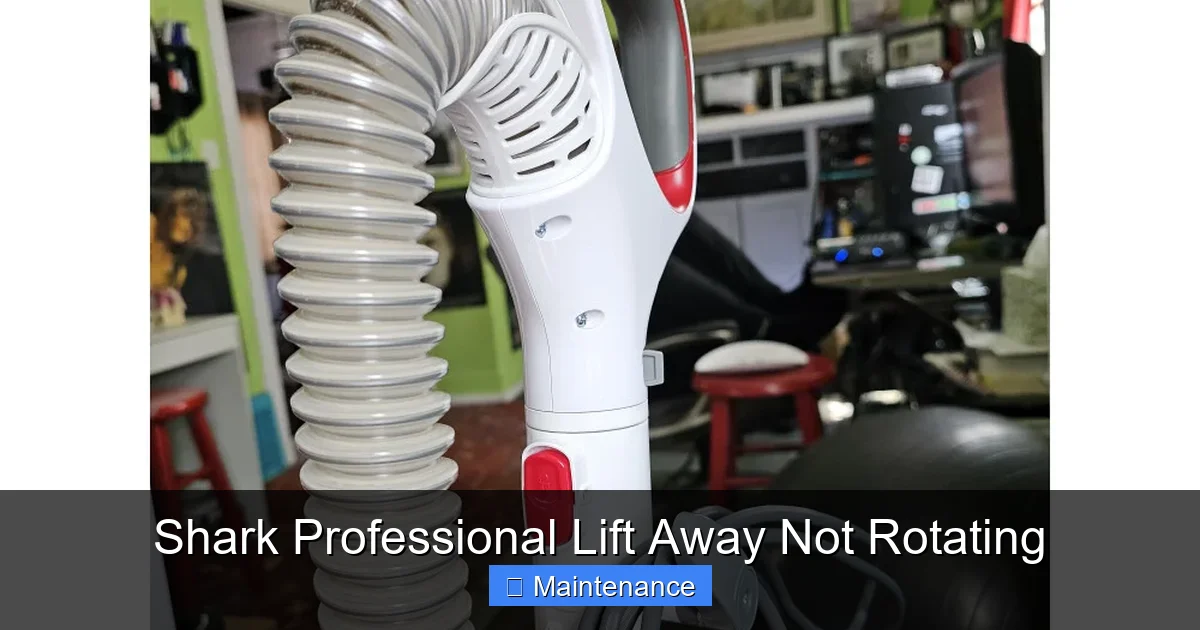
Visual guide about Shark Professional Lift Away Not Rotating
Image source: manua.ls
The Two-Motor System: Why It Matters
Your Shark has two distinct motors. The primary motor creates the suction. The secondary, smaller motor spins the brush roll. They are connected electronically and mechanically (via a belt). A problem in either circuit—electrical or mechanical—can stop the brush roll while leaving suction intact. This is the first key to diagnosis: suction is present, rotation is not. That immediately narrows down the field of suspects.
Diagnosing the “Not Rotating” Issue: A Step-by-Step Guide
Okay, deep breath. Don’t panic and assume the vacuum is dead. Most causes for a non-spinning brush roll are simple, inexpensive, and something you can diagnose and often fix yourself in under 15 minutes. Let’s work through the most common culprits, from the easiest to the more complex. Always, always unplug your vacuum before checking anything mechanical.
Visual guide about Shark Professional Lift Away Not Rotating
Image source: sharkvacuum.blog
Culprit #1: The Brush Roll Is Jammed (The #1 Suspect)
This is, by far, the most frequent reason. Hair, string, carpet fibers, and even small items like rubber bands or pet toys can wrap around the brush roll bearings, jamming it solid. The motor tries to turn it, feels the resistance, and a safety clutch or the motor itself may disengage or stall.
- What to do: Flip the vacuum over. Locate the brush roll housing (the rectangular plate on the floor head). There are usually 4-6 screws. Remove them and take off the plate. Gently pull the brush roll out. You’ll likely see a tangled mess of hair and fibers. Use scissors or a seam ripper to carefully cut and remove all debris. Check that both ends of the brush roll spin freely by hand. Clean out the housing cavity as well. Reassemble and test.
- Pro Tip: Do this monthly if you have pets or long hair. Prevention is easier than cure.
Culprit #2: The Brush Roll Belt Is Broken, Slipped, or Missing
The brush roll motor connects to the brush roll via a small, rubberized drive belt. Over time, this belt can stretch, crack, slip off its pulleys, or snap completely. Without it, the motor’s power has no way to reach the brush roll.
- What to do: With the bottom plate off as described above, locate the belt. It’s a loop around the brush roll and a small motor pulley. Is it there? Is it tight and intact, or loose, cracked, or missing? If it’s broken or missing, you need a replacement. Shark model numbers are crucial here (e.g., NV352, NV356, etc.). Find your exact model number on the back or bottom of the vacuum and order the correct belt. Replacing it is usually straightforward—stretch the new belt over the motor pulley first, then hook it onto the brush roll and rotate the brush roll to seat it properly.
Culprit #3: The Brush Roll Motor Has Failed
If the brush roll spins freely by hand (no jam) and the belt is in perfect condition, the dedicated brush roll motor itself may have burned out. This can happen from age, overheating from constant jams, or electrical faults. The motor will need to be replaced.
- What to do: Diagnosis here is trickier. You can sometimes hear a faint whirring or clicking when you turn the vacuum on (with the brush roll removed) if the motor is trying to work. But often, it’s silent. Replacing the motor requires some comfort with basic tools and electronics. You’ll need to disassemble the floor head further to access the motor, disconnect wiring harnesses, and swap it out. Search for “Shark [Your Model Number] brush roll motor replacement” on YouTube for a visual guide specific to your machine. If this feels daunting, a local vacuum repair shop can do it for a reasonable fee.
The Maintenance Ritual: Keeping Your Shark Spinning Strong
An ounce of prevention is worth a pound of cure. A non-rotating brush roll is often the direct result of neglected maintenance. Integrating these simple habits into your cleaning routine will add years to your Shark’s life and keep that brush roll spinning powerfully.
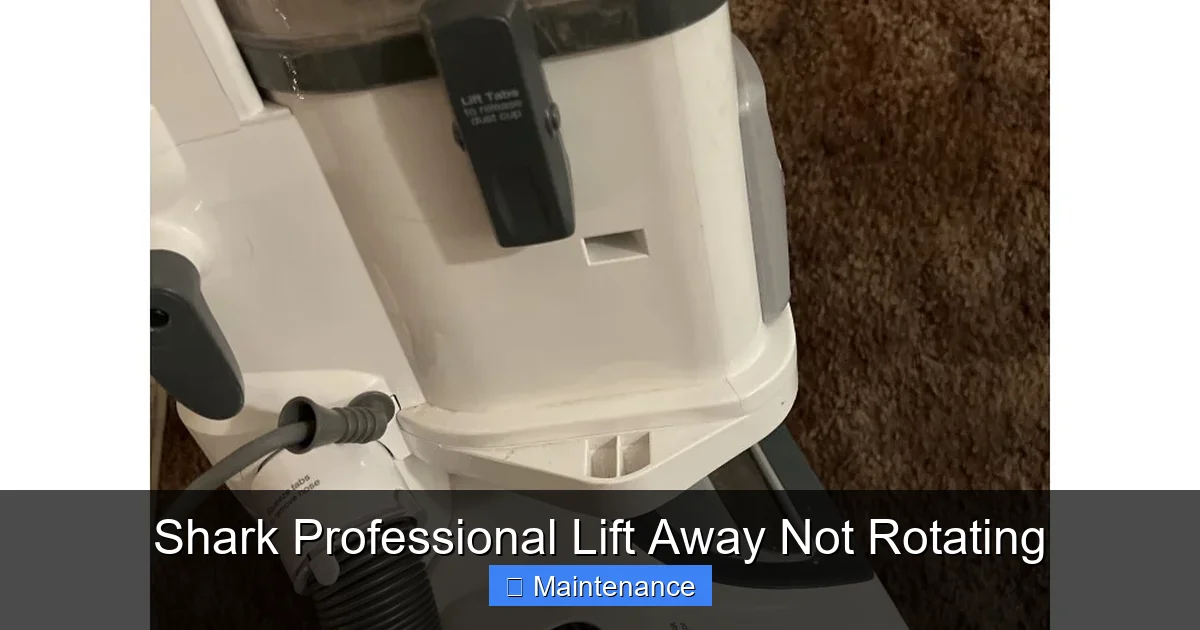
Visual guide about Shark Professional Lift Away Not Rotating
Image source: manua.ls
Monthly Deep Clean of the Brush Roll and Housing
As mentioned, make this a habit. Even if it seems to be spinning fine, hair and fibers accumulate. Once a month, take 10 minutes to remove the bottom plate, take out the brush roll, and thoroughly de-hair it. Use a dedicated brush cleaning tool or a stiff comb. Wipe the inside of the housing and the suction channel. This prevents gradual slowdowns and motor strain.
Belt Inspection and Replacement Schedule
Belts are wear items. They don’t last forever. Inspect your belt every 6 months for cracks, glazing (a shiny, hardened surface), or stretching. A good rule of thumb is to proactively replace the belt every 12-18 months, especially in households with pets or high-pile carpets. It’s a cheap part (usually $8-$15) that prevents a world of trouble. Here’s a simple reference:
| Maintenance Task | Frequency | Why It Matters for Rotation |
|---|---|---|
| Remove debris from brush roll & housing | Monthly (or more often with pets) | Prevents jams that stall the motor/belt. |
| Inspect drive belt for wear | Every 6 months | Catches cracks/stretch before breakage. |
| Proactive belt replacement | Every 12-18 months | Prevents unexpected failure and loss of cleaning power. |
| Check brush roll bearings | During monthly clean | Ensures roll spins freely; worn bearings cause drag. |
Checking the Activation Switch and Wiring
Less common, but possible. The brush roll is activated by a separate switch on the handle or body (often labelled “Brush On/Off” or with a brush icon). This switch or its wiring can fail. You can try switching it on and off while listening closely near the brush roll area for a click or hum. If there’s no sound at all from the brush motor when switched on (and you’ve ruled out jams and belt issues), the switch or its connection may be faulty. This is a more advanced electrical repair.
The Performance Trade-Off: Living with a Non-Rotating Brush Roll
Let’s be real for a moment. If you’re in a pinch and can’t fix it immediately, your Shark Professional Lift Away isn’t completely useless without its spinning brush. It still has fantastic suction for hard floors and above-carpet cleaning (stairs, upholstery, ceilings). But on carpets, you’ll notice a significant drop in performance. It will only pick up surface debris, not the deeply embedded dirt and pet hair. You might find yourself going over the same spot multiple times with little result. It’s the difference between a surface clean and a deep clean. Knowing this helps you prioritize the fix and adjust your cleaning strategy in the meantime—maybe breaking out the old upright for carpets until the Shark is repaired.
When to Consider a Replacement (Or a New Model)
We love our Sharks, but sometimes repair isn’t the most economical choice. If your vacuum is more than 7-8 years old and you’ve already replaced belts and possibly a motor, the cost of a new brush roll motor plus your time might approach the cost of a new, current-model Shark. Furthermore, newer Shark models often have improved brush roll designs that are more resistant to hair wrap (like the “Anti-Hair Wrap” technology in some lines). If you’re at a crossroads, consider:
- Cost of Repair vs. Value of Vacuum: A new Shark Professional Lift Away (or its modern equivalent) might cost $200-$300. A motor replacement part might be $40-$70, plus your time or a shop fee. How many years of life will that repair buy?
- Frequency of the Problem: Is this the first jam, or is the brush roll constantly stopping? Chronic issues might point to a deeper design flaw for your specific flooring type.
- Exploring Alternatives: Shark has evolved. If hair wrap is your nemesis, look at their newer “Vertex” or “Strand” models with sealed systems and different brush roll geometries. Even other brands like Bissell have pet-specific designs. A new vacuum might be a better long-term solution than repairing an old warrior.
The Final Sweep: Empowerment Over Frustration
That sinking feeling when your Shark Professional Lift Away’s brush roll stops spinning is real. But it’s rarely a death sentence for your vacuum. In most cases, it’s a cry for help from a jammed brush roll or a worn-out belt—both simple, DIY fixes. By understanding the two-motor system and committing to a regular, simple maintenance ritual, you can keep your Shark performing at its peak for years. Remember, the “not rotating” problem is usually a symptom, not the disease. Treat the symptom (clear the jam, replace the belt), and you’ll have that powerful, deep-cleaning spin back in your life. Your carpets will thank you, and you’ll get that satisfying, productive cleaning feeling back. Now, go find those scissors and get de-hairing!
Frequently Asked Questions
Why is my Shark Professional Lift-Away vacuum not rotating?
This is usually caused by a clogged brush roll housing, a broken belt, or a tripped reset button. The first step is to turn off and unplug the vacuum, then check for and remove any hair or debris wrapped around the brush roll.
How do I reset the brush roll on my Shark Professional Lift-Away?
Locate the reset button on the underside of the cleaner head, near the brush roll. Press it firmly with a pen or similar tool until you hear a click, then reassemble and test the vacuum. This often resolves a thermal fuse trip from overheating.
Is the Shark Professional Lift-Away supposed to spin freely by hand?
No, the brush roll should have some resistance when you try to spin it by hand. If it spins completely freely with no tension, the belt is likely broken or has come off its track and needs to be reattached or replaced.
What should I check if my Shark Professional Lift-Away’s brush roll stops spinning?
First, ensure the vacuum is on the correct floor setting (e.g., “Carpet”). Then, inspect the brush roll for obstructions and verify the reset button hasn’t popped. A worn or broken drive belt is a very common cause and will need replacement.
Shark Professional Lift Away Not Rotating – is this a common defect?
While not a widespread defect, brush roll issues are the most common complaint for this model, typically from clogs, belt wear, or debris jams. Regular maintenance, like cleaning the brush roll monthly, significantly reduces these occurrences.
Can I replace the brush roll belt on my Shark Professional Lift-Away myself?
Yes, the belt replacement is a straightforward DIY repair. You’ll need to remove the cleaner head, take off the old belt, and stretch a new, correct-model belt over the motor shaft and brush roll pulley. Shark provides instructions in your user manual.