A Shark Duoclean soft roller that isn’t spinning is almost always due to a blockage, a worn/damaged drive belt, or a faulty roller bearing. The solution involves a systematic approach: unplug the vacuum, remove the roller assembly, and meticulously clean hair and debris from the roller, its end caps, and the suction channel. If cleaning fails, inspect the drive belt for cracks or looseness and replace it if necessary. Regular preventive maintenance, like cleaning the roller after each use and checking the belt monthly, is the most effective way to avoid this common problem.
You’re mid-vacuum, the suction feels strong, but you notice the characteristic whirring sound of the brush roll is absent. You look down, and there it is: the Shark Duoclean’s iconic soft roller, sitting still. That sinking feeling is all too familiar to pet owners and carpet dwellers. The “Shark Duoclean Soft Roller Not Spinning” issue is one of the most common troubleshooting points for this otherwise legendary vacuum. But before you panic or call for service, take a breath. This problem is almost always fixable by you, in your own home, with a few simple tools and about 20 minutes of your time. This guide will walk you through every possible cause, from the quickest fix to more involved repairs, empowering you to get that brush roll spinning and your floors truly clean again.
Key Takeaways
- Hair and fiber wrap is the #1 culprit: The soft roller’s design excels at grabbing pet hair, which can quickly bind the axle and stop rotation. Always check for and remove this wrap first.
- The drive belt is a common failure point: This rubber belt connects the motor shaft to the roller. It can stretch, crack, slip off, or break, completely disengaging power to the roller.
- Bearings can seize: The roller spins on two small bearings inside its end caps. When these get gunked up with debris or dry out, they can lock the roller solid.
- Always disconnect power first: Never attempt to inspect or clean the roller with the vacuum plugged in. This is a critical safety step to avoid injury or damage.
- Cleaning is often the solution: In 70% of cases, a thorough disassembly, deep clean of the roller, housing, and suction channel, and proper reassembly will restore function.
- Part replacement is straightforward: Both the drive belt (part # 186-156-0005) and the roller assembly itself are inexpensive, user-replaceable parts available from Shark or third-party sellers.
- Prevention is easier than repair: A quick 60-second check and clean of the roller after major vacuuming sessions, especially with pets, prevents the vast majority of “not spinning” issues.
📑 Table of Contents
- Understanding the Shark Duoclean’s Brush Roll System
- Immediate Troubleshooting: The 5-Minute Preliminary Check
- Deep Dive: Disassembly and Comprehensive Cleaning
- Inspecting and Replacing the Drive Belt
- Diagnosing Motor and Internal Component Failures
- The Ultimate Guide to Preventive Maintenance
- When to Consider a Professional or Replacement
Understanding the Shark Duoclean’s Brush Roll System
Before we dive into fixes, it’s crucial to understand what makes the Duoclean’s roller unique. Unlike traditional stiff-bristled rollers, the Duoclean uses a continuous soft rubber roller with tiny, flexible fingers. This design is fantastic for agitating carpet fibers without scattering hard debris, and it’s gentle on hard floors. However, its effectiveness at grabbing hair and fibers is a double-edged sword. That hair loves to wrap around the rubber roller itself, but more critically, it finds its way into the narrow gaps between the roller and its plastic end caps, and into the small bearings that allow the roller to spin freely. The power for this spinning comes from a small rubber drive belt that loops from a motor shaft pulley over a wheel on the roller’s axle. Any break in this chain—be it a physical blockage, a broken belt, or a seized bearing—results in a roller that won’t turn.
The Role of the Drive Belt
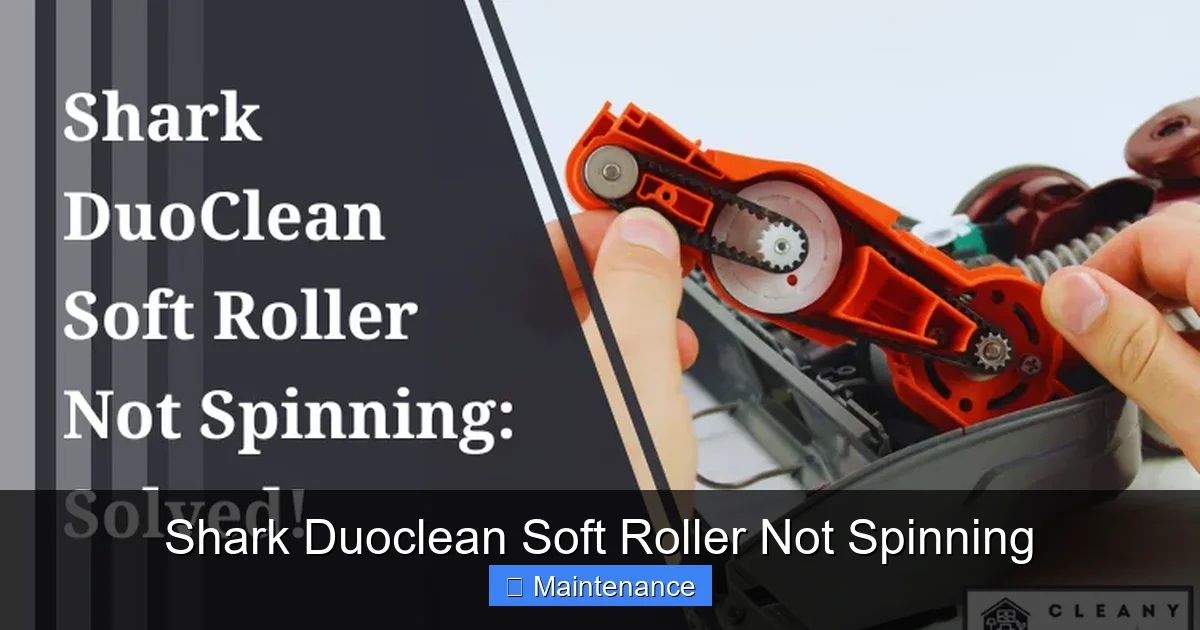
The drive belt is the mechanical link between the vacuum’s motor and the brush roll. When the motor spins, it turns this belt, which in turn rotates the roller’s axle wheel. Belts are made of rubber and are subject to wear, heat, and stress. Over time, they can stretch, develop cracks, lose their grip, or even snap. A belt that has jumped off its pulleys or is so stretched that it slips will provide no power to the roller, even though the motor is running fine.
The Importance of Bearings and End Caps
At each end of the soft roller is a plastic end cap. Inside these caps are small ball bearings or bushings that the metal axle of the roller rides on. These need to be clean and lubricated (by the vacuum’s own accumulated dust and debris, ironically) to spin smoothly. When hair, carpet fiber, and fine dust pack into the tiny gap between the spinning roller and the stationary end cap, it creates immense friction. This can heat up the plastic, warp it slightly, and ultimately cause the bearing to seize. A roller that feels gritty or doesn’t spin freely when removed from the vacuum likely has a bearing issue.
Immediate Troubleshooting: The 5-Minute Preliminary Check
Before you grab a screwdriver, perform this rapid assessment. It might solve the problem without any disassembly.
Visual guide about Shark Duoclean Soft Roller Not Spinning
Image source: sharkvacuum.blog
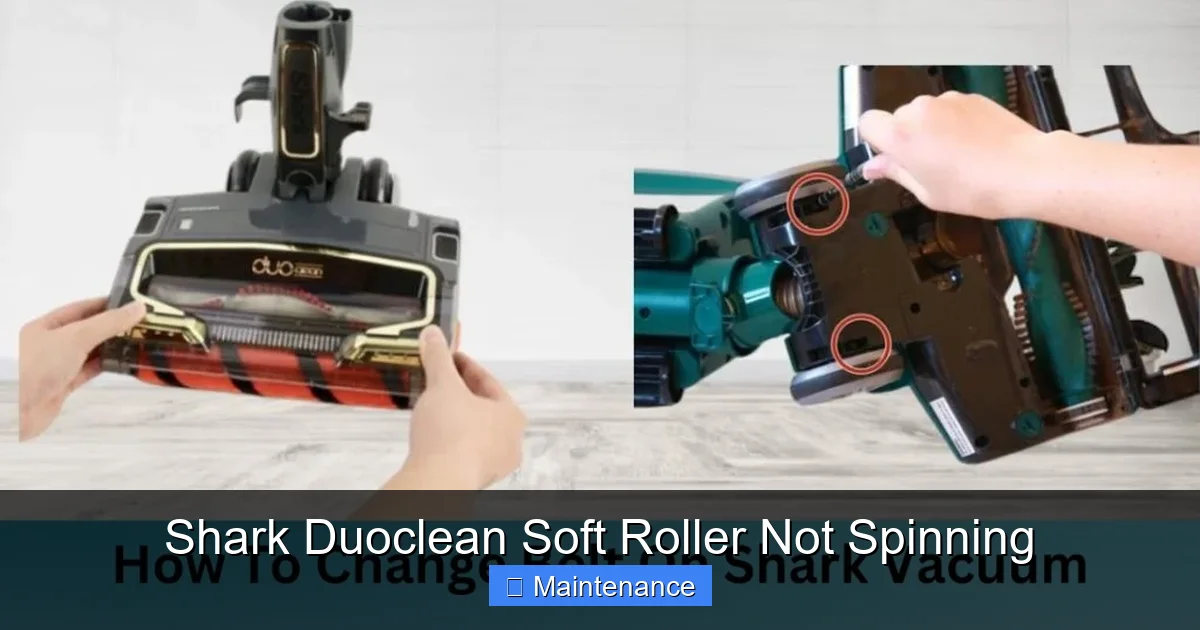
- Unplug the vacuum: This is non-negotiable. Safety first.
- Lay the vacuum on its back: This gives you clear access to the brush roll housing.
- Visually inspect the roller: Look for obvious, large clumps of hair or carpet fiber wrapped around the roller or protruding from the suction opening at the front. Use a pair of scissors to carefully cut and remove any visible wraps. Do not use your fingers; the roller’s soft rubber can pinch skin.
- Check for obstructions in the suction channel: Shine a flashlight into the front opening where the roller sits. Can you see any large objects, like a sock, hair tie, or piece of paper, blocking the path? Remove them with long-nose pliers.
- Feel for free movement: Once visible debris is cleared, try to manually rotate the roller by hand. Does it turn smoothly in both directions? Or is it stiff, gritty, or completely locked? If it’s stiff, the problem is internal (bearings/belt). If it spins freely, the issue might be a slipped belt, which requires opening the housing.
Deep Dive: Disassembly and Comprehensive Cleaning
If the preliminary check didn’t reveal the issue—or if the roller is still stiff—it’s time for a full teardown. This process is the same for most Shark Duoclean models (like the Navigator, Rotator, or Vertex series).
Visual guide about Shark Duoclean Soft Roller Not Spinning
Image source: supercleanworldall.com
Step-by-Step Disassembly Guide
You will need: a Phillips-head screwdriver, a flat-head screwdriver or plastic pry tool, scissors, and a damp cloth.
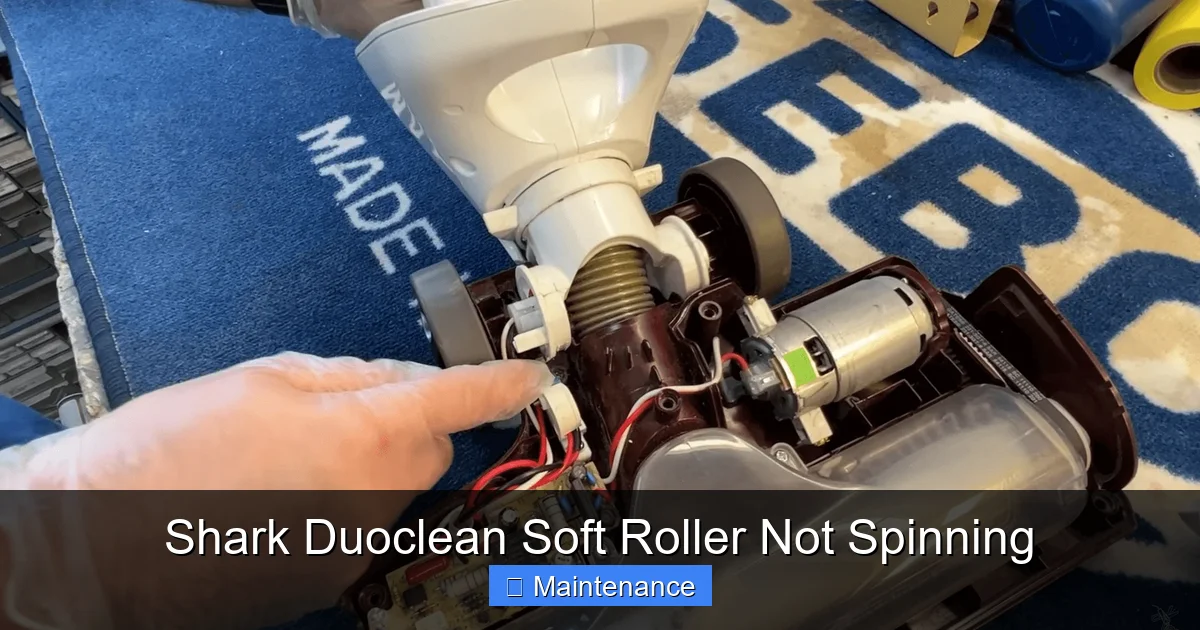
- Remove the bottom plate: Flip the vacuum onto its back. Locate the four to six screws securing the clear or gray bottom plate (the housing that surrounds the brush roll). Unscrew them and set them aside. Gently pry the plate off. You’ll now see the entire brush roll and belt assembly.
- Release the brush roll: The brush roll is held in place by two plastic clips on either side, or by a small metal retaining pin. Gently push or pry these clips inward to release the roller from its housing. The roller, with its end caps and attached belt, should drop out.
- Remove the belt: Slide the rubber drive belt off the small wheel on the roller’s axle. You can now set the roller aside.
Cleaning the Roller and End Caps
This is the most critical step. Take the roller outside or over a trash can.
- Remove the end caps: Gently pry the plastic end caps off the roller’s metal axle. They are usually clipped on. Be careful not to break the clips.
- Extract the hair core: You will now see the axle and, likely, a solid cylinder of compressed hair, dust, and carpet fiber wrapped around it *inside* the roller’s rubber shell. This is the hidden blockage. Use your scissors to cut this core lengthwise and pull it out in pieces. It will be satisfyingly gross.
- Clean the bearings: With the end caps off, you have direct access to the bearing seats inside the caps and the ends of the axle. Pick out all packed-in debris with a toothpick or the corner of your cloth. The bearing inside the cap should spin freely. If it’s gritty or pitted, the entire end cap/roller assembly may need replacing.
- Clean the roller shell: Wipe down the entire inside of the soft rubber roller with a damp cloth to remove any fine dust and residue.
Cleaning the Housing and Suction Path
With the roller out, you have a clear view into the vacuum’s belly.
- Clear the suction channel: The rectangular opening at the front of the housing fills with debris. Use your hands and a cloth to pull out all accumulated lint, hair, and grit.
- Check the belt path: Locate the motor pulley (a small wheel near the back of the housing). Ensure there is no debris wrapped around its shaft. Wipe the pulley clean.
- Inspect the housing for cracks: While you’re here, check the plastic housing for any cracks, especially around the roller wheel guide. A crack can allow the belt to jump off.
Inspecting and Replacing the Drive Belt
If cleaning didn’t solve the problem, the belt is the next suspect.
Visual guide about Shark Duoclean Soft Roller Not Spinning
Image source: supercleanworldall.com
How to Examine the Belt
Lay the belt out flat. Look for:
- Cracks, cuts, or glazing: Any sign of dry rot or a shiny, hardened surface means the belt has lost its elasticity and grip.
- Stretching: Hold one end and pull. A healthy belt has some give but returns to shape. A stretched belt will be long and thin and won’t spring back.
- Warping or twisting: A belt that doesn’t lie flat will jump off pulleys.
- Piece missing: Sometimes a section of the belt simply breaks off.
Pro Tip: Even if the belt looks okay, if it’s over a year old and the roller stopped spinning, replace it. Belts are a consumable part costing under $10.
Belt Replacement Procedure
Replacing the belt is simple:
- Ensure the vacuum is unplugged and the roller is removed.
- Stretch the new belt over the motor pulley (the smaller one).
- Rotate the roller’s axle wheel so its flat side faces outward (away from the roller).
- Stretch the other end of the belt over the roller’s wheel, ensuring it sits fully in the groove.
- Reinstall the roller into the housing, making sure the belt isn’t pinched and the roller seats in its clips properly.
- Reattach the bottom plate.
Before plugging in, manually rotate the roller a few times to ensure the belt is tracking correctly and the roller isn’t binding.
Diagnosing Motor and Internal Component Failures
If you’ve completed a thorough cleaning and installed a new, known-good belt, but the roller still doesn’t spin when the vacuum is on, the fault lies deeper.
Testing for Motor Engagement
With the vacuum upright and plugged in (but do not run it on the floor), turn it on. Listen carefully. You should hear a distinct change in the motor’s sound when you press the brush roll on/off button (if your model has one) or when you tilt the vacuum into cleaning position. If the motor sound is identical in both carpet and hard floor settings, the motor’s brush roll drive circuit may be faulty. If you hear a high-pitched squeal or the motor cuts out, the motor itself may be locked or failing.
Common Internal Issues
- Broken motor pulley: The plastic pulley on the motor shaft can crack or break off. This is less common but visually obvious when you look at the motor shaft.
- Seized motor bearings: The motor itself has internal bearings. If these fail, the motor shaft won’t spin, so the belt won’t turn.
- Failed clutch mechanism: Some Shark models (like certain Navigator Pro versions) have a clutch that engages/disengages the brush roll. If this clutch is worn or broken, it won’t transmit power.
Diagnosing these issues requires more advanced mechanical skill or a professional diagnosis. At this point, if your vacuum is under warranty, contact Shark. If not, weigh the cost of a professional repair against the price of a new vacuum, as motor replacements can be costly.
The Ultimate Guide to Preventive Maintenance
An ounce of prevention is worth a pound of cure. Incorporating these habits will drastically reduce the chance of your Duoclean’s roller seizing up.
The Post-Vacuuming 60-Second Clean
After every few uses—especially after vacuuming pet areas or high-pile rugs—take one minute to:
- Unplug the vacuum and lay it on its back.
- Use the provided cleaning tool or a long, thin object to scrape any visible hair and lint from the front suction opening and around the roller.
- Manually rotate the roller by hand a few full turns. This helps dislodge any hair beginning to wrap around the axle.
Monthly Deep Clean Ritual
Once a month, or if you notice a drop in cleaning performance, perform the full disassembly and cleaning process outlined in Section 3. This includes removing the end caps and extracting the hair core. This is the single most important maintenance task you can perform.
Belt Inspection Schedule
Every three months, remove the bottom plate and inspect the drive belt. Look for the signs of wear mentioned earlier. Proactively replacing a belt at the first sign of cracking prevents it from breaking and potentially jamming the roller or motor.
Storage Best Practices
Do not store the vacuum with the brush roll engaged if you won’t be using it for a while. Prolonged tension on the belt can cause stretching. Also, store the vacuum in a cool, dry place. Extreme heat can accelerate belt degradation.
When to Consider a Professional or Replacement
You’ve cleaned, you’ve replaced the belt, but the roller remains still. Now what?
Assessing Repair vs. Replacement
Get a quote for a professional diagnosis and repair. If the issue is a motor or internal clutch, the cost can range from $80 to $150+ in labor and parts. Compare this to the value of your vacuum. A Shark Duoclean typically retails between $200 and $400. If your model is older than 3-4 years, investing in a new, more efficient model might be more economical in the long run.
Warranty and Support
Before you give up, check your warranty. Shark vacuums often come with a 5-year limited warranty on the motor and a 1-year warranty on parts and labor. The “not spinning” issue due to a manufacturing defect in the belt, roller, or motor should be covered if within the warranty period. Have your model number and serial number ready when contacting Shark Customer Support.
Frequently Asked Questions
Why does my Shark Duoclean roller stop spinning but the suction is still strong?
This is the classic symptom of a brush roll issue. The motor for suction is separate from the brush roll drive. A strong suction with no roller rotation points directly to a mechanical failure in the brush roll system: a severe hair/clog wrap, a broken/slipped drive belt, or seized bearings.
How often should I clean the inside of my Duoclean roller?
For homes with pets or thick carpets, perform a full internal cleaning (removing end caps and extracting the hair core) every 1-2 months. For typical use, every 3-4 months is sufficient. Always do a quick visual/manual rotation check after every few uses.
Can I use any replacement belt for my Shark Duoclean?
No. You must use the correct belt model. For most Duoclean Navigators and Rotators, it is Shark part # 186-156-0005. Using the wrong size or type of belt will either not fit or will not have the proper tension, causing it to slip or break. Always verify your exact model number on Shark’s website or with your parts supplier.
My roller spins freely when I take it out, but not when it’s installed. Why?
This almost always indicates a drive belt problem. The belt may be broken, stretched, slipped off the motor pulley, or installed incorrectly. Reinstall the belt carefully, ensuring it is seated properly on both the motor pulley and the roller’s wheel. If the belt is new and correctly installed, the motor pulley itself may be broken or not engaging.
Is it worth fixing a Shark Duoclean roller myself?
Absolutely. For clogs and belt replacements (the two most common issues), the cost is under $15 for a part and about 20 minutes of your time. The satisfaction and savings are significant. Only consider professional help for suspected motor or internal gearbox failures, as these are more complex and costly.
What if the roller spins but makes a loud grinding or squealing noise?
A grinding noise points to worn or damaged bearings inside the end caps. A high-pitched squeal usually means the drive belt is slipping due to being worn, glazed, or incorrectly tensioned. First, remove the roller and inspect/clean everything. If the bearings feel gritty when you spin the roller by hand, the roller assembly (or just the end caps) will likely need to be replaced.