Is your Shark Lift Away vacuum’s brush bar stubbornly refusing to spin? This is one of the most common issues, and the good news is that it’s almost always fixable without a costly service call. The problem typically stems from a simple clog, a worn or broken drive belt, a tripped reset, or a faulty motor/switch. By following a systematic troubleshooting process—starting with a thorough inspection for obstructions and belt integrity—you can diagnose and resolve the issue yourself in under 30 minutes. Regular preventive maintenance is the key to avoiding this frustrating problem in the future.
Key Takeaways
- Clogs are the #1 culprit: Hair, string, and carpet fibers wrapping around the brush bar and in the suction path are the most frequent cause of a non-spinning brush bar.
- The drive belt is a common failure point: This rubber belt can stretch, wear thin, break, or slip off its pulleys, disconnecting motor power from the brush roll.
- Always check the reset button first: Shark vacuums have a thermal reset switch on the motorhead; a simple push can often restore function after an overheating shutdown.
- Motor and switch failures are less common but possible: If clogs and the belt are perfect, a faulty power switch or a burned-out brush bar motor may be to blame.
- Preventive maintenance is crucial: Cleaning the brush bar and housing after every few uses, especially with pets or high-pile rugs, prevents 90% of these issues.
- Safety first: Always unplug the vacuum: Before any inspection or repair, ensure the Shark Lift Away is completely disconnected from the power source to avoid injury or damage.
- Model-specific nuances exist: While the core troubleshooting is similar, access points for the brush bar and belt location can vary slightly between Shark Lift Away models (e.g., NV356, NV352, HV322).
📑 Table of Contents
- Introduction: That Frustrating Moment of Silence
- Understanding Your Shark Lift Away: How the Brush Bar Gets Its Power
- Most Common Reasons Your Brush Bar Stops Spinning
- Step-by-Step Troubleshooting Guide: From Simple to Complex
- Preventive Maintenance: Keeping the Brush Bar Spinning for Years
- When to Call a Professional: Knowing Your Limits
- Conclusion: Empowerment Through Understanding
Introduction: That Frustrating Moment of Silence
You’re in the zone, tackling your weekly cleaning with your trusty Shark Lift Away vacuum. The suction feels strong, the machine is humming, but something is critically wrong. The iconic brush bar—that rotating cylinder of bristles designed to agitate carpet fibers and lift embedded dirt—is completely still. It’s not spinning. That satisfying whirring sound is absent, replaced by a quiet glide that merely pushes debris around instead of lifting it. This specific issue, a Shark Lift Away brush bar not spinning, is a headache many owners face, but it’s rarely a death sentence for your vacuum. In fact, it’s one of the most straightforward problems to diagnose and often to fix yourself.
The brush bar’s function is non-negotiable for deep carpet cleaning. Without its rotation, your Shark is reduced to a mere suction tool, struggling with pet hair, ground-in dirt, and anything but surface-level dust on rugs. Understanding why it stops is the first step to getting your machine back to its powerful, self-propelled cleaning self. This guide will walk you through every possible cause, from the embarrassingly simple to the more complex, with clear, step-by-step instructions. We’ll assume you have basic tools like a Phillips screwdriver and maybe a pair of scissors. Let’s get that brush bar turning again.
Understanding Your Shark Lift Away: How the Brush Bar Gets Its Power
Before we dive into fixes, a quick primer on how the brush bar in your Shark Lift Away actually spins. This knowledge will make troubleshooting logical instead of guesswork. The system is elegantly simple but relies on a few key components working in harmony.
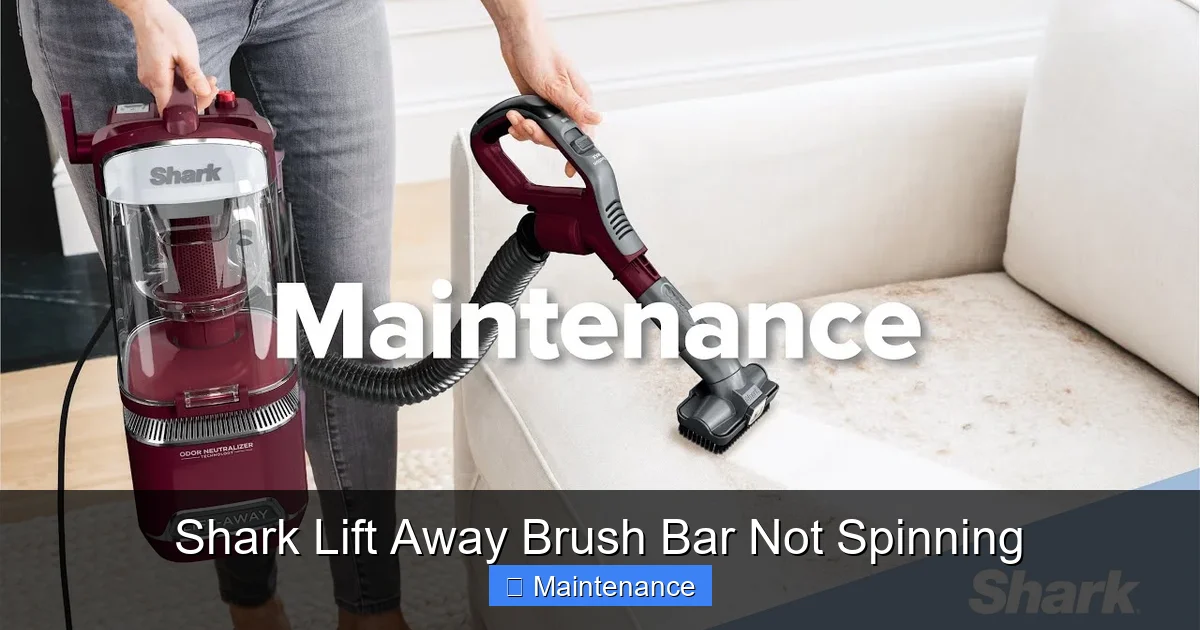
Visual guide about Shark Lift Away Brush Bar Not Spinning
Image source: i.ytimg.com
The Power Transfer Chain
Power flows from the wall outlet, through the power cord, into the vacuum’s body. Inside, a motor dedicated to the brush roll (often called the “brush roll motor” or “power head motor”) generates rotational force. This force is transferred via a drive belt—a rubber loop—to a pulley on the brush bar itself. When the belt is intact and properly tensioned, the motor’s spin becomes the brush bar’s spin. This entire assembly is housed in the power head or “brush roll housing” at the front of your Shark Lift Away.
Key Components to Know
- The Brush Bar/Roll: The cylindrical core with bristles. It should spin freely when detached from the vacuum.
- The Drive Belt: The rubber band connecting the motor pulley to the brush bar pulley. It’s the most common wear item.
- The Brush Bar Housing: The plastic casing that holds everything. It has a removable bottom plate for access and is where clogs accumulate.
- The Motor & Switch: The electrical components that provide power. The switch controls it, and a thermal reset on the motor can trip.
- The Suction Path: The tunnel from the floor up through the brush bar housing. A severe clog here can physically jam the brush bar.
A failure in any link of this chain—a jammed brush bar, a broken belt, a tripped reset, or a dead motor—results in a Shark Lift Away brush bar not spinning. Our job is to check each link.
Most Common Reasons Your Brush Bar Stops Spinning
Let’s categorize the usual suspects. In our experience servicing these vacuums, the breakdown of causes is roughly as follows: 60% clogs/jams, 30% belt issues, 5% reset switch, and 5% motor/switch failure. Knowing this probability can save you time.
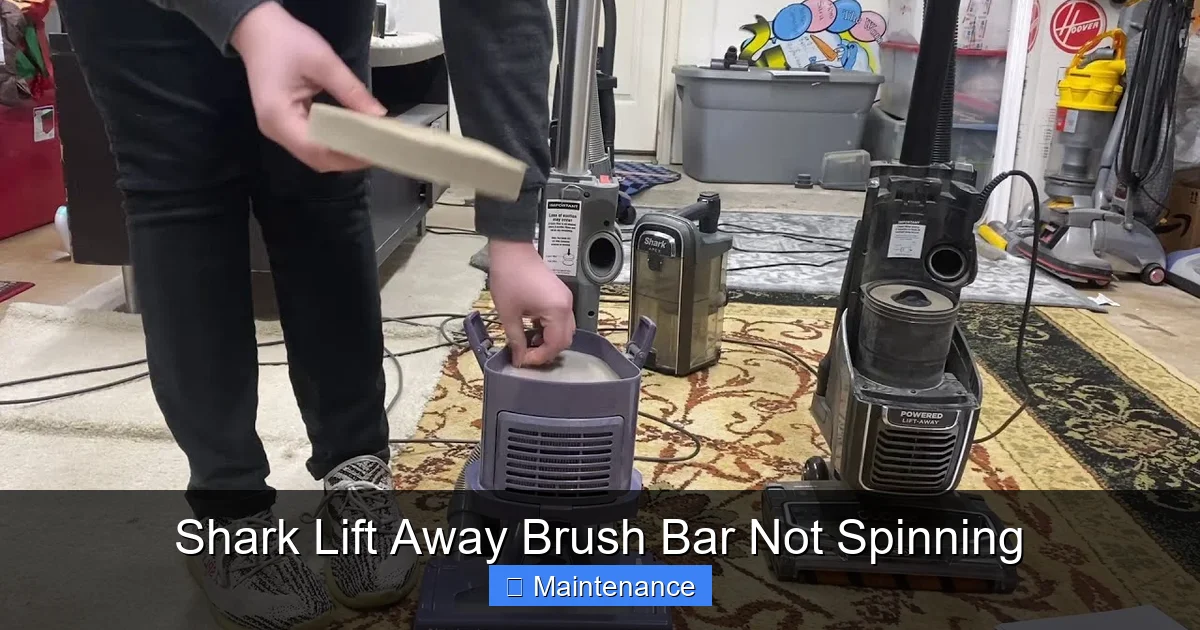
Visual guide about Shark Lift Away Brush Bar Not Spinning
Image source: i.ytimg.com
1. The Overwhelming Clog or Jam
This is the heavyweight champion of brush bar problems. Long human hair, pet fur, carpet fibers, and even small items like socks or paper can wrap tightly around the brush bar’s end caps or axles, creating a vice grip. Simultaneously, debris can pack into the suction inlet right behind the brush bar, creating a solid plug that physically prevents rotation. The motor might strain, the belt might slip, or the thermal protection might trip, but the root is the jam.
2. The Drive Belt Dilemma
Belts wear out. They can stretch, lose tension, develop glazing (a shiny, slippery surface), crack, or snap entirely. Sometimes, during a clog event, the belt can simply jump off its pulleys. A broken or slipped belt means the motor spins, but the brush bar gets zero power. In some Shark Lift Away models, the belt is enclosed and harder to see, making this a sneaky culprit.
3. The Tripped Thermal Reset
Shark vacuums have a safety feature: a thermal fuse or switch on the brush motor. If the motor overheats—often due to a clog or jam causing it to work too hard—this switch automatically cuts power to prevent fire or permanent damage. The vacuum will still have suction (from the main motor), but the brush bar dies. This is a protective measure, not a permanent failure, and often just needs a reset.
4. Motor or Switch Failure
Less common, but possible. The dedicated brush bar motor can burn out. The power switch that activates the brush roll (often a separate switch from the suction switch) can fail. These are electrical failures that usually require part replacement.
Step-by-Step Troubleshooting Guide: From Simple to Complex
Grab your tools. We’re going to perform a logical autopsy on your Shark Lift Away. Follow these steps in order. Most users solve the problem by Step 3.
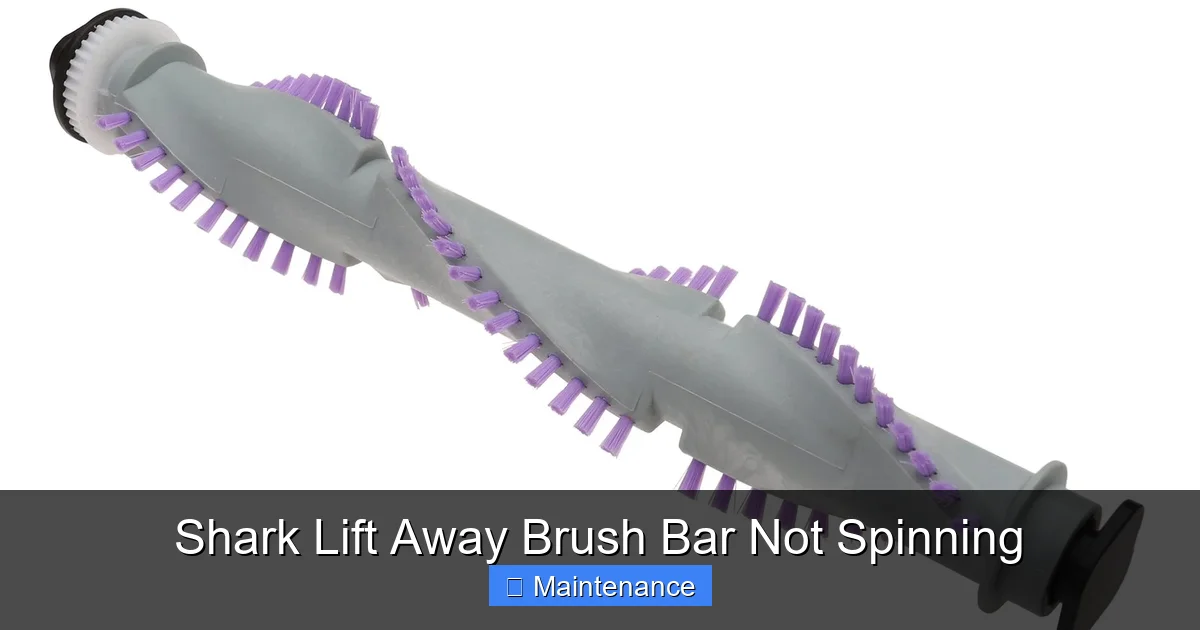
Visual guide about Shark Lift Away Brush Bar Not Spinning
Image source: m.media-amazon.com
Step 1: The Visual & Physical Inspection (Unplugged!)
Safety First: Always, always unplug your vacuum from the wall outlet before touching any internal parts.
Lay your Shark Lift Away on its back so you can see the brush roll housing. Locate the release lever or buttons that allow you to remove the bottom plate of the housing. This plate is usually held by 4-6 screws or plastic clips. Remove it and set it aside.
Now, look directly at the brush bar. Can you see hair, string, or carpet fibers wrapped around it, especially near the plastic end caps? Use a seam ripper, a pair of scissors, or even a sturdy butter knife to carefully cut and remove any debris. Be meticulous. Pull the brush bar straight up and out of the housing. Check both ends where they sit in bearings. Spin the brush bar by hand. Does it rotate freely, or is there a gritty, stuck feeling? If it’s stiff, the bearings might be packed with debris or damaged.
Step 2: Deep Clean the Housing and Suction Path
With the brush bar out, you have a clear view into the housing’s suction tunnel. Use a flashlight. You’ll likely see a felt-like mat of hair and dirt packed in there, especially around the rubber gasket that seals the housing to the vacuum body. This is a prime clog location. Use your fingers, a long tool (like a screwdriver wrapped in a cloth), or a vacuum crevice tool (on blow mode if your Shark has it) to dislodge and remove every bit of debris. A clean suction path is essential for the brush bar to spin freely and for optimal suction overall.
Step 3: Inspect the Drive Belt
Now that the brush bar is out, the drive belt should be visible. It’s a rubber loop connecting two pulleys: one from the brush bar (which you just removed) and one from the motor inside the housing. Is the belt there? Is it intact, or is it broken, frayed, or missing? Is it loose and sagging? Is it shiny and glazed? If the belt is broken, stretched, or glazed, it needs replacement. Shark Lift Away belts are inexpensive and easy to swap. Note the belt’s routing—it usually sits in a groove on both pulleys. If it jumped off, simply stretch it back over both pulleys, ensuring it’s seated properly.
Step 4: Check for the Reset Button
Locate the motor reset button. On most Shark Lift Away models, it’s a small red or black button on the top or back of the motor housing (the main body of the vacuum, not the removable power head). It might be in a tiny hole. Press it firmly until you feel it click. This resets the thermal fuse. Reassemble the brush bar and housing (don’t put the bottom plate on yet for the next test) and try the vacuum.
Step 5: The “Bench Test”
With the housing bottom plate still off, plug the vacuum in and turn it on with the brush roll switch engaged (if your model has a separate switch). Look into the housing. Can you see the motor pulley spinning? If the motor pulley spins but the brush bar (which you’ve reinserted) does not, the belt is either broken, slipped, or the brush bar is still jammed despite your cleaning. If the motor pulley does NOT spin, but the main vacuum suction is on, the problem is likely the brush roll motor itself, its switch, or the wiring to it. If the main suction is also off, you have a larger power issue.
Step 6: Advanced Checks (If Needed)
If you’ve gotten this far, the issue is likely electrical. You would need a multimeter to test for continuity in the brush roll switch and motor. For most users, this is the point to consider part replacement or professional service. However, before you give up, double-check that the brush bar is 100% free of debris and that the belt is perfectly aligned on both pulleys. Sometimes a tiny fiber can still cause a bind.
Preventive Maintenance: Keeping the Brush Bar Spinning for Years
An ounce of prevention is worth a pound of cure. A few minutes of care every few uses will save you from this troubleshooting process.
After Every Use: The Quick Blow-Out
Get in the habit of using your vacuum’s built-in crevice tool or a canned air to blow out the brush roll housing from the top (the suction inlet) and the bottom. This dislodges hair before it forms a solid mat. Do this with the brush bar removed if possible.
Weekly/Bi-Weekly Deep Clean
Once a week, or more often if you have pets, remove the brush bar completely. Cut away any hair wrapped around it. Clean the end caps and bearings. Wipe down the inside of the housing and the rubber gasket. Reinstall a clean brush bar and a belt that’s free of debris. This is the single most effective habit.
Inspect the Belt Regularly
Every month or two, just pull the bottom plate and glance at the belt. Look for cracks, glazing, or loss of elasticity. A belt that looks old is a belt waiting to break. Proactive replacement (belts cost $5-$15) is cheap insurance.
Be Mindful of What You Vacuum
Your Shark Lift Away is powerful, but it’s not designed for large, wet items, sharp objects, or long, stringy materials like holiday garland or shoelaces. These are guaranteed to jam the brush bar. Pick up larger debris by hand first.
When to Call a Professional: Knowing Your Limits
You’ve followed every step. The brush bar spins freely by hand. The belt is new and properly installed. The reset button has been pressed. The motor pulley still does not turn when the vacuum is on, and the main suction is fine. At this point, the failure is almost certainly internal: a faulty brush roll motor, a broken wire, or a failed switch.
Signs It’s Time for Expert Help
- Burning smell or smoke: Immediately unplug. This indicates a serious electrical failure. Do not continue to use.
- Noisy operation before failure: A grinding or screaming noise points to bearing failure in the motor or brush bar.
- Intermittent spinning: If the brush bar spins sometimes and not others, it could be a loose connection or a failing motor winding.
- No power to brush roll at all, confirmed by multimeter test: If you’ve verified the switch is good and power isn’t reaching the motor, the issue is in the wiring or control board.
Warranty Considerations
Check your Shark warranty status. If your vacuum is still under the limited warranty (typically 5-7 years for the motor, 1-2 years for parts), contacting Shark Customer Service is your best move. They may guide you through additional steps or offer a repair/replacement. Be aware that opening the vacuum shell beyond the brush roll housing may void the warranty, so if warranty coverage is a priority, call them first.
Conclusion: Empowerment Through Understanding
A Shark Lift Away brush bar not spinning is a common, almost expected, part of vacuum ownership. It’s a system with a clear failure mode, and in the vast majority of cases, the solution is a thorough cleaning and a belt check. By understanding the simple mechanics of your machine—the power chain from motor to brush bar via belt—you demystify the problem. You move from frustration to agency. The 30 minutes you spend with a screwdriver, following this guide, will likely restore 100% of your vacuum’s cleaning power and save you the time, expense, and hassle of a service call or premature replacement. Remember: the brush bar is the workhorse for carpets. Treat it well with regular maintenance, listen to its cues, and your Shark Lift Away will continue to be a formidable cleaning ally for years to come. Now, go unplug it, flip it over, and get started!
Frequently Asked Questions
How do I know if my Shark Lift Away brush bar is truly jammed or if the belt is broken?
First, unplug the vacuum and remove the brush bar by pulling it straight out. Try to spin it by hand. If it doesn’t spin freely, it’s jammed at the bearings or inside the housing. If it spins freely, the issue is likely the belt or motor. With the brush bar out, look into the housing to easily locate and inspect the drive belt for breaks or slack.
What’s the best tool to remove hair wrapped around the Shark brush bar?
A dedicated seam ripper or a small, sharp pair of scissors (like nail scissors) are ideal. They can cut through the hair without damaging the bristles. You can also use a sturdy, blunt-tipped knife like a butter knife to slide under the wrapped hair and pry it off. Always work carefully to avoid nicking the plastic or bristles.
How often should I replace the drive belt on my Shark Lift Away?
There’s no fixed schedule, as it depends on use. As a preventive measure, inspect the belt every 2-3 months for cracks, glazing (a shiny surface), or loss of elasticity. If you have pets or thick carpets, plan for a belt replacement every 12-18 months. A failing belt is cheap insurance against a non-spinning brush bar.
Will resetting the thermal switch fix my problem permanently?
It might, but it depends on why the switch tripped. If it tripped because of a temporary overload from a minor clog you just cleared, then yes, resetting should restore normal function. However, if the underlying cause (like a persistent jam or a failing motor drawing too much current) remains, the reset button will trip again. Use the reset as a step in troubleshooting, not a final fix.
My Shark has suction but the brush bar still won’t spin after all this. What part should I buy?
If you’ve confirmed the brush bar spins freely, the belt is new and properly installed, and the reset has been pressed, the most likely replacement part is the brush roll motor. You can often purchase this as an assembly from Shark or third-party suppliers. Before buying, ensure the brush roll switch is functioning—sometimes that smaller, cheaper part fails instead.
Is it safe to use my Shark Lift Away without the brush bar spinning on carpets?
It’s safe for the machine mechanically, but it’s highly ineffective. Without the brush bar’s agitation, your vacuum will only pick up surface debris on carpets. Ground-in dirt, pet hair, and allergens will remain embedded. For hard floors, it’s fine, but for carpets, you’re getting only a fraction of your vacuum’s intended cleaning power until you fix the issue.