If your Shark Lift Away vacuum’s roller brush has stopped spinning, don’t panic! This is a very common issue, and in most cases, you can fix it yourself in minutes. The problem is usually a simple blockage, a tripped brush roll motor, a worn or broken belt, or a dirty brush roll itself. Always unplug the vacuum first, then check for hair and debris wrapped around the brush, inspect the belt, and reset the brush motor. Most repairs require no tools and cost nothing, saving you a service call and getting your Shark back to cleaning efficiently.
You’re in the middle of cleaning, and you notice it. That familiar, reassuring whirring sound from your Shark Lift Away vacuum is missing. You look down, and the roller brush—that vital spinning barrel of bristles—is sitting still. Your heart sinks a little. Your vacuum’s primary weapon against embedded carpet dirt is suddenly useless. Before you resign yourself to an expensive service call or the hassle of a replacement, take a deep breath. A Shark Lift Away roller brush not spinning is one of the most common, and most frequently fixable, issues with these popular vacuums. In this complete guide, we’ll walk through every possible cause, from the incredibly simple to the more complex, with clear, step-by-step instructions you can do at home. You’ll likely have your Shark spinning again in under 15 minutes.
The roller brush, or brush roll, is the heart of your vacuum’s carpet cleaning power. It agitates carpet fibers to loosen dirt, which the suction then pulls away. When it stops, your vacuum essentially becomes a suction-only tool, struggling with anything embedded. The beauty of the Shark Lift Away design is its accessibility. The brush roll and belt are user-serviceable components, meaning Shark expects you to maintain them. Understanding this basic principle is your first win: this problem is designed to be solvable by you.
Key Takeaways
- Safety First: Always unplug your Shark Lift Away from the wall outlet before inspecting or attempting any repair to prevent accidental start-up.
- Blockages are the #1 Culprit: Hair, string, carpet fibers, and small objects are the most frequent cause of a brush roll that won’t spin. A thorough cleaning often solves the problem instantly.
- The Belt is a Critical Link: A broken, stretched, or slipped drive belt will disconnect the motor’s power from the brush roll. Visual inspection is key.
- Know Your Reset Button: The Shark Lift Away brush motor has a built-in thermal reset switch. If it overheats (from a jam), it trips and stops power. Pressing the reset button is a standard first step.
- Brush Roll Maintenance is Preventative: Regularly removing wrapped debris and cleaning the brush roll bearings extends its life and prevents future jams and motor strain.
- Motor Failure is Rare: Complete brush motor failure is uncommon. Always exhaust all other simpler, cheaper possibilities (blockage, belt, reset) before assuming the motor is dead.
- Compatibility Matters: Ensure you have the correct replacement belt or brush roll for your specific Shark Lift Away model (e.g., NV350, NV356, NV501), as parts vary.
📑 Table of Contents
- Understanding the Brush Roll System: How It’s Supposed to Work
- Step 1: The Immediate Checklist – Safety and Simple Resets
- Step 2: The Deep Clean – Removing Hidden Blockages
- Step 3: Inspecting and Replacing the Drive Belt
- Step 4: Electrical and Motor Issues
- Step 5: Reassembly and Final Testing
- Preventative Maintenance: Keeping Your Brush Roll Spinning
Understanding the Brush Roll System: How It’s Supposed to Work
Before we dive into what’s wrong, let’s quickly review how the brush roll is supposed to spin. This system is the same across most Shark Lift Away models (like the popular NV350, NV356, NV501, and others). The main vacuum motor creates suction. A separate, smaller brush roll motor is housed in the power head. This motor has a small pulley on its shaft. A long, rubber drive belt loops around this motor pulley and around a larger pulley attached to the end of the brush roll. When the brush roll motor turns, it spins the belt, which in turn rotates the brush roll. Power is delivered from the main vacuum body through a wiring harness that connects to the brush roll motor.
So, for the brush roll to spin, four things must be true: 1) The brush roll motor must be receiving power. 2) The motor itself must be functional. 3) The drive belt must be intact and properly tensioned. 4) The brush roll must be free to rotate without obstruction. If any link in this chain fails, the brush roll stops. Our troubleshooting will methodically check each of these points.
The Role of the Thermal Reset Switch
A critical component often overlooked is the thermal reset switch built into the brush roll motor. This is a safety feature. If the motor gets too hot—usually because it’s struggling against a severe jam—the switch trips, instantly cutting power to the motor to prevent it from burning out. This is a good thing! It means your motor protected itself. The switch is usually a small, red or black button on the side or bottom of the brush roll motor housing. It must be manually pressed to reset the motor and allow it to run again. This is always the first thing to check after clearing a blockage.
Step 1: The Immediate Checklist – Safety and Simple Resets
When you first encounter a non-spinning brush roll, follow this exact sequence. It solves the vast majority of problems.
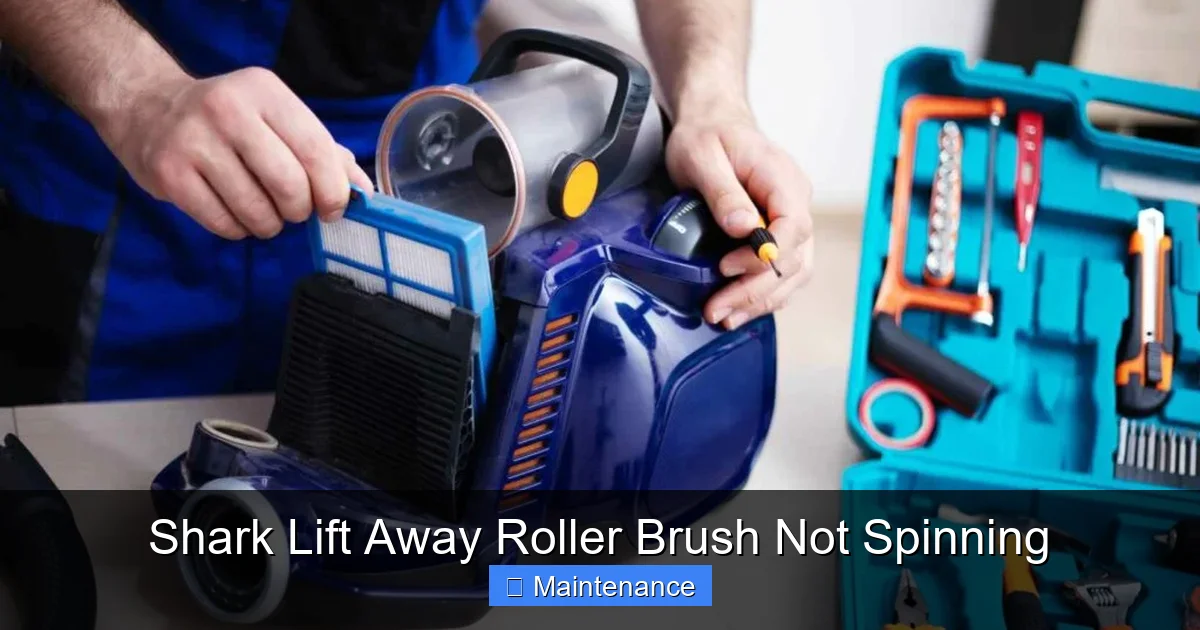
Visual guide about Shark Lift Away Roller Brush Not Spinning
Image source: livingpristine.com
1. Unplug the Vacuum
This is non-negotiable. The vacuum could accidentally turn on while your fingers are near moving parts. The Shark Lift Away’s main power switch is on the handle, but for safety, physically disconnect it from the wall.
2. Check for Obvious, Large Blockages
Flip the vacuum over. Look at the brush roll from the side and the bottom. Can you see a big wad of hair, a sock, a rug fringe, or a child’s toy tangled around it? If you see something large and obvious, use scissors or a seam ripper to carefully cut and remove it. Do not use your bare hands; the bristles can be sharp. Pull the debris away from the brush roll, not along it, to avoid tightening the wrap.
3. Locate and Press the Reset Button
This is the most common fix. On the Shark Lift Away, the brush roll motor is inside the power head. You need to access it. Usually, there’s a small circular or rectangular cover on the underside of the power head (the part that contacts the floor). It may be held by a screw or just snap into place. Remove this cover. You’ll see the motor and, on its housing, a small button, often red. Press it firmly until you feel it click. Reassemble the cover. This resets the thermal protector. Now, plug the vacuum back in and test it on a low-pile rug or bare floor. Often, the brush roll will spin immediately. If it does, you likely had a jam that tripped the reset. You should still fully clean the brush roll as described below to prevent a repeat.
Step 2: The Deep Clean – Removing Hidden Blockages
If the reset button was already out or pressing it didn’t help, the issue is almost certainly a physical blockage. Hair and string love to wrap around the brush roll bearings and the axle, creating a tight, fibrous cocoon that stops the brush dead. This also puts enormous strain on the motor and belt.
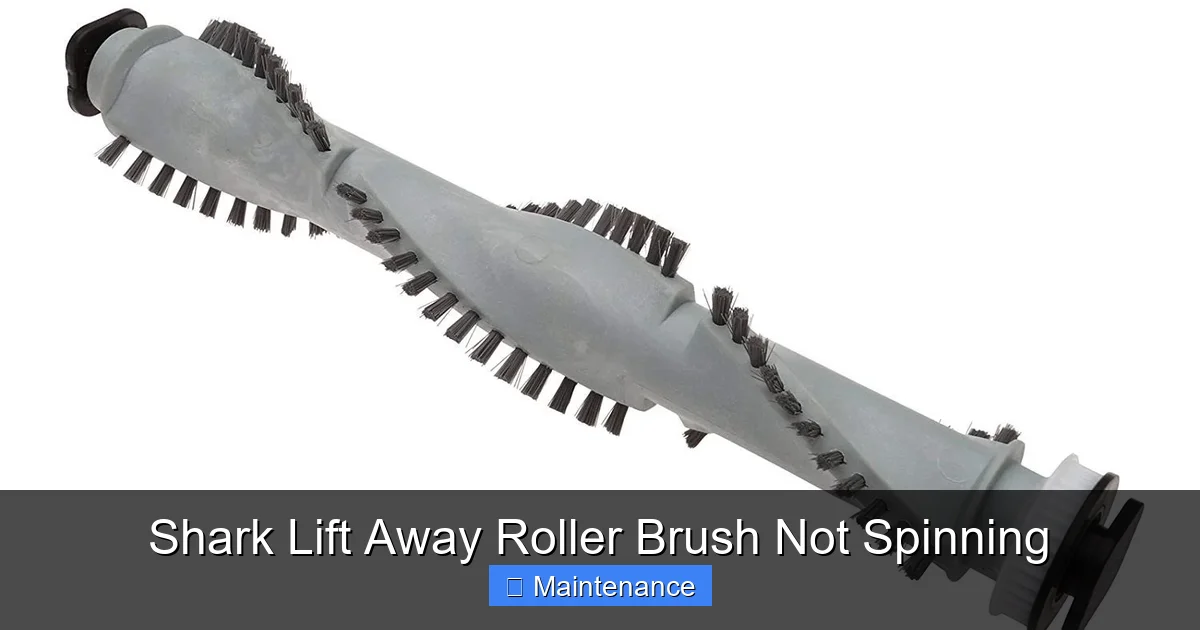
Visual guide about Shark Lift Away Roller Brush Not Spinning
Image source: m.media-amazon.com
How to Properly Access and Clean the Brush Roll
On the Shark Lift Away, the brush roll is designed to be easily removed. Lay the vacuum on its side. On the underside of the power head, you’ll see two release levers or clips—one on each side of the brush roll housing. Squeeze or slide these levers, and the entire brush roll assembly will drop down or out. Gently pull the brush roll out of the housing. You’ll now have clear access to the entire length of the roller and the belt area.
Now, take a systematic approach to cleaning:
- Cut and Remove All Wrap: Using scissors, carefully cut any hair, string, or carpet fiber wrapped around the bristles. Cut lengthwise along the brush roll. Do not pull; pulling tightens the wrap and can damage bristles. Cut in multiple places if needed, then pull the sections off.
- Check the Bearing Caps: At each end of the brush roll are plastic caps that house the bearings. These are prime spots for debris to pack in. Use a screwdriver or your scissors to pick out any packed lint, hair, or grit from inside the cap and around the metal axle. The brush roll must spin freely on these axles.
- Clean the Pulley End: One end of the brush roll has a larger plastic pulley that the belt rides on. Ensure this pulley is clean and free of debris. Wipe it with a dry cloth.
- Inspect the Housing: Look inside the empty brush roll housing on the power head. You’ll often find lost hair ties, small toy parts, or more debris that has been knocked off the brush roll and settled there. Remove anything you find.
Once everything is spotless, manually spin the brush roll by hand. It should rotate smoothly and quietly for several seconds. If it still feels gritty or binds, there’s debris still inside a bearing cap. You must get it out. A partially jammed bearing creates drag that the motor can’t overcome.
Step 3: Inspecting and Replacing the Drive Belt
With the brush roll removed, you have a perfect view of the drive belt. This long, thin, rubber band is the crucial link between the motor and the brush roll. If it’s not doing its job, nothing spins.
Visual guide about Shark Lift Away Roller Brush Not Spinning
Image source: i.ytimg.com
What to Look For
Reach into the power head housing and feel for the belt. It should be a single loop of rubber, stretched taut. Now, perform these checks:
- Is It There? Sounds silly, but a belt can snap and fall off, hiding in the housing. Make sure one continuous loop is present.
- Is It Broken? Look for any visible cracks, fraying, or a clean break. Stretch it slightly. If it feels thin, stretched out, or loose, it has lost its elasticity and grip.
- Is It On Correctly? The belt should be seated fully on the small motor pulley and the larger brush roll pulley. Sometimes, a severe jam can cause the belt to jump off one pulley but remain in the housing. If it’s off, you’ll need to stretch it back over both pulleys. This can be tricky; you may need to rotate the motor pulley while guiding the belt on.
- Is It the Right Belt? If you’ve recently replaced the belt, ensure you have the correct part number for your specific Shark Lift Away model. An incorrect belt will be too long, too short, or the wrong width, causing it to slip or not fit.
How to Replace the Belt
Replacing the belt is a simple process. With the brush roll out, you’ll see the belt looped around the motor pulley. Stretch it and slide it off the motor pulley. Then, slide it off the brush roll pulley. To install the new belt, first loop it around the brush roll pulley. Then, stretch the other side over the motor pulley. It requires a firm stretch, but it should snap into place. Ensure it’s seated properly on both pulleys before reinstalling the brush roll. Reinstall the brush roll, making sure the pulley end is correctly aligned. The bristles should face down toward the floor. Re-lock the two side levers. Test the vacuum.
Step 4: Electrical and Motor Issues
If you’ve verified a clean, free-spinning brush roll and a new, correctly installed belt, but the brush still won’t spin, the problem moves up the chain to power and the motor itself.
Checking the Wiring Harness
The power head connects to the main vacuum body via a plug and a wiring harness. Over time, the constant flexing of this connection can cause wires to fray or break inside the insulation. Visually inspect the entire length of the cord and the plug where it enters the power head. Look for any cuts, kinks, or worn spots. Gently flex the cord near the plug and the connection to the power head. If the brush roll suddenly spins when you wiggle the cord, you have a broken wire in the harness. This requires either a skilled repair or a replacement harness/assembly.
Testing the Brush Roll Motor
If the wiring is intact, the fault may lie with the brush roll motor. You can perform a basic test if you’re comfortable with a multimeter. You’ll need to access the two wires that connect to the motor (they usually have a plug or spade connectors). Set your multimeter to the continuity setting (the diode or beep symbol). Touch the probes to the two motor terminals. You should get a reading (or beep), indicating a closed circuit. If you get an “open” reading (no continuity), the motor’s internal windings have burned out, and the motor needs replacement.
Important: If you do not have a multimeter or are not comfortable with electrical testing, the next step is often professional diagnosis. However, a failed motor is statistically the least common cause of a non-spinning brush roll. Always rule out the simpler, mechanical issues first.
Step 5: Reassembly and Final Testing
Once you’ve addressed the issue—whether it was cleaning, a belt, or a reset—it’s time to put it all back together.
- Ensure the brush roll bearings are clean and spin freely.
- Place the brush roll back into the housing, aligning the pulley end correctly. The bristles must face down.
- Push the brush roll in until it clicks and the two side locking levers engage fully. Give it a gentle tug to make sure it’s secure.
- Snap the motor cover back into place.
- Plug the vacuum in and turn it on. Listen for the brush roll motor engaging (a higher-pitched whir). You can also feel the vibration through the handle. Place the vacuum on a carpet and watch the brush roll spin.
If it spins, great! Run it for a minute on a carpeted area. If it works perfectly, you’ve solved the problem. If it still doesn’t spin, or if it spins for a few seconds and stops, you likely have a persistent jam you missed or a faulty motor. Go back and re-inspect the brush roll bearings meticulously. A single hair wrapped tightly inside a bearing cap can cause this. If all else fails, the brush roll motor is the most likely remaining faulty part.
Preventative Maintenance: Keeping Your Brush Roll Spinning
An ounce of prevention is worth a pound of cure. Incorporate these quick habits into your routine to avoid future Shark Lift Away roller brush not spinning incidents:
- Weekly Hair Removal: Once a week, remove the brush roll and use scissors to cut and pull away any hair wrapped around it. Don’t wait for it to cause a jam.
- Check the Edges: Pay special attention to the bearing caps on each end. This is where debris accumulates.
- Inspect the Belt: Every few months, or after a major jam, remove the brush roll and check the belt for cracks, glazing (a shiny, hardened surface), or stretching. A belt costs about $10-15 and is easy to replace as a proactive measure.
- Mind What You Vacuum: Avoid vacuuming up large, stringy items like holiday tinsel, long pet toys, or loose shoelaces. These are brush roll killers.
- Listen and Feel: Get to know your vacuum’s normal sound and feel. If you hear a change—a higher-pitched strain or a sudden quiet—stop immediately and check the brush roll. Catching a jam early prevents belt damage and motor overheating.
By following this guide, you are empowered to diagnose and fix the most common reason your Shark Lift Away’s brush roll stops spinning. Remember the sequence: Unplug, Reset, Clean, Check Belt. This methodical approach will save you time, money, and frustration, keeping your Shark performing at its peak for years to come.
Frequently Asked Questions
Is it safe to use my Shark Lift Away if the roller brush isn’t spinning?
Yes, but only on hard floors. The vacuum will still suction, but on carpet, it will be significantly less effective at removing embedded dirt. Using it on carpet with a non-spinning brush can also put extra strain on the suction motor as it struggles to pick up debris the brush would normally agitate.
How much does it cost to fix a Shark Lift Away roller brush?
If the issue is a blockage or a tripped reset button, the cost is $0. A replacement drive belt typically costs between $10 and $20. A new brush roll assembly is usually $25-$40. A brush roll motor replacement part is around $50-$80. A professional service call will add labor cost, so DIY fixes are almost always cheaper.
Why does my Shark brush roll spin for a second then stop?
This is a classic symptom of a thermal reset trip. The motor started, encountered resistance (likely from a jam), overheated, and the safety switch cut power. It will cool down and reset on its own after 30-45 minutes, but you must find and remove the jam before it happens again. A severely worn belt can also cause this, as it slips and causes the motor to labor.
Can I use my Shark Lift Away without the roller brush installed?
Technically yes, for cleaning hard floors only. The vacuum will function as a suction-only tool. However, you must ensure the brush roll motor is not running without the brush roll in place, as this can damage the motor or belt. Most Shark models have a brush roll on/off switch; if you remove the brush roll, ensure that switch is in the “off” position.
How often should I replace the roller brush belt on my Shark?
There’s no set timeline, as it depends on use. As a preventative measure, inspect it every 6-12 months. Replace it if you see any cracks, glazing, or if it feels loose or stretched. A good belt should be tight and have a firm, rubbery feel. It’s a cheap, easy part to keep on hand.
My brush roll spins but the vacuum has no suction. Are these related?
No, these are separate systems. A spinning brush roll is powered by a small motor and belt. Suction is created by the main vacuum motor and is dependent on a clear airflow path (no clogs in the hose, wand, or dust cup, and a good seal with the floor). Troubleshoot suction issues separately by checking for clogs and ensuring the dust cup and filters are clean.